 English
  Deutsch

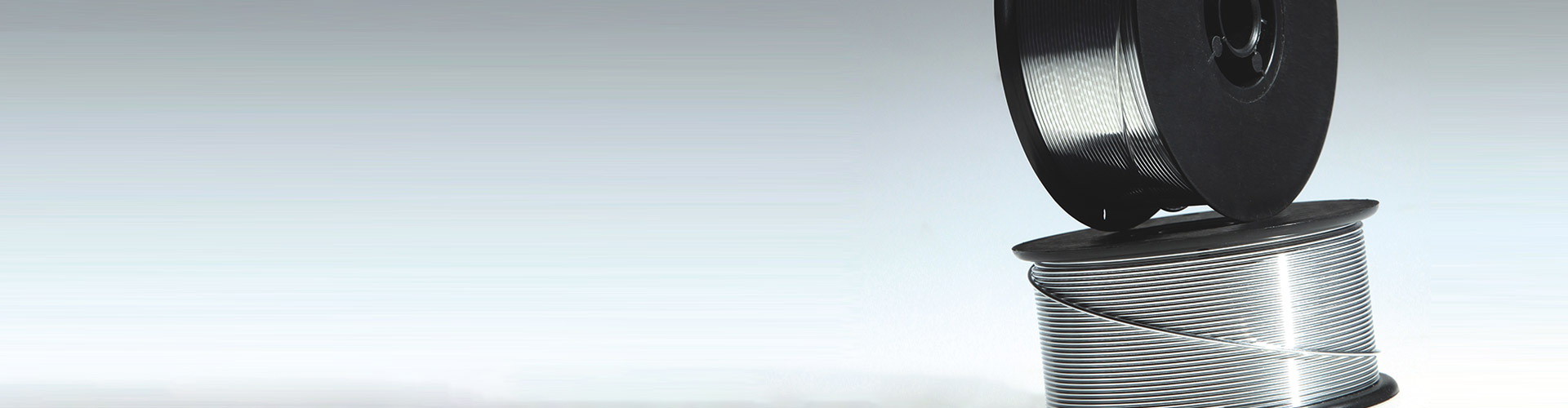
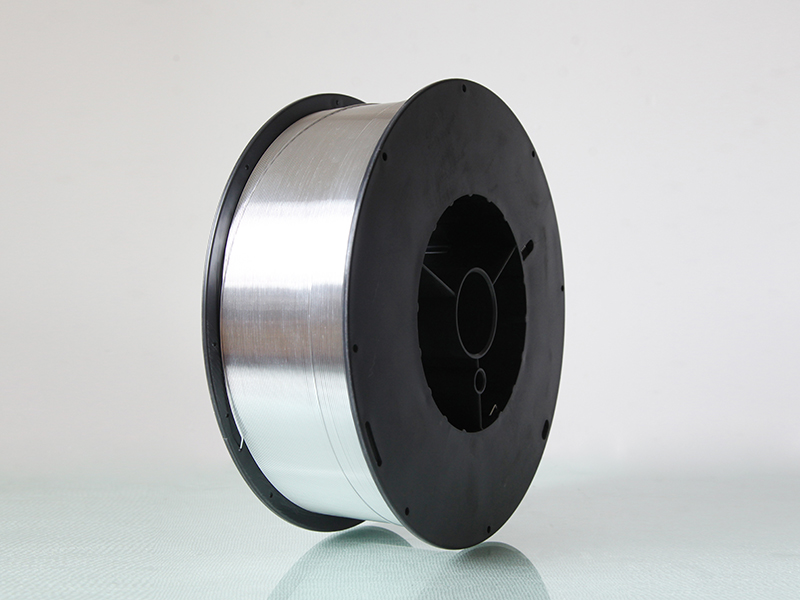
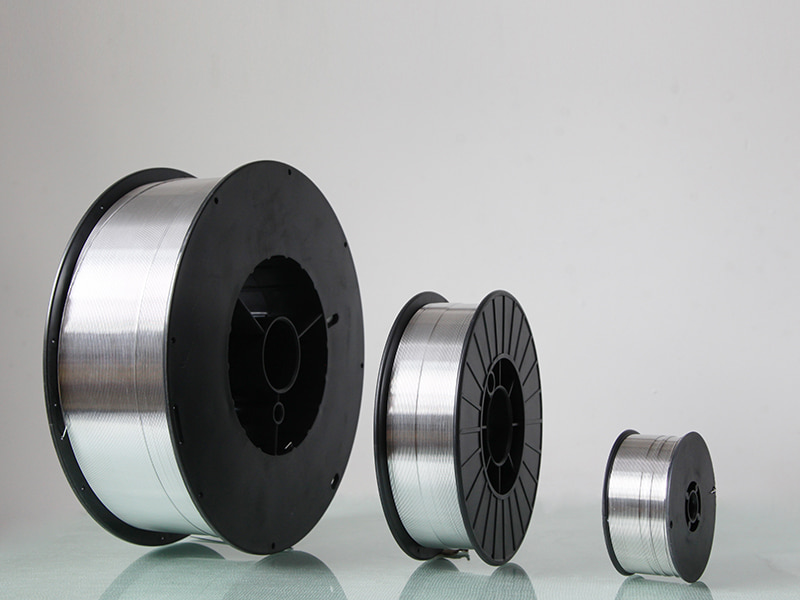
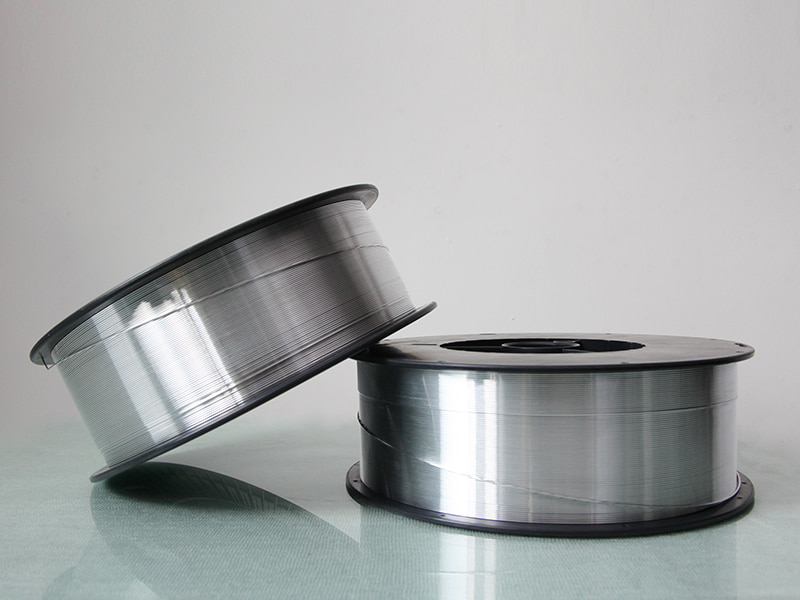
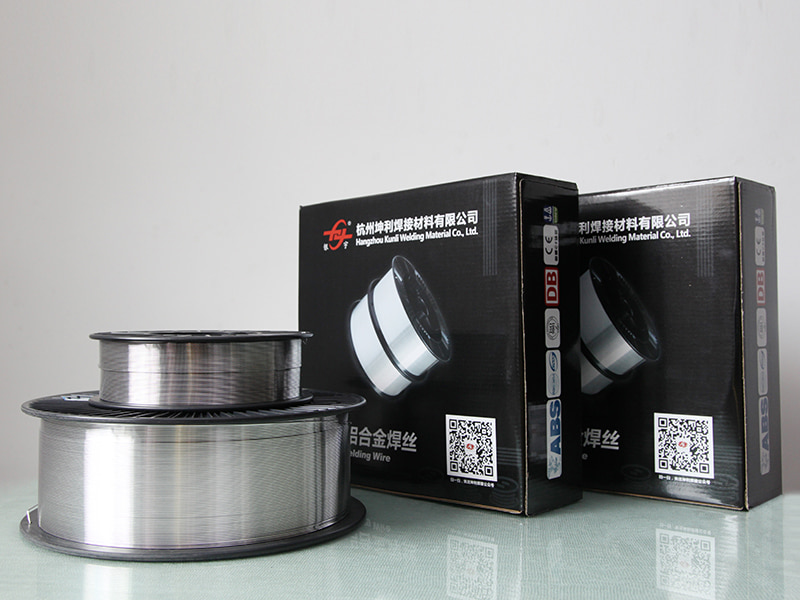
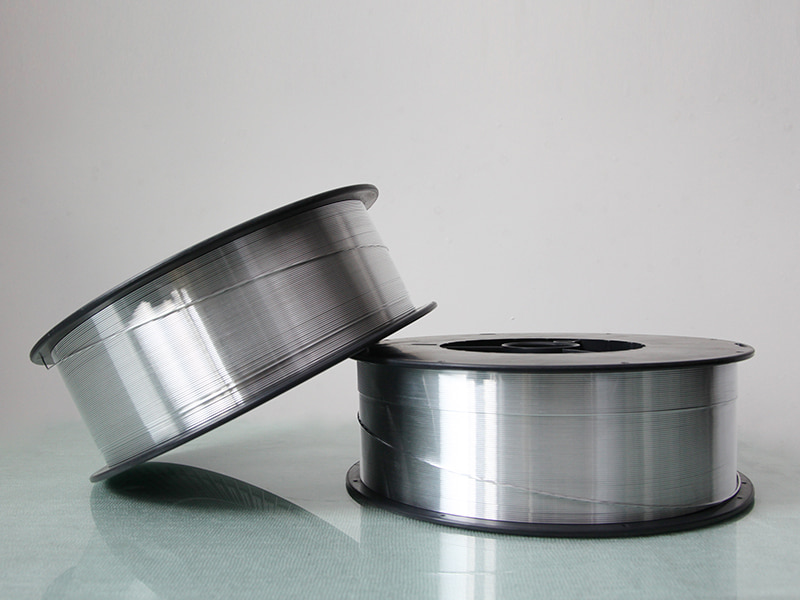
Aluminum Welding Wire
Aluminum Alloy Wire for 3d Printing
Aluminum Alloy Wire For 3d Printing is for arc additive manufacturing (wire+arc additive manufacturing, WAAM). Comparing with Laser solid forming, WAAM can save the process of producing Al powder, avoid oxidation and the problem of lower deposition rate because of the higher flectivity while Laser is working on the surface of Al material. The Aluminum alloy wire for 3D printing is 2000 series, 5000 series, and 6000series, like suitable for the complicated construction in the area of air and spacecraft, energy, auto mobile etc.
Currently, we can produce 2195,2319, 114A and 205A.
E-mail: rich@chinayinyu.com
Contact Us
WAAM DED AM READY
Aluminum Alloy Wire for 3D Printing
99.5%Density
100%Utilization
1.2-2.4mmDiameter
Product Description
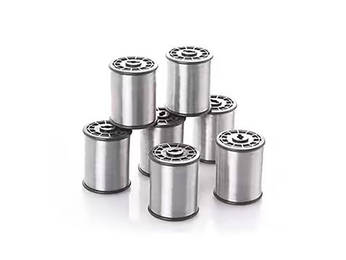
Aluminum Alloy Wire for 3D Printing is a specialized filler metal engineered for Direct Energy Deposition (DED) and Wire Arc Additive Manufacturing (WAAM) processes. This high-purity wire is manufactured through a multi-stage drawing process to ensure a consistent diameter and a smooth surface finish, which minimizes friction during high-speed wire feeding. The alloy compositions, including series such as 4043 (Al-Si) and 5356 (Al-Mg), are optimized to provide specific thermal conductivity and solidification rates required for layer-by-layer metal deposition. Each spool undergoes rigorous surface treatment to remove residual hydrocarbons and oxides, preventing porosity and ensuring the structural density of the printed components. This material enables the fabrication of complex, large-scale aluminum geometries with mechanical properties that facilitate post-process machining and heat treatment.
4043Al-Si Alloy
5356Al-Mg Alloy
Core Advantages
Deposition Efficiency
The wire-based format allows for a 100% material utilization rate compared to powder-based systems, reducing raw material waste.
Operational Safety
Unlike aluminum powders, wire feedstocks eliminate the risk of dust explosions and respiratory hazards in the production environment.
Structural Homogeneity
Precise control over alloy chemistry ensures consistent bead morphology and minimizes chemical segregation during rapid cooling cycles.
Scalability
Compatible with robotic WAAM setups, enabling the production of large-format aluminum components exceeding one meter in dimension.
Product Characteristics
Technical Parameter
Specification / Value
Wire Diameter
1.2mm, 1.6mm, 2.4mm (Tolerance: +-0.01mm)
Surface Condition
Chemically cleaned, Shaved (Zero residual lubricants)
Relative Density
Greater than 99.5% (Post-deposition density)
Hydrogen Content
Less than 0.15ml / 100g Al (Prevents internal porosity)
Spool Type
D300 Plastic or K300 Metal Wire Basket (Precision Layer Wound)
Application Scenarios
Aerospace ComponentsFabrication of lightweight structural brackets, fuel tank stiffeners, and large-scale rib sections.
Automotive PrototypingRapid manufacturing of engine blocks, chassis reinforcements, and customized heat exchangers.
Maritime EngineeringProduction of corrosion-resistant propellers and specialized hull fittings for saltwater environments.
Tooling and MoldsCreation of conformal cooling molds and rapid repair of high-value aluminum casting dies.
Storage and Usage Precautions
Atmospheric Control
Aluminum wire is highly susceptible to oxidation. Store spools in a dry, temperature-controlled environment with a relative humidity below 50%.
Contamination Prevention
Use clean, lint-free gloves when handling the wire to prevent the transfer of skin oils, which can lead to carbon inclusions and porosity in the 3D printed part.
Feeding System Maintenance
Utilize U-groove drive rolls and Teflon liners in the wire feeder to prevent surface galling or wire deformation during the additive process.
Pre-Printing Preparation
For critical structural parts, ensure the substrate is pre-heated according to the specific alloy requirements to manage thermal gradients and residual stress.
Aluminum Alloy Wire for 3d Printing
Coming From China,
Marketing To The World.
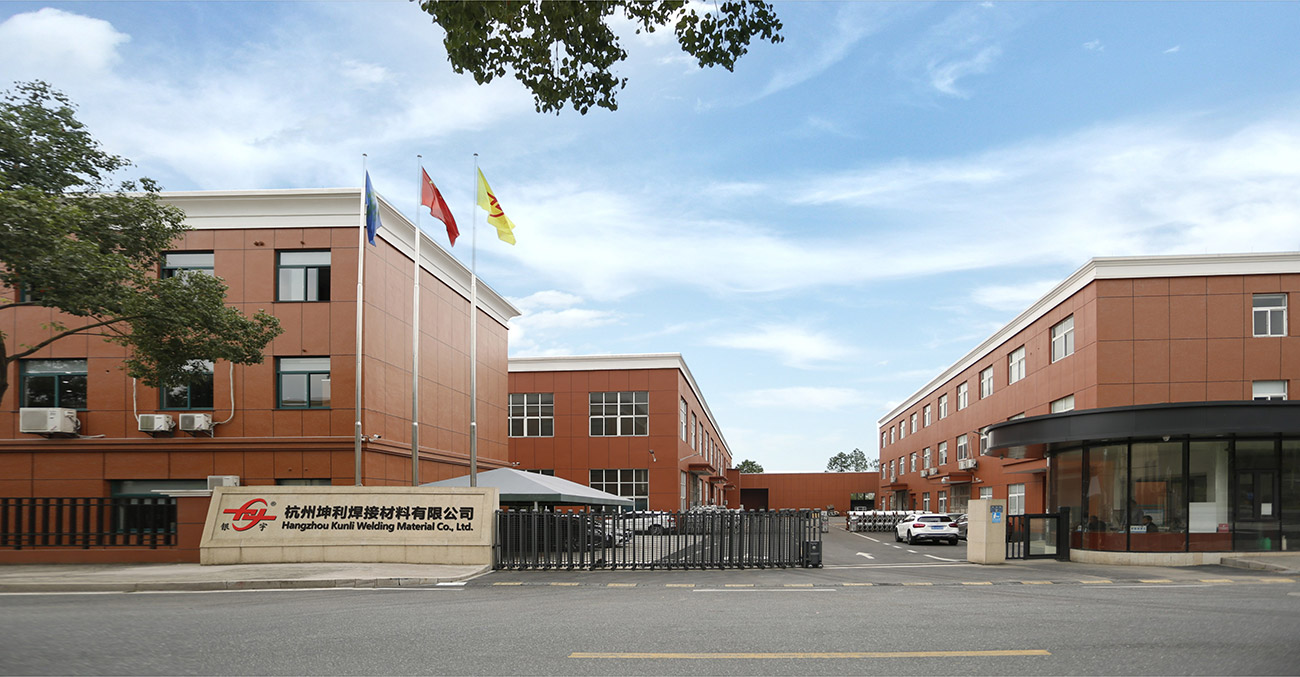
Hangzhou Kunli welding materials Co., Ltd. is located in the industrial zone of Puyang Town, Xiaoshan District, Hangzhou, Zhejiang Province. It is a high-technology and high-performance China Aluminum Welding Wire Manufacturers and
wholesale Aluminum Alloy Wire for 3d Printing factory. The company has more than 20 years of aluminum alloy wire production experience, with international advanced aluminum alloy welding wire manufacturing equipment, complete testing equipment, stable production process and strict quality control system. The high-performance
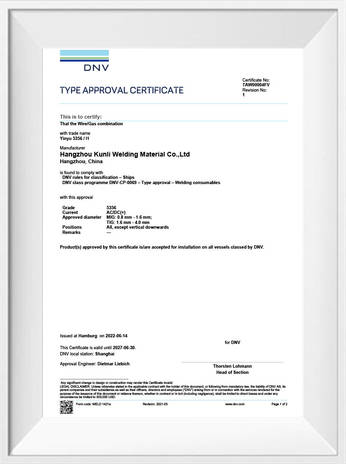
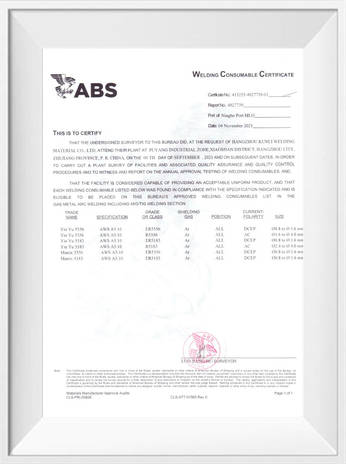
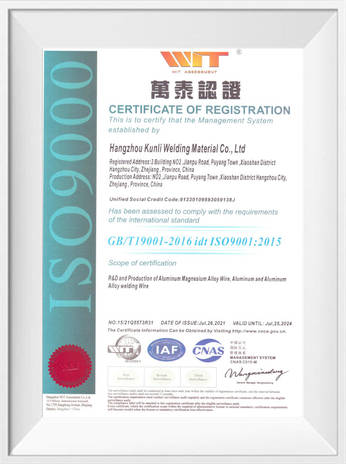
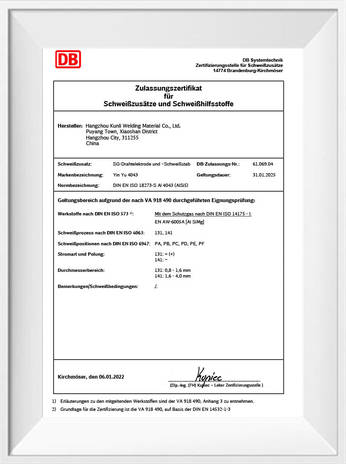
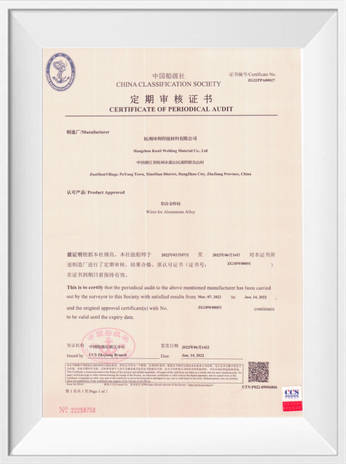
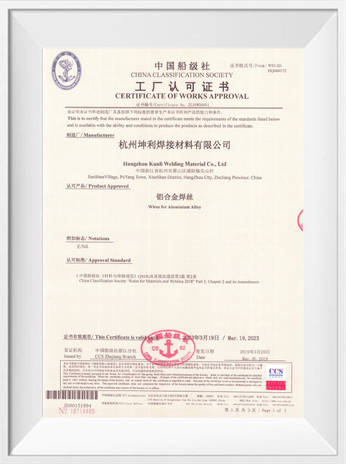
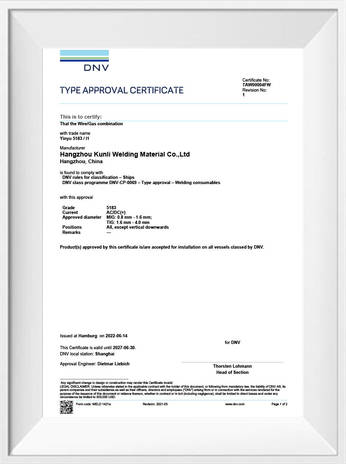
OEM/ODM Aluminum Alloy Wire for 3d Printing produced by the company has successfully passed a number of international authoritative certification, such as DB, CE, ABS, DNV, CCS, etc. We have more than 200MT production capacity per month and 50% was exported to over 30 countries such as USA, Mexico, Southeast Asia, Japan, Korea, Australia, New Zealand and etc.
-

30+
USED IN HEAVY INDUSTRY TECHNOLOGY SECTOR
-

35
YEARS OF RESEARCH AND DEVELOPMENT EXPERIENCE
-

200+
COOPERATIVE LARGE-SCALE R & D INSTITUTIONS
-

20+
GLOBAL TRADE COUNTRIES AND REGIONS
Coming From China,
Marketing To The World.
More than 90% of our field operators have professional and technical education background, and have many years of experience in equipment processing and assembly. It is precisely because of this united, dedicated, pioneering, skilled and experienced team that the company's technology and products can be continuously updated and improved.
GET IN TOUCH
Send Us a Message?
Related Products
-
 View More
5154 Aluminum Alloy Welding Wire
-
 View More
ER4043 Silicon Aluminum Welding Wire
-
 View More
ER4047 Aluminum Mig Welding Wire
-
 View More
ER5154 Al-Mg Alloy Wire
-
 View More
ER5087 Magnesium Aluminum Welding Wire
-
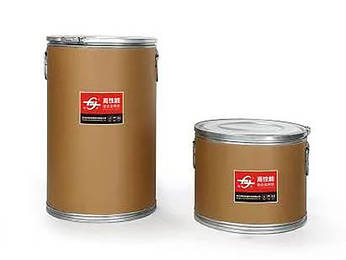 View More
Aluminum Welding Wire ER5183
-
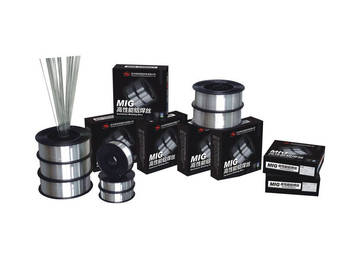 View More
Aluminum Welding Wire ER5356
-
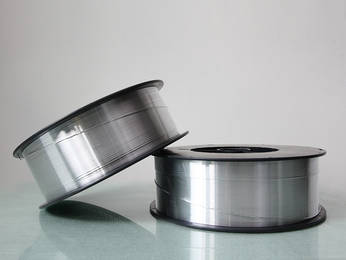 View More
ER5554 Aluminum Welding Wire
-
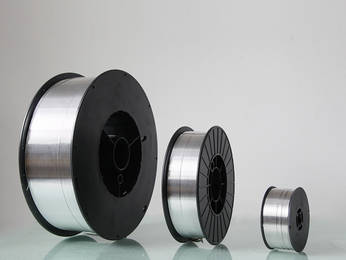 View More
ER5556 Aluminum Welding Wire
-
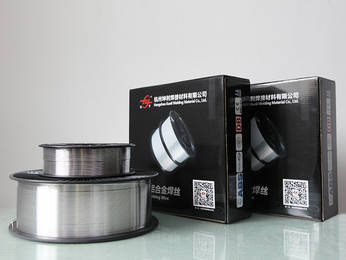 View More
ER1100 Aluminum Welding Wire
-
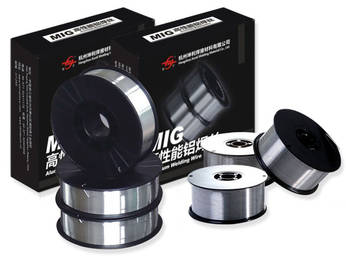 View More
ER5754 Aluminum Welding Wire
-
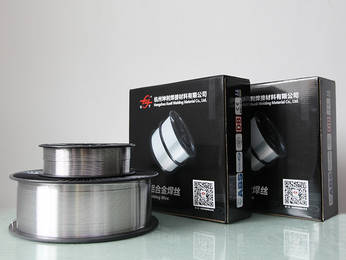 View More
ER2319 Aluminum Welding Wire
::: Last News :::
-
How to Test Aluminum Welding Wire Quality: A Practical ...
Oct 09, 2026
Why Test Wire Before It Reaches the Gun? The job is a simple one until the wire arrives: a 3 m length of 6061-T6 box se...
-
Why Does Aluminum Welding Wire ER5183 Perform Well on 5...
Oct 12, 2026
When aluminum parts need to be joined, the filler wire has a direct connection with how the finished joint behaves. The...
-
How Do Aluminum Welding Wire Manufacturers Control Wire...
Oct 05, 2026
Aluminum welding wire passes through several production stages before it is ready for use. The condition of the raw mat...
-
What Affects Shelf Life of 4943 Aluminum Welding Wire
Sep 30, 2026
Aluminum welding wire can spend a genuinely long time sitting in a warehouse before it ever reaches the welding area. D...
Industry Information Extension
Aluminum Alloy Wire for 3D Printing – WAAM & DED Ready
As a Aluminum Alloy Wire For 3d Printing 122.html manufacturer, we match product configuration to the application, operating limits, interfaces and acceptance criteria defined for each project.
As a specialized Aluminum Alloy Wire for 3d Printing manufacturer, Hangzhou Kunli Welding Materials Co., Ltd. produces wire feedstock engineered for Wire Arc Additive Manufacturing (WAAM) and Direct Energy Deposition (DED). Our wire is drawn to tight tolerances, chemically cleaned, and layer-wound to support robotic deposition of large-format aluminum components.
We supply 2000, 5000, and 6000 series alloys, with current production capability for 2195, 2319, 114A, and 205A, as well as standard 4043 (Al-Si) and 5356 (Al-Mg). Each spool is processed to minimize oxides and hydrocarbons, targeting relative density above 99.5% and hydrogen content below 0.15 ml/100g Al.
Product Range and Configuration
| Alloy Series | Typical Alloys | Application Fit |
|---|---|---|
| 2000 series | 2195, 2319 | Aerospace structural parts, high-strength components requiring post-deposition heat treatment. |
| 4000 series | 4043 (Al-Si) | Automotive heat exchangers, crack-resistant layers, good flow for complex geometries. |
| 5000 series | 5356 (Al-Mg) | Marine components, structural welds, corrosion-resistant parts. |
Key Specifications and Quality Control
- Diameter: 1.2mm, 1.6mm, 2.4mm (tolerance ±0.01mm)
- Surface: Chemically cleaned and shaved, zero residual lubricants
- Density: Relative density >99.5% after deposition
- Hydrogen content: <0.15 ml/100g Al to prevent porosity
- Packaging: D300 plastic or K300 metal wire basket, precision layer wound
Our manufacturing process includes multi-stage drawing and rigorous surface treatment. Each lot is tested for chemical composition, mechanical properties, and welding performance using equipment like SHIMADZU PDA-5500 optical emission spectrograph and OTC welding robot systems.
Application Scenarios
Our wire is used across demanding industries:
- Aerospace: Lightweight brackets, fuel tank stiffeners, large rib sections
- Automotive: Engine blocks, chassis reinforcements, custom heat exchangers
- Maritime: Corrosion-resistant propellers, hull fittings
- Tooling: Conformal cooling molds, repair of aluminum casting dies
Installation and Integration
For robotic WAAM setups, we recommend U-groove drive rolls and Teflon liners to prevent surface galling. Pre-heat the substrate according to alloy requirements to manage thermal gradients. Our wire feeds consistently at high speeds, supporting deposition rates that exceed powder-based systems.
Storage and Handling
Store spools in a dry, temperature-controlled environment with relative humidity below 50%. Use clean, lint-free gloves to avoid transferring skin oils. Keep the wire feeder clean to prevent contamination.
Information We Use to Configure Your Solution
To prepare a precise quotation and configuration, we need the following project details:
- Target alloy and required mechanical properties
- Wire diameter and packaging preference (spool, drum, coil)
- Deposition method (WAAM, DED) and robot interface
- Production volume and delivery schedule
- Any specific certification requirements (e.g., ABS, DNV)
Why Choose Kunli
With over 20 years of aluminum alloy wire production experience, we operate advanced manufacturing lines and a complete testing lab. Our certifications include DB, CE, ABS, DNV, and CCS. We supply to global clients in over 30 countries, including major names like CRRC and Maersk.
Explore our related products: ER4043 Silicon Aluminum Welding Wire, Aluminum Welding Wire ER5356, and ER2319 Aluminum Welding Wire.
FAQs
What alloys are available for 3D printing wire?
We currently produce 2195, 2319, 114A, and 205A, along with standard 4043 and 5356. Other 2000, 5000, and 6000 series can be developed based on your specifications.
What diameters do you offer?
Standard diameters are 1.2mm, 1.6mm, and 2.4mm, with tolerance ±0.01mm. Custom diameters are possible for volume orders.
How do you ensure porosity-free deposition?
Our wire is chemically cleaned and shaved to remove oxides and hydrocarbons. Hydrogen content is controlled below 0.15 ml/100g Al, and each spool is layer-wound to maintain surface integrity.
Can you provide material certifications?
Yes, we provide mill test certificates and can arrange third-party inspection. Our products meet DB, CE, ABS, DNV, and CCS standards.
What is the minimum order quantity?
MOQ depends on alloy and diameter. For standard alloys like 4043 and 5356, we can accommodate small trial orders. Contact us for specific requirements.

QUICK LINKS
PRODUCT
CONTACT US
-
Jianpu Road no.2 Puyang Town Xiaoshan District Hangzhou Zhejiang China 311255
-
+86-0571-82403878
-
+86-0571-82403208
-
rich@chinayinyu.com
MOBILE TERMINAL
BE THE FIRST TO KNOW
Copyright © Hangzhou Kunli Welding Materials Co., Ltd. Rights Reserved.
