 English
  Deutsch

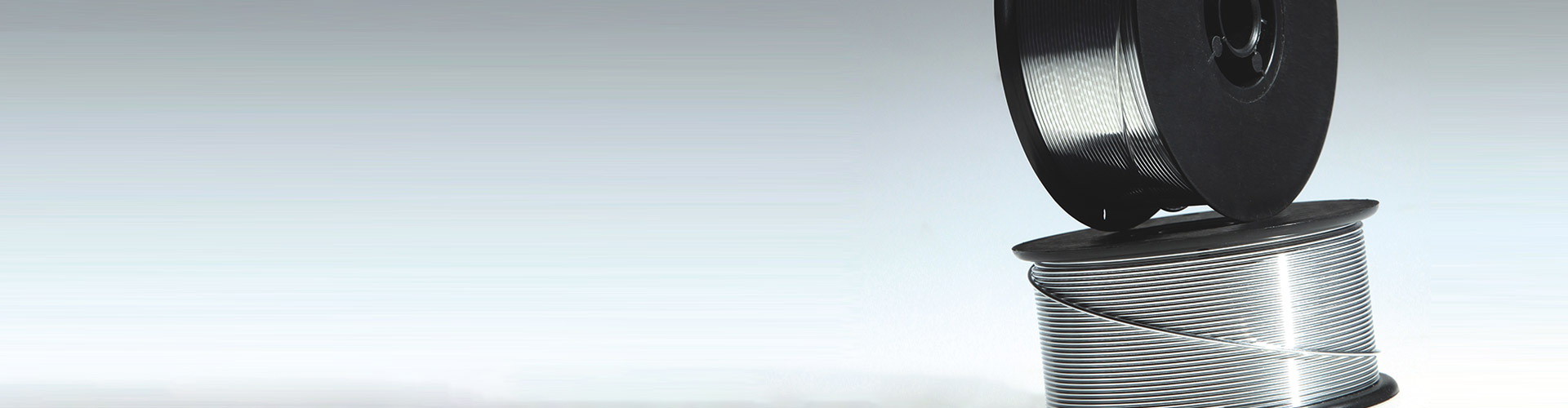
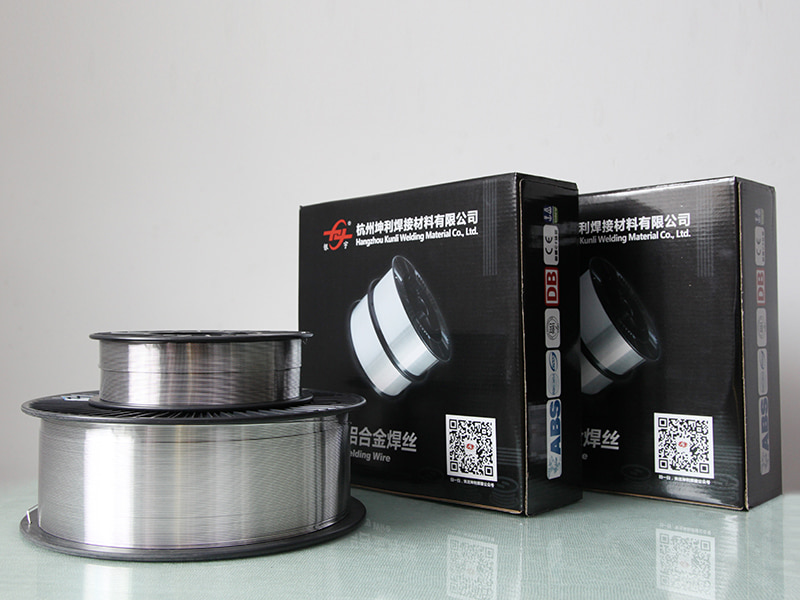
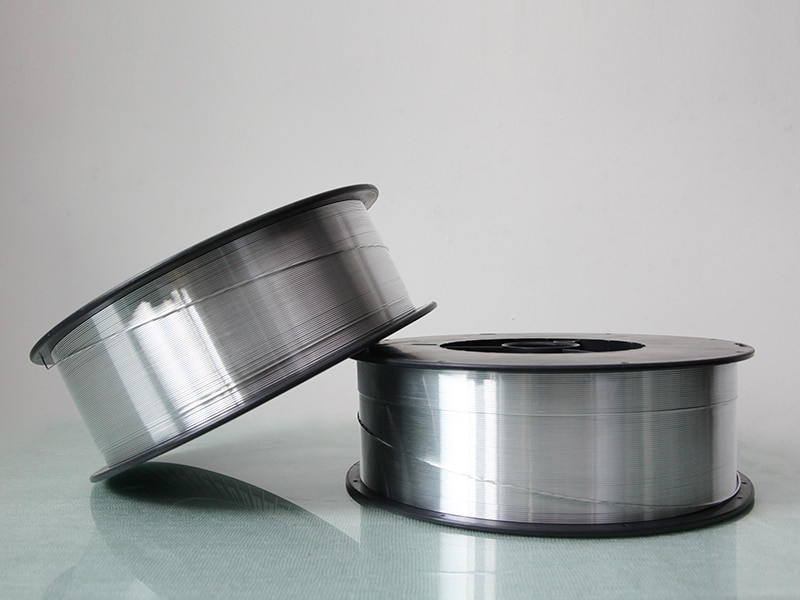
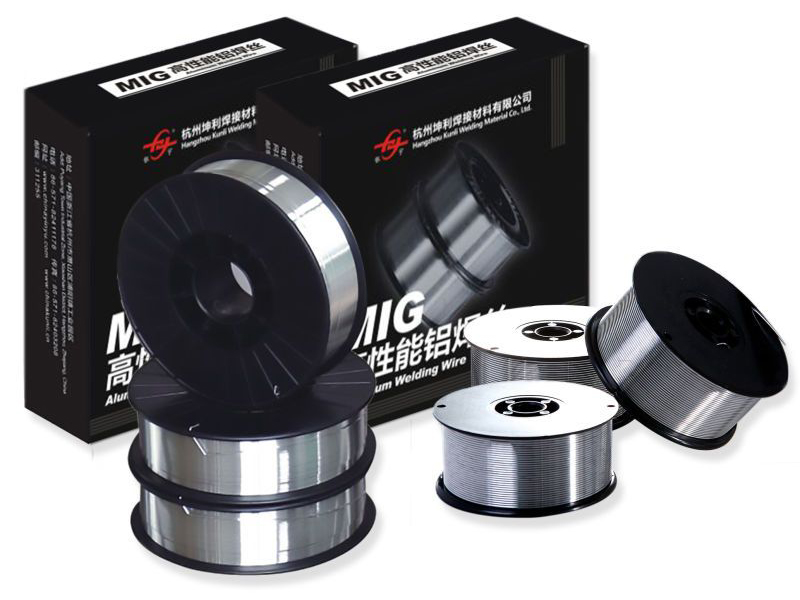
Aluminum Welding Wire
ER1100 Aluminum Welding Wire
1100 is about 99% pure Aluminum filler metal, which has excellent processability, higher corrosion resistance and tenacity, for welding 1000 series alloy metal mainly. Because of the soft performance, the feed status should be careful in MIG welding.
Mainly apply to high voltage bus, distribution box, heat exchanger, chemical and food etc.
E-mail: rich@chinayinyu.com
Contact Us
ER1100
99.0% Al
Aluminum Welding Wire
1xxx Series · Commercial Purity
AWS A5.10
ISO 18273
≥99.0%Aluminum Purity
643-657°CMelting Range
2.71 g/cm³Density
62% IACSConductivity
Product Overview
ER1100 is a high-purity aluminum filler metal containing a minimum of 99.0% aluminum. It is specifically designed for gas metal arc welding (GMAW) and gas tungsten arc welding (GTAW) applications where high electrical and thermal conductivity are required. The wire undergoes precision shaving and chemical cleaning to remove surface oxides and residual lubricants, ensuring stable arc characteristics. ER1100 offers excellent corrosion resistance in many industrial environments and provides color matching capability after anodizing. It is the preferred filler metal for welding 1xxx series aluminum alloys and is widely used in electrical, chemical, and architectural applications.
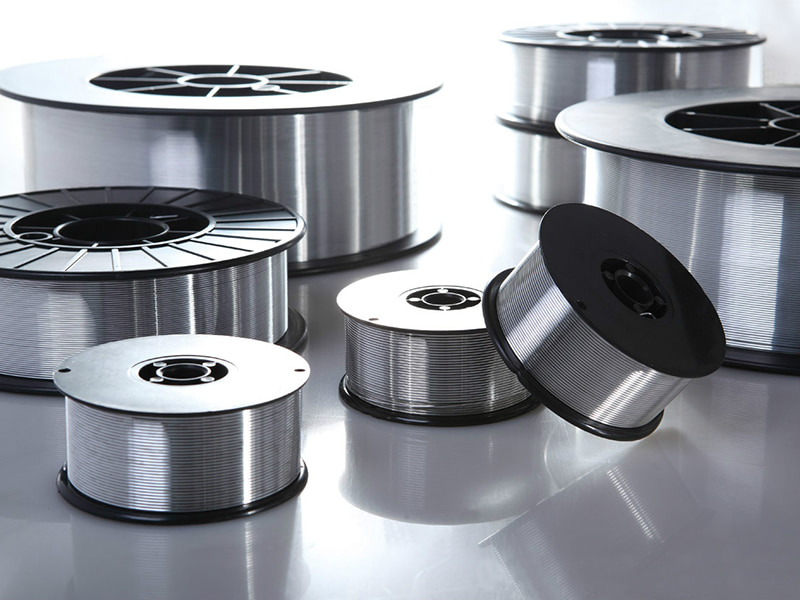
Core Advantages
High Conductivity99.0% minimum aluminum content provides superior electrical and thermal conductivity for heat exchange and electrical transmission applications.
Corrosion ResistanceHigh purity aluminum offers excellent resistance to organic acids, salts, and specific industrial chemicals.
Anodic Color MatchPure aluminum composition allows for uniform anodized finish between weld bead and base material.
DuctilityWeld metal remains soft and formable, facilitating post-weld bending and forming operations.
Specification Data
Wire Diameters0.8mm · 1.0mm · 1.2mm · 1.6mm
Surface FinishShaved · Chemically degreased
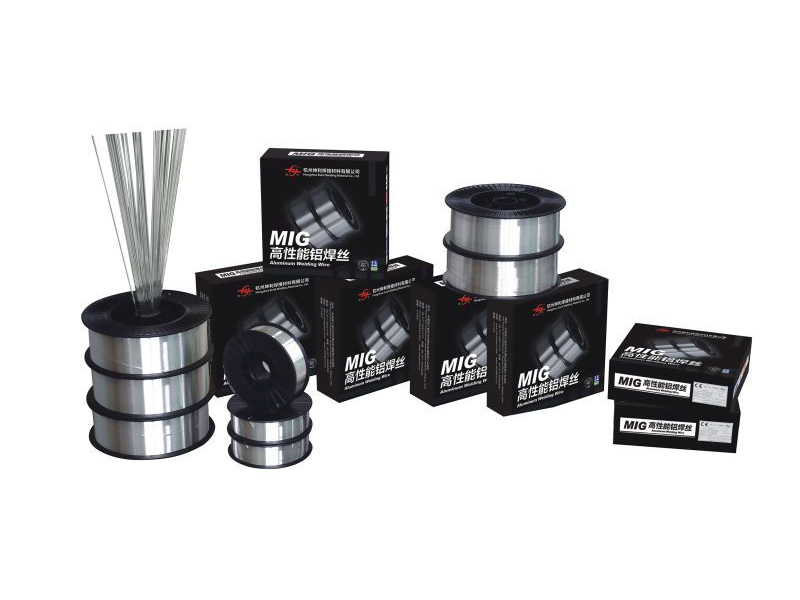
PackagingD200 (2kg) · D300 (7kg) · K415 (50kg)
Shielding Gas100% Argon (99.996%)
ComplianceAWS A5.10 ER1100
Chemical Composition Limits
Aluminum (Al)≥ 99.0%
Copper (Cu)≤ 0.05%
Silicon (Si)≤ 0.10%
Iron (Fe)≤ 0.20%
Zinc (Zn)≤ 0.05%
Others≤ 0.15% total
Total impurities below 0.15% · Meets AWS A5.10 requirements for ER1100
Application Scenarios
ElectricalBusbars, electrical connectors, capacitor foils, transformer windings
Chemical ProcessingStorage tanks, piping systems, food processing equipment
Heat ExchangeRadiators, cooling fins, HVAC components, thermal conductors
ArchitecturalDecorative panels, extruded profiles, anodized trim components
Frequently Asked Questions
What base materials can ER1100 weld?
ER1100 is designed for welding 1xxx series aluminum alloys (1100, 1050, 1060) and is also suitable for joining aluminum to itself in applications where high purity and conductivity are required.
Does ER1100 require special shielding gas?
100% Argon with a minimum purity of 99.996% is recommended. For thicker sections, Argon-Helium mixtures can improve penetration and wetting characteristics.
Can ER1100 be anodized after welding?
Yes, ER1100 provides excellent color matching capability during post-weld anodizing due to its high-purity aluminum composition, producing uniform appearance between weld and base metal.
What causes porosity when welding with ER1100?
Porosity is typically caused by moisture contamination on the wire surface, inadequate cleaning of base material, or insufficient shielding gas coverage. Store wire below 55% humidity and ensure proper gas flow rates.
Storage Conditions
Store ER1100 wire in original vacuum-sealed packaging at 10-35°C with relative humidity below 55%. Opened spools must be used within 96 hours. For extended storage, place in heated cabinet at 35-45°C. Prevent exposure to oil mist, grinding dust, or chemical vapors.
Usage Precautions
Use clean, powder-free gloves when handling wire. Ensure base material is thoroughly cleaned of oxides and grease using stainless steel brushes or chemical degreasers. Use U-groove drive rolls and Teflon liners for optimal feeding performance.
ER1100 Aluminum Welding Wire
Coming From China,
Marketing To The World.
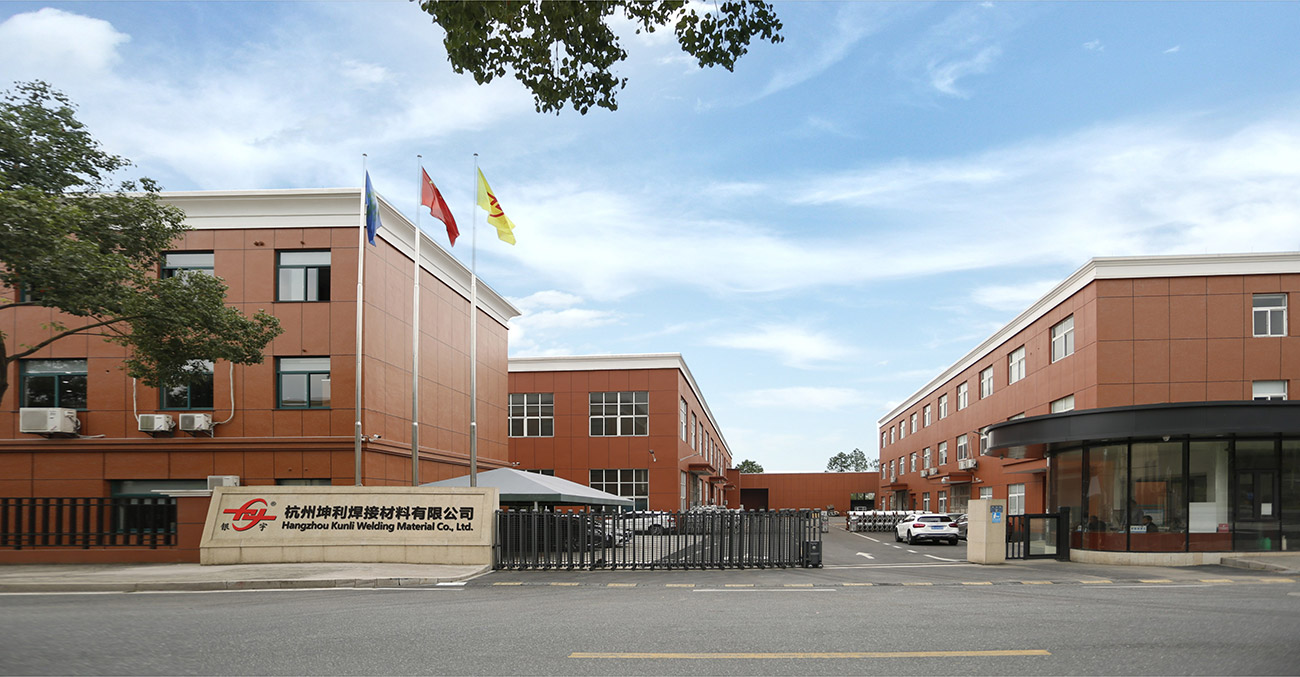
Hangzhou Kunli welding materials Co., Ltd. is located in the industrial zone of Puyang Town, Xiaoshan District, Hangzhou, Zhejiang Province. It is a high-technology and high-performance China Aluminum Welding Wire Manufacturers and
wholesale ER1100 Aluminum Welding Wire factory. The company has more than 20 years of aluminum alloy wire production experience, with international advanced aluminum alloy welding wire manufacturing equipment, complete testing equipment, stable production process and strict quality control system. The high-performance
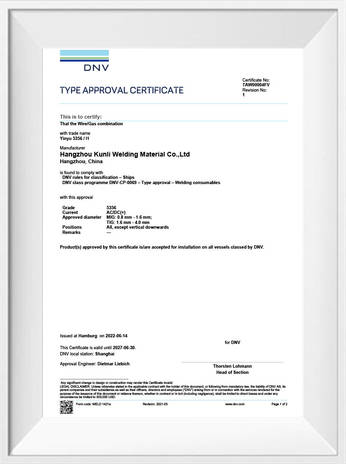
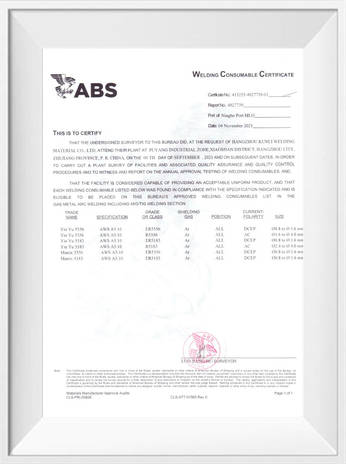
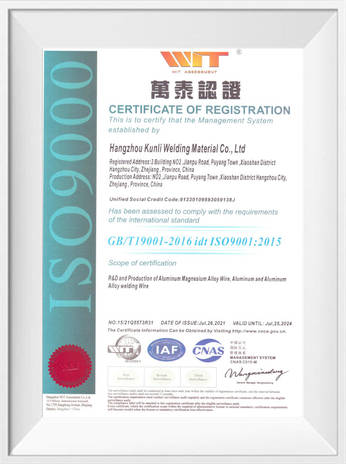
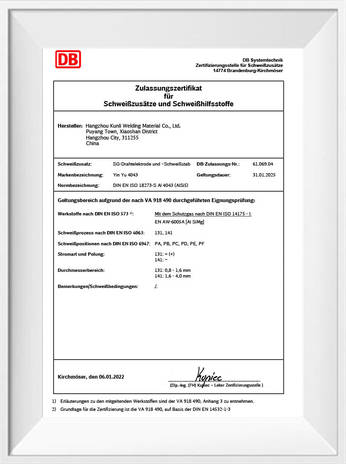
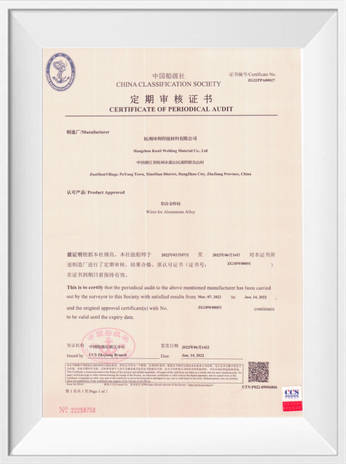
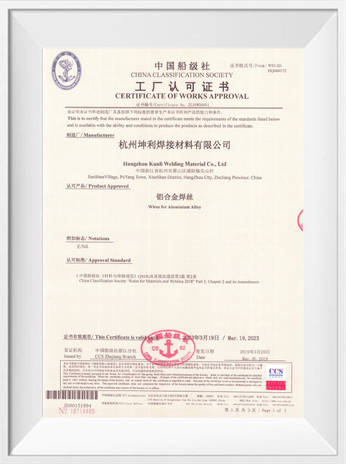
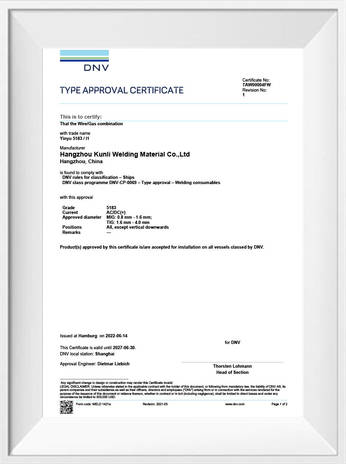
OEM/ODM ER1100 Aluminum Welding Wire produced by the company has successfully passed a number of international authoritative certification, such as DB, CE, ABS, DNV, CCS, etc. We have more than 200MT production capacity per month and 50% was exported to over 30 countries such as USA, Mexico, Southeast Asia, Japan, Korea, Australia, New Zealand and etc.
-

30+
USED IN HEAVY INDUSTRY TECHNOLOGY SECTOR
-

35
YEARS OF RESEARCH AND DEVELOPMENT EXPERIENCE
-

200+
COOPERATIVE LARGE-SCALE R & D INSTITUTIONS
-

20+
GLOBAL TRADE COUNTRIES AND REGIONS
Coming From China,
Marketing To The World.
More than 90% of our field operators have professional and technical education background, and have many years of experience in equipment processing and assembly. It is precisely because of this united, dedicated, pioneering, skilled and experienced team that the company's technology and products can be continuously updated and improved.
GET IN TOUCH
Send Us a Message?
Related Products
-
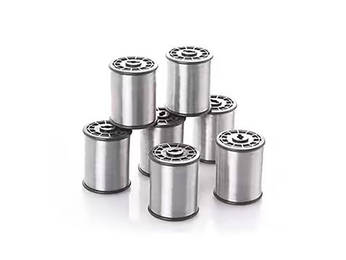 View More
5154 Aluminum Alloy Welding Wire
-
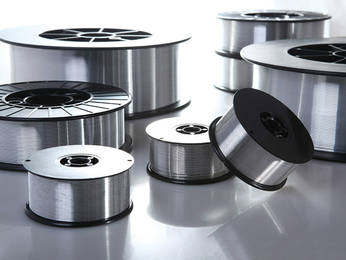 View More
ER4043 Silicon Aluminum Welding Wire
-
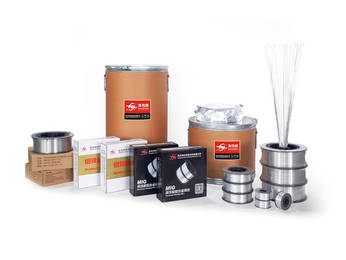 View More
ER4047 Aluminum Mig Welding Wire
-
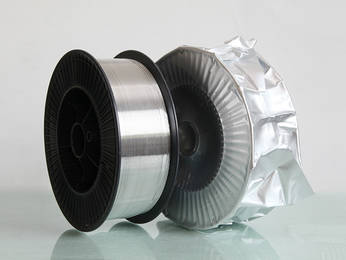 View More
ER5154 Al-Mg Alloy Wire
-
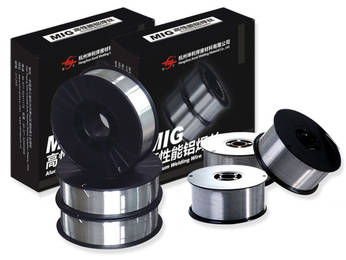 View More
ER5087 Magnesium Aluminum Welding Wire
-
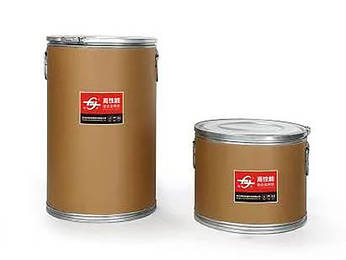 View More
Aluminum Welding Wire ER5183
-
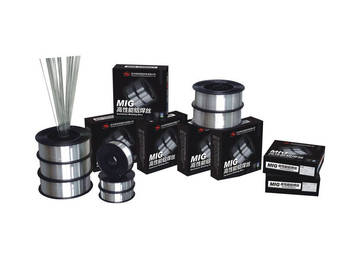 View More
Aluminum Welding Wire ER5356
-
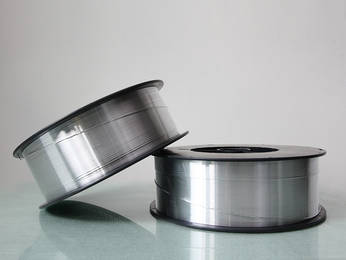 View More
ER5554 Aluminum Welding Wire
-
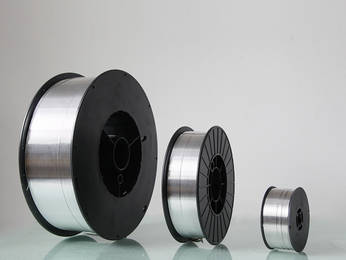 View More
ER5556 Aluminum Welding Wire
-
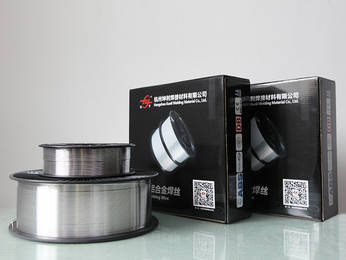 View More
ER1100 Aluminum Welding Wire
-
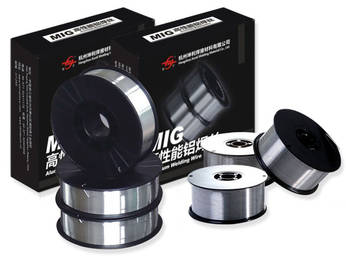 View More
ER5754 Aluminum Welding Wire
-
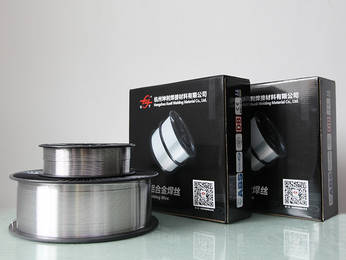 View More
ER2319 Aluminum Welding Wire
::: Last News :::
-
Why Does Filler Metal Matching Matter in Aluminum Weldi...
Sep 16, 2026
Choosing a filler metal isn't simply a matter of picking an aluminum wire that happens to fit the welding machine sitti...
-
What Causes Feeding Problems With 4943 Aluminum Welding...
Sep 14, 2026
Feeding problems can turn a routine welding job into a genuinely frustrating one fast. The welder may notice uneven wir...
-
Special Al Alloy Welding Wire: Properties & Uses
Sep 09, 2026
Standard aluminum filler wires like ER4043 and ER5356 work fine for everyday fabrication, but they start to fail once w...
-
How Can Spooling Improve Aluminum Welding Wire Handling
Sep 09, 2026
Aluminum welding wire may look simple when viewed as just a continuous strand of metal, but its journey from the spool ...
Industry Information Extension
ER1100 Aluminum Welding Wire – High-Purity Filler for Conductivity and Corrosion Resistance
As a Er1100 Aluminum Welding Wire.html manufacturer, we match product configuration to the application, operating limits, interfaces and acceptance criteria defined for each project.
Hangzhou Kunli Welding Materials Co., Ltd. is a China-based manufacturer and supplier of ER1100 aluminum welding wire, engineered for applications where electrical conductivity, corrosion resistance, and anodized color match are critical. With over 20 years of aluminum alloy wire production experience, we supply this commercial-purity filler metal to fabricators, OEMs, and distributors worldwide.
Our ER1100 wire meets AWS A5.10 and ISO 18273 standards, with a minimum aluminum content of 99.0%. It is available in MIG spools, TIG straight rods, coils, and drums, configured to your welding process and production volume.
Product Overview
ER1100 is a 1xxx series filler metal with a nominal composition of 99.0% aluminum. It is designed for gas metal arc welding (GMAW/MIG) and gas tungsten arc welding (GTAW/TIG) of 1000 series aluminum alloys, including 1100, 1050, and 1060. The wire is precision shaved and chemically cleaned to remove surface oxides and lubricants, ensuring stable arc characteristics and minimal porosity.
Key properties include a melting range of 643–657°C, density of 2.71 g/cm³, and electrical conductivity of approximately 62% IACS. These characteristics make it ideal for heat exchangers, electrical busbars, chemical storage tanks, and architectural trim.
Applications and Fit
ER1100 is the preferred filler for joining 1xxx series alloys in industries where purity and conductivity are paramount. Typical applications include:
- Electrical: Busbars, connectors, capacitor foils, transformer windings – where high conductivity is essential.
- Chemical Processing: Storage tanks, piping, food processing equipment – benefiting from excellent corrosion resistance to organic acids and salts.
- Heat Exchange: Radiators, cooling fins, HVAC components – leveraging thermal conductivity.
- Architectural: Decorative panels, extruded profiles, anodized trim – where color match after anodizing is required.
For EV battery tray welding, ER1100 offers high ductility and minimal intermetallic formation, reducing brittleness in thin aluminum structures.
Specifications and Compliance
| Property | Value |
|---|---|
| Alloy Type | 1xxx series (commercial purity) |
| Aluminum Content | ≥ 99.0% |
| Standards | AWS A5.10, ISO 18273, GB/T 10850 |
| Melting Range | 643–657°C |
| Density | 2.71 g/cm³ |
| Conductivity | 62% IACS |
Chemical composition limits (wt%): Al ≥99.0, Cu ≤0.05, Si ≤0.10, Fe ≤0.20, Zn ≤0.05, others ≤0.15 total. These limits ensure consistent weld quality and corrosion performance.
Available Configurations
We supply ER1100 in multiple forms to match your welding process and production requirements:
- MIG Wire: Diameters 0.8, 0.9, 1.0, 1.2, 1.6, 2.4 mm; spool weights 0.5, 2, 5, 6, 7, 9 kg.
- TIG Rods: Diameters 1.6, 2.0, 2.4, 3.0, 3.2, 4.0, 5.0 mm; lengths 1000 mm; bundles 5, 10, 20 kg.
- Coils: Diameters 2.4, 3.0, 3.2, 4.0 mm; weights 8–15 kg.
- Drums: Diameters 0.8, 0.9, 1.0, 1.2, 1.6 mm; weights 40, 80 kg.
Standard packaging includes D200 (2 kg), D300 (7 kg), and K415 (50 kg) spools. Custom diameters and packaging are available for OEM/ODM projects.
Welding Performance and Shielding Gas
For MIG welding, use 100% argon with a minimum purity of 99.996%. For thicker sections, argon-helium mixtures improve penetration and wetting. The wire's clean surface ensures stable arc and low spatter.
Due to the soft nature of pure aluminum, feeding requires U-groove drive rolls and Teflon liners to prevent bird-nesting. We recommend using a push-pull system for long conduit lengths.
Quality Assurance and Testing
Our factory is ISO9001, ISO14000, and ISO18001 certified. We operate a testing lab equipped with SHIMADZU PDA 5500 optical emission spectrograph, metallographic microscope, tension tester, and welding robots (OTC A-V6, Panasonic YD-400GE) to verify chemical composition, mechanical properties, and weldability.
Each production lot is tested for composition and mechanical performance. We provide material test certificates upon request.
Information We Use to Configure Your Solution
To prepare a precise quotation and configuration, we need the following project details:
- Welding process (MIG or TIG) and base material alloy
- Wire diameter and packaging preference (spool, coil, drum)
- Required quantity per order and annual volume
- Any specific standards or certifications (e.g., AWS, ISO, customer-specific)
- Delivery destination and Incoterms preference
Our engineering team will confirm the appropriate alloy, diameter, and packaging to match your application.
Storage and Handling
Store ER1100 in original vacuum-sealed packaging at 10–35°C with relative humidity below 55%. Opened spools should be used within 96 hours. For extended storage, use a heated cabinet at 35–45°C. Avoid exposure to oil mist, grinding dust, or chemical vapors.
Related Products
Explore our other aluminum filler metals: ER4043 Silicon Aluminum Welding Wire, ER4047 Aluminum MIG Welding Wire, and ER5356 Aluminum Welding Wire. For the full range, visit our Aluminum Welding Wire category.
FAQs
What base materials can ER1100 weld?
ER1100 is designed for 1xxx series alloys (1100, 1050, 1060) and can join aluminum to itself where high purity and conductivity are required.
Does ER1100 require special shielding gas?
100% argon (99.996% purity) is recommended. For thicker sections, argon-helium mixtures improve penetration.
Can ER1100 be anodized after welding?
Yes, its high-purity composition provides excellent color match during post-weld anodizing.
What causes porosity when welding with ER1100?
Porosity is typically from moisture on the wire, unclean base material, or insufficient gas coverage. Store wire below 55% humidity and ensure proper gas flow.
What packaging options are available?
We offer spools (2–9 kg), coils (8–15 kg), and drums (40–80 kg). Custom packaging is available for OEM orders.

QUICK LINKS
PRODUCT
CONTACT US
-
Jianpu Road no.2 Puyang Town Xiaoshan District Hangzhou Zhejiang China 311255
-
+86-0571-82403878
-
+86-0571-82403208
-
rich@chinayinyu.com
MOBILE TERMINAL
BE THE FIRST TO KNOW
Copyright © Hangzhou Kunli Welding Materials Co., Ltd. Rights Reserved.
