 English
  Deutsch

::: Explore Our Difference :::
Aluminum MIG Wire Manufacturer and Wholesale Aluminum TIG Wire Supplier
specializing in the research, development and manufacturing of high-performance Aluminum alloy welding wire and Aluminum alloy wire.-
0+
Company history
-
0+
Production line
-
0+
Enterprise employees
-
0+
Production experience
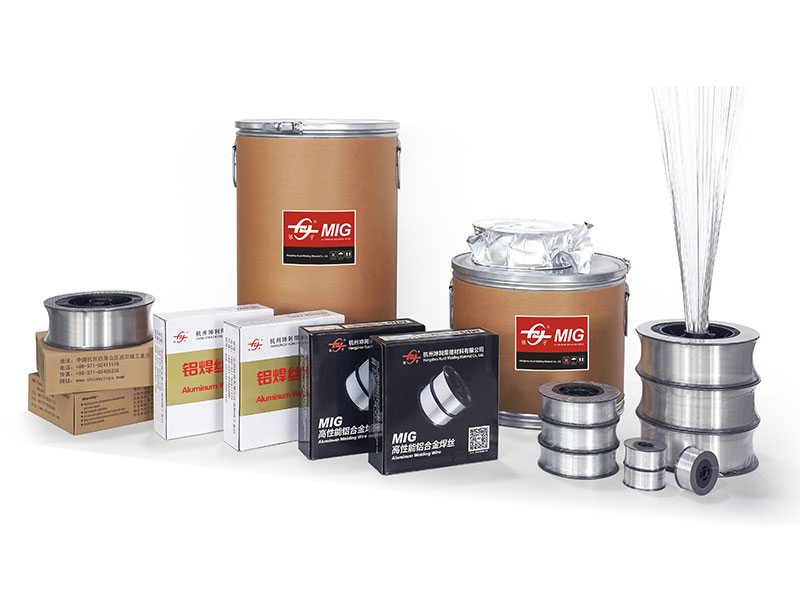
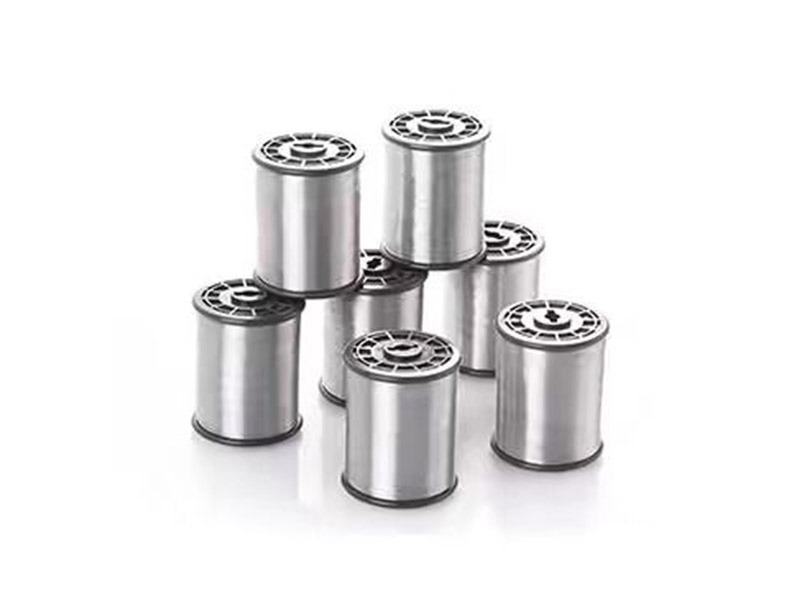
::: Featured Products :::
Excellent product with exquisite craftsmanship
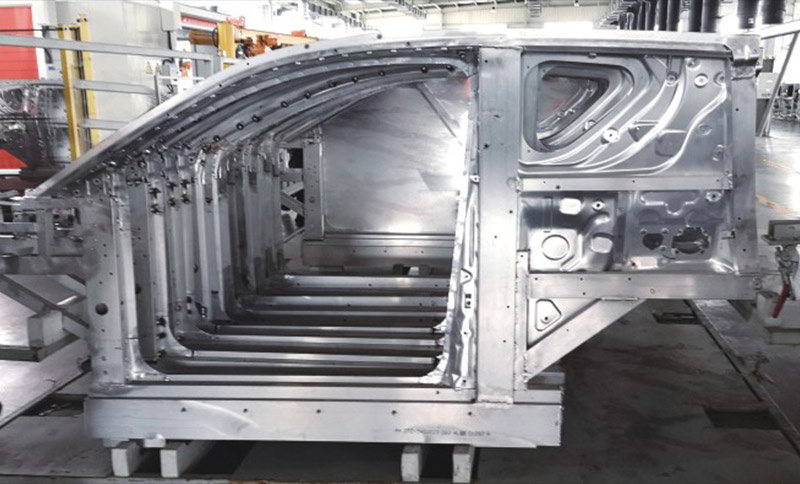
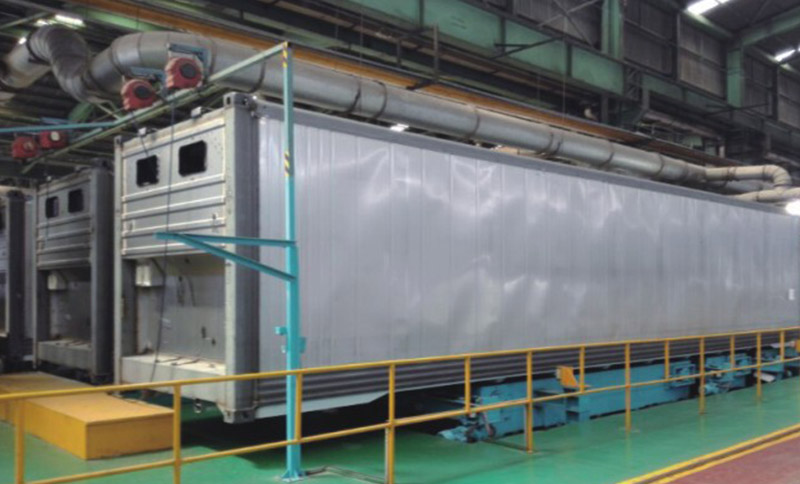
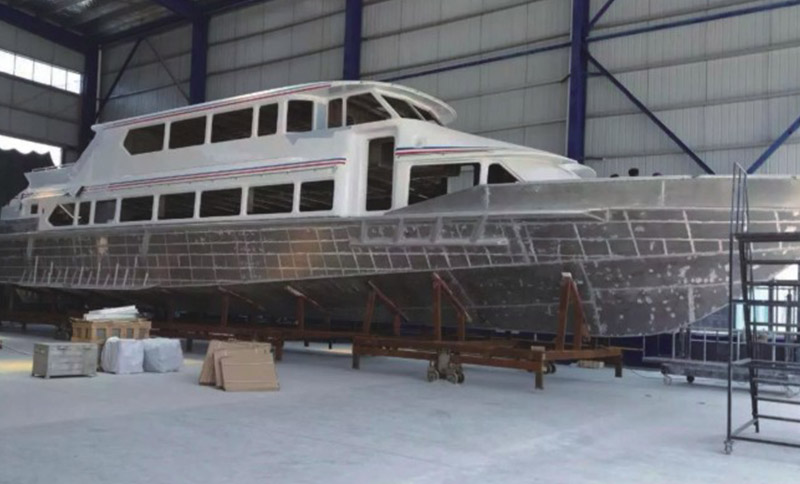
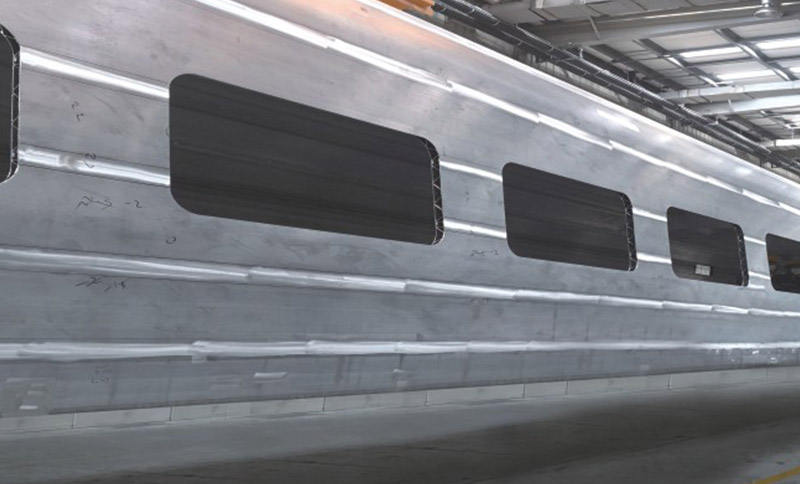
::: Application Field :::
Meticulous Selection for Top Grade Quality
::: Last News :::
-
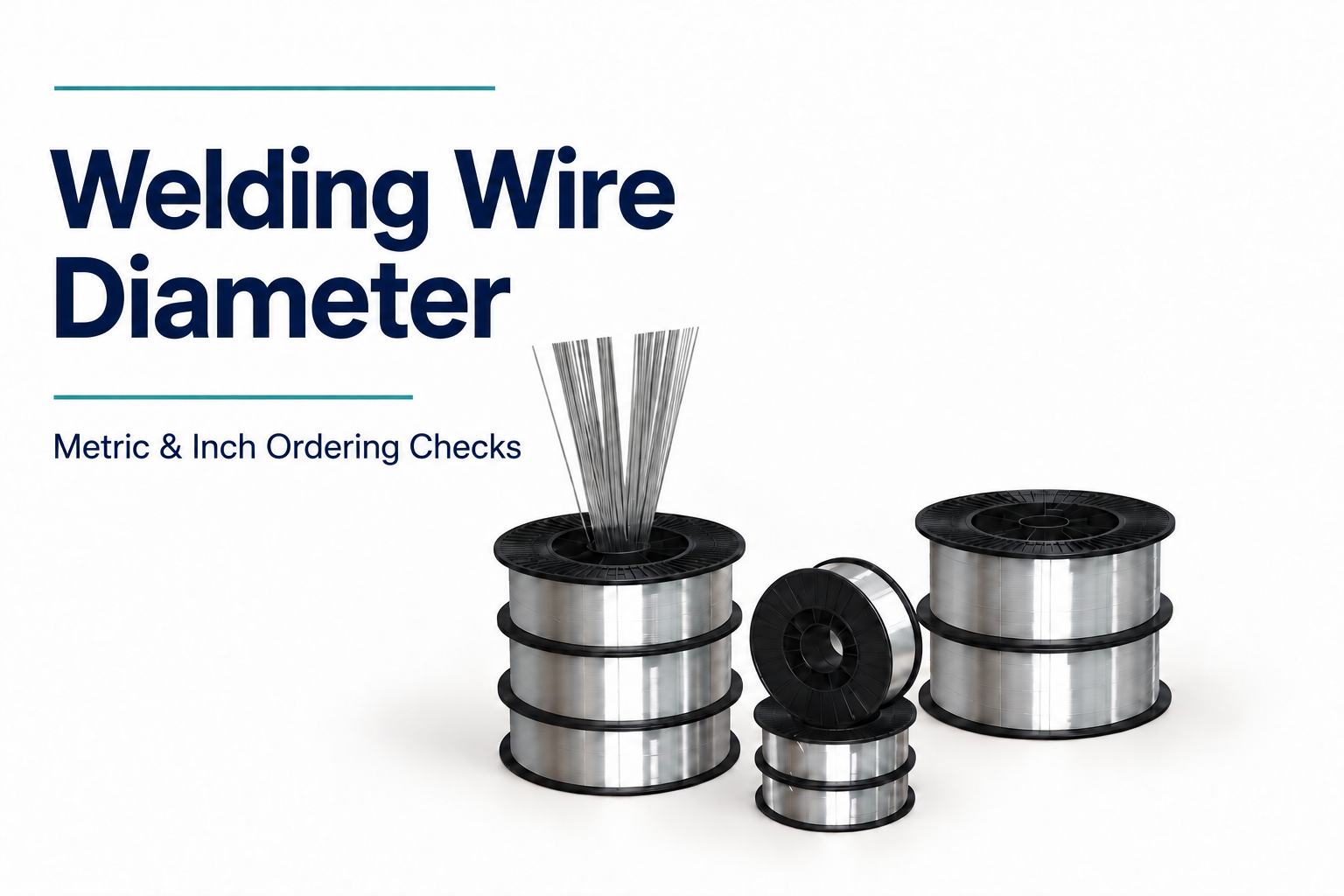
![aluminum-welding-wire-diameter-metric-inch-orders-cover]()
Aluminum Welding Wire Diameter: Keep Met...
Oct 26, 2026
A consumable order can become unclear when the enquiry uses millimetres, the machine documentation uses inches and the quotation shortens the size description. Aluminum welding wir...
-
![welding-wire-net-weight-spool-quotation-comparison-cover]()
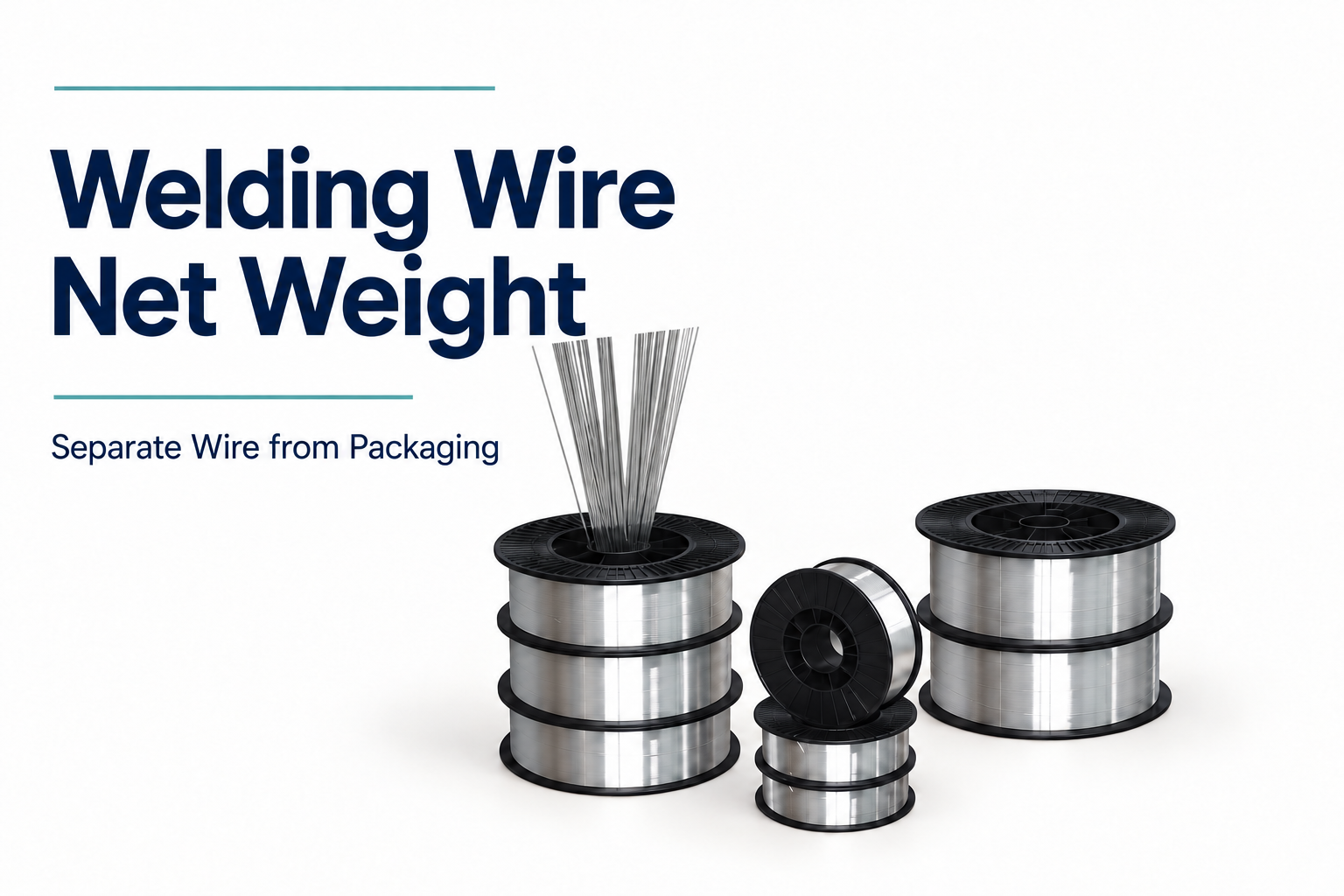
Welding Wire Net Weight: Separate Consum...
Oct 19, 2026
Two welding wire quotations can show the same number of kilograms and still describe different delivered quantities. One figure may refer to the wire itself, another to a filled sp...
-
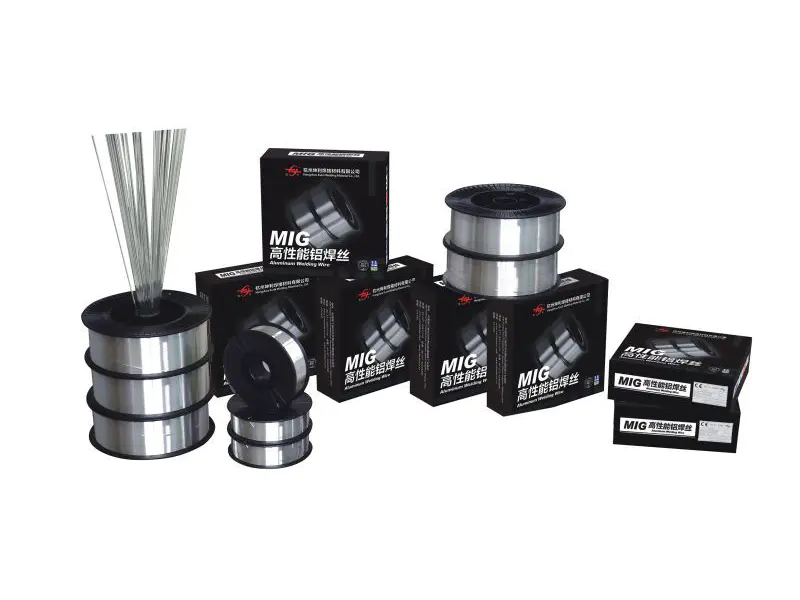
![5183 Aluminium MIG Wire for Aluminium Fabricators]()
How to Test Aluminum Welding Wire Qualit...
Oct 09, 2026
Why Test Wire Before It Reaches the Gun? The job is a simple one until the wire arrives: a 3 m length of 6061-T6 box section, a 1.2 mm spool of ER5356, and a MIG gun that has prod...
::: More Information About Aluminum MIG Wire & Aluminum TIG Wire :::
Industry Information Extension
Aluminum welding demands more than just advanced equipment—it relies heavily on the quality and compatibility of the filler wire. Whether the project focuses on structural strength, corrosion resistance, or surface appearance, selecting the right aluminum wire directly affects arc stability, weld penetration, and long-term durability. Understanding the characteristics of MIG and TIG aluminum wire helps fabricators choose materials that match their production environment and performance standards.
Aluminum MIG Wire
When working with aluminum, the choice of filler wire plays a major role in weld quality, arc stability, and final appearance. That’s why experienced fabricators often look to reliable Aluminum MIG Wire Manufacturers for consistent chemistry and smooth feeding performance. Aluminum MIG wire is commonly used in high-productivity environments such as automotive components, marine structures, and general fabrication. It offers fast deposition rates and works well with automated or semi-automated systems. High-quality MIG wire features precise diameter control, clean surface treatment to reduce feeding issues, and balanced alloy composition to match base materials like 4043 or 5356 series aluminum. Proper packaging, such as vacuum-sealed spools, also helps prevent contamination and moisture absorption, ensuring stable arc performance and minimizing porosity during welding.
Aluminum TIG Wire
For applications that demand greater control and cleaner weld beads, many buyers turn to trusted Aluminum TIG Wire Suppliers to source premium-grade filler rods. Aluminum TIG wire is widely used in aerospace parts, precision equipment, pressure vessels, and custom fabrication projects where appearance and weld integrity are critical. Compared to MIG wire, TIG wire is typically fed manually, allowing the welder to control heat input and filler addition more precisely. Quality TIG wire is characterized by straightness, uniform cut lengths, and a smooth, oxide-free surface that promotes stable arc initiation and minimal spatter. The correct alloy selection—whether for strength, corrosion resistance, or crack sensitivity—ensures compatibility with the base metal and long-term structural reliability.
Aluminum Alloy Series for Welding
Aluminum filler wires are typically classified by their alloy series, each designed to deliver specific mechanical properties and corrosion resistance. Common options include the 4000 and 5000 series, where 4043 and 5356 alloys are widely used for MIG welding, offering great flow characteristics and crack resistance. The 6000 series, often preferred in TIG applications, provides higher strength and is ideal for structural or aerospace components. Choosing the right alloy ensures proper fusion with the base metal, minimizes distortion, and maintains long-term durability. Many fabricators source these high-quality wires from reputable China Aluminum Alloy Wire Manufacturers, benefiting from precise chemical compositions, consistent diameters, and reliable surface treatments that enhance welding performance.

QUICK LINKS
POPULAR PRODUCTS
CONTACT US
-
Jianpu Road no.2 Puyang Town Xiaoshan District Hangzhou Zhejiang China 311255
-
+86-0571-82403878
-
+86-0571-82403208
-
rich@chinayinyu.com
