English
  Deutsch


Why Is ER5554 Welding Wire Used for Certain Aluminum Jobs
Article Directory
- 1 Why Does Aluminum Alloy Selection Matter When Choosing Welding Wire?
- 2 What Makes ER5554 Welding Wire Relevant to Specific Applications?
- 3 How Does Aluminum-Magnesium Composition Shape Filler Selection?
- 4 How Does ER5554 Compare With Other Aluminum Welding Wires?
- 5 What Role Does Joint Design Play in Welding Wire Selection?
- 6 How Do Welding Conditions Affect ER5554 Welding Wire Performance?
- 7 Why Does Wire Condition Matter During Aluminum Welding?
- 8 Where Can Specific Aluminum Welding Wires Be Used?
- 9 How Should Buyers Evaluate ER5554 for Production Use?
Aluminum welding looks pretty straightforward from a distance. The material's light, easy to shape, and shows up everywhere in structures where weight and corrosion actually matter to someone's bottom line. Pick the wrong welding wire, though, and the whole joining process can behave in ways nobody expected.
Different aluminum alloys carry different compositions and different practical demands. A filler wire that performs beautifully on one job might fall flat on another entirely. That's exactly why welders and purchasing teams tend to look past the broad category of "aluminum welding wire" and dig into the specifics instead.
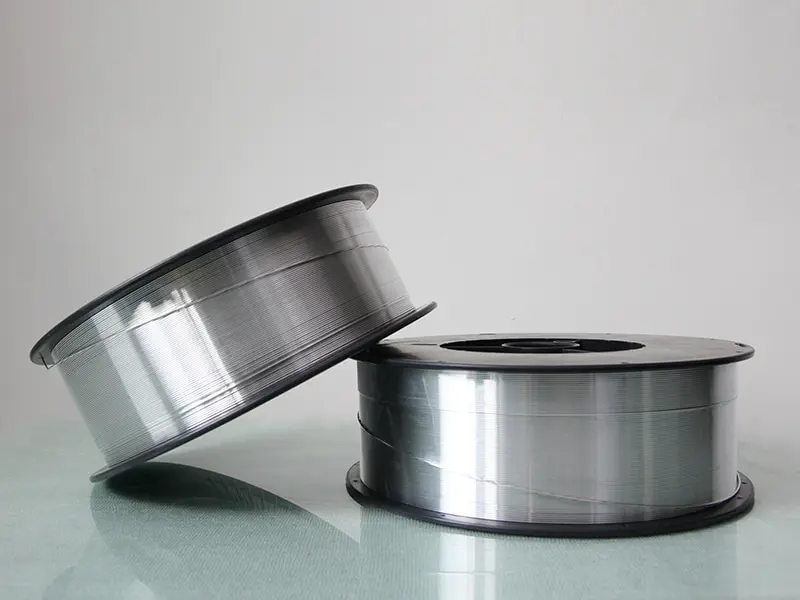
ER5554 Welding Wire is one option that gets pulled out for particular aluminum jobs. Whether it actually fits comes down to the base material, joint design, service environment, welding process, and whatever characteristics the finished joint needs to have.
Getting a handle on these factors makes wire selection a lot more deliberate. It also explains pretty clearly why aluminum welding can't just get treated as some one-size-fits-all process.
Why Does Aluminum Alloy Selection Matter When Choosing Welding Wire?
The base aluminum alloy ties directly into filler wire selection. The filler has to actually work with whatever material's being joined, rather than getting picked just because it's technically classified under "aluminum wire."
Aluminum alloys carry different alloying elements, and those differences shape how the material behaves once welding actually starts. The finished joint also needs to hold up for whatever it's actually being used for down the line.
A practical selection process tends to weigh:
| Selection Factor | Why It Matters |
|---|---|
| Base alloy | Determines compatibility with the filler |
| Joint structure | Influences how the weld is formed |
| Service environment | Affects the needs of the finished joint |
| Appearance | May matter for visible components |
| Post-weld requirements | Can influence filler selection |
The relationship between base material and filler carries extra weight when working on parts that'll see repeated use or sit exposed to the elements over time.
Rather than picking a wire in isolation, welders can start from the material spec and work their way outward toward the filler that actually fits.
What Makes ER5554 Welding Wire Relevant to Specific Applications?
ER5554 is an aluminum-magnesium welding wire built for particular alloy combinations and particular application needs. Its value comes from how it relates to compatible aluminum materials, not just from the name printed on the spool.
This filler makes sense once the base material and service requirements line up with what it's actually built to handle. That makes it a better fit for targeted jobs than for treating every aluminum welding task like it's identical.
Picking it out often involves questions like:
- What aluminum alloy is being joined?
- What kind of joint is required?
- Will the finished component face a demanding environment?
- Is appearance important?
- Does the application require a particular post-weld condition?
Questions like these help narrow down the available filler options fast.
A wire really should get chosen based on the whole application, since a filler that suits one aluminum alloy perfectly well might not suit another at all.
How Does Aluminum-Magnesium Composition Shape Filler Selection?
Aluminum-magnesium filler wires tend to come up when the base materials and service conditions call for exactly that kind of alloy combination.
Magnesium sitting in the filler shapes the characteristics of the deposited weld metal once it's laid down. That's one reason alloy composition carries real weight during wire selection, not just a footnote worth glossing over.
For a production team, the real point isn't just that a wire happens to contain magnesium. The filler needs to actually correspond with the base alloy and whatever the finished component demands.
That matters even more for jobs where environmental exposure and structural use are both baked into the design from the start.
| Consideration | Selection Question |
|---|---|
| Base material | Is the filler compatible with the alloy? |
| Alloy composition | Does the filler suit the intended joint? |
| Environment | Will the finished joint face moisture or exposure? |
| Fabrication method | Does the wire suit the planned welding process? |
| Finished appearance | Is the weld surface visually important? |
Factors like these build a much more useful framework for comparing aluminum welding wires against each other.
How Does ER5554 Compare With Other Aluminum Welding Wires?
Different aluminum welding wires get developed around different alloy families and different application demands.
4943 Aluminum Welding Wire, for instance, is another aluminum filler option that might get chosen when its particular characteristics line up with the base material and the weld condition someone's actually after.
The comparison shouldn't really boil down to which wire's generally better, either. A more useful question is which filler actually suits the specific materials and operating conditions in front of you.
| Welding Wire | General Selection Focus |
|---|---|
| ER5554 Welding Wire | Specific aluminum-magnesium applications |
| 4943 Aluminum Welding Wire | Applications suited to its alloy characteristics |
| Other aluminum fillers | Selected according to base alloy and joint needs |
Thinking about it this way helps steer clear of pointless product comparisons based purely on names.
A purchasing team really should look over the base material, application conditions, welding process, and relevant product requirements before settling on one filler wire over another.
What Role Does Joint Design Play in Welding Wire Selection?
The shape and position of a joint shapes how the filler actually gets introduced and how the weld develops from there.
A simple joint sets up a completely different working condition than one with tight access or some more complicated geometry. The welding wire has to work within whatever the actual fabrication process looks like on the shop floor.
Joint design tends to wrap in:
- Joint accessibility.
- Material thickness.
- Welding position.
- Joint preparation.
- Required weld appearance.
- Expected service conditions.
Factors like these can shape which filler makes sense and how the whole welding process gets organized around it.
Even with the right wire picked out, sloppy joint prep can make the welding job a lot harder than it needs to be. Clean material and proper fit-up still matter a great deal here.
The filler, then, is really just one piece of a much bigger welding system.
How Do Welding Conditions Affect ER5554 Welding Wire Performance?
Welding wire never really works in isolation from the equipment and environment surrounding it.
Welding current, how the wire feeds, shielding setup, travel movement, joint prep — all of it feeds into the final weld one way or another.
Rather than slapping one fixed setup onto every job, welders need to adjust the whole process based on the base alloy and joint design in front of them.
A practical production review might cover:
| Welding Condition | What to Observe |
|---|---|
| Wire feeding | Consistent delivery |
| Welding current | Suitable control for the joint |
| Shielding | Stable protection during welding |
| Travel movement | Consistent weld formation |
| Joint preparation | Clean and suitable surfaces |
| Equipment condition | Reliable operation |
The exact numbers depend on the welding equipment, material, joint, and application involved, so there's no universal setting worth memorizing here.
That's exactly why product selection and process setup really need thinking through together, not as two separate decisions made in isolation.
Why Does Wire Condition Matter During Aluminum Welding?
Aluminum welding can be quite sensitive to surface contamination and to how the material is handled before the welding process begins.
Welding wire needs storage and handling that keeps it safe from contamination, moisture, and unnecessary physical damage. Wire that's been stored poorly tends to cause trouble during feeding or welding down the line.
The same logic applies to the base material too. Aluminum surfaces need proper prep before welding starts, especially if the component's been sitting around or handled in conditions that could've introduced contaminants along the way.
Good material handling comes down to:
- Keeping wire protected before use.
- Checking the wire surface before installation.
- Maintaining suitable storage conditions.
- Keeping welding equipment clean.
- Preparing the aluminum surface before welding.
Simple stuff, sure, but it has a real, noticeable effect on how consistent production actually turns out.
A perfectly suitable filler can't make up for material that wasn't prepped properly beforehand.
Where Can Specific Aluminum Welding Wires Be Used?
Aluminum welding wires show up across plenty of manufacturing areas, but every single application still needs its own separate evaluation.
Whether ER5554 actually fits depends on whether its alloy characteristics line up with the base material and whatever service demands are in play.
Potential uses worth discussing span aluminum structures, fabricated components, transportation-related parts, and other products built around compatible aluminum alloys.
The key distinction worth drawing here is between product category and actual application.
An Aluminium Braided Wire, for example, sits in a completely different product category and shouldn't get treated as some interchangeable substitute for welding filler wire.
Physical construction and intended purpose are just different animals here, so buyers really need to nail down whether they're sourcing a welding filler or some other aluminum wire product entirely.
Clear product identification heads off purchasing mistakes and helps production teams pick materials based on what they're actually meant to do.
How Should Buyers Evaluate ER5554 for Production Use?
Purchasing decisions should really start with the application itself, rather than getting anchored to whatever's written in a product description.
Buyers can walk through the base alloy, joint design, welding process, storage conditions, and finished component requirements before settling on a filler wire.
For recurring production runs, consistency in wire quality and steady supply becomes worth factoring in too.
A practical evaluation might touch on:
| Evaluation Area | Buyer Focus |
|---|---|
| Alloy compatibility | Match the filler with the base material |
| Welding process | Confirm suitability for the equipment |
| Application | Consider the finished component |
| Wire handling | Review storage and feeding requirements |
| Production needs | Consider consistency between batches |
| Documentation | Confirm product identification and specifications |
Working through this builds a much clearer link between the filler wire and whatever manufacturing task it's actually meant for.
For jobs that genuinely suit ER5554, understanding its alloy family and how it relates to compatible aluminum materials sharpens the whole selection process considerably.
At the same time, weighing it against alternatives like 4943 Aluminum Welding Wire helps purchasing teams figure out which filler actually fits a specific production need, rather than just grabbing whatever falls under the broadest product category available.
NEXT:How Does Braided Aluminum Wire Construction Affect Flexibility