English
  Deutsch


What Welding Defects Can 4943 Aluminum Welding Wire Help Reduce
Article Directory
- 1 Why Filler Metal Can Influence Welding Defects
- 2 Can 4943 Aluminum Welding Wire Help Reduce Cracking Concerns?
- 3 How Filler Selection Can Affect Porosity
- 4 What Role 4943 Filler Plays in Weld Bead Control
- 5 Can Welding Wire Help Reduce Poor Fusion?
- 6 How 4943 Compares With Other Aluminum Filler Choices
- 7 What Connects Silicon Aluminum Filler Metal and Defect Reduction
- 8 Where Aluminium Braided Wire Products Fit Into Aluminum Welding
- 9 How Manufacturers Can Reduce Welding Defects Through Better Material Matching
A welder stepping back from a finished aluminum joint, only to find pores scattered across the bead or a hairline crack running along the toe, knows that frustration all too well. Aluminum welding can turn genuinely frustrating when a finished joint shows pores, cracks, poor fusion, or an uneven bead after the work looked complete just minutes earlier. These problems aren't always caused by the welder alone, either. Filler selection, material condition, joint preparation, heat control, and shielding conditions can all shape the result in ways that aren't obvious until the joint's already cooled.
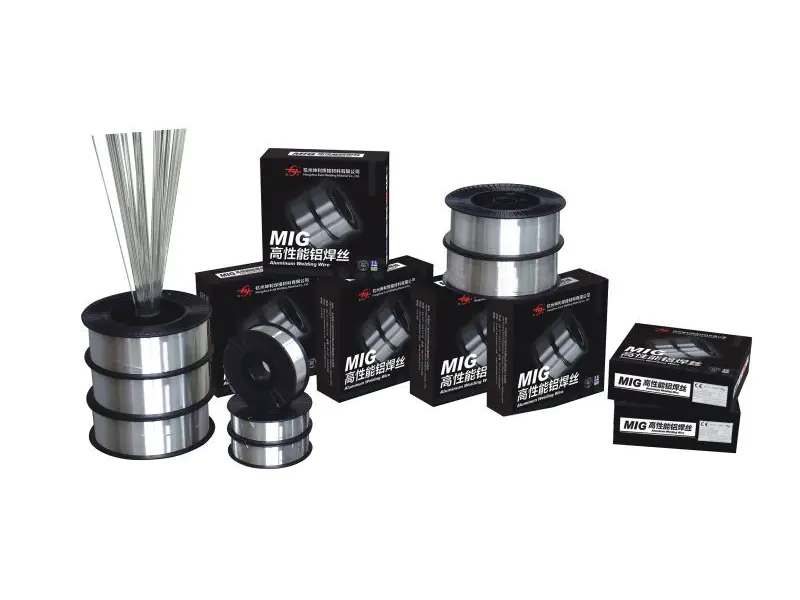
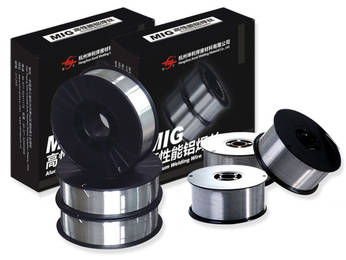
4943 Aluminum Welding Wire gets used in aluminum welding applications where filler selection is meant to support a stable, workable weld. Its characteristics can help address certain common welding concerns, particularly when the filler gets matched correctly with the base material and welding process in front of the welder.
For manufacturers, fabricators, and maintenance teams, the important question isn't whether one filler can wipe out every welding defect on its own. It's how the filler contributes to reducing specific problems when the complete welding procedure is actually controlled properly from start to finish.
Why Filler Metal Can Influence Welding Defects
A filler metal becomes part of the finished weld itself, not just a temporary ingredient that disappears. Its composition and behavior during welding affect how the molten material flows, solidifies, and interacts with the base aluminum underneath it.
This means filler selection connects to weld quality from the very beginning of the job, not just at the finishing stage.
A suitable filler helps create a more manageable weld pool and supports a consistent finished joint. An unsuitable match can make the whole welding process harder to control, especially when the base material, joint design, and working conditions don't get considered together as one system.
Common welding concerns include:
| Welding Concern | Factors That May Influence It |
|---|---|
| Porosity | Surface condition, shielding, moisture, welding practice |
| Cracking | Filler compatibility, joint design, heat control |
| Poor fusion | Surface preparation, heat input, travel technique |
| Irregular bead | Filler flow, welding movement, process control |
| Excessive spatter | Process settings, material condition, filler choice |
| Incomplete filling | Joint preparation, filler feeding, operator control |
The filler is only one piece of this whole picture, though. Even a well-matched wire can't compensate for contaminated surfaces, unsuitable welding conditions, or poor shielding. The practical approach treats filler selection as one part of defect prevention, not as some standalone fix on its own.
This matters especially for aluminum, since the material behaves differently from a lot of commonly welded steels. Surface preparation and heat management deserve close attention here that a steel job might not demand quite as much.
Can 4943 Aluminum Welding Wire Help Reduce Cracking Concerns?
Cracking is one of the welding defects that causes serious concern because it can show up during inspection or appear only after the joint's already cooled and the job looks finished.
The relationship between cracking and filler selection gets complicated fast. Aluminum alloy families carry different welding characteristics from one to another, and the filler needs genuine compatibility with the base material and intended application.
4943 aluminum filler often gets considered when welders want a filler option that provides useful weld characteristics for suitable aluminum applications. Its composition is built around aluminum welding requirements and can influence the solidification behavior of the weld metal as it cools.
That said, the choice shouldn't rest on the filler designation alone.
Joint geometry, base material, thermal conditions, cleanliness, and welding technique all affect cracking risk in their own way. A filler that works well for one aluminum combination might not suit another combination at all.
For this reason, buyers should identify the base alloy and intended application before selecting a wire, rather than working backward from the wire itself. The filler contributes to a suitable welding system, but it doesn't replace proper joint preparation and process control on the shop floor.
How Filler Selection Can Affect Porosity
Porosity shows up when gas gets trapped in the weld metal during solidification, creating small voids within the finished joint that can affect its appearance or mechanical performance down the line.
When welders encounter porosity, filler metal often becomes an immediate suspect. The actual cause, however, may come from another part of the welding process entirely.
Aluminum welding tends to be sensitive to contamination and moisture in a way that catches people off guard. Dirt, oil, oxidation, or poor shielding conditions can introduce problems that changing the filler wire alone simply won't solve.
A suitable filler supports a stable welding process, but good preparation remains essential regardless of which wire is loaded on the spool.
Before welding, manufacturers can pay attention to:
- Cleanliness of the base material
- Condition of the filler wire itself
- Storage of welding materials in the shop
- Shielding around the weld area
- Consistency of the welding process
- Preparation of the joint before the arc starts
These factors work together as a system. A clean joint with suitable filler and controlled shielding creates a better environment for producing a sound weld than a process leaning on filler selection alone to carry the whole job.
This is exactly why defect reduction tends to succeed more often when the entire welding workflow gets reviewed, not just the wire on the reel.
What Role 4943 Filler Plays in Weld Bead Control
The appearance of a weld bead can tell a welder a lot about how the process is actually behaving underneath the surface.
An uneven bead can result from inconsistent movement, unstable material flow, unsuitable heat conditions, or a mismatched filler combination. A filler metal that flows in a predictable way makes it a lot easier for the operator to maintain a consistent weld shape pass after pass.
This doesn't mean 4943 filler automatically produces an even bead on its own, though. Operator technique still matters enormously. Torch position, travel movement, material preparation, and process control all shape the finished result together.
The practical value of a suitable filler is that it works with these factors rather than creating additional difficulties on top of them.
For production environments, consistency matters especially. A process producing similar weld characteristics from one joint to the next is a lot easier to monitor and adjust when something starts drifting.
This is where filler selection becomes part of process planning rather than an afterthought. Instead of picking a wire only because it's labeled for aluminum, welding teams can consider how it actually behaves with the specific base material, joint design, and production method in front of them.
Can Welding Wire Help Reduce Poor Fusion?
Poor fusion happens when the weld metal doesn't properly join with the surrounding material, leaving a joint that looks fine on the surface but lacks real strength underneath.
The causes vary quite a bit. Insufficient heat, surface contamination, incorrect torch movement, unsuitable joint preparation, and poor control of the molten area can all contribute to the problem.
Filler wire can't independently correct these conditions on its own. The behavior of the filler can still influence how easily the operator manages the weld pool, though. A suitable filler supports smoother material addition and makes it easier to maintain a continuous joint throughout the pass.
When selecting 4943 Aluminum Welding Wire, the base aluminum should therefore get considered alongside the welding process as a whole, not in isolation.
A useful evaluation can include:
- Identify the aluminum alloy being joined
- Review the joint design carefully
- Check the surface condition before starting
- Select a compatible filler
- Maintain suitable shielding throughout the pass
- Observe the weld pool during operation
- Inspect the finished joint once it's cooled
This process keeps the filler in its proper role within the larger job. It's an important material choice, sure, but the finished weld depends on the interaction of several variables working together, not the wire alone.
How 4943 Compares With Other Aluminum Filler Choices
Different aluminum fillers suit different welding situations, and a buyer shouldn't assume one wire is interchangeable with every other aluminum filler on the shelf.
For example, 5183 Aluminium Mig Wire Welding might get considered for applications where that filler's characteristics genuinely suit the base material and joint requirements. Other aluminum filler metals can serve different purposes entirely.
| Filler Category | Selection Consideration |
|---|---|
| 4943 aluminum filler | Suitable base material and application compatibility |
| 5183 aluminum filler | Base alloy, joint requirements, and intended weld properties |
| Silicon aluminum filler | Application compatibility and desired weld behavior |
| Other aluminum fillers | Specific material and process requirements |
The comparison should focus on suitability rather than assuming one filler works universally across every job that comes through the shop. For manufacturers, this matters especially when purchasing welding consumables in larger quantities. The wire needs to match the actual materials being processed, rather than getting selected purely because it's commonly used for aluminum jobs in general.
Application information helps suppliers recommend a more appropriate option instead of a generic guess.
What Connects Silicon Aluminum Filler Metal and Defect Reduction
Silicon Aluminum Filler Metal is another category that shows up a lot in aluminum welding discussions around the shop.
Silicon-containing aluminum fillers get used in applications where their characteristics suit the base material and desired welding behavior. The presence of silicon influences how the weld metal behaves as it forms and solidifies through the cooling process.
That can matter a lot when welders are evaluating cracking behavior, bead appearance, and general weldability on a given job.
That said, the term "Silicon Aluminum Filler Metal" covers a range of products and applications, not one single wire. The specific filler should always get selected according to the base material and welding requirements at hand.
Defect reduction deserves careful framing here too. A filler can help create a more suitable weld composition, but problems like contamination, excessive heat, poor shielding, and incorrect joint preparation remain entirely possible regardless of the filler chosen.
The practical question isn't simply whether a silicon-containing filler can reduce a defect. It's whether the complete filler and welding process are genuinely matched to the job. That distinction prevents unrealistic expectations creeping into material selection down the line.
Where Aluminium Braided Wire Products Fit Into Aluminum Welding
Aluminium Braided Wire is a related aluminum wire product, but it shouldn't automatically get treated as interchangeable with welding filler wire, even though the names sound similar at a glance.
Braided aluminum wire is used in applications where flexibility, electrical conductivity, or repeated movement matters. Its construction and intended purpose differ considerably from welding consumables designed for torch-based work.
This distinction matters for purchasing teams because similar terminology can create real confusion at order time.
Welding filler wire gets selected to become part of a weld joint permanently. A braided wire product is designed around a completely different application purpose entirely.
| Product Type | Typical Selection Focus |
|---|---|
| Aluminum welding wire | Welding process and base material compatibility |
| Aluminium Braided Wire | Flexibility and application-specific electrical use |
| Silicon Aluminum Filler Metal | Welding compatibility and filler behavior |
| Aluminum MIG filler | Welding process and joint requirements |
Keeping these product categories separate helps prevent unsuitable substitutions from slipping through on a purchase order. For welding operations, buyers should verify the intended use of the product before placing an order. Product naming alone often doesn't carry enough information to make that call safely.
How Manufacturers Can Reduce Welding Defects Through Better Material Matching
Defect reduction usually starts well before the welding torch ever switches on for the day.
Manufacturers can review the complete material combination and production process before selecting a filler at all. Doing this early helps identify potential problems a lot sooner, before they show up in a finished joint.
A practical material-matching process can include the following areas:
Base material. Identify the aluminum alloy and understand whether the selected filler is appropriate for that specific material.
Joint design. Consider how the pieces meet and how the weld will actually form between them.
Surface condition. Make sure contamination and unwanted surface material get addressed before welding starts.
Filler condition. Store and handle the welding wire properly so unnecessary contamination doesn't creep in before it's even used.
Welding process. Use a process suitable for the materials and joint being produced, rather than a generic default setting.
Inspection. Check the finished weld for visible irregularities and other signs that the process needs adjustment going forward.
This approach gives manufacturers a clearer path toward consistent production run after run. It also helps separate filler-related problems from problems caused by other parts of the welding operation entirely, which matters a lot when troubleshooting a recurring defect.
For buyers comparing 4943 Aluminum Welding Wire, 5183 Aluminium Mig Wire Welding, and other aluminum filler options, the useful question isn't which wire can handle every welding defect. It's which filler suits the base material, joint design, welding process, and production conditions involved in the specific job.
A properly matched filler can contribute to reducing concerns such as cracking, poor bead formation, and inconsistent fusion, while preparation, shielding, heat control, and operator technique remain essential parts of that same welding system working together.
NEXT:How Do Aluminum Welding Wire Types Differ Across Fabrication Processes