English
  Deutsch


How Do Aluminum Welding Wire Types Differ Across Fabrication Processes
Article Directory
- 1 Why Aluminum Welding Wire Selection Matters
- 2 How Different Aluminum Welding Wires Fit Different Fabrication Needs
- 3 How the Fabrication Process Influences Wire Choice
- 4 What Makes 4943 Aluminum Welding Wire Different From Other Options
- 5 When Is 5183 Aluminium Mig Wire Welding Considered?
- 6 What Silicon Aluminum FillER Metal Is Used For
- 7 How Aluminium Braided Wire and Braided Aluminum Wire Differ From Welding Wire
- 8 How Base Material Compatibility Affects Aluminum Welding Wire Selection
- 9 How Manufacturers Can Organize Different Aluminum Wire Types
- 10 What Buyers Should Check Before Ordering Aluminum Welding Wire
A welder standing at a bench, staring at three spools of aluminum wire that all look nearly identical, knows exactly how confusing filler selection can get without the right context. Aluminum fabrication can look straightforward from a distance. A joint gets prepared, filler material is added, and two metal parts become one connected structure. In practice, the choice of wire can change how the work feels at the torch and how the finished joint actually behaves once it's cooled and under load.
Different aluminum alloys respond differently during fabrication. The base material, joint design, welding method, surface condition, and intended use all influence filler selection in ways that aren't always obvious upfront. A wire that suits one application may not be the right fit for another sitting on the same shelf.
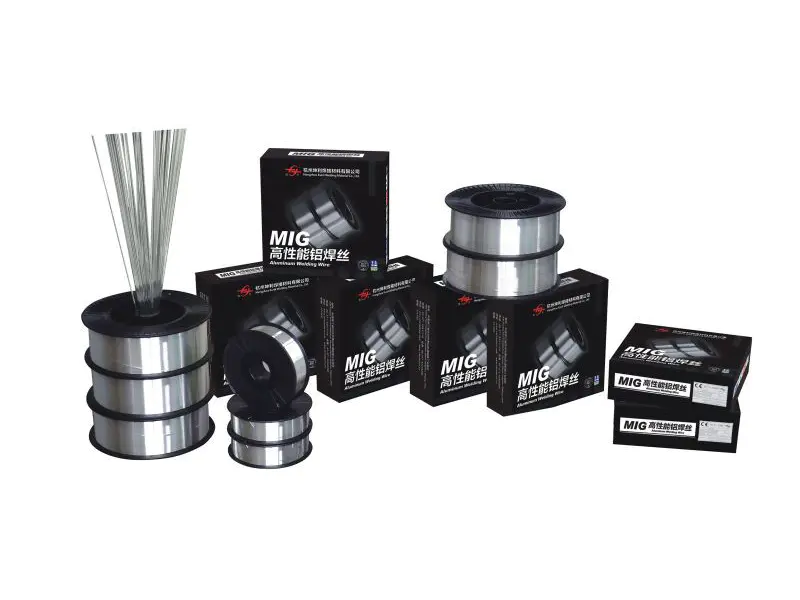
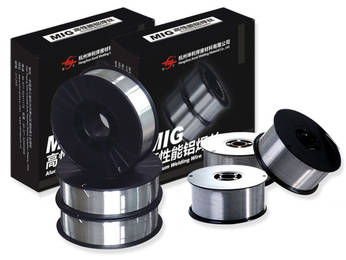
This is why aluminum welding wire should get considered as part of a complete fabrication process, not a single line item. The choice isn't simply about finding a wire that can melt and join aluminum in the moment.
The word "aluminum wire" can also refer to products used well outside welding entirely. Aluminium Braided Wire and Braided Aluminum Wire, for example, are associated with flexible electrical and connection applications, rather than filler metal for welded joints. Mixing these categories up during a supply order is a common and avoidable headache.
Understanding these differences helps fabricators, purchasing teams, and manufacturers make more informed material choices before the torch ever gets lit.
Why Aluminum Welding Wire Selection Matters
Aluminum gets used across many fabrication environments because it combines useful strength, light weight, and resistance to everyday environmental exposure. Yet different aluminum materials don't all behave the same way once they hit the weld pool.
The filler wire becomes part of the joint itself, not just a tool for getting there. Its composition can affect how the weld forms, how the joint looks once ground and cleaned, and how the finished area interacts with the surrounding base material over years of service.
Several factors can influence selection:
- The aluminum alloy being joined
- The fabrication method
- The desired appearance of the joint
- The shape and location of the weld
- The expected service environment
- The need for post-weld finishing
- The production process used by the fabricator
A purchasing decision based only on wire availability on the shelf can create unnecessary problems later, sometimes well after the part has shipped.
For manufacturers handling different product lines, it can help separating filler materials according to their intended fabrication roles from the start.
| ConsiderationWhy It Matters | |
|---|---|
| Base material | Different alloys may require different filler choices |
| Fabrication process | Wire behavior needs to suit the welding method |
| Joint design | Joint shape can influence filler selection |
| Surface condition | Clean material supports more consistent welding |
| Final use | The finished joint needs to suit its environment |
| Production needs | Material handling affects workflow |
This broader view makes aluminum wire selection a lot easier to understand on the floor.
How Different Aluminum Welding Wires Fit Different Fabrication Needs
Not all aluminum welding wires get designed around the same purpose, even when they sit next to each other in a supply catalog.
ER5554 Welding Wire, 4943 Aluminum Welding Wire, and 5183 Aluminium Mig Wire Welding represent different approaches within the aluminum filler material family. They may get considered for different base materials and fabrication requirements depending on the job at hand.
The important point is that the filler should get matched to the application, rather than selected simply because it's an aluminum product sitting in stock.
ER5554 Welding Wire
ER5554 Welding Wire is associated with applications where the filler needs to work with particular aluminum alloy families and service requirements specific to that combination.
Material compatibility matters here more than almost anything else. The base metal should get identified before the filler is selected, not after the weld is already laid down.
The choice may also depend on the desired balance between joint properties, appearance, and fabrication conditions on that particular line.
4943 Aluminum Welding Wire
4943 Aluminum Welding Wire is another filler option used in aluminum fabrication, and one that often gets confused with its neighbors on the shelf.
Its use can be attractive in situations where fabricators are looking for a filler that behaves differently from other commonly used aluminum wires. The exact suitability still depends on the base material and the intended application, not the wire's reputation alone.
The important consideration remains the relationship between filler and base metal, every time.
5183 Aluminium Mig Wire Welding
5183 Aluminium Mig Wire Welding is commonly associated with aluminum fabrication where the filler needs to match the requirements of the material being joined on a production line.
The welding process itself also matters quite a bit here. MIG welding involves continuous wire feeding, so the wire needs to work well with the feeding system and the chosen fabrication workflow, not just perform well in a static test.
These materials shouldn't get treated as interchangeable simply because they're all aluminum welding wires sitting in the same storage area.
How the Fabrication Process Influences Wire Choice
The welding process changes the way filler wire actually gets handled on the floor.
A wire used in a manual fabrication environment may get managed quite differently from one used in a repetitive production line running the same joint hundreds of times a day. The feeding system, operator technique, joint position, and preparation method all influence the practical experience of using that wire.
MIG welding is particularly dependent on consistent wire feeding through the gun. The wire moves through the equipment and into the welding area continuously, without pause. Poor handling can interrupt the process and make the work a lot less predictable for the operator standing there.
The fabrication environment can therefore influence purchasing decisions well before the wire ever arrives.
A workshop may need to consider:
- How the wire will be stored
- How it will be loaded into the equipment
- How consistently it feeds
- How operators access different wire types
- How quickly material changes are required
- How finished joints will be inspected
The wire itself is only one part of the process, not the whole story. A suitable filler can still produce inconsistent results if the base material is dirty, the equipment is poorly maintained, or the joint hasn't been prepared properly beforehand.
What Makes 4943 Aluminum Welding Wire Different From Other Options
4943 Aluminum Welding Wire deserves separate attention because filler selection stays closely connected to the base material and desired joint characteristics, not a generic label.
Fabricators may encounter situations where several aluminum filler options appear suitable at a glance, sitting side by side on a rack. This can make selection genuinely confusing without a clear process to follow.
The answer isn't always choosing the wire that's easiest to source that afternoon.
Instead, the material combination should get considered as a whole.
Questions may include:
- What aluminum alloy is being joined?
- Is the joint intended for structural or general fabrication use?
- Will the finished part be visible?
- Will the joint require additional finishing?
- Is the fabrication manual or production-based?
- Does the filler fit the welding equipment already in use?
This approach reduces the chance of treating filler wire as a generic consumable that gets swapped without a second thought.
For purchasing teams, product documentation from the manufacturer should get checked carefully every time. Material names can look genuinely similar on paper while their intended applications differ quite a bit underneath.
The same principle applies when changing from one filler to another mid-project. A wire substitution should get evaluated against the base material and fabrication process, rather than assumed to be equivalent just because both spools say "aluminum."
When Is 5183 Aluminium Mig Wire Welding Considered?
5183 Aluminium Mig Wire Welding can get considered when the filler and base metal combination genuinely suits the fabrication requirement at hand.
The term itself points to both the material and the welding method used with it. MIG fabrication often gets chosen when a continuous welding process fits the production workflow already running on the floor.
This can make wire handling particularly important to get right.
The filler must travel through the equipment smoothly, without snagging or feeding unevenly. Storage and handling also matter here, because aluminum wire can be affected by contamination and poor storage conditions more easily than people expect.
A practical workflow may include:
| StageFabrication Consideration | |
|---|---|
| Material preparation | Keep the joint area clean |
| Wire selection | Match filler to the base material |
| Equipment setup | Ensure the wire feeding system suits the material |
| Welding | Maintain consistent handling |
| Joint inspection | Look for visible changes or defects |
| Finishing | Consider how the joint will be treated afterward |
The goal is making the filler part of a controlled process, rather than an isolated purchasing item picked off a list.
What Silicon Aluminum FillER Metal Is Used For
Silicon Aluminum FillER Metal is another useful term within aluminum joining worth understanding on its own.
Silicon-containing aluminum filler materials can get selected for certain fabrication situations, because filler composition affects how the material behaves during joining in ways that show up in the finished bead.
The choice still needs to reflect the base metal and intended use, not just the silicon content on a spec sheet.
A fabricator should avoid assuming any silicon aluminum filler can get used for every aluminum joint that comes across the bench.
The surrounding conditions matter a lot here. For example, a manufacturer producing decorative aluminum components may approach filler selection quite differently from a company producing equipment components meant to sit hidden inside a machine. One may pay more attention to joint appearance and finishing, while another may focus more heavily on compatibility with the base material and production workflow.
Silicon Aluminum FillER Metal is better understood as part of a broader material selection process rather than as a single solution. The name refers to a material family, not one universal option for every fabrication task.
How Aluminium Braided Wire and Braided Aluminum Wire Differ From Welding Wire
The word "wire" can cause genuine confusion because not every aluminum wire product gets designed for welding at all.
Aluminium Braided Wire and Braided Aluminum Wire are commonly associated with flexible electrical connections and other applications where flexibility matters more than fusion. These products are quite different from welding filler wire in both purpose and construction.
Welding wire gets consumed during the joining process, melted into the joint itself. Braided Aluminum Wire generally gets used as a finished conductive or flexible component that stays intact throughout its service life.
The manufacturing processes are therefore genuinely different from each other.
| Wire TypeGeneral Application | |
|---|---|
| Aluminum welding wire | Joining aluminum components |
| Aluminium Braided Wire | Flexible electrical applications |
| Braided Aluminum Wire | Conductive and flexible connections |
| Aluminum filler metal | Joining and fabrication processes |
This distinction proves useful for purchasing departments, because a product search containing "aluminum wire" can return very different product categories on the same page.
The intended use should always get established before ordering, not discovered after the shipment arrives.
A fabrication company may purchase welding wire for production, while an electrical equipment manufacturer down the hall may require Braided Aluminum Wire for a completely different purpose entirely.
Treating both as interchangeable would create an obvious material mismatch that shows up fast on the shop floor.
How Base Material Compatibility Affects Aluminum Welding Wire Selection
Compatibility plays a central role in aluminum welding decisions.
The filler becomes part of the finished joint permanently, so its relationship with the base metal matters throughout the part's service life, not just during welding.
A fabricator should identify the base material before choosing between options such as ER5554 Welding Wire, 4943 Aluminum Welding Wire, or other aluminum fillers sitting on the same rack.
The decision can involve several considerations.
Base alloy. Different aluminum alloys have genuinely different characteristics. The filler needs to suit the material actually being joined, not a similar-looking alternative.
Joint purpose. A joint used in a visible product may have different requirements from one used inside a machine housing where nobody will ever see it.
Surface condition. Aluminum surfaces can collect contaminants easily. Proper preparation helps create a more consistent fabrication process from the initial pass.
Finishing requirements. Painting, polishing, machining, or other finishing steps may influence the preferred filler choice down the line.
Production method. The selected filler needs to work with the welding equipment and operator workflow already established on that line.
These factors can narrow the material choices considerably once they're all laid out together.
How Manufacturers Can Organize Different Aluminum Wire Types
Companies working with several aluminum products can benefit from separating wire categories according to their actual use, rather than storing everything together because it's all aluminum.
A simple material management system can prevent welding wire from getting mixed with non-welding aluminum wire on the same shelf.
For welding materials, storage areas can get organized according to filler type and intended fabrication process. Labels should make the application clear at a glance, not just the alloy number.
This proves particularly useful when a facility handles several aluminum alloys across multiple production lines at once.
A purchasing department can also maintain a material reference connecting:
- Base material
- Suitable filler categories
- Welding process
- Product application
- Supplier information
- Storage requirements
This approach makes material selection a lot easier for both production and purchasing teams working from the same reference. It also reduces the chance that a familiar product name will get used for an unrelated application by mistake.
What Buyers Should Check Before Ordering Aluminum Welding Wire
Buyers should look well beyond the product name printed on the spool.
A material may appear suitable based on a general description, but the actual application should get checked carefully before any order goes through.
Useful questions include:
- What base aluminum alloy will be joined?
- Which welding process will be used?
- Is the wire intended for manual or production work?
- What type of equipment will feed the wire?
- What finish will the joint receive?
- What type of service will the finished component experience?
- How will the wire be stored before use?
Documentation from the supplier can help confirm material compatibility and intended use before the wire ships.
For manufacturers working across different fabrication processes, keeping separate purchasing specifications can also reduce accidental substitutions down the line.
This becomes particularly useful when the company uses ER5554 Welding Wire for one production line, 4943 Aluminum Welding Wire for another, and 5183 Aluminium Mig Wire Welding for a different application entirely, all under one roof.
Each material can then get evaluated according to the job it's actually doing, rather than treated as a general-purpose aluminum wire interchangeable with the rest.
Aluminum wire selection becomes clearer once fabrication process, base material, joint purpose, handling method, and final application get considered together as one picture. ER5554 Welding Wire, 4943 Aluminum Welding Wire, 5183 Aluminium Mig Wire Welding, and Silicon Aluminum FillER Metal can occupy different roles within an aluminum welding material system, while Aluminium Braided Wire and Braided Aluminum Wire belong to a separate category of aluminum wire applications entirely. This distinction helps manufacturers organize materials around actual production needs, instead of choosing products based only on the word "aluminum" printed on the label.
NEXT:What Welding Conditions Matter for 5183 Aluminium Mig Wire