English
  Deutsch


What Welding Conditions Matter for 5183 Aluminium Mig Wire
Article Directory
- 1 Why Do Welding Conditions Matter When Using 5183 Aluminium Mig Wire?
- 2 How Does Welding Current Affect the Process?
- 3 What Equipment Settings Should Operators Pay Attention To?
- 4 Why Does Welding Position Change the Working Conditions?
- 5 How Does Wire Condition Affect Welding Consistency?
- 6 What Role Does Surface Preparation Play?
- 7 How Does the Welding Environment Influence Results?
- 8 How Should Operators Adjust Welding Movement?
- 9 What Problems Can Appear When Conditions Are Not Well Matched?
- 10 How Can Production Teams Maintain More Consistent Welding Conditions?
From a distance, welding aluminum looks simple enough — feed the wire, strike the arc, move along the seam. Step onto a real production floor, though, and you'll notice how many small variables are quietly shaping the outcome. Material prep, machine settings, the angle you're working at, the state of the wire itself, even the air in the room — all of it plays a part.
The pattern shows up more clearly once welding becomes repetitive. A configuration that runs beautifully on one joint might behave completely differently the moment thickness, joint geometry, or working posture shifts. Relying on a single fixed setup rarely holds up; operators end up reacting to whatever the joint throws at them.
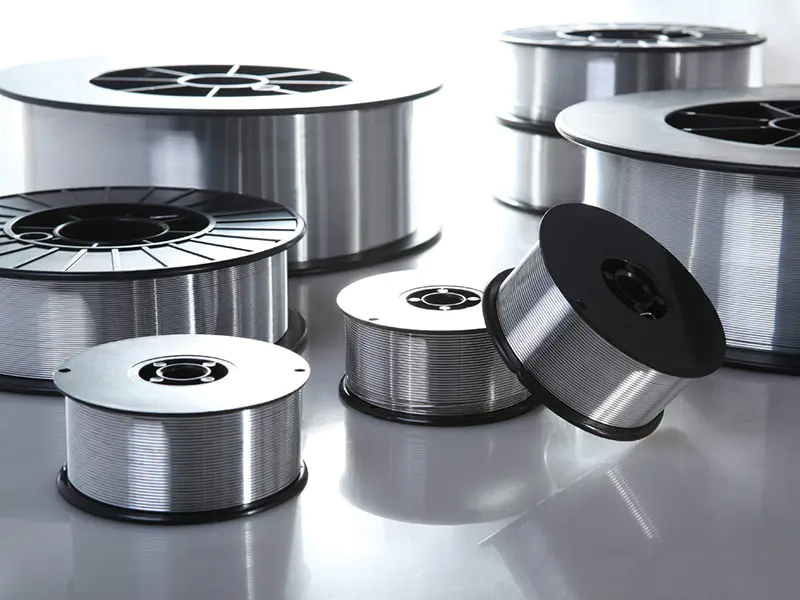
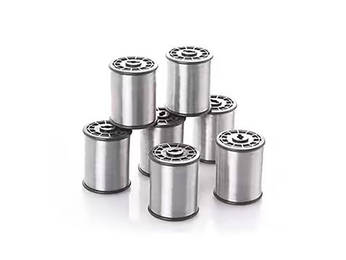
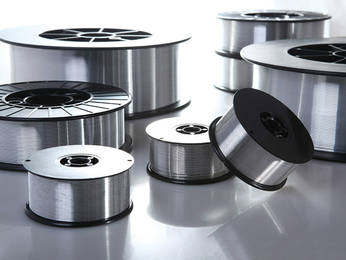
Filler wire choice fits into this picture too. 5183 Aluminium Mig Wire gets selected for jobs where its properties line up with the aluminum grade and the demands of the joint. But picking the right wire doesn't do the work by itself — how the operation is set up and managed still carries a lot of weight.
Getting a feel for how wire and working conditions interact tends to help teams catch trouble early and keep the weld quality from drifting.
Why Do Welding Conditions Matter When Using 5183 Aluminium Mig Wire?
Conditions on the floor dictate how the wire melts, how the puddle behaves, and frankly, how much control the operator actually has over the process.
Even a well-matched wire won't save you from bad prep. Contaminated surfaces or a poorly tuned machine can throw the whole process off balance, regardless of how appropriate the wire itself is.
A handful of factors interact here, often at the same time.
| Welding Factor | Possible Influence |
|---|---|
| Welding current | Affects how the wire melts |
| Equipment settings | Influence arc behavior and wire feeding |
| Welding position | Changes control of the molten material |
| Wire condition | Can affect feeding and welding consistency |
| Surface preparation | Helps reduce contamination-related problems |
| Environment | Can influence shielding and operator control |
It helps to treat these as one connected system rather than isolated checkboxes.
Chasing welding problems as if they were single-setting fixes rarely gets teams very far. Tweak one variable, and something else down the line often needs attention too.
How Does Welding Current Affect the Process?
The current you dial in has a fairly direct line to how the wire behaves once the arc is running. Mismatch it against the joint or the base material, and the process gets harder to manage almost immediately.
Push too much heat into the joint and the shape and finish suffer. Not enough heat, on the other hand, and holding a stable weld becomes a struggle.
What counts as the right setting shifts depending on the workpiece, the joint design, the position you're welding in, the machine, and the production method being used. No single number works everywhere.
Watch for the practical warning signs. An arc that won't settle, wire melting unevenly, spatter everywhere, or a weld bead that keeps changing shape — these usually mean the current, or something tied to it, needs a second look.
During 5183 Aluminium Mig Wire Welding, current shouldn't be adjusted in isolation. Wire feed speed and travel movement need to be considered right alongside it. Turning one dial while ignoring the others rarely solves the real problem.
A process that behaves consistently usually comes down to several settings working in concert, not one heroic adjustment.
What Equipment Settings Should Operators Pay Attention To?
Equipment settings sit at the intersection of machine, wire, and operator. Feed speed, arc stability, and shielding all need to cooperate for things to run smoothly.
If the wire hesitates or catches on its way through, the operator feels it immediately — interruptions, uneven beads, a process that just doesn't feel right from one joint to the next.
Before production starts, it's worth walking through the equipment. Check that the wire path is clean and correctly assembled. The contact tip and surrounding components deserve a look too.
A few spots worth checking regularly:
- Wire feeding path
- Contact components
- Welding torch
- Shielding gas connection
- Ground connection
- Control settings
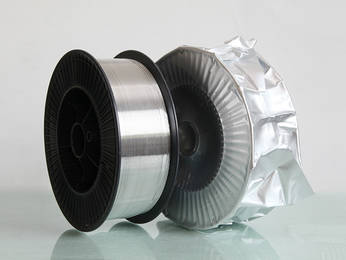
- Wire spool installation
Machines wear down gradually, not all at once. Grime, minor wear, or a part that's slightly misassembled might not announce itself until you're mid-weld.
Routine inspection keeps equipment issues from being mistaken for a wire quality problem — a mix-up that happens more often than people expect.
Why Does Welding Position Change the Working Conditions?
Welding in a comfortable stance is a different experience than working somewhere cramped or awkward. Hand movement, sightlines, torch angle, control over the molten pool — position changes all of it.
Flat welding tends to give the operator a fairly direct hold on the process. Vertical or overhead work demands more careful, deliberate movement. Tight spaces can make even holding the torch steady a challenge.
None of this means one position works for every job. Teams need to pick their approach based on where the joint sits and what shape it takes.
Travel speed and torch movement often need adjusting the moment position changes. Machine settings might need a second glance too.
Working with 5183 Welding Wire across different positions is about more than grabbing the right filler material. The method itself has to bend to match the physical realities of the joint.
Time on the tools, more than anything, is what builds an operator's feel for these shifts.
How Does Wire Condition Affect Welding Consistency?
Wire condition feeds directly into how smoothly it moves through the gun and how the weld actually turns out. Aluminum wire is sensitive stuff — it needs proper storage and handling, because contamination or surface damage will show up in the finished weld.
Dust, moisture, whatever else happens to be floating around — any of it can work its way into the process if the wire isn't stored with some care. Physical damage to the wire itself can also throw off feeding.
Storage areas should stay clean and suited to welding consumables. Spools left sitting out unnecessarily are asking for trouble.
Before starting a job, a quick look at the spool for obvious problems is worthwhile. So is checking whether the wire glides through the feeding system without resistance.
| Wire Condition | Potential Production Concern |
|---|---|
| Clean surface | Supports stable feeding |
| Contaminated surface | May affect weld consistency |
| Damaged wire | Can interfere with feeding |
| Poor storage | May expose wire to unwanted conditions |
| Improper spool installation | Can affect wire movement |
These checks take a couple of minutes but pay off. A wire issue won't always be visible sitting on the spool — sometimes it only reveals itself once the arc is running.
What Role Does Surface Preparation Play?
The state of the aluminum surface has outsized influence on how the weld turns out. Oil, dirt, moisture, oxide layers — any of these can interfere with the process in ways that are hard to fix after the fact.
Cleaning needs to match the material and the job at hand. It's better to prep the surface properly beforehand than to hope the arc will burn through whatever's left behind.
Joint fit-up matters just as much. Poor alignment or an inconsistent gap makes it that much harder for the operator to hold a steady line.
Starting from a clean, well-aligned workpiece gives the operator something predictable to work with.
That predictability becomes especially valuable on repeat jobs, where consistent prep cuts down on part-to-part variation.
Operators should also watch that they don't recontaminate a prepped surface while handling it. Clean gloves, the right tools, and a tidy workspace all help preserve that surface condition right up until the arc starts.
How Does the Welding Environment Influence Results?
Even with equipment and material dialed in, the surroundings can still throw a wrench into things.
Air movement deserves particular attention — it can disturb the shielding gas around the weld pool without anyone noticing right away. Outdoor jobs, open bays, strong ventilation systems — all of these can introduce conditions that need extra thought.
Moisture and dust in the workspace add more variables into the mix. Keeping the area clean and reasonably controlled removes a fair number of unknowns.
Temperature swings change how both material and equipment behave, and the workpiece itself may respond differently depending on ambient conditions.
Treating every welding location as identical is a mistake worth avoiding. Pay attention to the actual space you're working in.
A few environmental things worth keeping an eye on:
- Air movement around the welding area
- Cleanliness of the workspace
- Storage condition of welding materials
- Condition of nearby equipment
- Protection from unnecessary moisture
- Operator visibility and working space
A stable environment makes it a lot easier to trace a welding problem back to its actual cause.
How Should Operators Adjust Welding Movement?
Torch movement ties directly into the surrounding conditions. Even with settings dialed in correctly, jerky or inconsistent movement can still throw off the bead's shape and finish.
Steady, controlled motion that follows the joint is what operators should aim for. Sudden speed changes shift how much filler ends up deposited in different spots along the seam.
Torch angle matters as much as speed. What's appropriate depends on the joint, the direction of travel, and the production method in play.
Change the working position, and movement technique usually has to change right along with it.
With 5183 Aluminum Welding Wire, it's tempting to fix every problem through hand movement alone — resist that urge. If the wire's feeding poorly or the machine settings are off, adjusting travel speed just masks the real issue for a while.
A steady process comes from the machine, the wire, the workpiece, and the operator's technique all pulling in the same direction.
What Problems Can Appear When Conditions Are Not Well Matched?
Welding defects rarely trace back to just one cause, which is exactly what makes troubleshooting frustrating. The same visible flaw might stem from completely different root conditions depending on the job.
An uneven bead could point to operator movement, current settings, material prep, or feeding trouble. Weak shielding might trace back to environmental factors or a loose connection somewhere in the equipment.
Working through the process in stages tends to work better than guessing.
| Observation | Areas to Review |
|---|---|
| Uneven weld shape | Movement, current, wire feeding |
| Unstable arc | Equipment settings, wire path, connections |
| Feeding interruption | Spool installation, wire condition, feeding components |
| Surface contamination | Material preparation and storage |
| Irregular weld appearance | Shielding, movement, current, surface condition |
Changing several things simultaneously muddies the picture. You lose track of what actually fixed the problem — or worse, what caused a new one.
A more methodical approach means checking the basics and making adjustments one at a time based on what is actually observed.
How Can Production Teams Maintain More Consistent Welding Conditions?
Consistency starts well before the torch ever touches the workpiece. Materials, machines, people, and the workspace itself all need a repeatable routine behind them.
A workable production rhythm might include material checks, equipment inspection, surface prep, and a final confirmation of the welding setup before anyone strikes an arc.
Keeping notes on recurring problems helps too. If one particular joint keeps producing an uneven result, it's worth examining its prep and welding position rather than assuming the filler wire is at fault and swapping it out again.
For 5183 Aluminium Mig Wire specifically, storage and handling habits should stay consistent across every job. Spools kept protected and equipment kept maintained cut down on variation that's otherwise avoidable.
A handful of habits tend to keep production steadier over time:
- Inspect the wire before use.
- Keep the welding area clean.
- Prepare the aluminum surface properly.
- Check the wire feeding path.
- Match equipment settings to the actual joint.
- Observe the welding position.
- Monitor the surrounding environment.
- Review recurring defects instead of treating each one as an isolated problem.
None of this is complicated, but together these habits give operators a much clearer read on where a welding issue is actually coming from — whether it's the material, the machine, the workpiece, the environment, or simply how the torch is being moved.
NEXT:Why Is ER5554 Welding Wire Used for Certain Aluminum Jobs