 English
  Deutsch


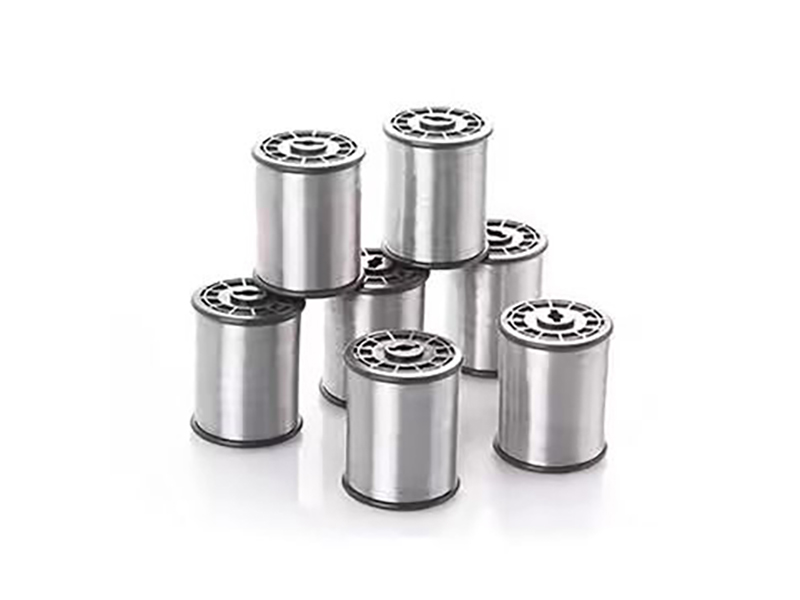
Aluminum Alloy Wire
China Aluminum Alloy Wire Manufacturers
About Us
Coming From China, Marketing To The World.

::: Last News :::
-
How to Test Aluminum Welding Wire Quality: A ...
Oct 09, 2026
Why Test Wire Before It Reaches the Gun? The job is a simple one until the wire arrives: a 3 m length of 6061-T6 box section, a 1...
-
Why Does Aluminum Welding Wire ER5183 Perform...
Oct 12, 2026
When aluminum parts need to be joined, the filler wire has a direct connection with how the finished joint behaves. The choice is...
-
How Do Aluminum Welding Wire Manufacturers Co...
Oct 05, 2026
Aluminum welding wire passes through several production stages before it is ready for use. The condition of the raw material, the...
-
What Affects Shelf Life of 4943 Aluminum Weld...
Sep 30, 2026
Aluminum welding wire can spend a genuinely long time sitting in a warehouse before it ever reaches the welding area. During that...
Industry Information Extension
What is Aluminum Alloy Wire
Aluminum alloy wire is a type of wire made from a combination of aluminum and other metals. The other metals that are commonly used to make aluminum alloy wire include copper, zinc, magnesium, and silicon. These metals are added in small amounts to the aluminum to improve specific properties such as strength, electrical conductivity, and corrosion resistance.
Aluminum alloy wire is used in a wide range of applications, including electrical transmission and distribution, construction, automotive, and aerospace industries. Because of its high electrical conductivity, aluminum alloy wire is commonly used in power transmission and distribution systems, as well as in electrical equipment and appliances. Additionally, it is lightweight, corrosion resistant, and has good thermal conductivity, making it suitable for use in outdoor and marine environments.
Aluminum alloy wire can be produced in various shapes and sizes depending on the desired application. The wire can be drawn or extruded to achieve the required diameter and cross-sectional shape.
Features of Aluminum Alloy Wire
Aluminum alloy wire is made from a combination of aluminum and other metals such as copper, zinc, magnesium, and silicon. Some common features of aluminum alloy wire include:
- High electrical conductivity: Aluminum alloy wire has a high electrical conductivity, making it a good choice for electrical applications such as power transmission and distribution.
- Lightweight: Aluminum alloy wire is lightweight, which makes it easy to handle and transport.
- Corrosion resistant: Aluminum alloy wire is resistant to corrosion, making it suitable for use in outdoor and marine applications.
- Good thermal conductivity: Aluminum alloy wire has good thermal conductivity, which makes it useful in applications where heat dissipation is important.
- Low cost: Compared to other types of wire, aluminum alloy wire is relatively inexpensive.
- Easily formed: Aluminum alloy wire is easily formed into various shapes, making it a versatile material for many applications.
Key Properties of Aluminum Alloy Wire
Understanding the fundamental properties of aluminum alloy wire is essential for selecting the right material for industrial applications.
1. Strength
Aluminum alloy wire exhibits remarkable tensile and yield strength, enabling it to withstand high mechanical stress without deformation. The addition of alloying elements enhances its load-bearing capacity, making it suitable for structural components, suspension bridges, and automotive parts that require both durability and reduced weight.
2. Conductivity
While slightly lower than pure aluminum, the electrical conductivity of aluminum alloy wire remains highly efficient, making it ideal for electrical transmission and distribution systems. Its excellent conductivity, combined with lightweight characteristics, reduces energy losses and facilitates easier handling during installation, particularly in overhead power lines.
3. Corrosion Resistance
One of the most significant advantages of aluminum alloy wire is its superior resistance to corrosion. The naturally forming oxide layer on aluminum surfaces protects the wire from environmental degradation, including moisture, chemical exposure, and atmospheric pollutants. This property ensures long-term reliability in both outdoor and industrial environments, reducing maintenance costs and downtime.
4. Lightweight Advantage
Aluminum alloy wire is substantially lighter than copper or steel, which offers significant advantages in transportation, construction, and aerospace industries. The reduced weight helps lower fuel consumption in vehicles and aircraft, improves handling in large-scale installations, and supports overall structural efficiency.
5. Versatility and Adaptability
Aluminum alloy wire can be engineered with different compositions, coatings, and temper levels to suit specific industrial needs. Its adaptability makes it compatible with welding, brazing, and forming processes, allowing manufacturers to customize wire solutions for high-performance applications.
Applications Across Industries
Aerospace: Lightweight and High-Strength Components
- In the aerospace industry, aluminum alloy wire is used in aircraft wiring, structural frameworks, and mechanical assemblies. Its combination of light weight and high strength helps reduce overall aircraft mass, improving fuel efficiency without compromising safety or performance.
Automotive: Electrical Wiring and Mechanical Applications
- Aluminum alloy wire is increasingly used in electric vehicles, automotive wiring harnesses, and engine components. Its excellent conductivity and corrosion resistance ensure reliable performance in harsh environments, while its lightweight properties contribute to energy efficiency and vehicle weight reduction.
Construction: Cables, Reinforcements, and Structural Uses
- In construction, aluminum alloy wire is used for overhead power lines, reinforcing cables, and structural frameworks. Its durability and corrosion resistance make it ideal for long-term outdoor installations exposed to weather and environmental stress.
Electronics: Circuitry and Connectors
- Aluminum alloy wire is also applied in electronics manufacturing, including circuits, connectors, and printed wiring. Its adaptability allows precise fabrication while maintaining conductivity and mechanical stability, making it a reliable choice for modern electronic devices.
Marine and Outdoor Uses: Corrosion-Resistant Applications
- Thanks to its natural corrosion resistance, aluminum alloy wire is widely used in marine applications such as shipboard wiring, dock installations, and offshore structures. It withstands exposure to saltwater, humidity, and other corrosive elements, ensuring longevity and minimal maintenance.
Comparing Aluminum Alloy Wire to Copper and Other Metal Wires
Aluminum Alloy vs. Pure Aluminum Wire
Aluminum alloy wire is created by combining aluminum with other elements such as magnesium, silicon, or copper. This process enhances mechanical strength, corrosion resistance, and heat tolerance compared to pure aluminum wire.
- Strength: Aluminum alloy wire offers higher tensile and yield strength, making it suitable for structural applications where pure aluminum may deform under stress.
- Durability: Alloying improves fatigue resistance, allowing wires to endure repeated bending, vibration, or mechanical stress without failure.
- Electrical Conductivity: While slightly lower than pure aluminum, aluminum alloy wire still maintains excellent conductivity for power transmission and electrical components.
- Corrosion Resistance: Both pure aluminum and aluminum alloys form a protective oxide layer, but certain alloys provide improved resistance in harsh or marine environments.
| Property | Feature |
|---|---|
| Strength | Strong, supports structural use |
| Durability | Resists bending and stress |
| Conductivity | Good for electrical use |
| Corrosion | Resistant, some alloys for harsh environments |
Aluminum alloy wire provides a better balance between mechanical performance and conductivity compared to pure aluminum wire, making it a more versatile choice for industrial applications.
Aluminum Alloy vs. Copper Wire
Copper wire is known for its exceptional electrical conductivity and flexibility, but aluminum alloy wire offers distinct advantages in specific scenarios:
- Weight: Aluminum alloy wire is significantly lighter than copper, which reduces overall structural weight and facilitates easier installation, particularly in overhead power lines or aerospace applications.
- Cost Efficiency: Aluminum alloy wire is generally more cost-effective than copper, making it attractive for large-scale projects where material cost is a significant factor.
- Corrosion Resistance: While copper is prone to oxidation over time, aluminum alloy wire forms a protective oxide layer that enhances long-term durability, especially in outdoor or marine environments.
- Mechanical Strength: Aluminum alloy wire offers higher strength-to-weight ratios, which is beneficial for structural components or applications requiring lightweight, high-strength materials.
| Property | Feature |
|---|---|
| Weight | Much lighter than copper; easier installation |
| Cost | More cost-effective for large projects |
| Corrosion | Protective oxide layer; durable outdoors/marine |
| Strength | High strength-to-weight ratio; ideal for structural use |
However, copper still dominates applications requiring maximum electrical conductivity and flexibility, such as intricate circuitry or high-current systems. Selecting between copper and aluminum alloy depends on whether weight, cost, or conductivity is the priority.
Pros and Cons in Different Scenarios
| Scenario | Aluminum Alloy Wire | Copper Wire | Pure Aluminum Wire |
|---|---|---|---|
| Overhead Power Lines | Lightweight, corrosion-resistant, cost-effective | Heavy, highly conductive | Lightweight, lower strength |
| Aerospace Components | High strength-to-weight ratio | Too heavy for optimal efficiency | Lower mechanical strength |
| Electronics | Adequate conductivity, durable | Excellent conductivity and flexibility | Lower strength, limited durability |
| Marine & Outdoor | Excellent corrosion resistance | Needs protective coating | Moderate corrosion resistance |
Storage, Handling, and Maintenance
Proper storage and careful handling of aluminum alloy wire are crucial to maintaining its performance and longevity.
Proper Storage Conditions
- Store in a clean, dry, and temperature-controlled environment to prevent oxidation or corrosion.
- Avoid exposure to moisture, acids, or chemicals that may degrade the alloy.
- Keep wires off the floor and away from heavy objects to prevent deformation.
Handling Best Practices to Prevent Damage
- Use gloves to prevent surface contamination from oils or salts on hands.
- Avoid bending or kinking wires sharply, which can weaken the material.
- Employ proper lifting equipment for heavy spools to avoid mechanical stress or damage.
Cleaning and Maintenance for Longevity
- Remove dust, grease, or surface contaminants with a soft cloth or appropriate cleaning solution.
- Inspect wires regularly for signs of corrosion, cracks, or mechanical damage.
- Apply protective coatings if the wire is exposed to harsh environmental conditions to extend service life.
Choosing Reliable Suppliers and Manufacturers
Partnering with reputable Aluminum Alloy Welding Wire Suppliers is essential to ensure consistent quality, technical support, and timely delivery of aluminum alloy wire. Hangzhou Kunli Welding Materials Co., Ltd, with its proven expertise in producing high-quality aluminum welding and alloy wires, exemplifies the type of reliable partner industrial companies should seek.
When evaluating suppliers, consider the following key factors:
- Experience and Track Record: Suppliers with a long-standing history of producing high-performance aluminum alloy wire, such as Hangzhou Kunli Welding Materials Co., Ltd, are more likely to deliver reliable and consistent products.
- Compliance with Industry Standards: Ensure that the manufacturer adheres to recognized specifications, including ASTM, ISO, or other relevant certifications, to guarantee material quality and safety.
- Technical Support: A strong supplier provides guidance on alloy selection, wire sizing, and processing recommendations. Hangzhou Kunli Welding Materials Co., Ltd offers dedicated technical assistance to help clients choose the right wire for their specific applications.
- Production Capacity: Confirm that the manufacturer can meet both small-scale and large-scale orders without compromising quality or delivery schedules. Hangzhou Kunli Welding Materials Co., Ltd maintains robust production capabilities to serve diverse industrial demands efficiently.
By carefully selecting a supplier with these qualities, companies can secure high-quality aluminum alloy wire, reduce operational risks, and optimize performance in critical industrial applications.
Selecting the right aluminum alloy wire requires a careful assessment of grade, size, coating, and intended application. Partnering with a reliable supplier or manufacturer ensures consistent quality, compliance with industry standards, and technical support, while balancing cost and performance optimizes long-term value. By following these best practices, engineers and procurement teams can make informed decisions that enhance efficiency, durability, and overall project success.
FAQ - Aluminum Alloy Wire
How is Aluminum Alloy Wire Different From Pure Aluminum Wire?
Alloying improves mechanical strength, fatigue resistance, and corrosion performance while maintaining excellent conductivity.
How Does Aluminum Alloy Wire Compare to Copper Wire?
It is lighter and more cost-effective, with strong corrosion resistance, though slightly lower in conductivity.
What Are the Common Grades of Aluminum Alloy Wire?
Grades vary by application, such as high-strength, electrical-grade, or corrosion-resistant alloys.
Why is Aluminum Alloy Wire Preferred in Aerospace?
Its lightweight and high-strength properties reduce aircraft weight while maintaining structural integrity.
Can Aluminum Alloy Wire Be Used in Electric Vehicles?
Yes, it is widely used for wiring harnesses and electrical systems due to its strength, conductivity, and corrosion resistance.
Is Aluminum Alloy Wire Suitable for Marine Environments?
Yes, specific alloys resist saltwater corrosion, making them ideal for shipboard and offshore applications.
Can Aluminum Alloy Wire Be Used in Electronics?
Yes, it is used for circuitry, connectors, and precision wiring where both conductivity and durability are required.
Does Aluminum Alloy Wire Resist Corrosion?
Yes, the natural oxide layer and certain alloying elements enhance resistance to moisture, chemicals, and environmental degradation.
Is Aluminum Alloy Wire Flexible?
Yes, it can be drawn into various diameters and is suitable for both bending and forming in industrial applications.
How Do I Choose the Right Grade of Aluminum Alloy Wire?
Consider the application: mechanical load, electrical conductivity, environmental exposure, and required durability.
Can Aluminum Alloy Wire Be Customized?
Yes, suppliers(such as kunliwelding) can offer customized grades, diameters, coatings, and tempering to meet project requirements.
Are Coated Aluminum Alloy Wires Better Than Bare Wires?
Coatings improve corrosion resistance, electrical insulation, and surface durability, especially for outdoor or marine use.
How Should Aluminum Alloy Wire Be Stored?
In a dry, clean, and temperature-controlled environment to prevent oxidation and mechanical damage.
How Do I Clean Aluminum Alloy Wire?
Use a soft cloth or appropriate cleaning solution; avoid abrasive materials that may damage the surface.
Can Aluminum Alloy Wire Be Recycled?
Yes, aluminum alloys are highly recyclable without losing performance properties.
Why Choose Hangzhou Kunli Welding Materials Co., Ltd?
Kunli is one of the great China Aluminum Alloy Wire Manufacturers. They provide high-quality aluminum welding and alloy wires, technical guidance, and large-scale production capabilities.

QUICK LINKS
PRODUCT
CONTACT US
-
Jianpu Road no.2 Puyang Town Xiaoshan District Hangzhou Zhejiang China 311255
-
+86-0571-82403878
-
+86-0571-82403208
-
rich@chinayinyu.com
MOBILE TERMINAL
BE THE FIRST TO KNOW
Copyright © Hangzhou Kunli Welding Materials Co., Ltd. Rights Reserved.
