English
  Deutsch


When ER4043 Is a Practical Substitute for Aluminum Welding
Article Directory
- 1 What Makes ER4043 a Useful General-Purpose Wire
- 2 Where Does ER4043 Fall Short?
- 3 When Is ER4043 a Genuine Substitute?
- 4 When ER4043 Should Not Replace Higher-Specification Wires
- 5 Understanding the Alloy Compatibility Logic
- 6 A Practical Comparison Across Key Criteria
- 7 How to Make the Substitution Decision in Practice
- 8 What Happens When the Wrong Wire Is Used
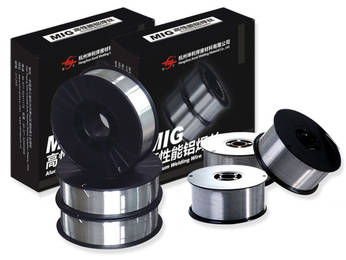
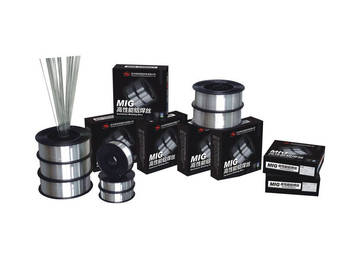
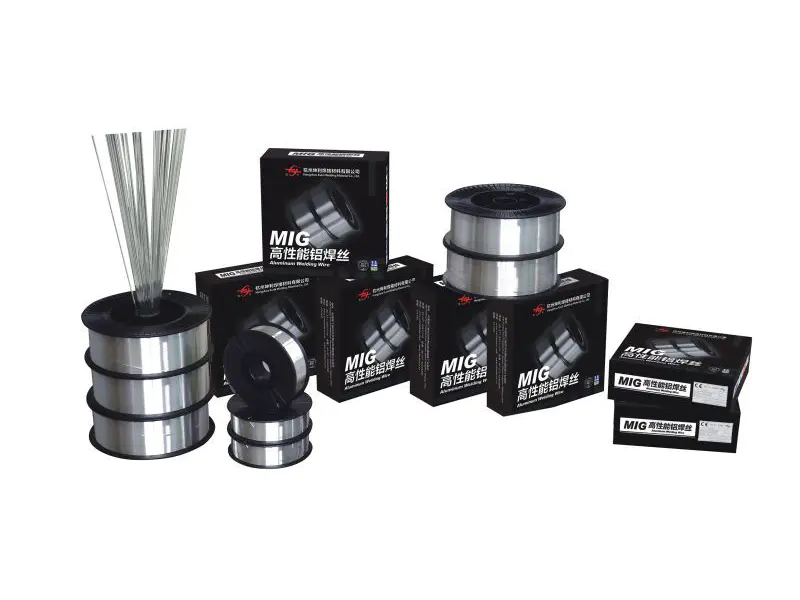
You are mid-project, the budget is tightening, and someone on the procurement side is asking whether ER4043 can do the job instead of the more expensive wire already specified. It is a reasonable question — ER4043 is widely available, easier to work with in many setups, and costs less. But the answer is not always yes, and getting it wrong carries real consequences. Understanding when the substitution works and when it introduces unacceptable risk is the practical engineering judgment that separates a cost-saving decision from a structural liability. Alongside 5183 Aluminium MIG Wire , ER4043 is one of the workhorses of aluminum welding, but they serve genuinely different purposes — and the boundary between those purposes matters more in some applications than others.
What Makes ER4043 a Useful General-Purpose Wire
Silicon Content Is What Defines Its Character
ER4043 is a silicon-based aluminum filler wire. The silicon content does several things at once: it lowers the melting point of the filler relative to the base material, improves fluidity during the weld pool, and significantly reduces the risk of hot cracking in the heat-affected zone. For welders dealing with tricky fit-up or working on repair jobs where gap tolerance is loose, that fluidity is a practical advantage.
Silicon also makes the wire forgiving. It handles a range of base alloys reasonably well and is less sensitive to variation in preheat, travel speed, or heat input than some alternatives. That forgiveness is part of why ER4043 became the default choice in general fabrication, automotive repair, and light structural work.
Where It Performs Well
The applications where ER4043 earns its place are consistent and well-established:
- Welding 6061, 6063, and other 6xxx series alloys — the silicon compatibility makes it a natural fit
- Repair welding on cast aluminum components where crack resistance is a priority
- General fabrication work not subject to sustained corrosive environments
- Applications where weld appearance matters — the silicon gives a brighter, cleaner bead finish
- Situations where weldability and process stability take priority over post-weld strength
For most everyday aluminum fabrication, ER4043 does the job and does it well. The question is where its capabilities end.
Where Does ER4043 Fall Short?
The Strength Gap Is Real in Structural Applications
Silicon improves weldability but it comes at a cost: lower tensile strength in the finished weld compared to magnesium-based filler alloys. For non-structural or lightly loaded components, that gap is irrelevant. For structural applications where the weld joint is a load-bearing element, the gap matters — and it matters more as the structural demands of the application increase.
Worse, when ER4043 is used to weld 5xxx series alloys with high magnesium content — like 5083 or 5086 — a brittle intermetallic phase can form at the fusion boundary. The weld may look acceptable on visual inspection but carry a hidden weakness that only reveals itself under load or fatigue cycling.
Corrosion Performance in Aggressive Environments
This is the boundary that catches people off guard. ER4043 performs adequately in atmospheric and mild industrial environments. But in sustained saltwater exposure — marine structures, offshore equipment, coastal infrastructure — the silicon-based microstructure does not hold up the way magnesium-based alloys do.
The mechanism is electrochemical. In saltwater conditions, the weld zone becomes a site of accelerated corrosion relative to the surrounding base material. Over time, what starts as surface degradation can penetrate the weld cross-section. For anything that lives near or in seawater, this is not an acceptable performance profile.
When Is ER4043 a Genuine Substitute?
The Substitution Works Under a Specific Set of Conditions
Replacing 5183 Aluminium MIG Wire or another higher-specification wire with ER4043 is a reasonable engineering choice when:
- The base material is 6xxx series aluminum, where silicon compatibility makes ER4043 a natural fit
- The application is not exposed to sustained corrosive environments, particularly saltwater
- Post-weld strength requirements do not require the higher tensile capacity of magnesium-based fillers
- Weld cracking in the heat-affected zone is a concern and the improved crack resistance of ER4043 is a benefit
- The application involves repair or maintenance welding on existing 6xxx or cast aluminum components
In these conditions, the substitution is not a compromise. It is often the technically correct choice, and defaulting to a higher-specification wire when ER4043 is sufficient adds cost without adding performance.
When ER4043 Should Not Replace Higher-Specification Wires
Marine and Offshore Applications Are a Clear Boundary
Any structure that operates in marine conditions — boat hulls, dock components, offshore platform supports, seawater piping — requires filler wire with genuine saltwater corrosion resistance. The magnesium content in ER5183 and similar wires provides that resistance through a different electrochemical relationship with the base material. ER4043 does not replicate this, regardless of how well the weld is executed.
Using ER4043 in marine service is not a borderline call. It is an application mismatch that will produce premature corrosion failure.
Pressure Vessels and Cryogenic Applications
These applications carry two requirements that ER4043 cannot consistently meet: adequate tensile strength across the full service temperature range and long-term microstructural stability under cyclic pressure loading. The lower strength of silicon-based welds becomes a structural liability in pressure-containing applications, and the toughness at low temperatures is insufficient for cryogenic service.
High-Stress Structural Fabrication
For welded structures subject to sustained dynamic loading — vehicle frames, crane components, industrial lifting equipment — the difference in tensile strength between ER4043 and higher-specification wires is not academic. It affects the calculated safety margin of the joint. Engineers designing to code requirements for these applications will typically specify minimum filler wire properties that ER4043 cannot meet.
Understanding the Alloy Compatibility Logic
Why Base Material Matters More Than People Often Expect
The interaction between filler wire chemistry and base alloy chemistry affects not just weld strength but microstructure stability, corrosion behavior, and heat-affected zone properties. ER4043's silicon content is compatible with 6xxx alloys because those alloys already contain silicon. The fusion zone chemistry stays within a manageable range.
The problem emerges with 5xxx alloys. High magnesium content in alloys like 5083 interacts with the silicon in ER4043 in a way that produces undesirable intermetallic phases. That is why the industry consensus is clear: do not use ER4043 on high-magnesium 5xxx base materials. The weld may hold initially, but the joint's mechanical and corrosion properties are compromised from the start.
A Practical Comparison Across Key Criteria
| Criteria | ER4043 | ER5183 |
|---|---|---|
| Primary alloying element | Silicon | Magnesium |
| Tensile strength in weld | Moderate | Higher |
| Hot crack resistance | Strong | Moderate |
| Saltwater corrosion resistance | Limited | Strong |
| Compatibility with 6xxx alloys | Good | Acceptable |
| Compatibility with 5xxx alloys | Poor for high-Mg grades | Strong |
| Weld fluidity and appearance | High fluidity, bright finish | Slightly stiffer pool |
| Structural applications | Light to moderate loads | Moderate to heavy loads |
| Marine and offshore service | Not recommended | Suitable |
| Pressure vessel applications | Generally not suitable | Suitable for applicable grades |
| Cryogenic service | Not suitable | Suitable for applicable grades |
| Cost position | Lower | Higher |
How to Make the Substitution Decision in Practice
A Structured Approach to the Assessment
When a substitution from a higher-specification wire to ER4043 is being considered, working through a structured evaluation avoids both under-specifying and over-specifying:
Step 1 — Identify the base alloy series. If the base material is 6xxx, ER4043 is a candidate. If it is 5xxx with high magnesium content, ER4043 is not appropriate regardless of other factors.
Step 2 — Assess the service environment. Any sustained saltwater or chemically aggressive exposure rules out ER4043. Atmospheric and mild indoor environments do not.
Step 3 — Review the load requirements. Check whether the joint is load-bearing and whether the tensile requirements exceed what ER4043 welds reliably provide. Non-structural joints and lightly loaded components can usually tolerate the lower strength.
Step 4 — Check applicable codes or standards. Some applications are governed by welding codes that specify filler wire classification requirements. The substitution decision must be consistent with those requirements regardless of the engineering assessment.
Step 5 — Evaluate the cost-benefit. If the application clears the technical criteria, the substitution is likely appropriate. If it fails on any of the above criteria, no amount of cost saving justifies the material choice.
What Happens When the Wrong Wire Is Used
The Failure Modes Are Predictable and Preventable
Using ER4043 in an application where it is not suited does not always produce immediate failure. That delayed failure mode is actually part of the problem — the joint looks acceptable during inspection, passes visual examination, and only reveals its inadequacy under service conditions or after time in a corrosive environment.
The predictable failure patterns include:
- Accelerated corrosion at weld zones in marine or chemically aggressive environments
- Cracking under fatigue loading in high-stress structural joints
- Strength loss in the heat-affected zone of high-magnesium base alloys
- Brittle fracture behavior at low temperatures in applications where cryogenic toughness is required
Each of these failure modes is preventable through correct wire selection at the outset. The engineering cost of using the right wire is always lower than the structural or reputational cost of a joint that fails in service.
The practical value of understanding where ER4043 works and where it does not lies in making confident specification decisions without either over-engineering or cutting corners that matter. For the right applications — 6xxx alloys, general fabrication, non-corrosive environments, repair work — ER4043 is a technically sound and cost-effective choice that does not need to be replaced by something more expensive. For marine service, pressure containment, cryogenic duty, or high-magnesium base alloys, the specification should not be compromised regardless of budget pressure. Hangzhou Kunli Welding Materials Co., Ltd. supplies aluminum welding wire including 5183 Aluminium MIG Wire and ER4043 across a range of industrial and marine welding applications, working with fabricators and procurement teams on alloy selection, application requirements, and volume sourcing. If you are evaluating filler wire specification for a current project or reviewing existing wire selections for a production process, their technical team is a practical contact for that conversation.
NEXT:Why Choose 4943 Aluminum Wire for Corrosion Protection