Efficiency in Thermal Flow
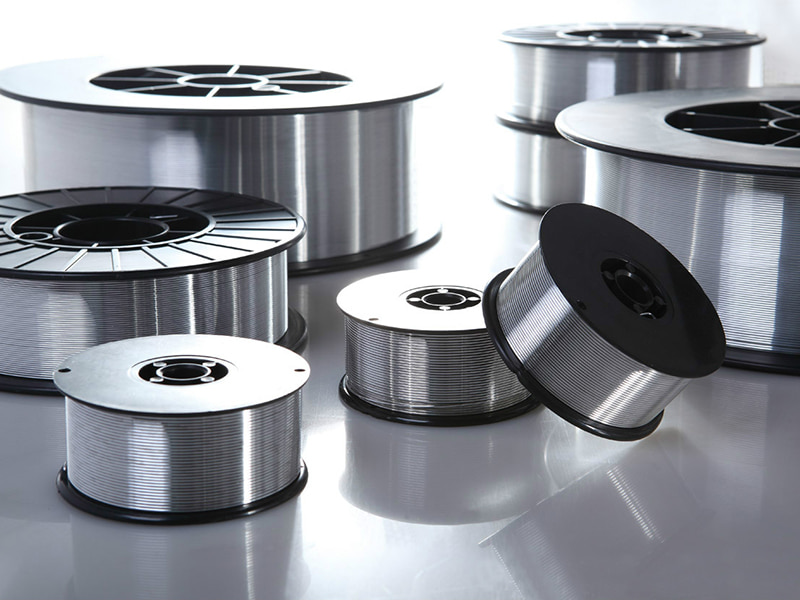
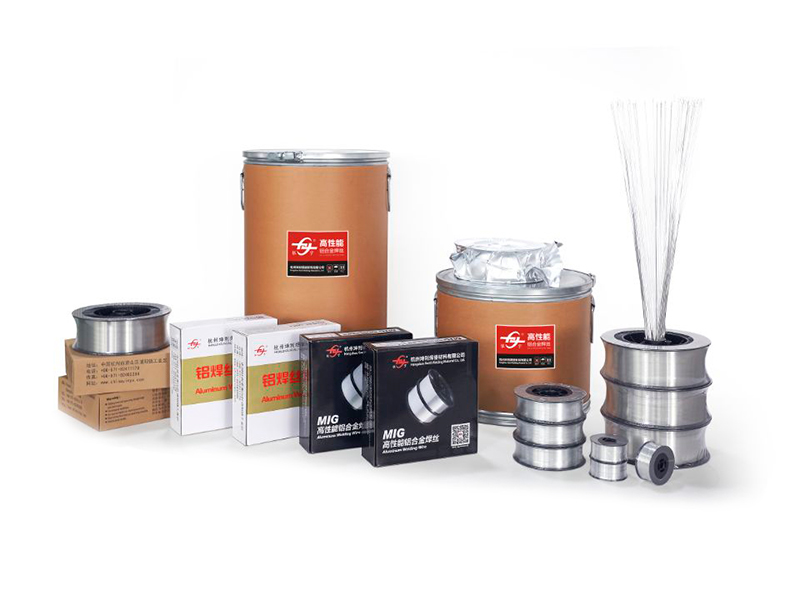
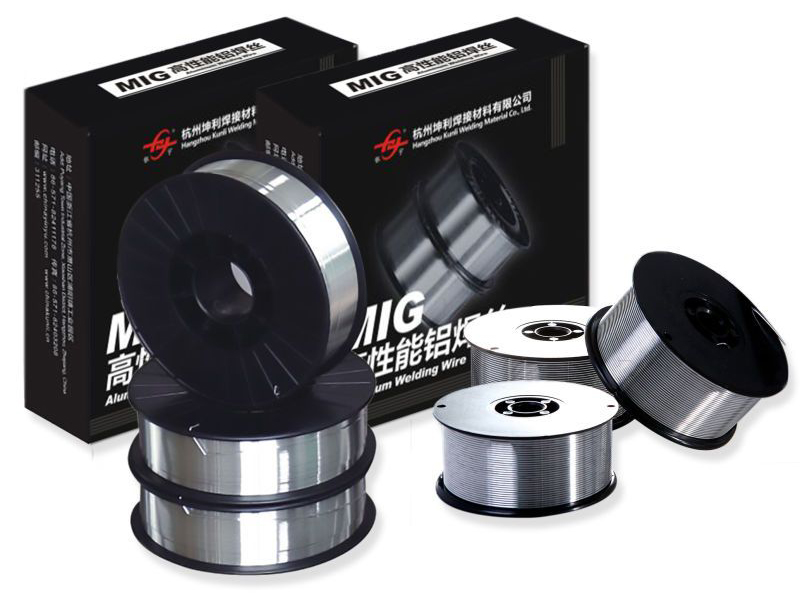
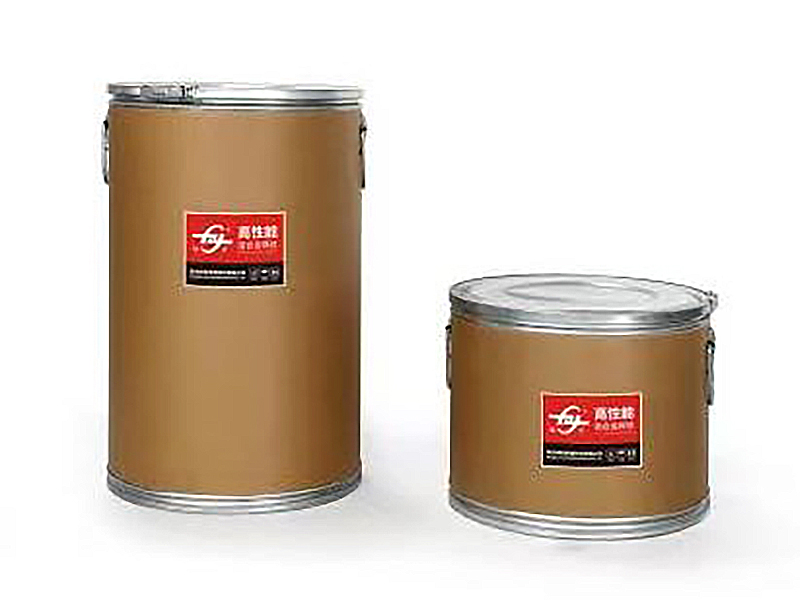
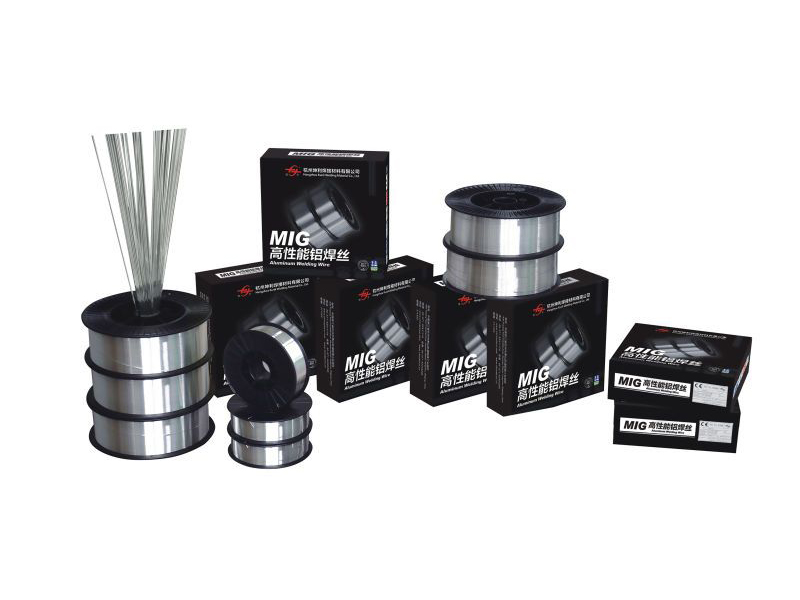
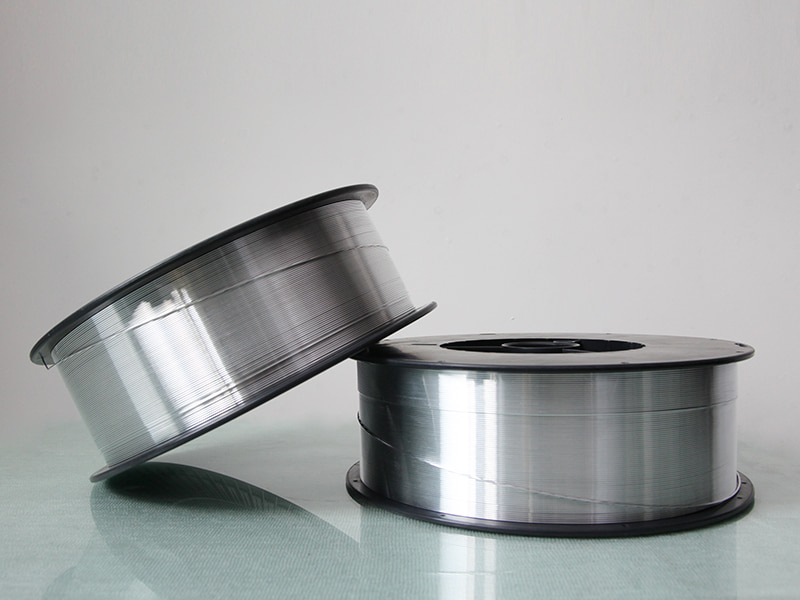
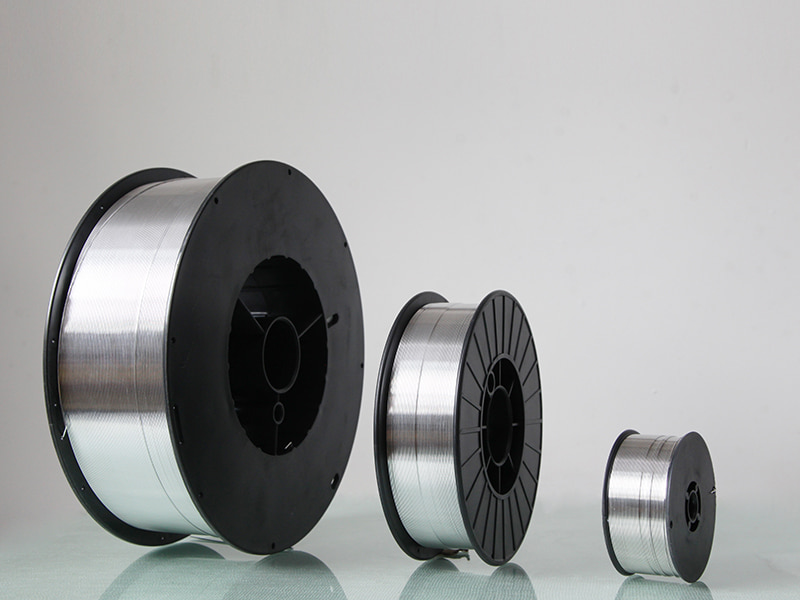
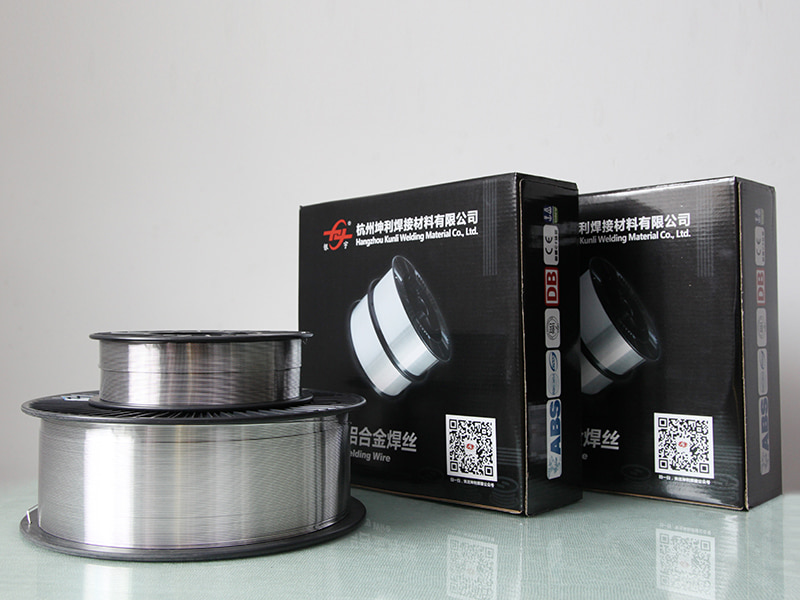
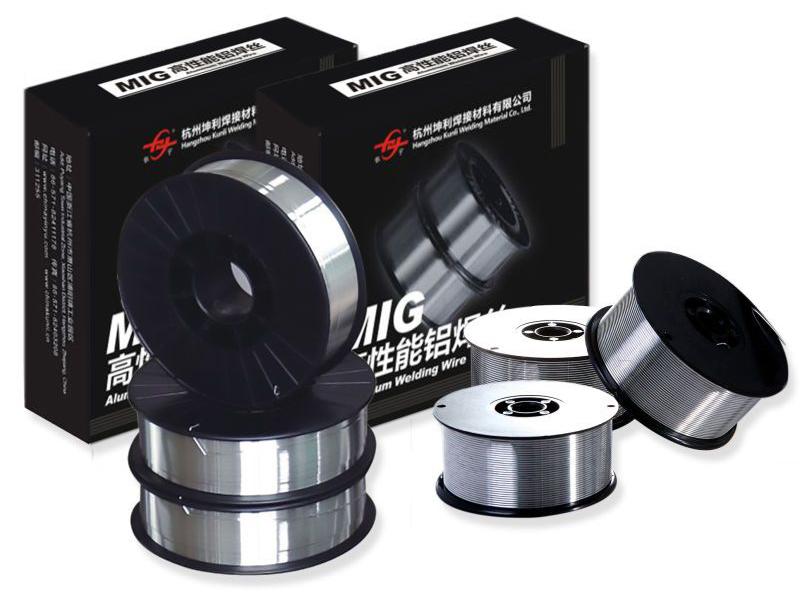
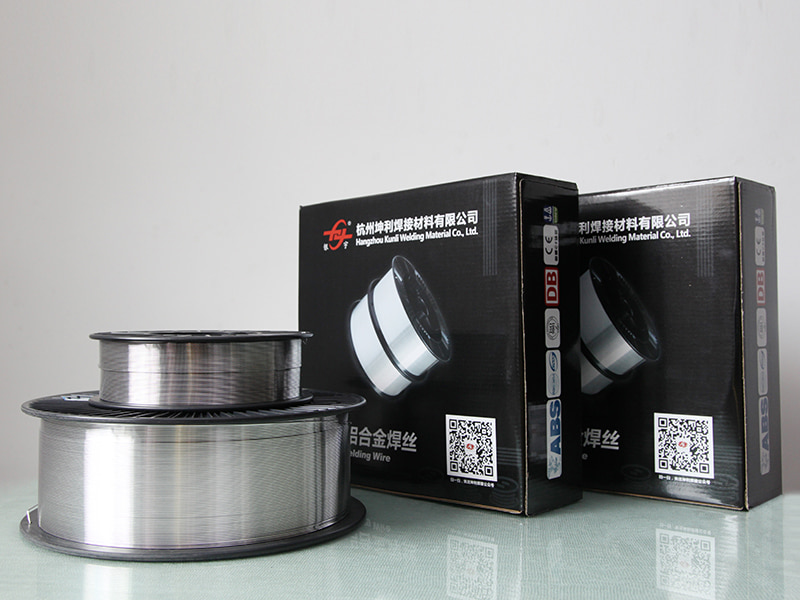
We provide the "heart" of the radiator assembly process. Our ER4043 wire is engineered for the high-frequency pulsed-MIG processes used by the world's leading radiator manufacturers. We prioritize "Cleanliness Above All." Our wire is delivered in hermetically sealed packaging to ensure that no atmospheric moisture reaches the wire before it hits the arc, ensuring that every radiator is 100% leak-tested and ready for the most demanding cooling tasks.
Radiator Technical Specs
| Core Alloys | 3003,3105 |
| Tank Alloys | 5052,6061,6063 |
| Burst Pressure | ≥150 PSI (System dependent) |
| Weld Profile | Concave to Flat (Optimal for flow) |
| Shielding Gas | 100% Ar (Standard) |
Radiator Applications
Heavy-Duty Truck Radiators: Welding thick-walled aluminum tanks for long-haul durability.
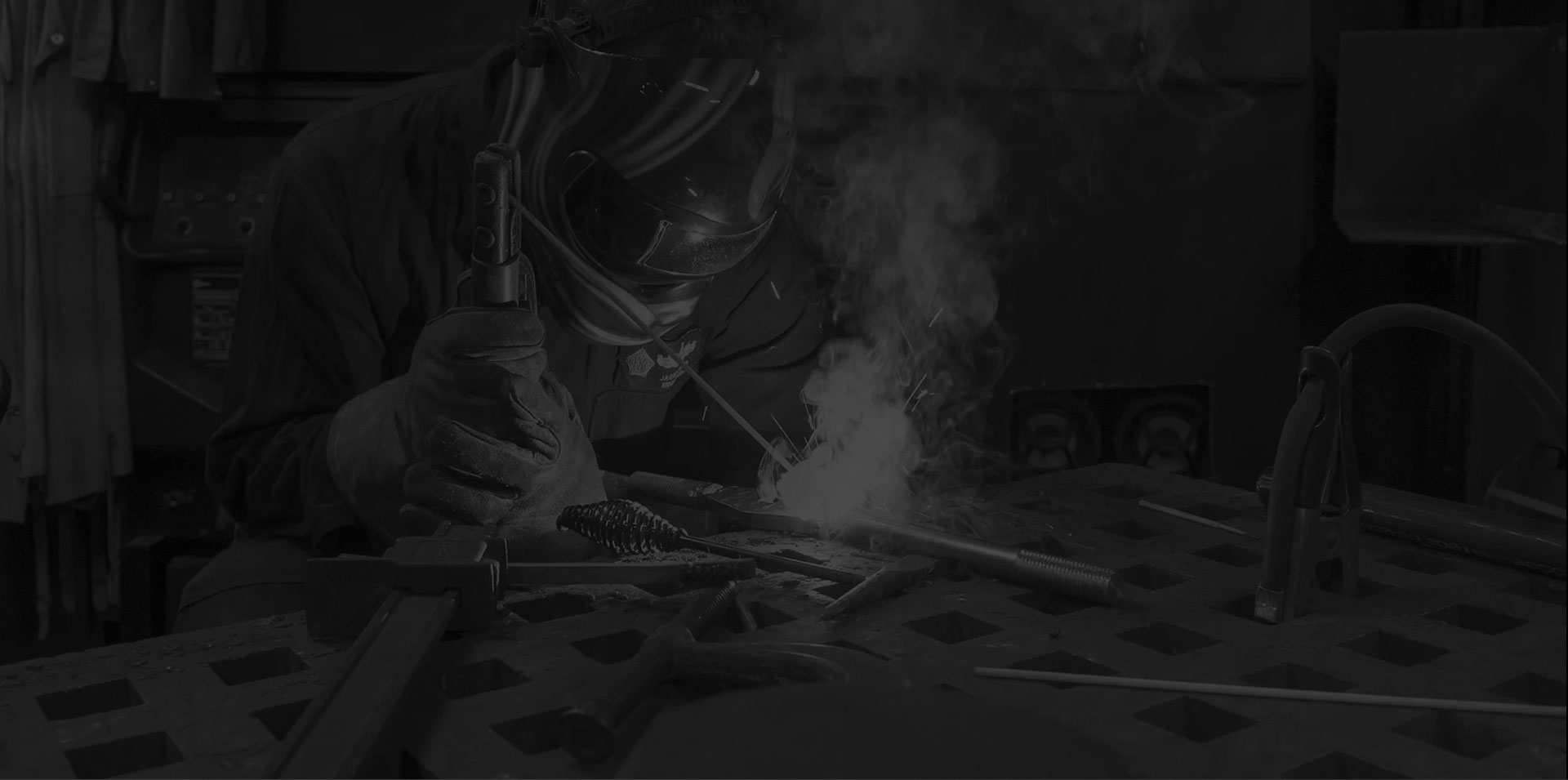
Motorsport Radiators: Custom TIG fabrication of high-flow radiators for racing applications.
Generator Radiators: Joining aluminum cores for large-scale stationary power generation cooling.
Solution: Minimizing rework by using our "Diamond-Clean" wire which eliminates the black soot that often interferes with automated leak-detection cameras.
Radiator FAQ
- Q: Why did my radiator weld develop a "pinhole" leak?A: Pinholes are almost always caused by hydrogen gas from moisture. Ensure the wire and the base metal are bone-dry before welding.
- Q: Can I weld plastic-tank radiators with this?A: No. This is for all-aluminum radiators. Plastic tanks are mechanically crimped, not welded.