Introduction
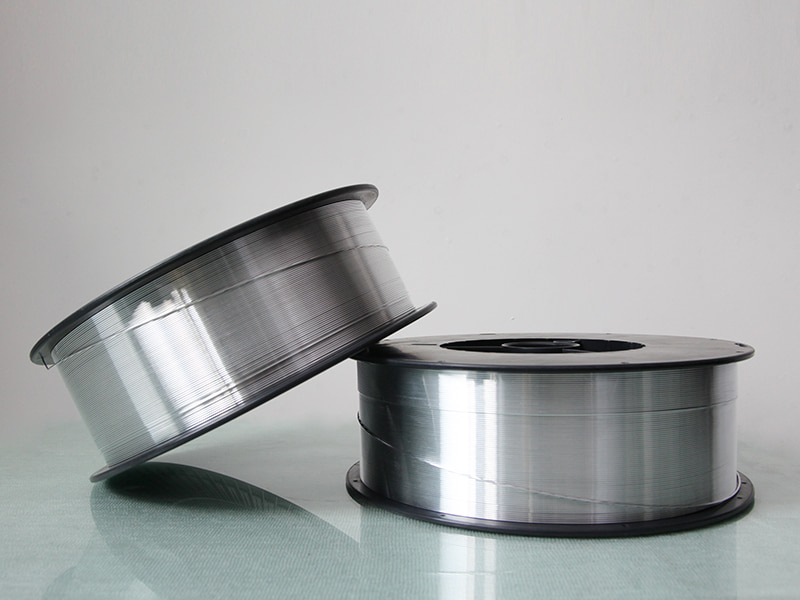
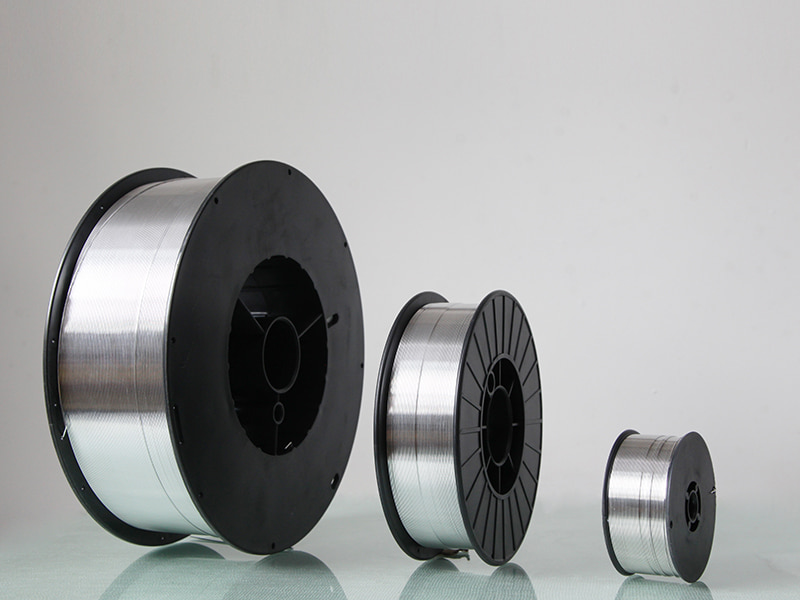
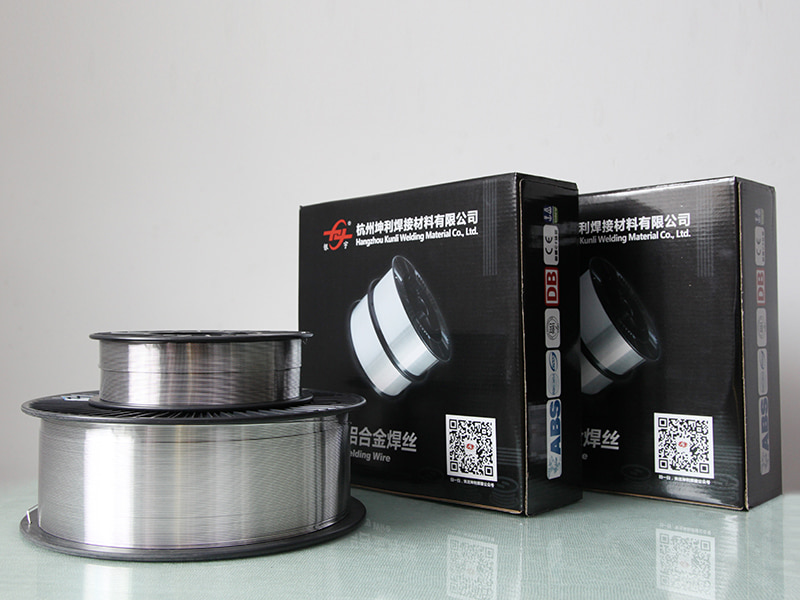
The containment of cryogenic liquids (such as LNG) requires materials that can withstand severe thermal shock and maintain structural toughness when cold. Standard carbon steels become brittle, but certain aluminum alloys retain their ductility. We provide the certified ER5183 and related high-Mg fillers that are the industry standard for this specialized field. Our commitment to verified cryogenic performance, backed by third-party impact testing, ensures that our materials meet the rigid safety and quality standards (e.g., ASME, EN) required for cryogenic service tanks and vessels globally.
Specification
| Alloy Focus | ER5183 (Primary), specialized 2XXX (e.g., ER2319) and high-Mg variants |
| Key Property | High Fracture Toughness (no ductile-to-brittle transition) at cryogenic temperatures |
| Testing Protocol | Mandatory Charpy V-Notch Impact Testing at −162∘C and below |
| Base Metal Matching | Primarily 5083-O/H111/H321 base metals |
| Target Toughness Value | Typically >27J (Joules) at −196∘C for aluminum alloys |
Applications and Solutions
LNG (Liquefied Natural Gas) Tanks: Welding the large internal and external containment tanks for marine carriers and land-based storage facilities (operating at −162∘C).
Aerospace Fuel Tanks: Fabrication of tanks for liquid hydrogen and liquid oxygen on rockets and spacecraft (operating down to −253∘C).
Scientific Research Equipment: Welding dewars, cryostats, and superconducting magnet enclosures used in physics and medical research.
Air Separation Units: Welding heat exchangers and cold box structures operating under extremely low temperatures in industrial gas production.
FAQ
- Q: Why is aluminum alloy 5083 the preferred material for LNG tanks?A: 5083 base metal (and its filler ER5183) is selected because it is a non-heat-treatable alloy that maintains its high strength and, crucially, its high fracture toughness when cooled to cryogenic temperatures, unlike ferritic steels.
- Q: Can ER4043 be used for cryogenic applications?A: No. ER4043 is generally unsuitable for high-stress cryogenic applications. The Al-Si eutectic phase becomes brittle at low temperatures, leading to a significant and unacceptable reduction in fracture toughness.
- Q: What is the most common weld defect in cryogenic tank fabrication?A: Porosity is the most common defect. In cryogenic applications, a pore acts as a severe stress riser, compromising the mandatory fracture toughness. Our low-porosity wire processing is critical to mitigating this risk.
English
Deutsch
English
Deutsch