Restoration Specialists
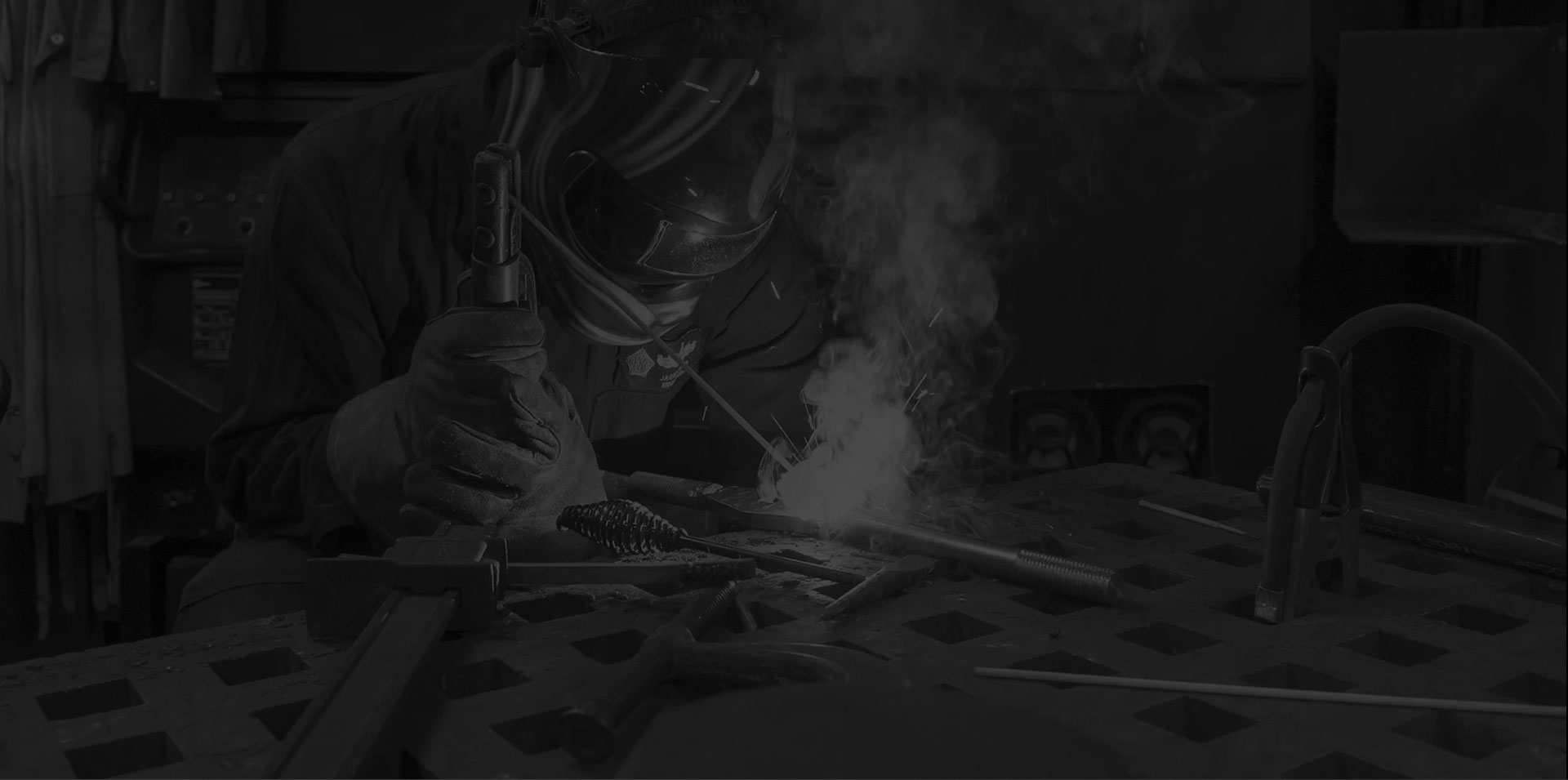
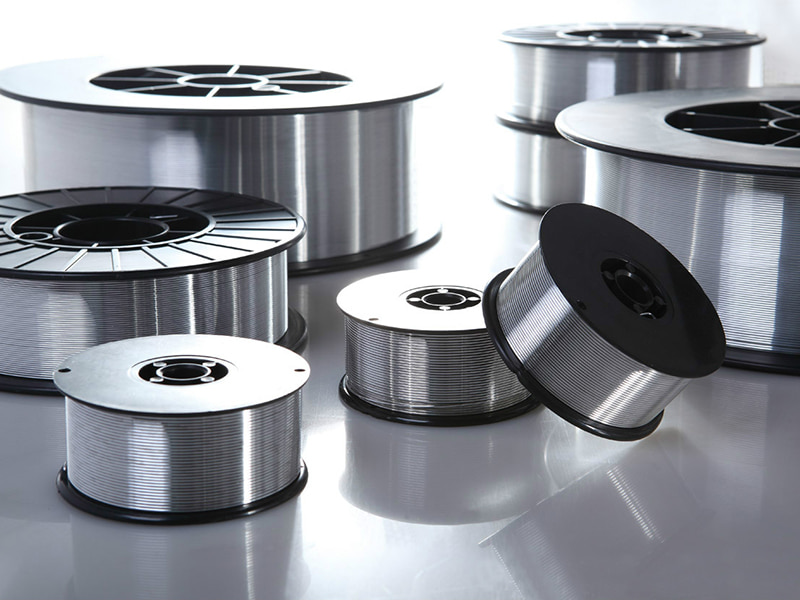
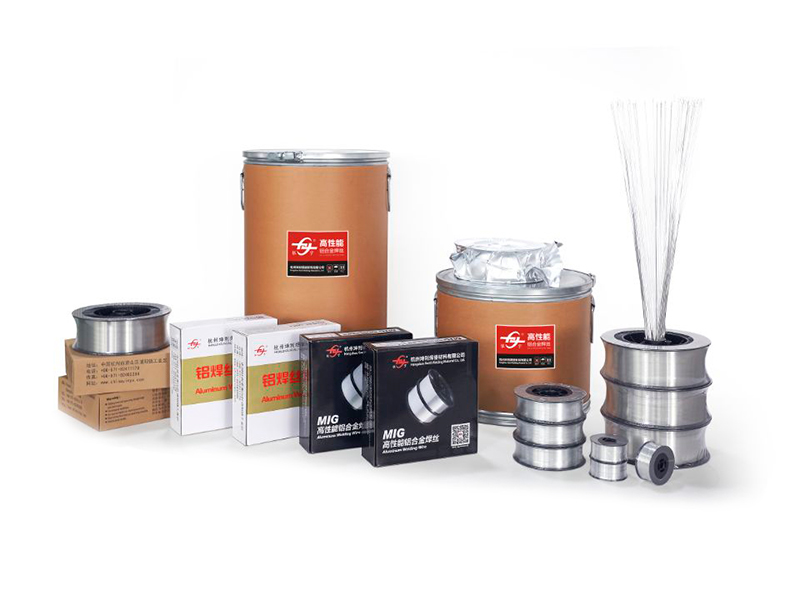
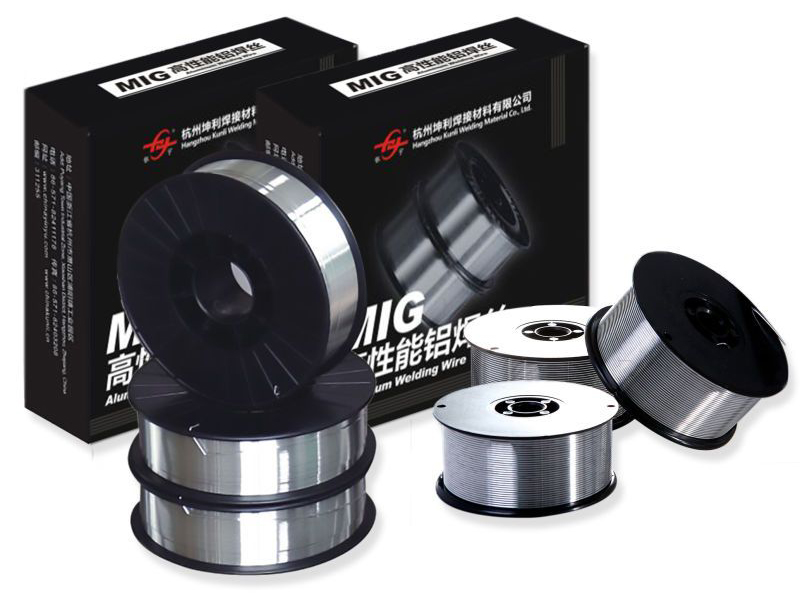
Repairing a cracked or mis-machined casting is a high-value operation. Our ER4043 is refined specifically to handle the complexities of foundry repair. We recognize that the "integrity" of the repair is paramount. Our wire is produced with ultra-low trace elements to ensure that the repair zone matches the thermal and mechanical properties of the original casting as closely as possible, ensuring a long-lasting and invisible repair.
Casting Technical Data
| Matching Alloys | 356.0, A356.0, 319.0, 443.0 |
| Hardness | 40−60 HB |
| Machinability | Excellent (Matches most cast alloys) |
| Shrinkage Rate | 1.1% - 1.5% |
| Corrosion Resistance | Good (Matches high-Si castings) |
Casting Scenarios
Engine Block Repair: Filling pits or cracks in cast aluminum engine blocks and heads.
Foundry Salvage: Repairing mis-runs or shrinkage defects in newly cast aluminum parts.
Transmission Housings: Welding broken mounting tabs or cracks in gearbox enclosures.
Solution: Minimizing the risk of "Hot Cracking" in high-restraint casting repairs by utilizing ER4043’s ductile solidification characteristics.
Professional FAQ
- Q: Why do I get bubbles when welding old castings?A: Castings are porous and often absorb oil or moisture over years of service. Deep cleaning and "sweating" the casting with a torch before welding is necessary to remove these contaminants.
- Q: Can I heat-treat the casting after welding with ER4043?A: Yes, ER4043 is compatible with the T6 heat-treatment cycle often used for 356 castings, though the weld may not reach the exact same hardness as the base metal.