Introduction
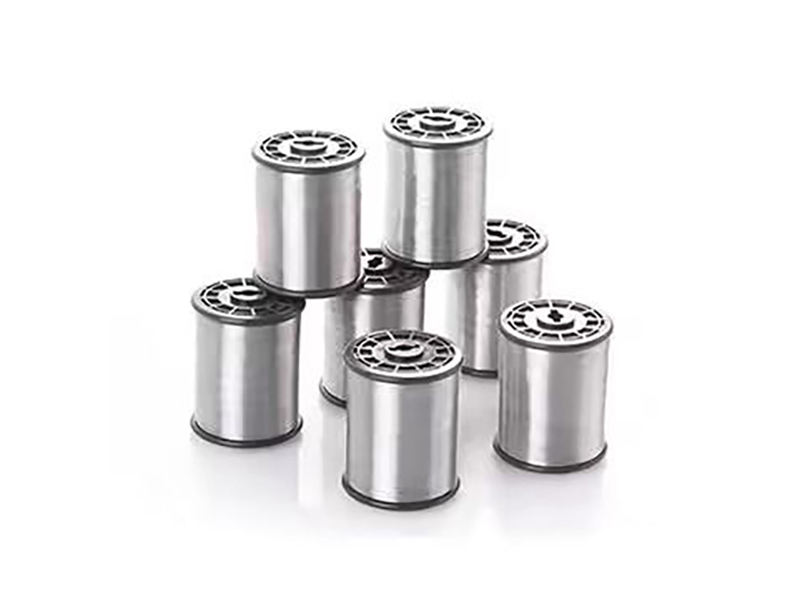
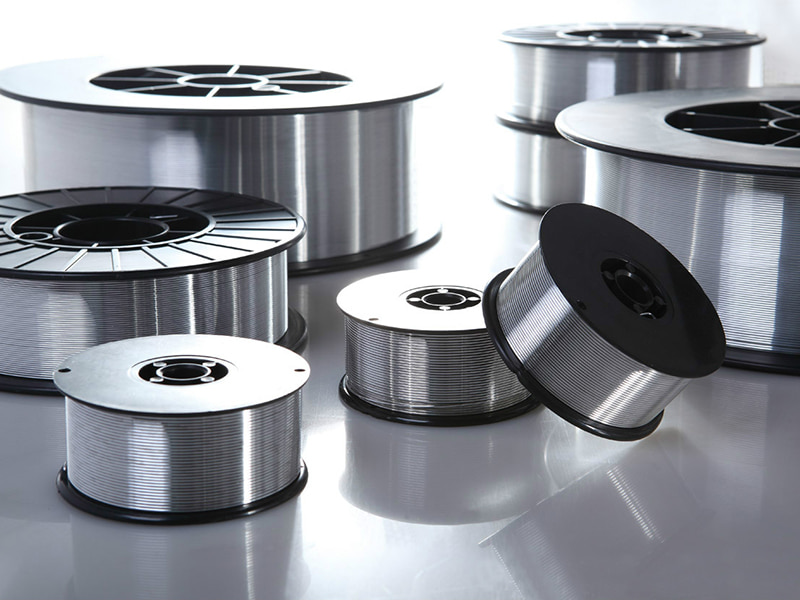
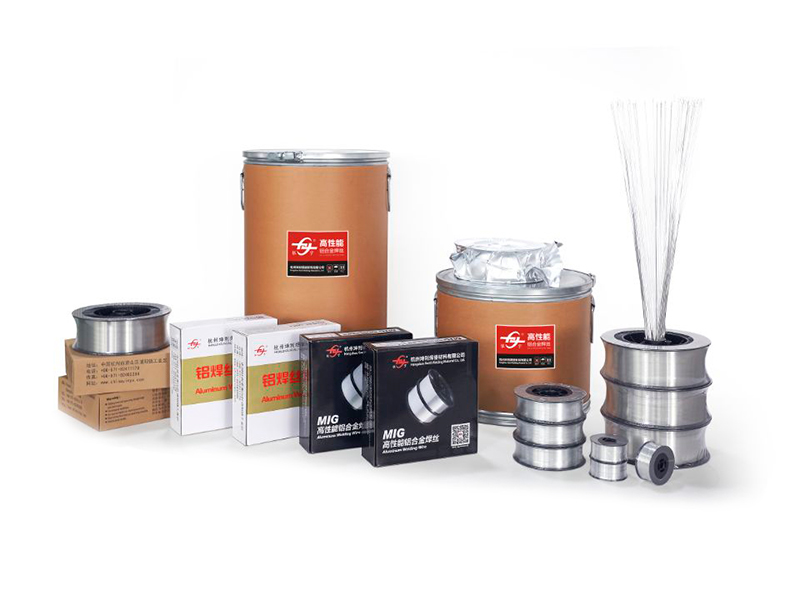
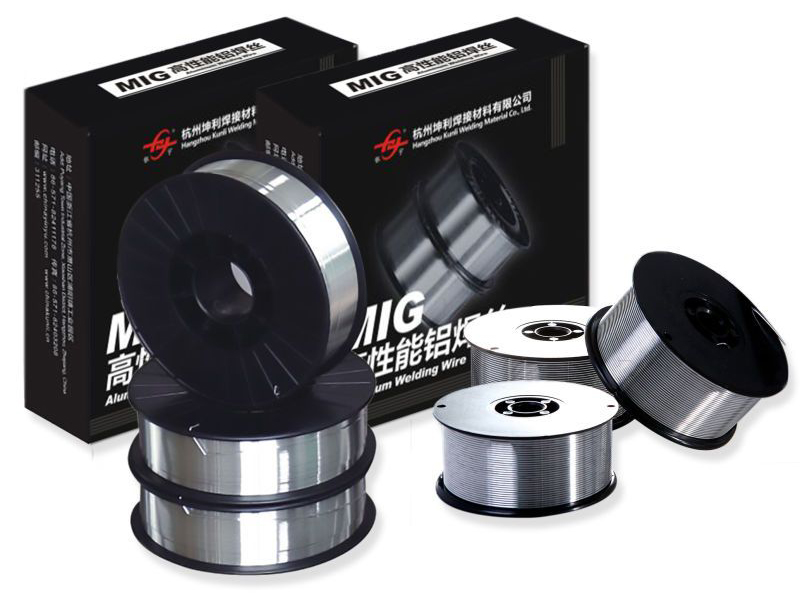
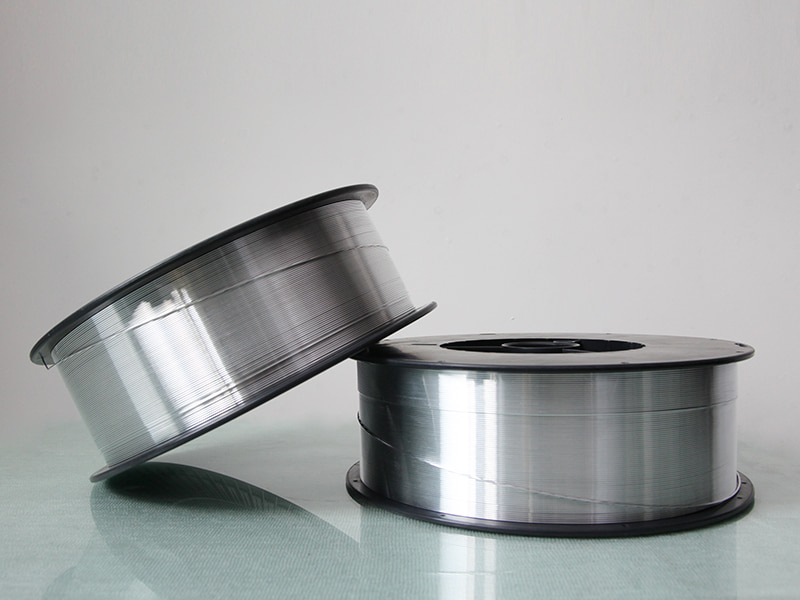
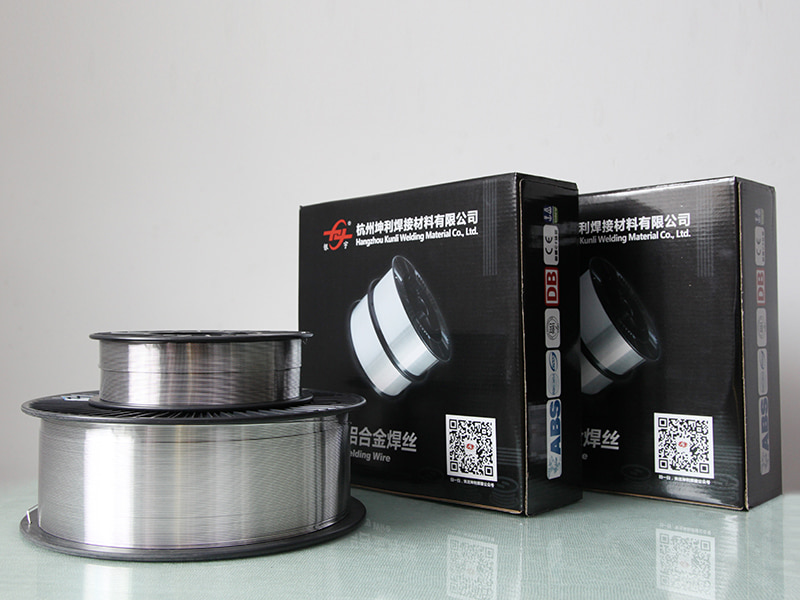
Brazing is a precision process vital for applications like heat exchangers, where leak-tightness and consistent joint strength are paramount. We manufacture high-Silicon aluminum filler materials specifically formulated to optimize the brazing operation. Our wires feature enhanced fluidity and a precise melting range to ensure complete joint penetration without melting the base metal. This expertise in high-silicon wire production, combined with packaging that protects the wire's surface, ensures repeatable, high-integrity joints in both manual and automated furnace brazing lines.
Specification
| Alloy Focus (AWS) | ER4047 (AlSi12), ER4043 (AlSi5) |
| Melting Range (ER4047) | 577∘C−582∘C (Near Eutectic) |
| Key Property | High Capillary Action, Excellent Fluidity, Low Melting Point |
| Flux Compatibility | Optimized for use with common brazing fluxes (e.g., potassium fluoroaluminate) |
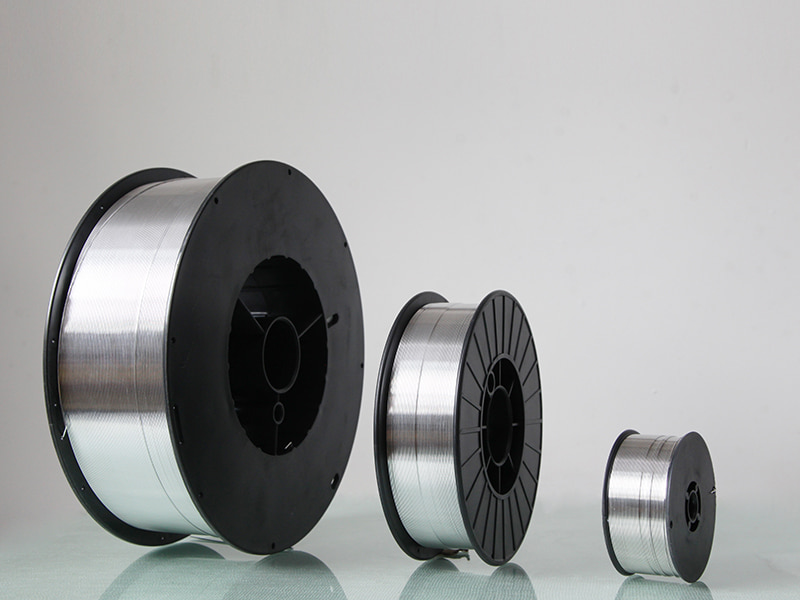
| Typical Diameter | 1.6mm to 3.2mm for TIG/Torch use; small rods for manual insertion |
Applications and Solutions
HVAC/Refrigeration Systems: Brazing aluminum coils, manifolds, and tube assemblies in air conditioning and heat pump units.
Automotive Heat Exchangers: Brazing radiators, intercoolers, and oil coolers, often using flux-cored wire or bare wire with Nocolok flux.
Thin-Walled Component Joining: Applications where welding heat input would cause burn-through or excessive distortion, making brazing the preferred low-distortion solution.
Cast-to-Wrought Connections: Joining dissimilar aluminum components where the high silicon content bridges the metallurgical differences.
FAQ
- Q: What is the main difference between aluminum welding and aluminum brazing?A: Welding melts and fuses the base metal; brazing heats the base metal below its melting point and uses a filler metal (like ER4047) with a lower melting point to flow into the joint by capillary action.
- Q: Can I use ER4043 for brazing?A: Yes, ER4043 (5% Si) can be used, but ER4047 (12% Si) is generally preferred for its lower melting point, providing superior fluidity and a safer temperature margin against melting the base metal.
- Q: Is a flux required for aluminum brazing?A: Yes, flux is almost always required to chemically remove the tenacious aluminum oxide layer, allowing the liquid filler metal to wet and flow across the joint surface effectively. Exceptions exist only for vacuum brazing.
English
Deutsch
English
Deutsch