Introduction
Welding thick aluminum sections presents a dual challenge: achieving complete fusion throughout the deep joint and managing the thermal stress imposed by multiple weld layers. Our thick-section consumables are engineered to address both. We utilize large diameters for maximum deposition efficiency and focus on specific alloy stabilizers (e.g., high Mn/Cr) that prevent excessive grain growth and softening in the Heat-Affected Zone (HAZ) caused by the repeated thermal cycles. This approach ensures high-quality, high-throughput fabrication of large aluminum structures.
Specification
| Plate Thickness Range | 12mm to 50mm (Target) |
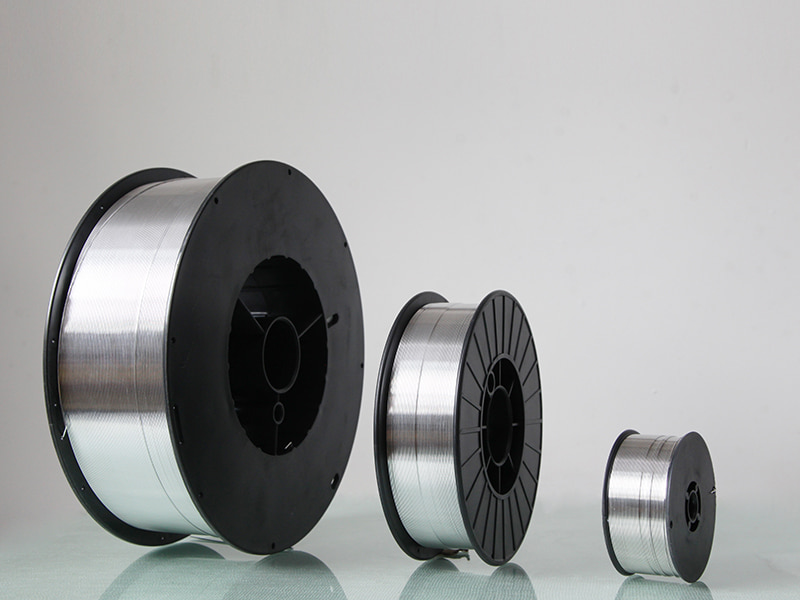
| Diameter Range | 1.6mm, 2.0mm, 2.4mm, 3.2mm |
| Key Alloys | ER5183, ER5556 (High strength 5XXX) |
| Weld Integrity Focus | Resistance to multi-pass cracking, controlled interpass temperature required |
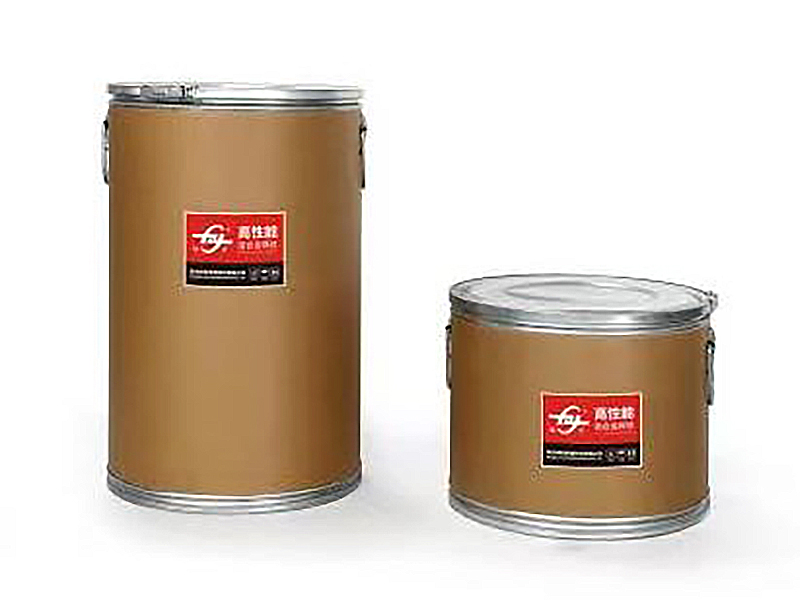
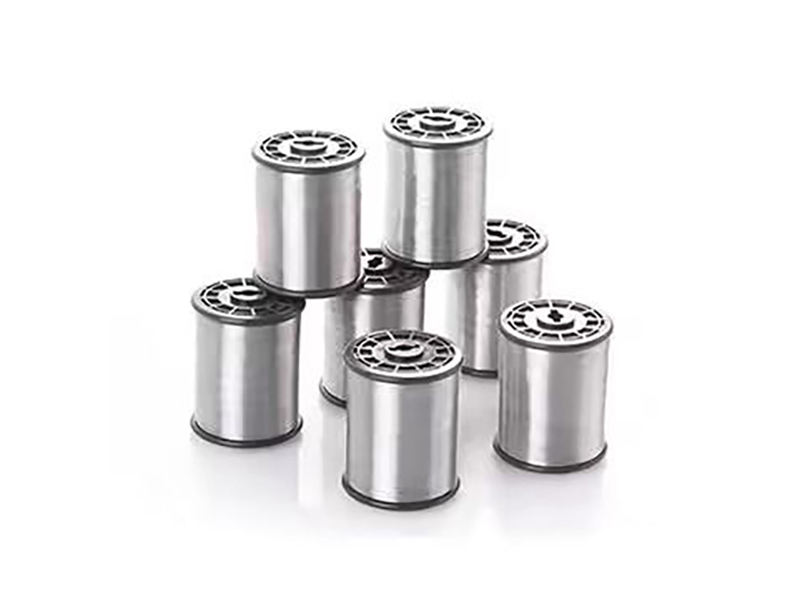
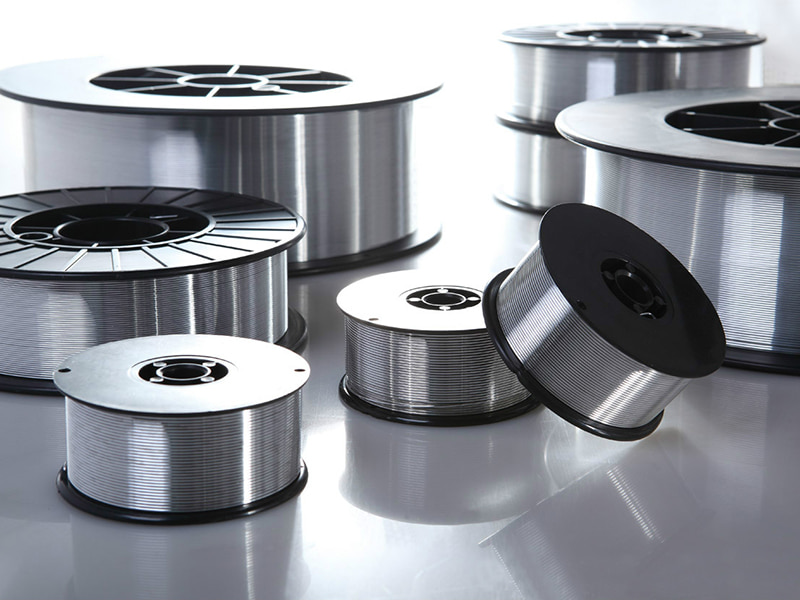
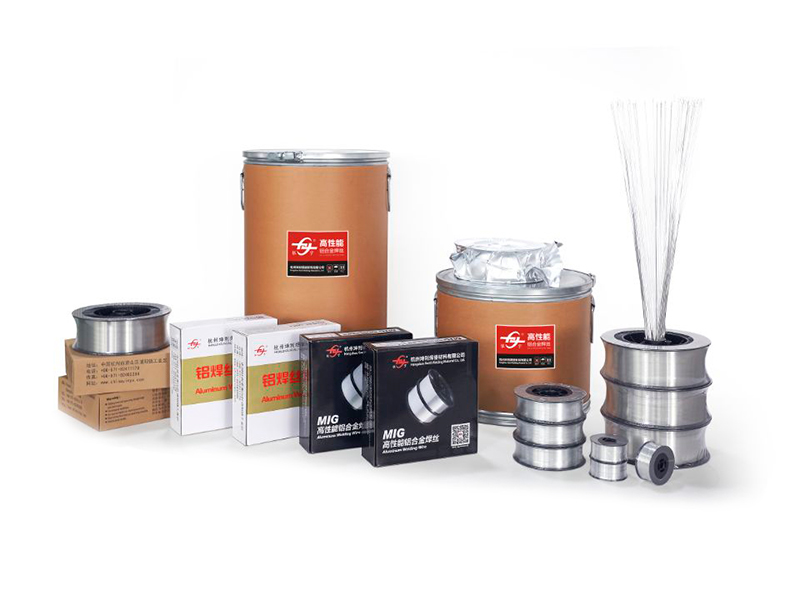
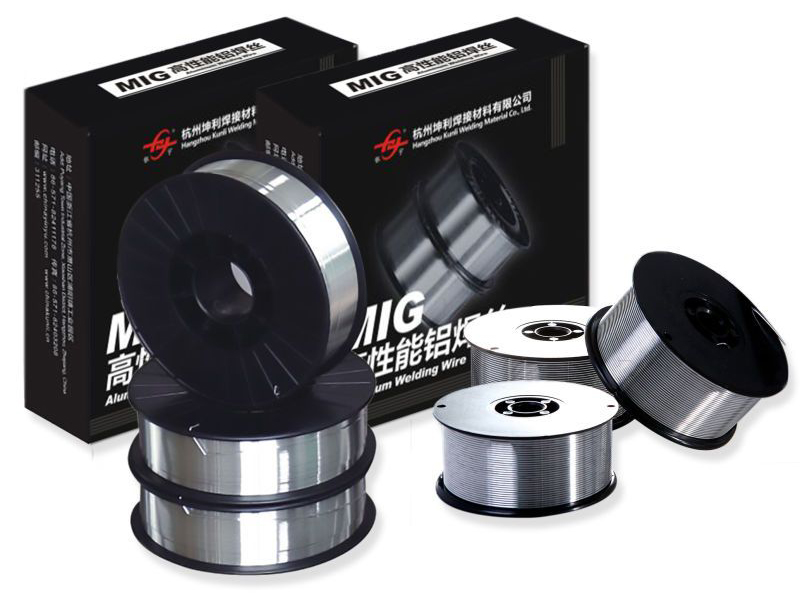
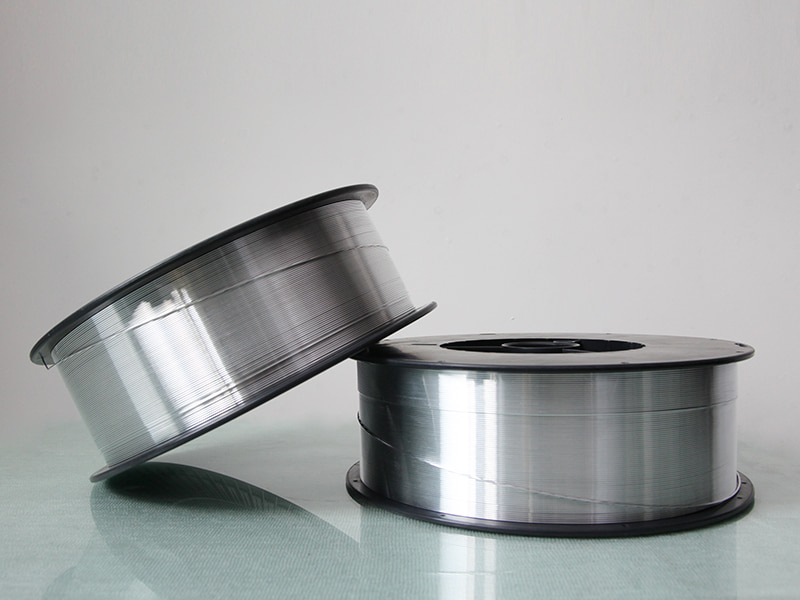
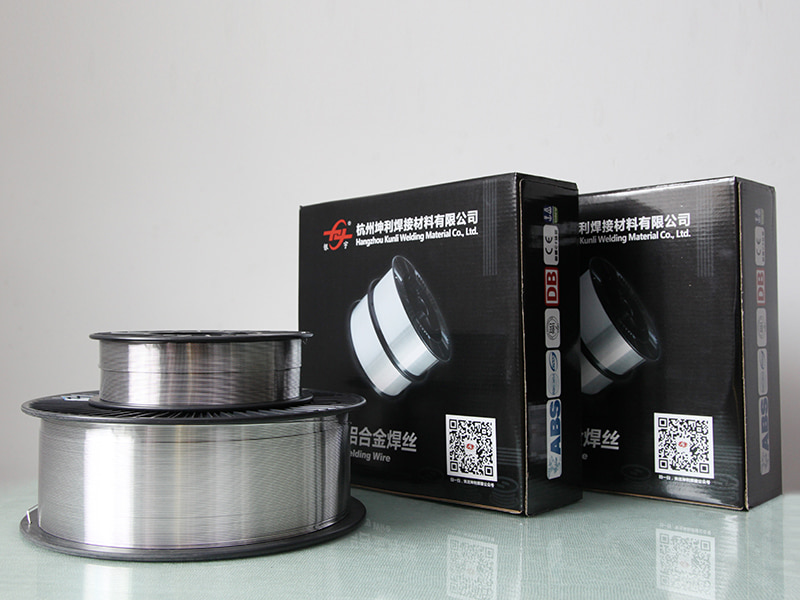
| Packaging Form | Bulk drums (150kg to 250kg) for continuous use and maximum deposition efficiency |
Applications and Solutions
Structural Beams and Girders: Joining large, thick extruded or rolled plates for bridges, cranes, and large industrial supports.
Pressure Vessels and Storage Tanks: Fabrication of longitudinal and circumferential seams in thick-walled vessels requiring high mechanical strength.
Die and Mold Repair: Large diameter TIG rods used for high-deposition repair of massive aluminum casting flaws or worn tooling sections.
Naval and Offshore Fabrication: Multi-pass welding of thick 5083/5456 hull plates where strength and fatigue resistance are mandatory.
FAQ
- Q: Why are larger diameter wires better for thick sections?A: Larger wires allow for a significantly higher current (>300A) and therefore a higher deposition rate. This is necessary to fill the large joint volume efficiently, as using small wire would require too many time-consuming passes.
- Q: How do you prevent cracking in multi-pass welds on thick aluminum?A: Crack mitigation relies on two main factors: 1) Using a highly crack-resistant filler metal like ER5183; and 2) Strict control of interpass temperature and sequencing to manage the high accumulated residual stress in the thick joint.
- Q: Can ER4043 be used on thick sections?A: ER4043 can be used on 6XXX thick sections, but the lower strength and higher susceptibility to HAZ softening under repeated thermal cycling make ER5356 or ER5183 the preferred choice for thick-section structural applications.
English
Deutsch
English
Deutsch