Introduction
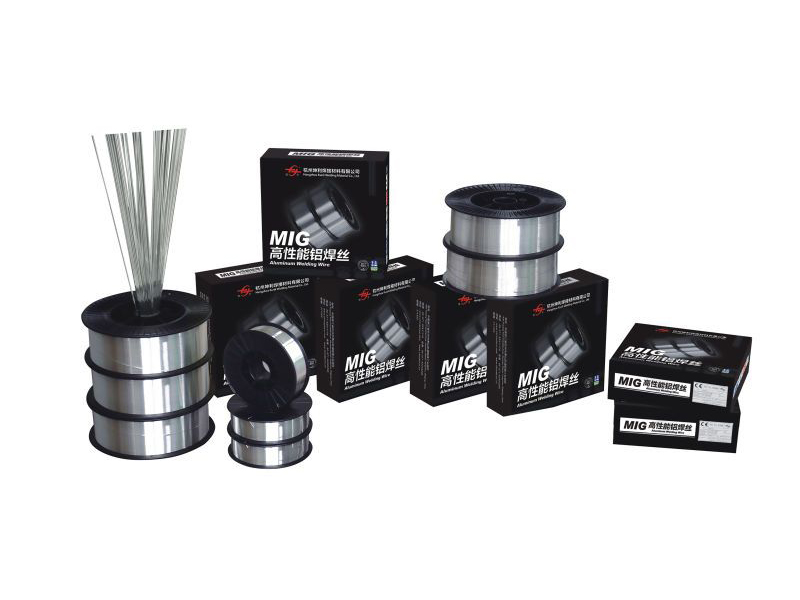
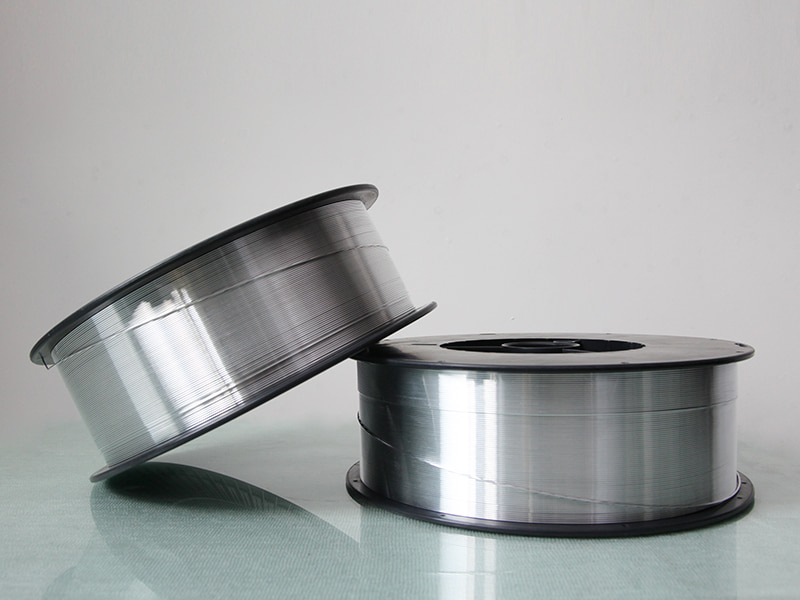
Pulse MIG welding is the industry standard for high-quality, high-speed aluminum fabrication, offering the controlled heat input of TIG with the productivity of MIG. We understand that success in GMAW-P hinges on the consistency of the consumable. Our wires are manufactured with specialized drawing dies and surface finishes to maximize electrical contact efficiency and minimize friction in the conduit. This guarantees the stable electrical signal necessary for the welding machine's software to maintain perfect arc synchronization, delivering defect-free welds with minimal spatter and excellent aesthetic bead profile.
Specification
| Welding Process | GMAW-P (Pulsed Gas Metal Arc Welding) |
| Key Alloys | ER5356 (High strength), ER4043 (Flow/Crack Resistance) |
| Diameter Tolerance | ±0.01mm maximum deviation |
| Surface Finish Metric | Optimized μ-ohm contact resistance for stable arc ignition |
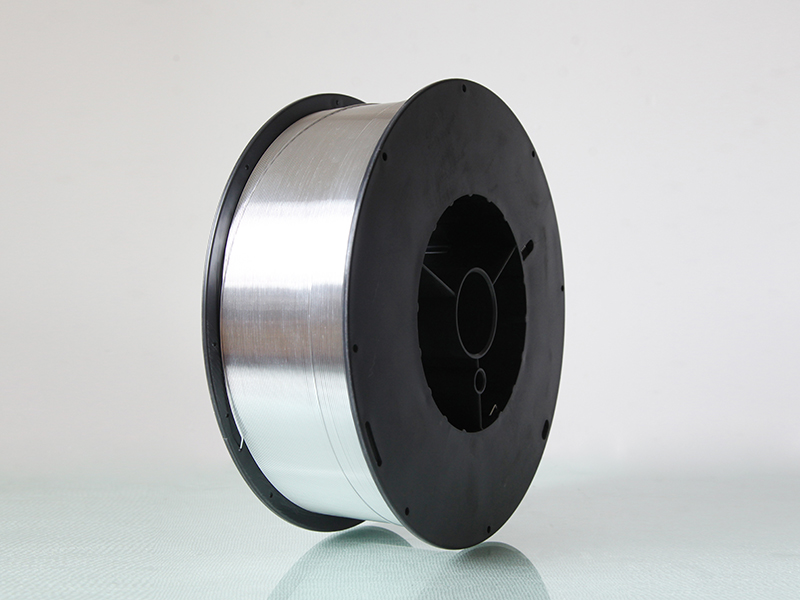
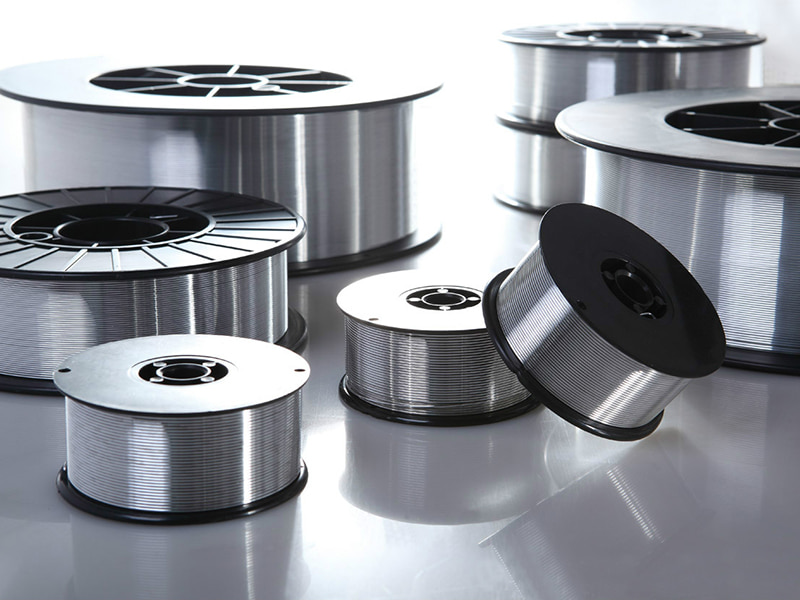
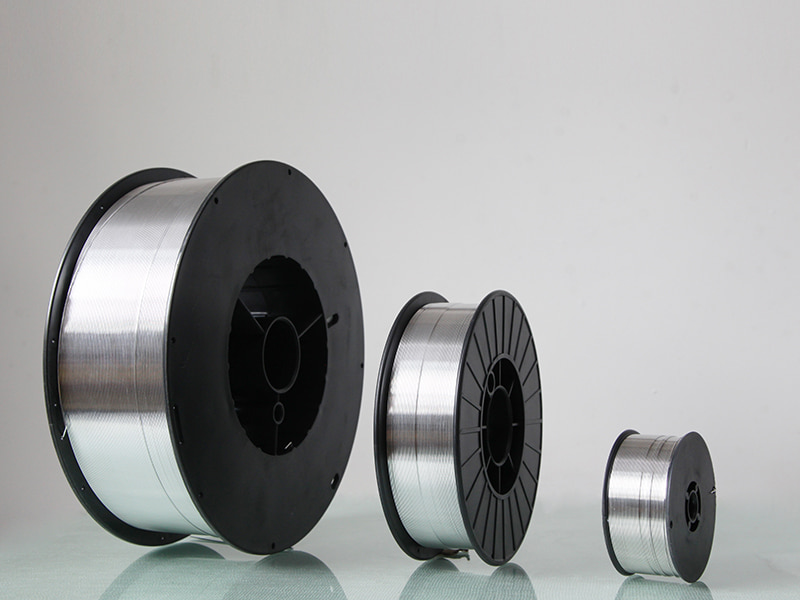
| Required Winding | Precision Layer Wound (PLW) for flawless feeding at high speeds |
Applications and Solutions
Thin to Medium Thickness Aluminum: Welding materials from 1.5mm to 6mm where controlled heat input is essential to prevent distortion.
Aesthetic Welds: Fabrication of visible components in automotive, trailers, and architectural structures where a fine ripple pattern is desired.
Position Welding (Vertical/Overhead): The low-heat, controlled droplet transfer of Pulsed MIG makes it superior for out-of-position welding compared to traditional spray transfer.
Robotic Welding Cells: Essential for high-speed automated systems that rely on repeatable, stable arc characteristics for consistent joint quality and reduced robot programming complexity.
FAQ
- Q: What is the main benefit of using Pulsed MIG over standard Spray Transfer for aluminum?A: Pulsed MIG provides the energy needed for spray transfer while keeping the heat input low during the background phase. This results in controlled droplet size, less distortion, and better control for thin materials and out-of-position welds.
- Q: Does my filler wire need to be highly cleaned for Pulse MIG?A: Absolutely. Any surface contaminant (oxide, oil) on the wire disrupts the electrical contact, leading to inconsistent pulse formation, arc instability, and porosity—which defeats the purpose of the precision process.
- Q: Can I use Pulse MIG for welding cast aluminum?A: Yes. When paired with high-flow fillers like ER4043, Pulsed MIG offers precise control over the puddle, making it an excellent process for repairing thicker cast aluminum sections without overheating.
English
Deutsch
English
Deutsch