Introduction
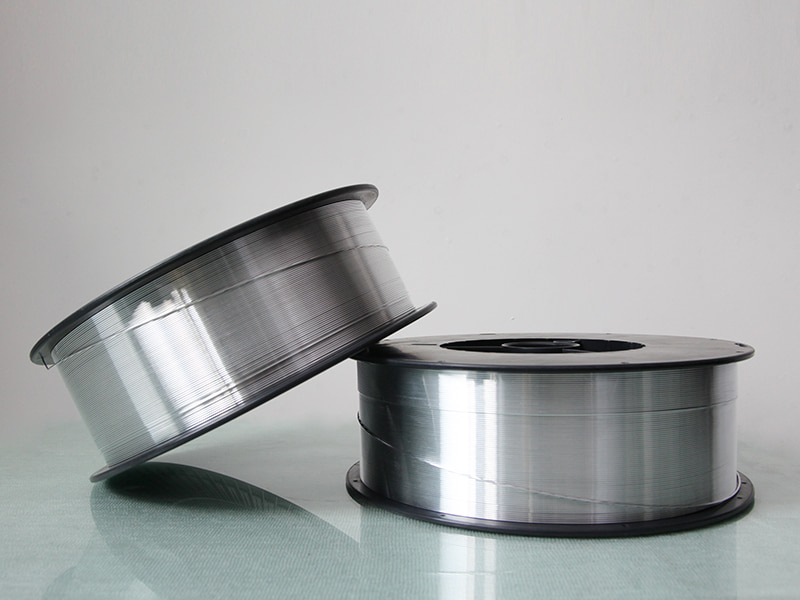
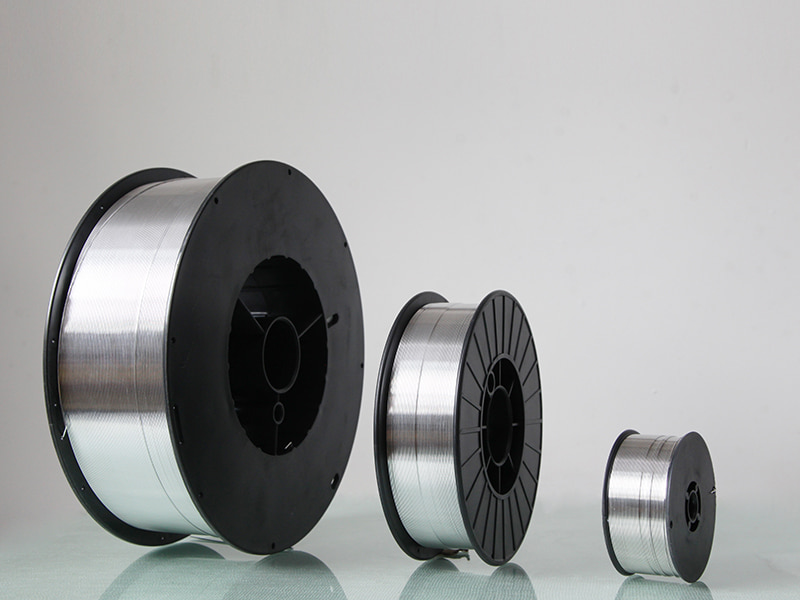
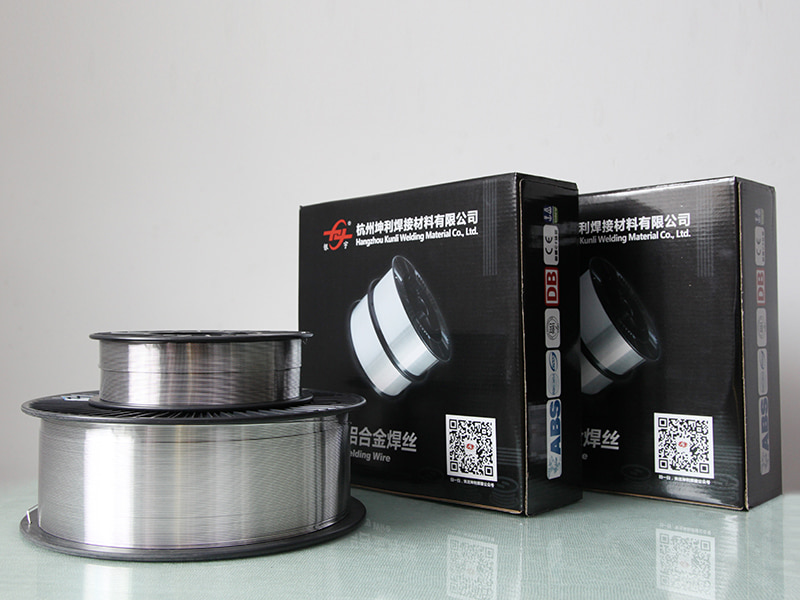
High heat input welding is often necessary for achieving the required penetration and deposition rate in thick-plate fabrication. However, it places immense stress on the filler metal and base metal integrity. Our wire is engineered to resist metallurgical degradation under these conditions. The alloy composition includes elements that pin grain boundaries, stabilizing the microstructure and minimizing the detrimental effects of slow cooling, providing a solution that allows fabricators to maximize efficiency without sacrificing the weld's structural performance.
Specification
| Alloy Focus | ER5183, ER5556 (high strength, micro-stabilized) |
| Key Additives | Chromium (Cr) and Manganese (Mn) for microstructure stabilization |
| Required Properties | High resistance to hot tearing and weld metal softening in the HAZ |
| Typical Current Range | 400A to 600A (GMAW-P and Spray Transfer) |
| Weld Profile Focus | Optimized for deep penetration and minimal fusion boundary irregularities |
Applications and Solutions
Automated Plate Welding: Used in mechanized systems for joining large, thick aluminum plates in shipbuilding and infrastructure projects.
Root and Hot Passes: Specifically utilized for high-amperage root passes that demand deep, consistent fusion and minimal defects.
Large Circumferential Seams: Automated welding of massive storage tanks or pressure vessels where the continuous, high-amperage welding process generates significant residual heat.
High-Speed Tandem MIG: Supplying material for tandem or twin-arc systems that combine two high-current arcs to achieve maximum deposition.
FAQ
- Q: Does high heat input welding increase the risk of solidification cracking?A: Yes, especially in some alloys. However, our materials are selected (e.g., ER5183) and chemically stabilized to resist hot tearing even under the slow cooling conditions typical of high heat input processes.
- Q: How do Chromium and Manganese additions help in high heat input?A: Chromium (Cr) and Manganese (Mn) form fine dispersoids (Al12Mg2Cr or Al6Mn) which pin the aluminum grain boundaries. This prevents excessive grain growth (coarsening) in the weld and HAZ, which is key to maintaining strength and toughness.
- Q: Is there a maximum interpass temperature for high heat input welding?A: Yes. For high-strength 5XXX alloys, the maximum interpass temperature must be strictly controlled, typically staying below 93∘C (200∘F) to prevent the formation of precipitates that cause stress corrosion cracking (SCC) risk.
English
Deutsch
English
Deutsch