Introduction
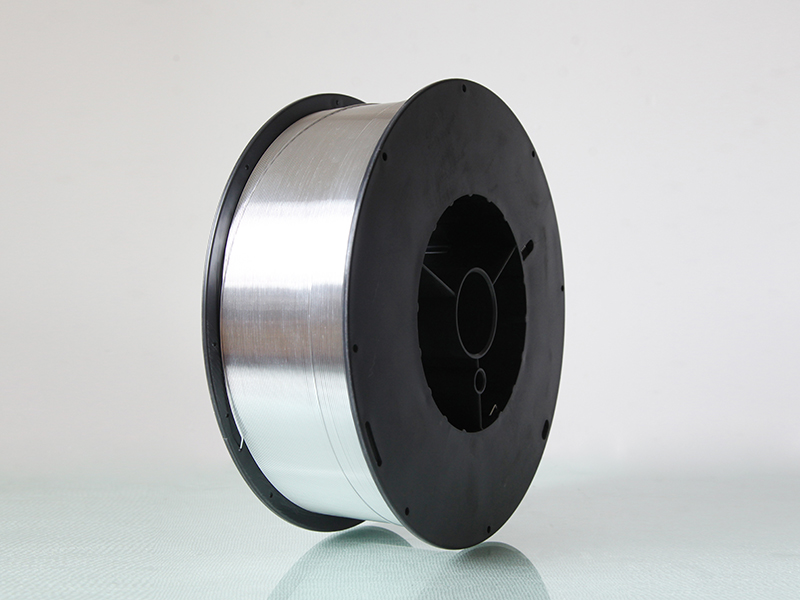
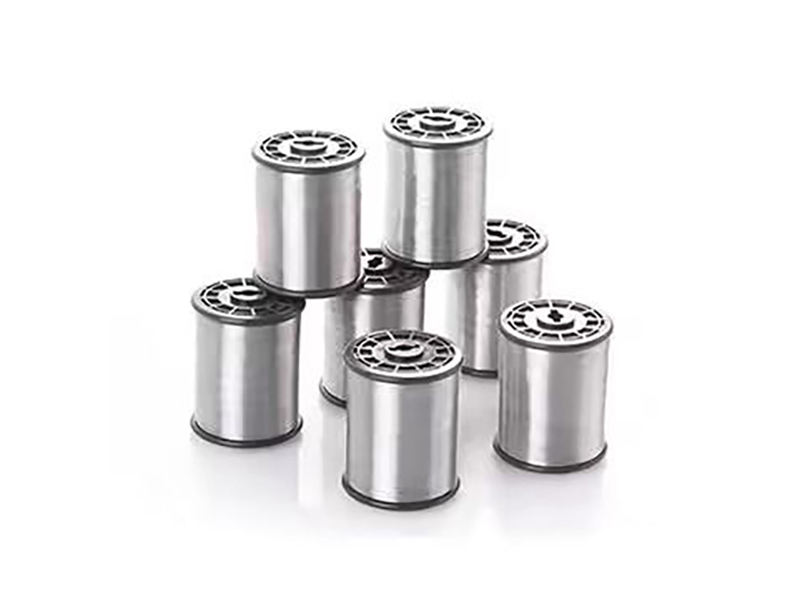
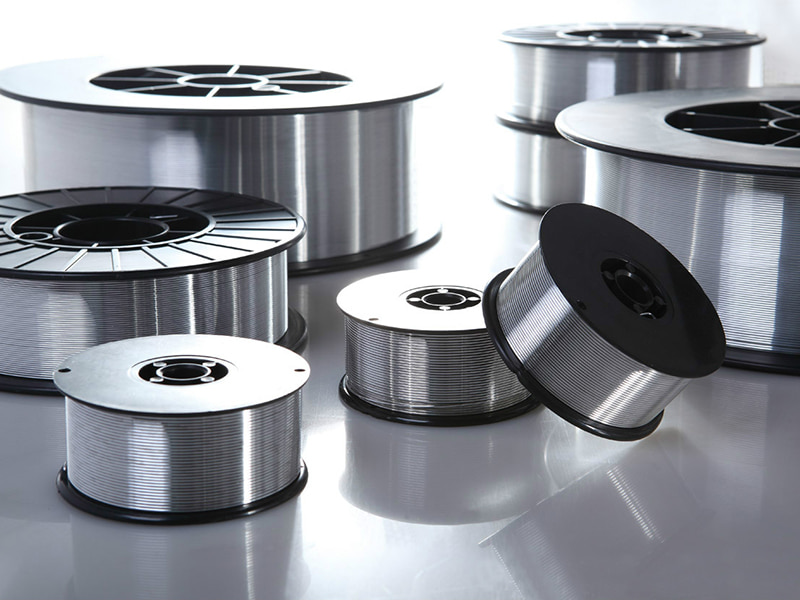
Vacuum brazing is a high-technology, flux-free joining process essential for high-integrity components like aerospace heat exchangers and nuclear reactor parts. We provide the consumables that meet the demanding purity and cleanliness required for this process. Our wire undergoes multiple cleaning stages and is handled and packaged under controlled humidity conditions to guarantee absolute minimal levels of hydrogen and surface oxides. This meticulous control ensures perfect wetting and flow in the vacuum environment, resulting in joints that are structurally sound and chemically pure.
Specification
| Brazing Process | Vacuum Brazing (Flux-Free) |
| Filler Alloy Focus | ER4047 (Al-Si Eutectic) and Al-Si-Mg variants |
| Contaminant Control | Strict limits on residual H2O, oxides, and volatile elements (Mg,Zn) |
| Brazing Temperature | Controlled to be between the base metal solidus and filler liquidus |
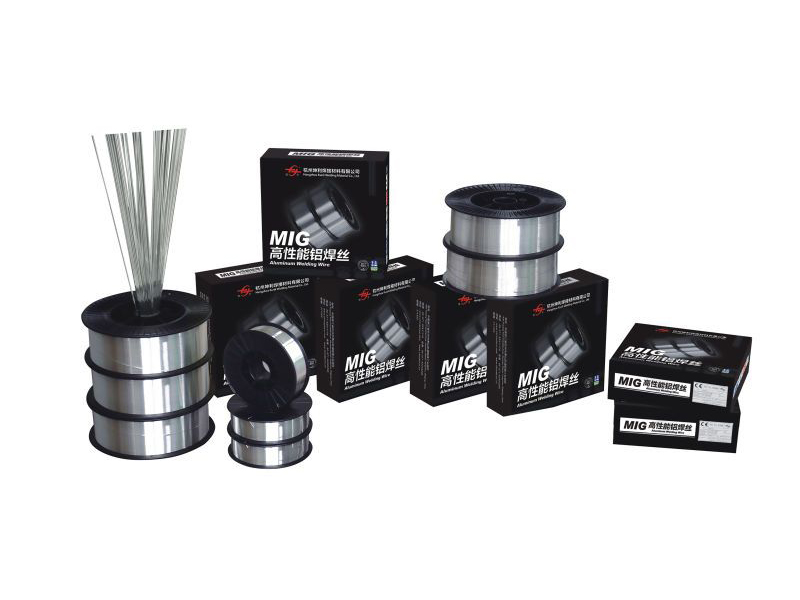
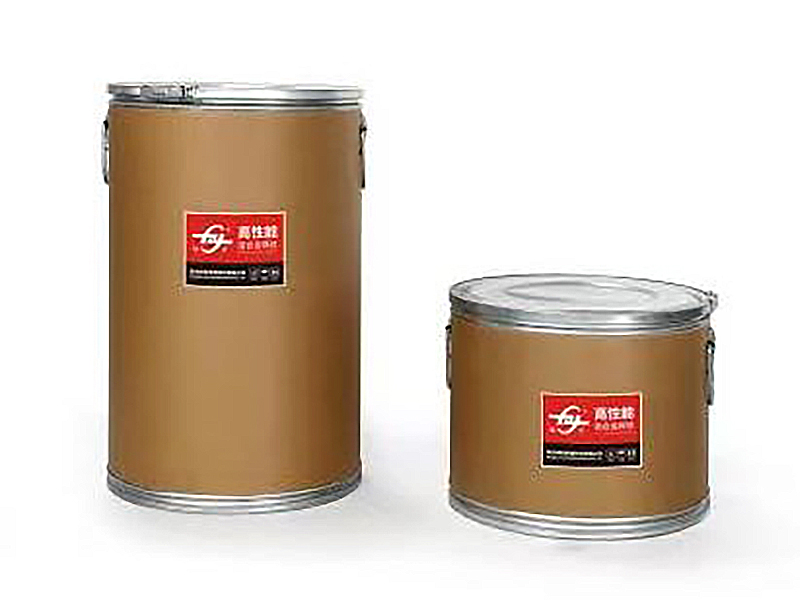
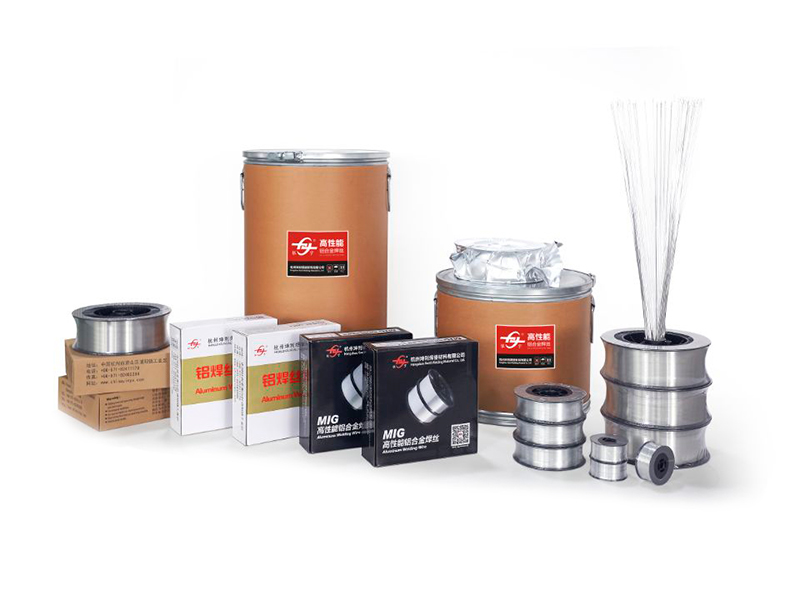
| Packaging | Sealed, dry-nitrogen purged bags/containers |
Applications and Solutions
Aerospace Heat Exchangers: Brazing complex, multi-layered aluminum plate-fin and bar-plate heat exchangers for aircraft and spacecraft.
Cryogenic Systems: Brazing components and sensors for cryogenic storage and transfer systems where joint integrity is crucial.
Electronic Cooling: Brazing aluminum cold plates and complex cooling pathways for high-power electronics and data centers.
High-Purity Systems: Joining components for scientific research and semiconductor manufacturing where absolute joint purity is required.
FAQ
- Q: Why are surface oxides a problem in vacuum brazing?A: In flux-free vacuum brazing, a high-quality vacuum is needed to break down the aluminum oxide layer. If the filler wire has excessive oxide, the process may not fully remove it, preventing the molten filler metal from wetting and bonding with the base metal.
- Q: Can I use ER5356 for vacuum brazing?A: No. High-Magnesium alloys like ER5356 contain volatile elements that vaporize in a high vacuum, severely contaminating the expensive furnace environment and interfering with the brazing process. Al-Si alloys are required.
- Q: What is the main cost benefit of vacuum brazing wire?A: The primary benefit is the elimination of post-braze flux residue removal (e.g., rinsing, etching), which is costly and labor-intensive, and the high quality/purity of the resulting joint.
English
Deutsch
English
Deutsch