 English
  Deutsch

Aluminum Welding Wire
Wholesale Aluminum Welding Wire Manufacturers
-
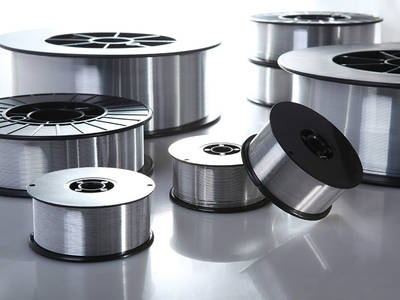 View More
ER4043 Silicon Aluminum Welding Wire
-
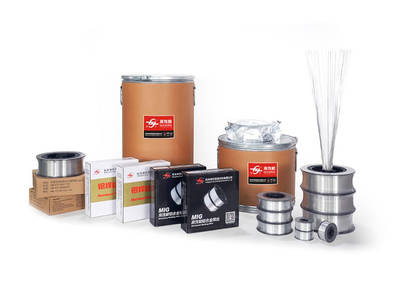 View More
ER4047 Aluminum Mig Welding Wire
-
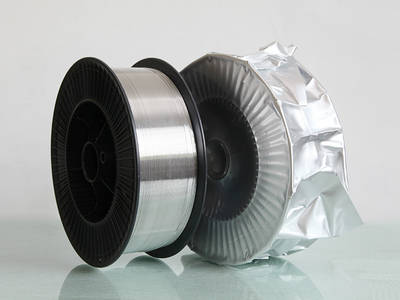 View More
ER5154 Al-Mg Alloy Wire
-
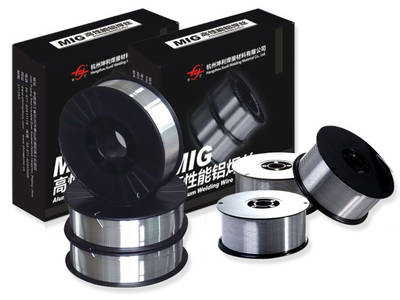 View More
ER5087 Magnesium Aluminum Welding Wire
-
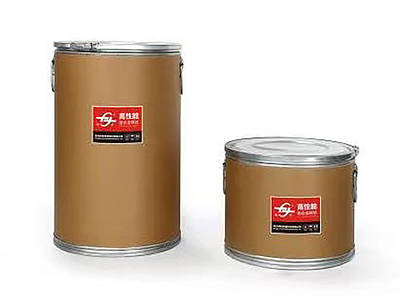 View More
Aluminum Welding Wire ER5183
-
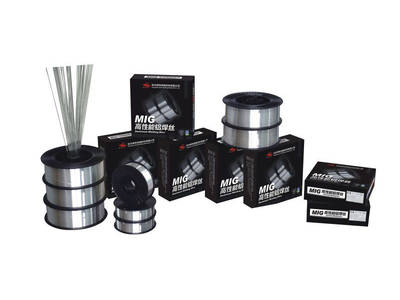 View More
Aluminum Welding Wire ER5356
-
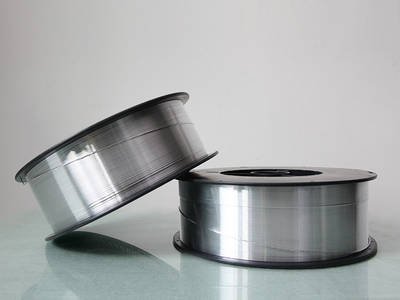 View More
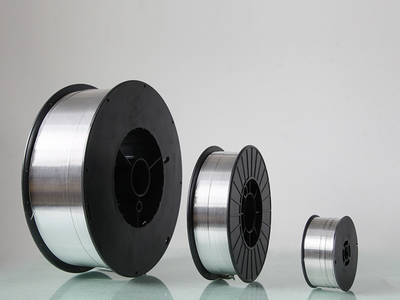
ER5554 Aluminum Welding Wire
-
 View More
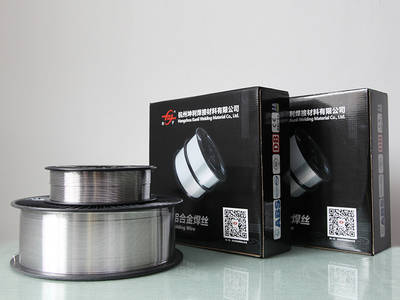
ER5556 Aluminum Welding Wire
-
 View More
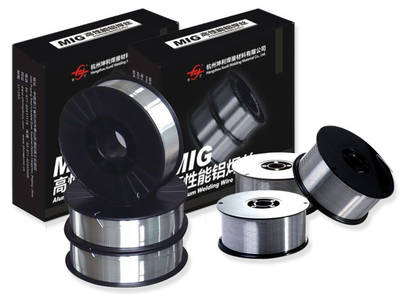
ER1100 Aluminum Welding Wire
-
 View More
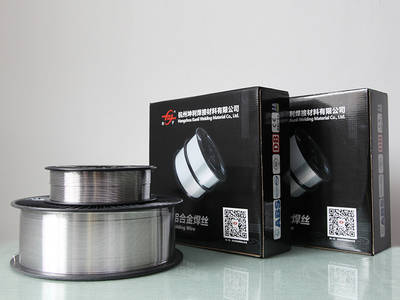
ER5754 Aluminum Welding Wire
-
 View More
ER2319 Aluminum Welding Wire
-
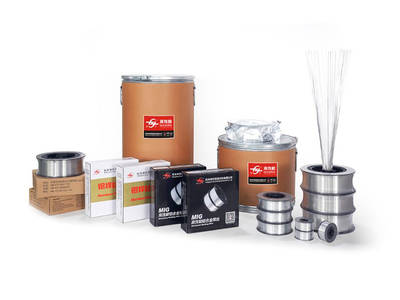 View More
Special Al Alloy Welding Wire
About Us
Coming From China, Marketing To The World.

::: Last News :::
-
What Should Manufacturers Know About Aluminum...
Aug 10, 2026
A purchasing manager at a metal fabrication shop once described the moment a filler mismatch shows up: not during welding, but ...
-
A Complete Guide to Aluminum Welding Wire and...
Aug 05, 2026
A lot of production headaches trace back to one overlooked decision: the filler wire. Someone orders a spool because it's what th...
-
Why Silicon Aluminum Filler Metal Fits Lightw...
Aug 03, 2026
A production manager at a company building aluminum bike frames used to dread switching between different frame models on the same...
-
ER5754 Aluminum Welding Wire: Properties, App...
Aug 06, 2026
Marine structures and automotive aluminum bodies both need a filler metal that won't corrode the moment saltwater or road weather...
Industry Information Extension
Aluminum welding wire is a core material in modern welding technology, widely used in key industries such as automotive, aerospace, shipbuilding, and construction. It offers outstanding advantages, including low weight, great corrosion resistance, and high thermal conductivity, enabling strong and durable joints between aluminum components that fully meet the demands of various welding applications.
What is Aluminum Welding Wire?
Aluminum welding wire is a type of filler metal that is used in the process of aluminum welding. It is made from aluminum alloy and is used to join two pieces of aluminum together. The wire is fed through a welding gun and is melted by the heat of the welding process, filling the gap between the two pieces of aluminum and bonding them together. Aluminum welding wire is typically available in a variety of alloys and diameters to suit different welding applications.
Advantages of Aluminum Welding Wire
There are several advantages of using aluminum welding wire for welding aluminum:
- Lightweight: Aluminum is a lightweight metal, which makes it easy to handle and transport. This makes it an ideal choice for welding applications where weight is a concern.
- High thermal conductivity: Aluminum has a high thermal conductivity, which allows for efficient heat transfer during the welding process. This helps to reduce the risk of warping or distortion of the metal.
- Good corrosion resistance: Aluminum has good corrosion resistance, which makes it suitable for use in outdoor and marine applications.
- High strength: When welded properly, aluminum can have a high strength-to-weight ratio, making it suitable for use in structures and other applications where strength is important.
- Low cost: Aluminum is a relatively low-cost metal, which makes it an economical choice for many welding applications.
- Easy to clean: Aluminum is easy to clean and maintain, which makes it suitable for use in food processing, pharmaceutical and other clean room applications
Key Properties
|
Property |
Description |
|
Strength |
High tensile and yield strength ensures durable welds. |
|
Corrosion Resistance |
Naturally forms a protective oxide layer for long-term protection. |
|
Electrical Conductivity |
Excellent for current flow during welding and in electrical applications. |
|
Lightweight |
Reduces total component weight, improving efficiency. |
|
Thermal Conductivity |
Allows even heat distribution during welding, reducing defects. |
Common Aluminum Welding Wire Grades
Aluminum welding wires come in several grades, each designed to meet specific mechanical and performance requirements. The selection of the right grade is critical for achieving better weld quality, strength, and corrosion resistance.
1. ER5087 Aluminum Welding Wire
ER5087 is an advanced aluminum-magnesium alloy welding wire that provides enhanced corrosion resistance and mechanical strength. It contains trace amounts of zirconium, which improves grain structure and helps prevent hot cracking during welding.
Key Features:
- Excellent corrosion resistance, especially in marine and saltwater environments
- Improved strength compared to ER5356
- Good weldability with smooth arc stability
- Suitable for anodizing applications
Typical Applications:
- Shipbuilding, offshore structures, chemical processing tanks, and marine components requiring high corrosion protection and structural integrity.
2. ER4943 Aluminum Welding Wire
ER4943 is a modern alternative to the traditional ER4043 alloy, offering improved mechanical properties and higher strength while maintaining excellent weldability. It delivers smooth feeding performance and produces a clean, bright weld finish.
Key Features:
- Higher tensile strength than ER4043
- Excellent fluidity and wetting action during welding
- Reduced cracking tendency in heat-treated applications
- Compatible with most 6xxx series aluminum alloys
Typical Applications:
- Automotive body panels, general fabrication, and welding of aluminum structures where both strength and appearance are important.
3. ER5356 Aluminum Welding Wire
ER5356 is one of the most widely used aluminum welding wires, known for its exceptional strength and corrosion resistance. With a magnesium content of about 5%, it provides strong, ductile welds that perform well under mechanical stress.
Key Features:
- High tensile and yield strength
- Excellent resistance to saltwater and chemical corrosion
- Versatile and suitable for both MIG and TIG welding
- Produces smooth, consistent arc performance
Typical Applications:
- Automotive, marine, aerospace, and transportation industries — particularly in components requiring high strength and durability, such as fuel tanks, frames, and pressure vessels.
4. ER5183 Aluminum Welding Wire
ER5183 is a high-strength aluminum-magnesium alloy wire designed for demanding structural applications. It offers great toughness and resistance to stress cracking, making it ideal for use in environments exposed to extreme conditions.
Key Features:
- Outstanding strength and ductility
- Excellent corrosion resistance, even in harsh marine atmospheres
- Ideal for heat-treated or high-stress aluminum alloys
- Maintains performance under vibration and dynamic load conditions
Typical Applications:
- Aerospace, marine, offshore engineering, cryogenic vessels, and heavy-duty structural components where weld integrity is crucial.
|
Grade |
Key Features |
Applications |
|
ER5087 |
Strong, anti-corrosion, anodizing, anti-crack |
Marine, shipbuilding, chemical tanks |
|
ER4943 |
Higher strength, smooth weld, low crack |
Auto panels, fabrication |
|
ER5356 |
High strength, corrosion-resistant, MIG/TIG use |
Auto, marine, aerospace |
|
ER5183 |
Tough, ductile, stress & corrosion resistant |
Aerospace, marine, heavy-duty use |
Choosing the Right Grade
Selecting the correct aluminum welding wire grade depends on the base material, welding environment, and mechanical requirements of the project.
- ER5356 and ER5183 are preferred for high-strength structural applications.
- ER4943 offers nice weldability and appearance for general fabrication.
- ER5087 is ideal for marine and chemical-resistant environments.
Aluminum Welding Wire vs Copper and Steel Wires
Aluminum welding wire has emerged as a preferred material in modern fabrication, offering a combination of strength, lightness, and durability that sets it apart from traditional copper and steel wires.
1. Strength-to-Weight Ratio
Aluminum welding wire is significantly lighter than steel while providing comparable strength. This makes it ideal for applications where reducing structural weight is critical, such as:
- Aerospace components
- Automotive frames
- Transportation and heavy machinery parts
The reduced weight also improves handling and lowers installation costs, making aluminum a practical choice for large-scale projects.
2. Corrosion Resistance
Unlike steel, which is prone to rust, aluminum naturally forms a protective oxide layer that resists corrosion. Certain aluminum alloys further enhance resistance to:
- Saltwater and marine environments
- Moisture and humidity
- Chemical exposure in industrial settings
This makes aluminum welding wire particularly suitable for shipbuilding, offshore platforms, and outdoor construction projects.
3. Cost Efficiency
Aluminum welding wire is generally more cost-effective than copper. Key advantages include:
- Lower raw material cost per unit
- Reduced transportation expenses due to lighter weight
- Long-term savings from minimal corrosion maintenance
Although copper provides slightly higher electrical conductivity, aluminum strikes a balance between performance, durability, and overall cost, especially for large-scale production.
4. Electrical and Thermal Conductivity
Aluminum welding wire maintains great conductivity for electrical and welding applications. Its high thermal conductivity allows for:
- Even heat distribution during welding
- Reduced risk of weld defects
- Efficient power transmission in structural and industrial components
5. Durability and Mechanical Performance
Aluminum alloys are highly ductile, allowing them to absorb stress without breaking. They also resist fatigue, cracking, and long-term environmental degradation. Compared with steel:
- Lighter weight reduces stress on supporting structures
- Corrosion resistance ensures long-term performance
- High toughness allows reliable welds in dynamic or vibrating conditions
6. Recommended Applications
Aluminum welding wire is suitable for industries requiring a combination of light weight, strength, and corrosion resistance:
- Aerospace: Lightweight structural panels and fuselage components
- Automotive: Vehicle chassis, fuel tanks, and body panels
- Marine & Offshore: Ships, docks, and platforms
- Construction: Aluminum frameworks and panels
- Industrial Fabrication: Tanks, pressure vessels, and mechanical assemblies
| Feature | Key Points | Applications |
|---|---|---|
| Strength | Light, strong | Aerospace, automotive, machinery |
| Corrosion | Oxide layer, salt & moisture resistant | Marine, offshore, outdoor |
| Cost | Low material & transport cost | Large projects |
| Conductivity | Good electrical & thermal | Welding, industrial use |
| Durability | Ductile, fatigue-resistant | Vibrating/dynamic structures |
| Use | Lightweight, strong, corrosion-resistant | Aerospace, automotive, marine, construction |
How to Choose the Right Aluminum Welding Wire
Selecting the appropriate aluminum welding wire is crucial to achieving strong, durable, and defect-free welds. Making the wrong choice can result in weak joints, corrosion issues, and costly rework.
1. Alloy Type Compatibility
Aluminum welding wires are available in a variety of alloy grades, each designed for specific applications. Commonly used alloys include ER4043, ER5356, and ER5183. Selecting a wire that is compatible with the base material ensures proper fusion, reduces the risk of cracking, and maintains the mechanical strength of the finished joint.
- ER4043: Ideal for general-purpose applications, offering good corrosion resistance and smooth welding characteristics.
- ER5356: Preferred for high-strength and marine applications, providing suitable resistance to saltwater and environmental stress.
- ER5183: Suited for heavy-duty structures requiring ideal toughness and stress resistance.
2. Joint Design and Welding Position
The geometry of the joint and the welding position play a critical role in wire selection. For example:
- Butt joints may require wires with great penetration.
- Fillet welds might benefit from wires that flow smoothly and minimize porosity.
- Overhead or vertical positions often demand wires with stable feed rates and arc control.
- Evaluating these factors ensures consistent weld quality and reduces defects such as incomplete fusion or slag inclusion.
3. Mechanical Strength Requirements
Different aluminum alloys exhibit varying tensile and yield strengths. Choosing a welding wire that meets the mechanical demands of your project is essential, especially for structural, automotive, or aerospace applications. The right wire enhances joint performance, improves load-bearing capacity, and ensures long-term durability.
4. Environmental Exposure
Consider the operating environment where the welded component will be used. Aluminum welding wires differ in their resistance to corrosion, humidity, and saltwater exposure. For marine, outdoor, or industrial environments, selecting a corrosion-resistant wire like ER5356 or ER5183 ensures longevity and reduces maintenance requirements.
5. Reliable Suppliers and Manufacturers
Partnering with a trusted supplier guarantees consistent wire quality, technical support, and guidance on material selection. Hangzhou Kunli Welding Materials Co., Ltd is an aluminum welding wire manufacturers in China, specializing in high-purity products with precision winding and corrosion-resistant coatings. Their range of welding wires, including ER4943, ER5356, and ER5183, is designed to deliver stable performance in demanding industrial settings.

QUICK LINKS
PRODUCT
CONTACT US
-
Jianpu Road no.2 Puyang Town Xiaoshan District Hangzhou Zhejiang China 311255
-
+86-0571-82403878
-
+86-0571-82403208
-
rich@chinayinyu.com
MOBILE TERMINAL
BE THE FIRST TO KNOW
Copyright © Hangzhou Kunli Welding Materials Co., Ltd. Rights Reserved.
