English
  Deutsch


ER4043 Wire Guide: Technical Specifications, Usage & Comparisons
Article Directory
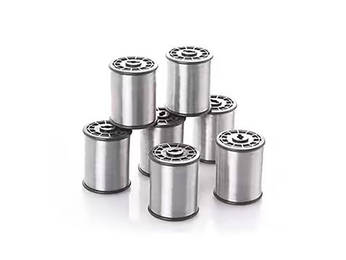
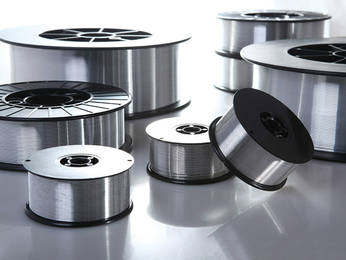
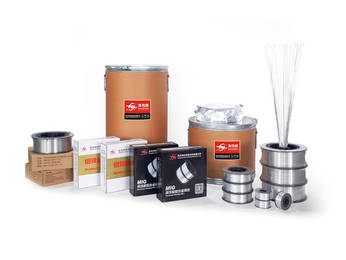
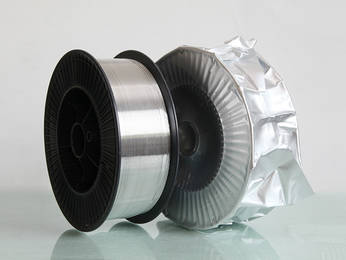
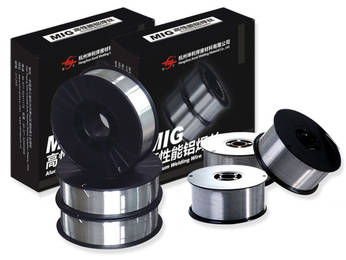
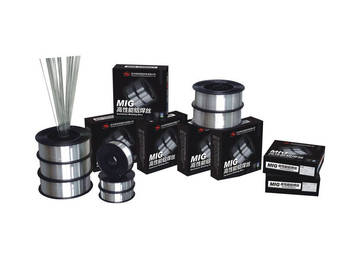
er4043 wire is a specialized aluminum filler metal primarily utilized for welding 6xxx series aluminum alloys, such as 6061 and 6063. Its core functional advantage lies in its 5% silicon content, which significantly increases the fluidity of the weld pool and reduces the risk of solidification cracking. This makes it the most widely used "general purpose" aluminum welding wire for applications ranging from automotive components to bicycle frames and heat exchangers.
What is ER4043 and What Does the Name Stand For?
In the AWS (American Welding Society) classification system, the designation for er4043 wire carries specific technical meanings. The "ER" indicates that the material is an "Electrode" or "Filler Rod." The first digit "4" identifies the alloy series (4xxx), which is characterized by silicon as the primary alloying element. The final digits "043" refer to the specific chemical composition and purity standards required for this particular aluminum-silicon grade.
Alloy Composition and Material Characteristics
The er4043 wire is a 5% Silicon (Si) aluminum alloy. The inclusion of silicon lowers the melting point of the filler metal compared to the base metal, which provides a broader "mushy range" during cooling. This metallurgical property is critical for preventing "hot cracking," a common failure in aluminum joints where the weld metal pulls apart as it solidifies.
| Element | Percentage (Typical) | Technical Function |
| Silicon (Si) | 4.5% - 6.0% | Reduces melting point and increases weld pool fluidity. |
| Iron (Fe) | Max 0.8% | Controls grain structure in the solidified weld. |
| Copper (Cu) | Max 0.3% | Provides minor strength adjustments. |
| Aluminum (Al) | Remainder | Base matrix of the filler material. |
Primary Industrial Applications
Because of its excellent wetting action and bright weld finish, er4043 wire is the standard choice for manufacturing and repair work that involves thin-gauge aluminum or components where aesthetic appearance is prioritized. It is frequently found in:
- Automotive engine blocks, drive shafts, and radiator supports.
- Residential and commercial furniture manufacturing.
- Architectural structures such as window frames and railings.
- Industrial tanks and chemical processing piping.
The Technical Difference Between ER4043 and ER5356
Selecting between ER4043 and ER5356 is one of the most critical decisions in aluminum fabrication. While ER4043 uses silicon, ER5356 uses magnesium (5%) as its primary alloying element. This fundamental difference in chemistry changes the mechanical behavior and post-weld processing of the joint.
| Feature | ER4043 (Al-Si) | ER5356 (Al-Mg) |
| Weldability | Higher fluidity; easier for beginners. | Faster freezing; requires better heat control. |
| Post-Weld Anodizing | Turns dark grey/black (poor color match). | Maintains bright silver (excellent color match). |
| Shear Strength | Lower; not ideal for heavy structural loads. | Higher; preferred for high-stress applications. |
| Operating Temp | Good performance at sustained high temps. | Susceptible to stress corrosion over 65°C. |
Critical Considerations for Successful Welding
To maximize the performance of er4043 wire, technical standards for cleanliness and gas shielding must be maintained. Unlike steel, aluminum oxide forms instantly on the surface and has a significantly higher melting point than the metal itself. If not properly cleaned with a dedicated stainless steel wire brush or chemical solvent, the silicon in the ER4043 may trap oxides, leading to porosity or inclusions in the weld bead.
Furthermore, 100% Pure Argon or an Argon/Helium mix is required for shielding. The flow rate should be precisely calibrated (typically 15-25 CFH for MIG welding) to ensure the molten silicon-aluminum pool is completely protected from atmospheric nitrogen and oxygen, which can cause embrittlement.
NEXT:ER4047 Aluminum Welding Wire | Technical Brazing Specifications