English
  Deutsch


Aluminum Welding Wire ER5356: Marine & Auto — Why It Works?
Article Directory
- 1 What is Aluminum Welding Wire ER5356?
- 2 Understanding the Basic Composition and Material Classification
- 3 Why Marine Environments Demand Specific Filler Characteristics
- 4 How Automotive Applications Benefit from This Filler Choice
- 5 What Differences Exist Among Common Aluminum Filler Options?
- 6 Which Welding Processes Work With This Filler Material?
- 7 Do Joint Preparation and Technique Really Matter This Much?
- 8 Why Does Wire Feeding Behavior Differ Among Aluminum Fillers?
- 9 How Do Surface Finish Requirements Influence Material Selection?
- 10 What Inspection Methods Validate Repair Quality?
- 11 Can Mechanical Testing Really Predict Service Performance?
- 12 Why Do Certain Problems Keep Recurring in Aluminum Welding?
- 13 What Documentation Should Material Suppliers Provide?
- 14 Are There Safety Considerations Specific to This Welding Process?
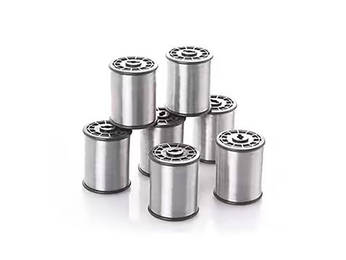
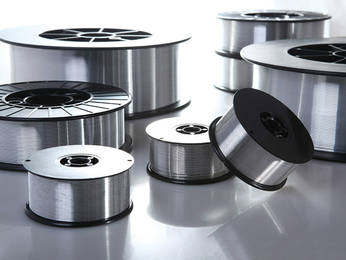
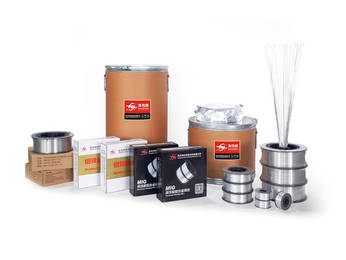
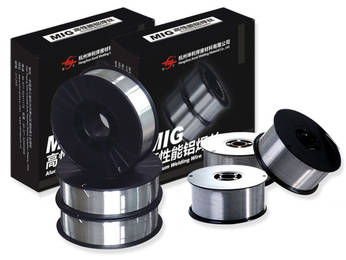
Repair facilities that fix damaged boats, offshore gear, or automotive frames have to think past the quick patch job. The filler Wire picked for those repairs decides if the joints hold strong through years of salt spray, road salt, vibration, and load—or if they start cracking, pitting, or leaking way too soon. Among the choices out there, Kinli Aluminum Welding Wire ER5356 stands out because its Aluminum-magnesium makeup strikes a solid balance: it welds reasonably well in real shop conditions while delivering the kind of long-haul toughness that structural work demands when failure isn't an option.
What is Aluminum Welding Wire ER5356?
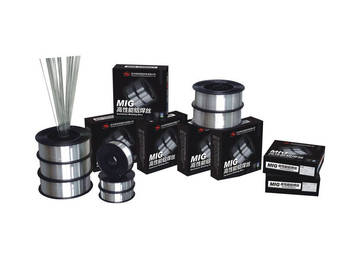
Aluminum Welding Wire ER5356 serves as a filler metal for joining Aluminum parts in both repair and new fabrication work. The Wire is basically Aluminum with roughly five percent magnesium added as the main alloying element, giving it properties that stand out for certain jobs where the weld needs to hold up under tough conditions.
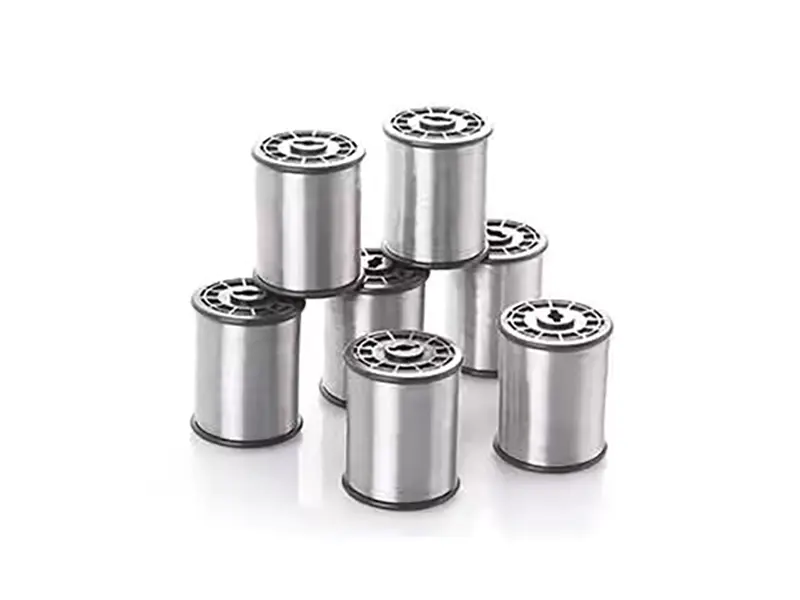
Basic Composition and Classification
The "ER" prefix marks it as an electrode or rod designed for electric arc Welding processes. The "5356" code points to its exact alloy family under standard classification systems. Magnesium is the key ingredient here—it changes the weld metal in ways pure Aluminum or silicon-alloyed Wires can't match.
This magnesium content serves several important functions:
- Strong resistance to corrosion, especially where chlorides like seawater or de-icing salt are present
- Decent tensile and yield strength in the finished weld, good enough for load-carrying joints
- Enough ductility so the weld can flex a bit and take impacts without snapping
- Reasonable behavior when the weld gets anodized or otherwise finished
Compatible Base Materials
Aluminum Welding Wire ER5356 works particularly well with five-thousand series Aluminum alloys, which share similar magnesium-rich compositions. This includes common marine-grade alloys used in:
- Boat hulls and other marine structures
- Deck hardware and fittings
- Brackets, supports, and framework exposed to weather
- Fuel tanks and trailer components
It can handle some 6xxx-series alloys too, but you have to watch heat input more closely because those bases respond differently to Welding heat and may lose some of their original temper in the heat-affected zone.
Primary Applications
Marine work is where ER5356 really shines—think commercial fishing boats, pleasure craft, docks, and offshore gear that live in saltwater day in and day out. The magnesium helps the weld fight pitting and cracking from chloride attack.
In automotive and transportation fields it sees action on trailer frames, hitches, fuel tanks, and any structural piece that faces road salt in winter. The filler delivers joints that stay strong and resist rust over years of service without needing fancy after-treatment.
How It Differs from Alternatives
Compared with silicon-heavy fillers like ER4043, ER5356 gives you:
- Much better corrosion protection in aggressive environments
- Higher strength in the as-welded condition for parts that carry loads
- A closer color match after anodizing on many 5xxx bases
- A little more risk of hot cracking if parameters aren't dialed in
The downside is that the puddle doesn't flow quite as freely as it does with silicon fillers, so bead appearance can take more skill on visible or cosmetic joints.
Welding Process Compatibility
You can run ER5356 with the two main Aluminum processes:
- MIG (GMAW) – feeds continuously from a spool, great for covering ground quickly on production or thicker sections
- TIG (GTAW) – fed as cut rod or from a spool gun, suited for precise applications, thin material, or joints where appearance is a consideration.
For welding, argon shielding gas is suitable in many situations. When working with thicker material or seeking increased travel speeds, introducing helium can provide additional heat input.
In short, ER5356 is the go-to magnesium-bearing filler when you want welds that fight corrosion hard, carry reasonable structural loads, and hold up in marine or road-salt environments—without sacrificing too much ductility or toughness.
Understanding the Basic Composition and Material Classification
At its core, ER5356 is Aluminum with about five percent magnesium alloyed in, setting it apart from silicon-based fillers in both behavior and end-use. Industry specs recognize this exact mix as a standard choice across repair shops and manufacturing floors.
- Builds in corrosion protection against chlorides that would eat plain Aluminum welds
- Gives the weld metal enough stretch to handle vibration, flexing, or light overloads
- Delivers solid strength for joints that see steady or occasional stress
- Helps the weld take anodizing or other finishes without looking out of place
Once deposited, the weld metal shows moderate-to-good tensile strength that supports structural use, plus yield strength that resists bending or denting under constant load. Ductility keeps things from turning brittle when temperatures drop or unexpected forces hit.
Compatibility leans heavily toward 5xxx-series bases with matching magnesium levels—hull sheet, deck plate, brackets, and tanks all fuse cleanly with it. Thermal expansion stays close enough between filler and base that cooling stresses don't usually cause trouble. On 6xxx-series stock it works too, but you need tighter control over heat so the base doesn't soften more than necessary in the heat-affected zone.
| Base Metal Series | Compatibility Level | Typical Applications | Special Considerations |
|---|---|---|---|
| Five-thousand series | Highly compatible | Marine hulls, structural brackets, deck fittings | Natural match due to similar magnesium content |
| Six-thousand series | Moderately compatible | Automotive extrusions, architectural components | Requires careful heat control due to heat treatment sensitivity |
| Three-thousand series | Limited compatibility | Non-structural decorative elements | Consider alternative fillers for critical joints |
| Two-thousand series | Not recommended | High-strength aerospace applications | Use specialized fillers designed for copper-containing alloys |
Why Marine Environments Demand Specific Filler Characteristics
Saltwater is tough on Aluminum because chloride ions set up electrochemical reactions that eat away at the metal differently depending on the alloy. A filler rich in magnesium builds in several lines of defense:
- The weld metal is designed to corrode preferentially, helping protect the adjacent base material.
- It forms a tougher, more stable oxide film that slows down further attack.
- Pitting corrosion stays in check, so thin hull plates or sheets don't develop holes as easily.
- Crevice corrosion in lap joints or overlaps doesn't take hold as quickly.
Commercial fishing boats live in this environment around the clock—constant spray, immersion, and salt load. Recreational craft sit through long seasons of exposure even when not in use. Dock gear and offshore platform fittings take the same pounding day after day. Using the right filler keeps welds from gradually weakening where a mismatched one might start pitting or cracking over time.
Beyond fighting corrosion, marine welds face real mechanical punishment. Hull seams see millions of load cycles from waves slapping and rocking the boat. Engine mounts and propeller brackets vibrate constantly. Heavy gear hung on brackets deals with both steady weight and sudden dynamic jolts. The filler metal has to resist starting fatigue cracks and stop them from growing while holding enough strength margin.
Fillet welds on T-joints or perpendicular pieces carry heavy shear, and silicon-based fillers sometimes fall short on those loads. Magnesium-rich welds deliver the shear strength and toughness needed for safe marine structures. The extra ductility means a joint yields slowly instead of snapping without warning, giving visible signs before total failure.
How Automotive Applications Benefit from This Filler Choice
Vehicles on the road deal with their own set of stresses that make smart filler selection pay off. Trailer frames flex constantly as cargo shifts and roads bounce them around. Fuel tank seams have to stay sealed through vibration, temperature swings, and road impacts. Frame repairs need weld strength that matches or comes close to the original metal. Aluminum panels on bodies want welds that take paint or other finishes without showing defects.
Road salt in winter creates corrosion almost as aggressive as seawater in many northern areas—chloride-laced slush sits on undercarriage parts for months. Brackets, mounts, and suspension pieces get hit with both mechanical abuse and chemical attack at the same time. The right filler decides if a repair lasts through several winters or needs redoing every season.
| Application Type | Primary Requirement | Secondary Consideration | Typical Joint Configuration |
|---|---|---|---|
| Trailer frames | Fatigue resistance | Corrosion protection in road salt | Fillet welds on structural members |
| Fuel tanks | Leak-free seams | Chemical resistance to fuels | Full penetration butt joints |
| Structural repairs | Strength matching base metal | Minimal heat-affected zone weakening | Groove welds with backing |
| Body panels | Surface finish quality | Formability after welding | Lap joints and edge welds |
| Undercarriage brackets | Combined loading capacity | Extended durability in harsh exposure | T-joints and corner welds |
Parts that carry real loads deserve close attention to weld properties. Suspension pickup points handle dynamic forces well beyond static calculations. Tow hitches take sharp tugs and long pulls. Magnesium-rich filler gives the tensile and yield strength to handle those without needing complicated setups or special tools.
For purely cosmetic fixes on visible panels, silicon fillers sometimes win because they flow smoother and leave prettier beads under paint. For structural applications—such as trailer connections or fuel tank seams—long-term durability takes priority over visual appearance. Knowing the real demands of the part helps pick the filler that fits instead of grabbing whatever's closest.
What Differences Exist Among Common Aluminum Filler Options?
Different alloying elements in fillers create real-world differences in how they weld and how the joints perform. Matching the filler to the job comes down to understanding those differences rather than sticking with old habits.
| Filler Type | Primary Alloying Element | Corrosion Resistance in Chlorides | Hot Cracking Sensitivity | Weld Bead Appearance | Anodizing Color Match |
|---|---|---|---|---|---|
| Silicon-rich filler | Silicon approximately five percent | Lower resistance | Minimal sensitivity | Smooth, attractive beads | Grayish tones |
| Standard aluminum-magnesium | Magnesium approximately five percent | Strong resistance | Moderate sensitivity | Acceptable with proper technique | Matches five-thousand series |
| Higher-magnesium filler | Magnesium content exceeds five percent | Enhanced resistance | Higher sensitivity | Requires skilled technique | Matches five-thousand series |
| Balanced composition | Mixed silicon and magnesium | Moderate resistance | Low to moderate | Good flow characteristics | Intermediate tones |
Higher magnesium levels widen the solidification range and increase shrinkage stresses, so hot cracking risks go up. You control it by keeping heat input reasonable—lower amps where possible, steady travel speed, and no dragging the puddle. Joint design matters too; smooth transitions and rounded corners cut stress risers compared to sharp inside corners. On thick stock, a light preheat evens out temperature differences that feed cracking. These steps turn into routine practice instead of emergency fixes.
Which Welding Processes Work With This Filler Material?
The process you choose depends on the job size, what equipment you have, and how much control the welder needs. Each has strengths that fit certain repairs better than others.
Gas metal arc welding (MIG) offers higher travel speeds and adequate penetration, making it used in structural applications or on material with increased thickness. The continuous feed keeps deposition steady once set up. Pay attention to drive roll tension, liner condition, and proper U-groove rolls so the soft Wire doesn't bird-nest. Amps scale with Wire size—lighter settings for small diameters, heavier for bigger ones. Travel speed has to balance good fusion against too much heat or a lumpy bead.
Gas tungsten arc Welding (TIG) shines on thin material, tight corners, or joints that need precision. You feed rod by hand, so you place metal exactly where you want it. The process stays stable even in odd positions where MIG might struggle. Amps depend on thickness and joint type—lower for thin stuff, higher for deeper penetration. It takes more skill but rewards you with clean, high-quality welds when done right.
| Wire Diameter Range | Process Suitability | Amperage Consideration | Travel Speed Guidance | Typical Penetration Depth |
|---|---|---|---|---|
| Thin wire sizes | Gas tungsten arc, thin section gas metal arc | Lower settings to prevent burn-through | Faster movement for heat control | Shallow to moderate |
| Medium wire sizes | Gas metal arc for general fabrication | Moderate settings for balanced fusion | Medium pace for consistent beads | Moderate depth |
| Larger wire sizes | Gas metal arc for heavy fabrication | Higher settings for adequate penetration | Slower movement for complete fusion | Deep penetration |
| Rod configurations | Gas tungsten arc welding | Controlled by operator technique | Variable based on joint access | Precise control available |
Shielding gas changes how the arc behaves. Argon is commonly used, providing a stable arc and effective shielding coverage. Mixing in helium boosts heat for thicker pieces or when you need to move faster. Flow rate has to match the nozzle and position—too low pulls in air and causes porosity, too high stirs turbulence that does the same thing.
Do Joint Preparation and Technique Really Matter This Much?
Surface condition plays a huge role in how well an Aluminum weld turns out—no matter which filler you pick. Any leftover junk on the metal blocks true fusion and brings in defects that hurt strength right away and hurt durability down the road.
- Oils and greases vaporize in the arc and trap as gas pockets (porosity)
- Oxide films get stirred in as hard inclusions that weaken the joint
- Water, even tiny amounts, turns into hydrogen porosity inside the weld metal
- Paint flakes or residues melt in and leave non-metallic junk in the bead
Cleaning isn't optional. For light oil or handling marks, a good wipe-down with solvent does the job. Heavy oxide needs mechanical removal—use a stainless steel brush that's never touched steel, so you don't drag iron particles across. Chemical cleaners made for Aluminum strip grease without leaving films that cause more trouble. Spending time here cuts defects sharply and saves rework.
On anything thicker than sheet, edge prep sets up success. Bevel the edges to give filler room to fill the whole cross-section. Follow standard angles and root gaps for the process and thickness you're running. Skip proper prep and you get lack-of-fusion spots hidden under a nice-looking bead—until the joint sees load and fails.
| Material Thickness Range | Edge Preparation Requirement | Root Opening Guidance | Bevel Angle Consideration | Backing Necessity |
|---|---|---|---|---|
| Very thin sections | Minimal preparation, square edge | Tight fit-up | No bevel required | Often unnecessary |
| Thin to moderate sections | Light beveling or square edge | Small gap allowance | Shallow bevel if used | Situational based on access |
| Moderate sections | Single bevel or V-groove | Controlled spacing | Standard included angles | Recommended for critical joints |
| Heavy sections | Double bevel or U-groove | Precise gap control | Compound angles for access | Essential for complete fusion |
Tacking isn't just holding things together. How you place, space, and sequence tacks controls how much the part warps when you run the full weld. Begin tack welding from rigid, constrained areas and proceed outward toward edges with greater flexibility. Skip-weld patterns or back-step sequences spread heat better than one long continuous pass, keeping distortion low.
Heat input is always a balancing act. Too little and you don't fuse properly—weak joints. Too much and you soften the heat-affected zone, grow big grains, or warp everything out of shape. The sweet spot shifts with thickness, joint type, and how deep you need penetration. On multi-pass work, watch interpass temps so heat doesn't pile up and change base properties more than necessary.
Why Does Wire Feeding Behavior Differ Among Aluminum Fillers?
The alloy makeup changes how stiff or soft the Wire feels and how its surface interacts with equipment—that's why feeding acts different between magnesium-rich and silicon-rich fillers. Gear has to be set up to match or you fight inconsistent arcs and poor deposition.
Straight push systems handle short torches fine if friction stays low. Adjust drive roll pressure so it grips without squashing the Wire flat—too tight and it binds in the liner or tip; too loose and it slips, making the arc jump around.
Push-pull guns solve long-cable headaches. The pull motor at the torch takes load off the push side, stopping buckling in the liner. Keep the two motors synced and feeding stays smooth even on extended runs—worth it for shop production or field jobs with reach.
| Drive System Configuration | Maximum Practical Distance | Wire Deformation Risk | Setup Complexity | Maintenance Requirements |
|---|---|---|---|---|
| Single push mechanism | Limited to short runs | Higher with excessive pressure | Straightforward adjustment | Roller and liner inspection |
| Push-pull dual motor | Extended reach capability | Reduced through distributed force | More complex synchronization | Multiple motor maintenance |
| Spool gun arrangement | Minimal cable length | Minimal due to short path | Simple gun-mounted setup | Frequent spool changes |
| Conventional long cable | Prone to feeding problems | Significant without proper setup | Standard configuration | Regular liner replacement |
Liner choice matters a lot. Steel liners drag too much on soft Aluminum; Teflon or nylon cut friction way down. Size the inside diameter close to the Wire so it can't wander and jam. Swap liners regularly—Aluminum shavings build up fast and choke the path.
Contact tips need to fit the Wire diameter with just the right clearance. Too small creates drag and wears the tip early; too big lets the arc wander and transfer gets messy. Copper or copper-alloy tips conduct well, but check them often and change when they start mushrooming to keep feeding and arc steady.
How Do Surface Finish Requirements Influence Material Selection?
How good the weld has to look afterward changes what filler makes sense and how much cleanup you do. Marine gear usually cares more about staying together than looking showroom fresh—rough beads are fine if the joint holds. Visible automotive parts or architectural pieces want smooth, blended welds that disappear under paint or clear coat.
Grinding starts with coarse discs to knock down excess reinforcement without eating base metal. Work up through finer grits to feather the weld into the surrounding surface. Aluminum gums up abrasives quick, so change discs often and keep pressure light to avoid smearing or overheating.
When looks really count, polish after grinding. Use Aluminum-specific compounds to erase fine scratches. Pick the right buffing wheel speed and firmness to get the shine you need. Don't waste hours polishing a hidden structural weld, but match the effort to what the customer or spec expects on show surfaces.
| Finishing Stage | Abrasive Type | Aluminum Loading Tendency | Heat Generation Concern | Visual Improvement Level |
|---|---|---|---|---|
| Initial grinding | Coarse grit discs | High loading rate | Significant heat buildup | Rough contour establishment |
| Intermediate grinding | Medium grit progression | Moderate loading | Controlled with technique | Surface smoothing |
| Fine grinding | Fine grit finishing | Lower but present | Minimal with proper speed | Near-polish preparation |
| Polishing compounds | Buffing compounds | Minimal loading | Temperature monitoring needed | Mirror finish capability |
| Chemical treatment | Etching or conversion | Not applicable | Chemical reaction heat | Uniform surface preparation |
Anodizing shows filler differences clearly. Magnesium fillers match 5xxx-series bases pretty well for color after treatment. Silicon fillers often go darker or grayer, standing out even after anodizing. If color match matters for acceptance or appearance, that alone can steer filler choice.
Extra chemical treatments like conversion coatings add corrosion protection in tough spots. Make sure the chemistry plays nice with both base and filler—mismatched response can leave visible lines or uneven protection that isn't acceptable in some work.
What Inspection Methods Validate Repair Quality?
Start with your eyes—visual inspection catches a lot. Look for cracks, undercut, porosity holes, incomplete tie-in at the toes, bad bead shape, or rough transitions. A trained look tells you if technique was solid or if something went wrong. Catch big issues here before they turn into field failures.
Dye penetrant finds surface cracks or pores you can't see otherwise. Apply penetrant, let it soak into defects, wipe clean, add developer—it pulls the dye out so indications pop. Works great in the shop or on-site, and different penetrant strengths let you match sensitivity to the job. Follow the steps exactly for trustworthy results.
| Inspection Method | Defect Detection Capability | Equipment Requirements | Operator Skill Demand | Application Limitations |
|---|---|---|---|---|
| Visual examination | Surface discontinuities | Adequate lighting, magnification | Moderate training | Cannot detect internal flaws |
| Dye penetrant testing | Surface-breaking cracks | Penetrant, developer, cleaner | Basic certification | Surface preparation critical |
| Ultrasonic inspection | Internal discontinuities | Specialized equipment, calibration | Advanced certification | Requires access to both sides |
| Radiographic testing | Internal voids and inclusions | X-ray or gamma source, film | Highly trained technicians | Safety concerns with radiation |
| Eddy current testing | Near-surface defects | Electronic probe equipment | Specialized training | Limited penetration depth |
Ultrasonic testing looks inside without cutting anything open. Sound bounces off voids, cracks, or inclusions, giving signals that show where and how big the problem is. Needs skilled operators, proper calibration, and good equipment. For critical load-bearing repairs, the cost makes sense.
Set acceptance rules based on how important the part is. Safety items get tight limits; non-structural fixes can be more forgiving. Write the criteria down so everyone judges the same way—no arguments over "good enough." Keep records of what you checked and passed—it backs up your work for warranties or customer questions.
Can Mechanical Testing Really Predict Service Performance?
Destructive tests give hard numbers on how strong and tough a weld joint actually is. By cutting coupons from the same material and Welding them exactly like the real job, you get a true picture of what the production welds can handle. Tensile pulls measure peak strength before breaking and the point where permanent bending starts. Comparing those figures to the base metal specs shows if the joints hit the strength targets needed for the design.
Bend tests check both how much the weld can stretch without cracking and how well everything fused. You clamp the coupon in a guided bend jig and force it around a set radius—watch closely as it bends. If it snaps clean through, ductility was too low or fusion poor. Surface tears usually point to trapped slag, inclusions, or porosity. Bend testing is straightforward enough that even a small shop can run it when the part's importance makes the extra step worthwhile.
Writing down test results builds useful records. Quality programs lean on the data to prove the process stays under control. If a warranty claim comes up, those numbers back up that you followed good procedures and used suitable materials. Spotting patterns over time helps tweak techniques or catch small issues before they grow.
Linking filler lot numbers to specific jobs adds another layer of control. When a batch turns out bad, you can trace which welds used it and inspect or repair them before trouble spreads. It takes steady record-keeping, but that habit heads off big headaches from one rogue spool.
Why Do Certain Problems Keep Recurring in Aluminum Welding?
| Defect Type | Primary Cause | Secondary Contributing Factor | Prevention Strategy | Repair Approach |
|---|---|---|---|---|
| Porosity | Inadequate shielding gas coverage | Surface contamination or moisture | Verify gas flow, clean thoroughly | Remove and reweld affected area |
| Lack of fusion | Insufficient heat input | Poor joint preparation or technique | Increase amperage, improve cleaning | Grind out and reweld properly |
| Warping and distortion | Excessive heat input | Inadequate fixturing or sequence | Control heat, plan tack sequence | Mechanical straightening if possible |
| Cracking in weld metal | Hot cracking from composition | Excessive restraint or rapid cooling | Adjust technique, reduce restraint | May require full joint replacement |
| Undercut | Excessive travel speed | Improper electrode angle | Reduce speed, correct angle | Fill with additional passes |
Porosity comes from gas bubbles getting locked in as the puddle freezes. Weak shielding lets air sneak in. Wet surfaces flash to steam in the arc. Dirty or damp filler Wire dumps hydrogen right into the melt. Fix it by checking gas flow every time, cleaning better, and keeping Wire dry and sealed.
Lack of fusion happens when the base doesn't fully melt or the oxide layer blocks contact. You end up with invisible gaps that look solid on top but break under stress. More amps, aggressive cleaning right before Welding, and proper bevels/root gaps close those gaps.
Warping shows up from too much heat or bad clamping. Aluminum expands and shrinks fast, so uneven cooling locks in bends. Keep heat tight with shorter arcs or pulsed modes, tack smart to hold alignment, and clamp firmly without over-restraining.
Galvanic corrosion kicks in when Aluminum touches steel or other metals in wet or salty conditions—the Aluminum sacrifices itself. Use insulating gaskets, paints, or coatings at contact points. Spot those mixed-metal risks during design so you avoid them from the start.
A focus on prevention supports consistent outcomes. Establish and adhere to procedures, provide standardized training, and monitor critical parameters to maintain consistency. When operations prioritize initial quality, rework, costs, and schedule adherence are positively impacted.
What Documentation Should Material Suppliers Provide?
Good technical data sheets lay out everything you need to pick and trust a filler. Exact chemistry shows it meets the spec. Expected tensile, yield, and elongation ranges tell you what strength to anticipate in the weld. Suggested uses steer you toward jobs it handles best. Those sheets are the starting point for smart choices.
Certifications and mill test reports add proof. They include actual test results for chemistry and mechanicals on that lot, plus the batch number for tracing. Statements of compliance confirm the Wire hits AWS or other standards. Insist on full paperwork—suppliers who deliver it consistently usually deliver better material too.
| Document Type | Essential Information Contained | Traceability Value | Quality Assurance Use | Regulatory Compliance Support |
|---|---|---|---|---|
| Technical data sheet | Composition, properties, applications | Product identification | Selection verification | Specification conformance |
| Mill test report | Actual test results from production | Batch-specific data | Performance validation | Audit trail documentation |
| Certificate of conformance | Standard compliance statement | Supplier accountability | Quality system requirements | Contract fulfillment proof |
| Safety data sheet | Hazard information, handling guidance | Material safety tracking | Worker protection planning | Regulatory reporting needs |
Price isn't just the sticker on the box. A slightly pricier spool that avoids one big failure or cuts rework pays for itself fast. In marine work, joints that last years longer justify the extra upfront. On automotive repairs, dodging warranty comebacks saves far more than the filler cost difference. Look at lifetime value, not just the invoice.
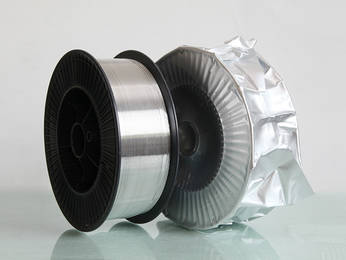
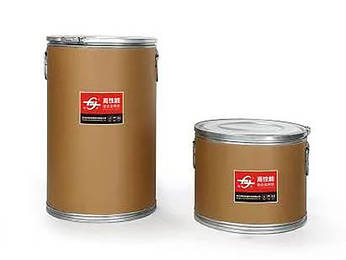
Storage hits performance hard if ignored. Aluminum Wire soaks up moisture quick, and that turns into porosity later. Buy sealed packages and store them sealed until use. Once open, keep spools in low-humidity spots or sealed bags with desiccant. Stick to the maker's storage advice to keep the Wire in top shape from delivery to torch.
Are There Safety Considerations Specific to This Welding Process?
Aluminum arcs throw off metal oxide fumes, and magnesium in some fillers makes them more irritating over time. Chronic breathing of those fumes can cause real health issues. Local exhaust—fume guns or hoods right at the arc—pulls contaminants away before you inhale them. Blowing shop air around isn't enough in tight spaces or long sessions.
When ventilation can't catch everything, respirators step in. Pick filters rated for metal fumes and the concentration you're facing. Get fit-tested so the mask seals tight to your face. A quick medical check confirms you can wear one without trouble.
UV from the arc hits hard—eye damage builds fast without the right shade lens. Go dark enough to kill the glare but still see the puddle clearly. Add side shields against bounce-back rays and sparks. A full face shield covers your neck and cheeks too.
Don't forget the people nearby. Reflected arc light burns eyes even from across the shop. Set up screens or curtains to block stray UV. Post signs so everyone knows when Welding's happening. A shop that watches out for each other keeps injury rates low across the whole crew.
Putting Aluminum filler Wire to work in marine and automotive repairs comes down to knowing the material's strengths, running the right Welding steps, and hitting quality marks that matter. Filler materials that provide resistance to corrosion along with sufficient mechanical strength are often selected for use in demanding environments or in load-bearing applications. Shops weigh the ease of running the Wire today against how the joint will behave after years on the water or the highway, and that trade-off guides smarter picks that handle both sides of the equation. Places that build real skill in choosing fillers, dialing in technique, and checking the work end up with repairs that last without breaking the bank. Getting consistent results takes careful cleaning of surfaces, tight control over Welding settings, and steady checks for quality from start to finish.
NEXT:Your Complete Guide to Aluminum Braided Wire Explained