English
  Deutsch


General-Purpose vs Structural Aluminum Welding Wire Guide
Article Directory
- 1 How Do Silicon-Based and Magnesium-Based Fillers Differ?
- 2 When Does Base Alloy Dictate Filler Choice?
- 3 What Strength Requirements Guide Structural Applications?
- 4 Why Does Cracking Sensitivity Matter for Process Selection?
- 5 Can Mixed Alloy Joints Accommodate Either Filler Type?
- 6 How Do Environmental Conditions Affect Long-Term Performance?
- 7 What Role Does Post-Weld Finishing Play in Filler Selection?
- 8 Which Standards Govern Filler Specification and Procurement?
- 9 Building a Systematic Selection Process
- 10 Troubleshooting Common Challenges
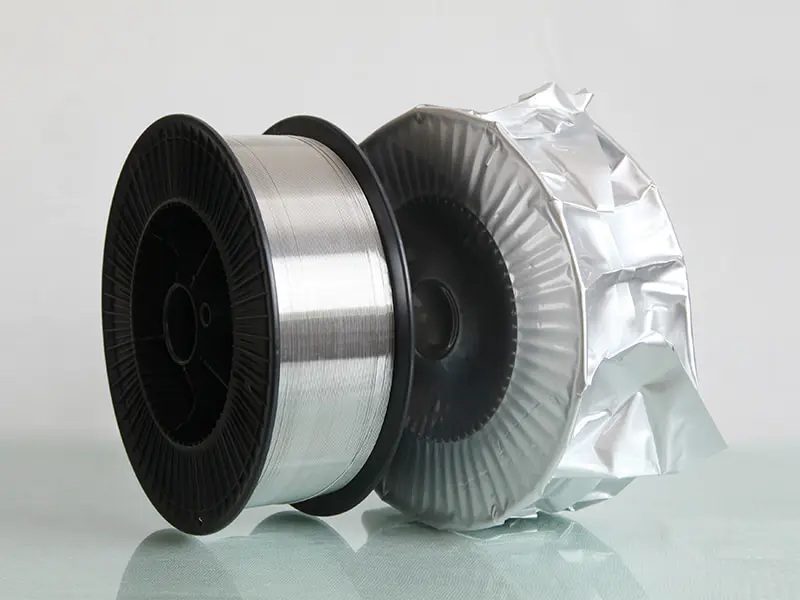
Selecting the right aluminum welding wire starts with grasping how its alloy makeup affects everything from how it flows in the puddle to how the finished joint holds up under real-world loads and exposure. The two big families on the market—silicon-based fillers and magnesium-based fillers—each bring their own strengths, and the choice hinges on the base alloy you're joining, the structural demands of the part, and the environment it will face. Filler chemistry has to line up with the parent metal so the weld gains enough strength, avoids cracking as it solidifies, and stays solid through years of service without pitting, fatiguing, or failing unexpectedly. For shops running aluminum welding wire ER4943 or similar grades, getting a clear handle on these core differences turns filler selection from a shot in the dark into a deliberate, repeatable choice that weighs ease of welding against mechanical reliability and long-term toughness.
How Do Silicon-Based and Magnesium-Based Fillers Differ?
The main split between these filler types comes from their key alloying elements, which change how the puddle behaves and what the weld ends up like:
- Silicon-Based Fillers:
- Carry around five percent silicon
- Melt lower and flow easily in the arc
- Give smooth, even beads with less fighting the torch
- Cut down hot cracking in lots of jobs
- Leave weld metal with lower tensile strength
- Pair nicely with heat-treatable alloys that have silicon
- Turn gray to dark gray after anodizing
Magnesium-Based Fillers:
- Rely on magnesium as the main strength booster
- Put down weld metal with higher tensile and yield right after welding
- Need tighter heat control to avoid trouble
- Offer more ductility and toughness overall
- This filler corresponds to non-heat-treatable alloys with higher magnesium content
- Show a lighter, more bronze-like tone when anodized
- Call for stricter cleaning and sharper technique
These differences ripple through the whole process and the joint itself. Silicon creates low-melt eutectics that make the puddle more fluid and easier to handle, plus it wets oxide layers better so fusion comes with less scrubbing. But silicon doesn't add much strength through solid solution, so the deposit stays softer than magnesium versions.
Magnesium dissolves straight into the aluminum lattice and hardens it that way, pushing tensile strength up noticeably—often twenty to thirty percent higher than silicon deposits. The catch is magnesium oxidizes fast, forming stubborn films that block fusion unless surfaces are spotless. You sometimes need more heat to get good tie-in, which raises distortion risks and calls for better clamping and sequencing.
| Characteristic | Silicon-Based (General Purpose) | Magnesium-Based (Structural) |
|---|---|---|
| Primary element | Silicon | Magnesium |
| Weld pool fluidity | Increased flow, simpler to manage | Reduced flow, requires increased operator attention |
| Tensile strength | Comparatively lower | Comparatively higher |
| Hot crack sensitivity | Less susceptibility | Greater susceptibility |
| Joint preparation | Less stringent requirements | More stringent requirements |
| Typical base materials | 6xxx series alloys, casting alloys | 5xxx series alloys, marine-grade alloys |
| Anodized color | Grey tones | Bronze to tan tones |
| Typical applications | Repair work, thinner sheet materials, castings | Structural framing, pressure-containing vessels |
When Does Base Alloy Dictate Filler Choice?
The chemistry of the base metal steers filler choice hard. Aluminum alloys split into heat-treatable and non-heat-treatable groups, and each plays better with one filler family:
Heat-Treatable Base Materials (2xxx, 6xxx, 7xxx series): These get their strength from heat treatment and precipitation. Think architectural shapes or aircraft parts. Silicon-based filler metals are often suitable because silicon is a constituent of the base alloy. This promotes improved metallurgical compatibility and can reduce brittle phase formation along the fusion boundary.
Non-Heat-Treatable Materials (1xxx, 3xxx, 5xxx series): These gain strength from work hardening and solid-solution elements like magnesium. Marine sheet and car body panels fall here. Magnesium-based fillers line up better since they echo the base's main alloy, keeping joint strength closer to what the parent can deliver.
Cast Alloys: Castings often run higher silicon for better flow when poured. Silicon-based fillers match that chemistry naturally, lowering crack risks as everything cools and keeping thermal expansion close so stresses don't build up.
Take a common case: welding 6061 extruded shapes for an enclosure. The alloy has balanced magnesium and silicon. Either filler can work, but silicon-based makes it easier and gives enough strength for light-duty use. For the same extrusions turned into a loaded frame, magnesium-based filler steps up—the extra weld strength adds the margin needed for steady stress.
What Strength Requirements Guide Structural Applications?
Strength separates backyard fixes from real engineered work. Knowing how filler strength stacks up helps decide when basic wire is fine and when you need something tougher:
Joint strength comes from three pieces: the base metal, the filler deposit, and the heat-affected zone softened by welding heat. Heat-treatable alloys lose temper next to the weld, so that zone often becomes the weak spot no matter what filler you run. Still, the right filler keeps the weld bead from being another weak link.
Silicon-based deposits hit tensile levels good for general work. On heat-treatable bases, those numbers look lower than the parent, so you ask: can the job live with it?
- Magnesium-based deposits push higher strength, often matching or beating as-welded magnesium alloys. That makes them the pick for:
- Main load-carrying beams or chassis parts
- Tanks and pressure vessels
- Pieces that see vibration or impact
- Joints where heat treatment gets wiped out by welding
- Areas with defined joint efficiency requirements
Codes usually call for tensile pulls, bends, or X-ray checks to prove the joint. Shops under pressure vessel or structural rules often have to use magnesium-based fillers to clear minimums. Everyday repairs or low-load work rarely need that extra hassle.
Why Does Cracking Sensitivity Matter for Process Selection?
Hot cracking stays one of the trickiest headaches in aluminum welding. It happens when the shrinking metal pulls hard enough to tear the still-mushy weld pool as it freezes. Filler makeup plays a huge role in how likely that is to happen:
Silicon-Based Fillers:
- Pack silicon that shortens the freezing range
- Shift from liquid to solid fast
- Spend less time in the fragile semi-solid zone
- Resist cracking even with sloppy fit-up or uneven technique
Magnesium-Based Fillers:
- Have a longer freezing window in many cases
- Stay mushy longer, giving cracks more chance to open
- Need extra care on restrained joints or when base metal dilutes the puddle
To keep magnesium fillers from cracking, you:
- Design joints with less lock-up and restraint
- Keep heat input as low as you can get away with
- Tighten fit-up gaps
- Run steady travel speeds
- Feed enough filler to avoid thinning from base dilution
These built-in differences explain why new welders often start with silicon fillers—they forgive mistakes that would crack a magnesium weld wide open. Skilled hands run magnesium fillers just fine by respecting the rules and tweaking settings to match.
Can Mixed Alloy Joints Accommodate Either Filler Type?
Real-world builds often join different aluminum grades—cast to sheet, heat-treatable to work-hardened, or just two series that don't match. Dilution mixes base chemistry into the weld, so filler choice gets trickier.
Basic rules for dissimilar joints:
- Spot the crack-prone side first—if one alloy (like some 6xxx or 7xxx) hates cracking, lean toward silicon filler no matter what the other piece is.
- Look at strength needs—when pairing strong with weak, match filler to the weaker side unless calculations say otherwise; overkill strength is wasted if the soft base limits the joint.
- Think about corrosion—in salty conditions, mismatched potentials can speed attack; pick filler that keeps galvanic problems low.
- Run test coupons on odd combos for important work—real welds beat theory every time.
A typical fix: patching cast aluminum parts with wrought plate. Castings run high silicon; the plate might be 5xxx or 6xxx. Silicon filler handles both sides well—gives crack protection for the casting and solid tie-in to the wrought piece.
How Do Environmental Conditions Affect Long-Term Performance?
Where the part lives changes filler choice as much as strength does. Aluminum fights rust with its oxide skin, but how well that skin holds up shifts with alloy and surroundings:
Marine and Saltwater Environments: Magnesium alloys usually win in seawater because their potentials line up better. Magnesium filler keeps weld corrosion close to marine-grade base, but crevices or bad fusion still trap salt—good welding practice stays critical.
Industrial Atmospheres: Dirty air with sulfur or acid rain hits aluminum differently. Silicon fillers hold up fine for building panels, though coatings usually add extra shield.
Elevated Temperature Service: Parts that run warm or cycle hot need creep resistance. Magnesium keeps strength longer than silicon at moderate heat, so it fits heat exchangers or engine-close pieces.
Cryogenic Conditions: Aluminum stays tough when it gets bitterly cold, unlike many steels. Both fillers work down low, but impact tests confirm toughness if the job demands it.
Skipping the environment leads to welds that pass shop tests but rot or weaken early in the field. Matching filler to real service conditions gets the full design life out of the part.
What Role Does Post-Weld Finishing Play in Filler Selection?
How the weld looks after finishing drives filler picks for architectural, car, or consumer goods. Anodizing thickens the oxide and adds color, but it shows chemistry differences clearly:
Silicon-Based Filler: Leaves darker gray to charcoal shades. Exact tone varies with bath setup, but welds almost always look darker than base metal. On visible panels, trim, or electronics cases, that mismatch can kill the job cosmetically.
Magnesium-Based Filler: Turns lighter bronze or tan, often blending closer to common alloys. Perfect match still takes careful anodizing control and sample runs—weld metal never matches parent exactly.
Ways to handle looks:
- Build and anodize mockups for approval before full runs
- Hide key joints where paint or powder coat will cover them
- Grind and polish to smooth transitions
- Pick fillers tuned for better anodize response
- Accept some color shift as part of welded work
Shops doing anodized parts constantly juggle strength needs against appearance. A frame might demand tough filler yet need anodizing for protection. Solutions often mean coatings that hide tone differences or moving critical welds out of sight.
Which Standards Govern Filler Specification and Procurement?
Professional shops work inside established standards that keep everything consistent and traceable. Knowing these systems helps read blueprints and specs correctly:
The main standard for aluminum filler materials sets up classification codes based on chemistry and how the wire or rod gets made. When a drawing specifies a certain class, you have to buy exactly that one. The code breaks down into a prefix letter showing whether it's for wire feed or rod use, plus numbers that point to the alloy group and exact makeup.
On top of classification, specs often require:
- Tight limits on chemical makeup plus how to test it
- Minimum mechanical properties in the deposited weld
- Rules for making and packing the wire
- Full traceability with heat or lot numbers
- Mill test reports showing actual test results for chemistry
Pressure vessel, structural, or aerospace jobs usually call out these standards by name. Miss one and the whole job can get rejected even if the weld looks perfect. Smaller repair shops doing custom one-offs might skip formal paperwork and just go by welder experience and shop habits.
When buying for spec work, do these steps:
- Double-check the exact classification—letters and numbers have to match; close isn't good enough.
- Ask for certifications—mill test reports or conformance certificates prove the batch meets the mark.
- Keep lots separate—different heats stay labeled so you can track back if trouble shows up.
- Store right—keep aluminum filler dry and sealed to stop moisture from ruining weld quality.
Getting the spec right avoids the classic mistake of grabbing a "similar" wire that forces you to cut out and redo everything.
Building a Systematic Selection Process
Instead of trying to remember every possible combo, build a straightforward decision path that makes picking filler quicker and safer:
Step One - Identify Base Material: Figure out if it's heat-treatable or non-heat-treatable, and note the main alloying elements. Heat-treatable types like 6xxx extrusions usually run well with silicon-based filler. Non-heat-treatable 5xxx marine grades lean toward magnesium-based.
Step Two - Assess Load Requirements: Decide if the joint needs proven strength for structural use or just needs to hold for general work. Heavy loads push you to magnesium-based fillers even though they're pickier to run.
Step Three - Consider Service Environment: Think about corrosion, heat, cold, or other attacks. Saltwater jobs usually call for magnesium-based to match marine base metals. Mild indoor use lets you pick based on other needs.
Step Four - Evaluate Finishing Requirements: If anodizing or looks matter a lot, that can override strength or ease. Serious color match needs test runs no matter what the numbers say.
Step Five - Match Welder Skill: Be honest about who's running the torch. Tough joints with crack-prone magnesium filler might do better with forgiving silicon-based if skill level is average, even if strength takes a small hit.
Step Six - Review Specifications: Always check if codes, customer rules, or standards force a particular filler class. In regulated work, following the book beats trying to optimize.
This step-by-step method turns a confusing choice into clear actions, cuts mistakes, and builds steady confidence.
Troubleshooting Common Challenges
Even good filler picks run into process snags. Spot the signs early and tweak technique to stop defects from piling up:
Porosity (gas bubbles in weld metal):
- Bump shielding gas flow to push air away
- Confirm gas is pure and the right mix
- Clean oxides, grease, and water off better
- Slow travel so gas can escape
- Look for drafts or leaky gas lines pulling air in
Incomplete Fusion:
- Raise amps or slow down for more heat
- Get better torch access to the joint
- Strip oxide layers more thoroughly
- Check electrode stick-out and angle
- Preheat thick pieces if needed
Cracking in Weld or Heat-Affected Zone:
- Ease restraint with different clamping or weld order
- Switch to silicon-based if magnesium is cracking
- Smooth out joint design to cut stress risers
- Make sure base isn't a super crack-sensitive grade
- Watch interpass temps to avoid heat pile-up
Excessive Spatter or Rough Bead Appearance:
- Drop wire feed or voltage a bit
- Check contact tip for wear and correct size
- Look for jerky wire feeding
- Try a different gas blend
- Clean drive rolls and liners
Poor Color Match After Anodizing:
- Run trials with other filler options
- Work with the anodizer to tweak bath settings
- Grind and blend mechanically
- Move joints where they won't show
- Accept some difference as normal for welds
Good troubleshooting hunts the real cause instead of guessing fixes. Keep notes on what you changed and how it worked—it speeds up getting better on the next job.
Knowing the real differences between silicon-based and magnesium-based aluminum welding wire lets fabricators pair the right filler to the job instead of guessing. Use this straightforward decision path: check the base metal's alloy family first, figure out what loads and stresses the joint will see, factor in any corrosive surroundings like salt air or road chemicals, and think about whether the weld needs to look good after anodizing or painting. That approach cuts through the confusion. No matter if you're using aluminum welding wire ER4943 for everyday fabrication or reaching for a more specialized filler on critical structural pieces, one truth holds: no single wire works perfectly for every job. Every repair or build mixes unique materials, forces, and service conditions that tilt the scales toward certain filler traits. By walking through those factors methodically—keeping one eye on getting a clean weld today and the other on how the joint performs tomorrow—welders and engineers end up with aluminum work that meets specs, stands the test of time, and doesn't create headaches in the shop.
NEXT:Why is ER4047 Welding Wire the Preferred Choice for Leakage-Free Joints in Automotive Heat Exchangers?