English
  Deutsch


How to Store ER5183 Welding Wire to Maintain Welding Quality
Article Directory
- 1 What is Aluminum Welding Wire ER5183?
- 1.1 Chemical Composition and Alloy Structure
- 1.2 Mechanical Properties and Performance Characteristics
- 1.3 Applications and Base Material Compatibility
- 1.4 Base Material Selection Guidelines
- 1.5 How ER5183 Differs from Other Aluminum Filler Metals
- 1.6 Shielding Gas Requirements
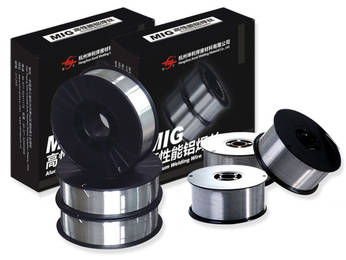
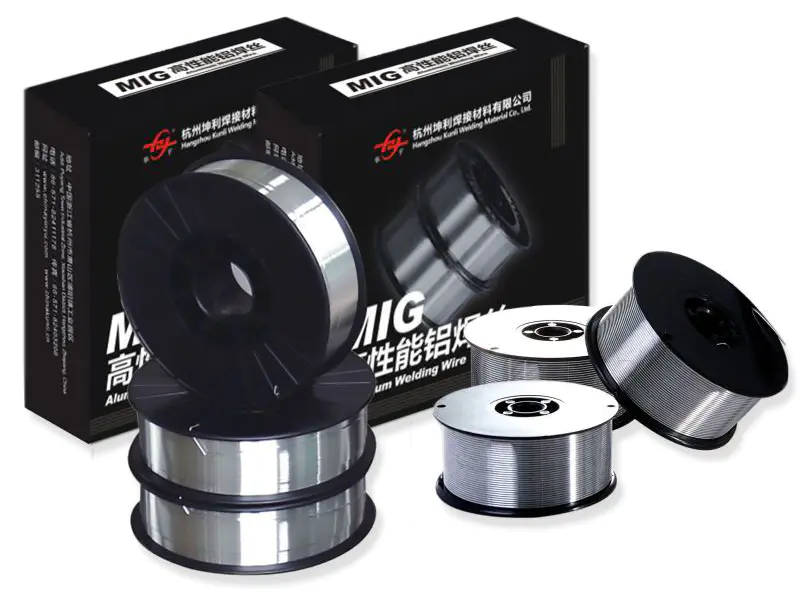
- 1.7 Form and Packaging Configurations
- 2 Understanding the Classification System
- 3 Why Magnesium Content Matters
- 4 Preheating and Interpass Temperature Considerations
- 5 Wire Feeding Characteristics
- 6 Understanding Why Aluminum Wire Demands Special Attention
- 7 How Does Your Storage Environment Impact Wire Quality?
- 8 Selecting Storage Containers That Actually Protect Your Investment
- 9 Why Your Handling Procedures Matter More Than You Think
- 10 Can You Salvage Wire That Has Been Improperly Stored?
- 11 Establishing Inspection Protocols That Catch Problems Early
- 12 Adapting Your Approach to Challenging Work Environments
- 13 Training Your Team to Maintain Contamination-Free Standards
- 14 Making Smart Economic Decisions About Protection Investments
- 15 What Happens When Wire Feeding Systems Become Contamination Sources?
Any experienced welder has felt the aggravation of dealing with porosity, brittle welds, or uneven bead penetration despite a solid machine setup and technique. More often than not, the problem traces back to the wire itself on the spool. Your Aluminum Welding Wire ER5183 might show up clean and ready from the supplier, but poor storage or careless handling can quickly introduce contaminants that ruin weld quality. Aluminum filler metals are far more sensitive than steel wires due to their reactive nature. Once you open a new spool, the exposed surface immediately starts forming a thicker oxide layer, absorbing moisture from the air, and picking up dust or oils. Over time, these factors may compound, resulting in porosity from hydrogen entrapment or persistent feed issues, which necessitate investigation and corrective action. Pros know that treating aluminum wire with the same relaxed habits as steel often results in rejected welds, while careful protection keeps performance consistent and saves hours of rework.
What is Aluminum Welding Wire ER5183?
Aluminum Welding Wire ER5183 represents a specific aluminum-magnesium alloy filler metal used extensively in gas metal arc welding (GMAW) and gas tungsten arc welding (GTAW) applications. This designation comes from the American Welding Society (AWS) classification system, where "ER" indicates the wire serves as both an electrode and a rod, while the numbers identify its particular chemical composition and mechanical properties.
Chemical Composition and Alloy Structure
At its core, ER5183 is an aluminum filler wire alloyed primarily with magnesium, which earns it a spot in the 5xxx series of wrought aluminum alloys. This magnesium addition delivers the distinctive combination of strength and corrosion resistance that sets the series apart from heat-treatable or other non-heat-treatable groups.
Additional elements are incorporated in carefully measured amounts to refine performance: manganese provides added strength and helps direct how the weld solidifies; chromium, in small doses, promotes a finer and more uniform grain structure; silicon and iron appear only as low-level impurities carried over from the raw aluminum. To help maintain favorable corrosion resistance and stable welding characteristics, the amounts of copper, zinc, and titanium are carefully controlled.
The vast majority of the alloy consists of aluminum itself, serving as the continuous matrix that binds the alloying elements together. This thoughtfully designed composition makes ER5183 an ideal match for welding similar 5xxx-series base metals in structural and marine applications.
Mechanical Properties and Performance Characteristics
Welds deposited with ER5183 offer respectable tensile strength as soon as they cool, paired with adequate yield strength and impressive elongation. These values commonly equal or outperform those of typical aluminum parent materials, producing joints capable of carrying substantial loads without premature failure.
The resulting weld metal remains highly formable, allowing fabricated components to withstand subsequent bending, temperature fluctuations, or impact forces that might fracture less forgiving fillers—a critical feature in assemblies prone to deformation or service stresses.
During actual welding, the wire performs predictably over a wide range of settings, feeding cleanly, striking the arc without hesitation, and creating a weld puddle that responds well to torch manipulation. Its moderate fluidity promotes reliable fusion and penetration while staying controllable in flat, horizontal, vertical, or overhead positions, giving welders the consistency needed for high-quality results.
Applications and Base Material Compatibility
ER5183 finds one of its prime uses in shipbuilding and offshore construction, where fabricators rely on it to weld 5xxx-series aluminum for hull plating, decks, and superstructure components. With its mechanical strength, corrosion performance in marine environments, and resistance to hot cracking, this wire is applicable for fabricating structures that must endure salt spray and wave forces.
Transportation builders—whether making truck trailers, dump bodies, rail cars, or custom rigs—frequently choose ER5183 for aluminum assemblies. Welds produced with this wire can endure the combined effects of road shock, changing weather conditions, and unplanned stress events throughout long-term operation.
In civil engineering and architecture, the wire is a regular pick for 5xxx base materials in bridges, facades, stadium framing, and exposed walkways. It creates joints tough enough for heavy structural loads while preserving the natural weathering protection that keeps aluminum looking good and performing well outdoors over decades.
Fabricators also turn to ER5183 when building tanks and pressure vessels from suitable aluminum alloys. Chemical processing plants, food storage facilities, and cryogenic systems depend on these containers, trusting the welds to stay tight under pressure and resist attack from whatever harsh or frozen substances they hold.
Base Material Selection Guidelines
ER5183 matches up well with a variety of aluminum alloys:
5052 alloys: This workhorse medium-strength material welds reliably with ER5183. The similar magnesium levels in wire and base metal promote clean fusion and help prevent hot cracking in general-purpose fabrications.
5083 alloys: The go-to plate for demanding marine and structural jobs, 5083 teams perfectly with ER5183. This filler metal provides a moderate strength increase, so the weld zone often forms a region of higher strength within the assembly—a characteristic that supports its consideration for work where joint integrity is important.
5086 alloys: A close cousin in marine service, 5086 joins smoothly with ER5183 due to nearly identical makeup. This chemistry match ensures strong bonding and avoids weak brittle zones that could shorten service life.
5454 alloys: Frequently specified for tanks operating at moderate temperatures, 5454 takes ER5183 filler without trouble. The welds keep the needed corrosion barrier intact for safe containment of diverse liquids and gases.
6xxx series alloys: Although not the usual pairing, ER5183 can work on certain heat-treatable 6xxx grades when extra weld strength is called for. The magnesium from the wire helps restore toughness lost in the softened heat-affected zone, delivering more durable joints.
How ER5183 Differs from Other Aluminum Filler Metals
The aluminum welding wire lineup includes several popular options, each tailored to specific jobs:
ER4043: Built around silicon as the primary alloy addition instead of magnesium, this filler flows exceptionally well and often leaves a shiny, attractive bead. This filler typically provides moderate strength compared to ER5183 and may exhibit varied corrosion performance. It is therefore commonly selected for welding 6xxx-series base alloys or for applications where weld appearance is prioritized over mechanical toughness.
ER5356: This wire contains moderately lower magnesium than ER5183 but exhibits similar performance characteristics in many common applications.
Many shops treat the two as interchangeable, choosing one over the other mainly because of job specs, supplier preference, or long-standing shop habits.
ER5556: Packing more magnesium, this option pushes weld strength higher. That extra punch can demand extra care during welding to avoid cracking issues, especially on tricky joints or sensitive base metals.
Picking the right wire comes down to matching the base alloy, hitting the required strength and ductility targets, considering the operating environment, and meeting any governing codes or customer requirements.
Shielding Gas Requirements
ER5183 demands full inert gas coverage to keep air away from the hot weld pool. Aluminum instantly reacts with oxygen and nitrogen at welding heat, forming oxides and nitrides that ruin weld quality with porosity or inclusions.
Pure argon is a common choice for many routine welding applications, particularly when working with thinner materials or in TIG welding processes. It gives a calm, steady arc and solid protection up to about a quarter-inch thickness.
Blends of argon and helium shine on heavier plate or high-speed MIG runs. The helium boosts heat input for deeper penetration and better sidewall fusion. Typical mixes run 25 to 75 percent helium, with the higher helium ratios reserved for the thickest sections.
Gas flow has to be enough to blanket the puddle but not so strong it creates suction that pulls in outside air. Normal settings fall between 20 and 40 cubic feet per hour, adjusted for process, amperage, drafty conditions, or outdoor work where extra flow fights wind.
Form and Packaging Configurations
Makers supply ER5183 in a range of packages to fit different shop needs and equipment:
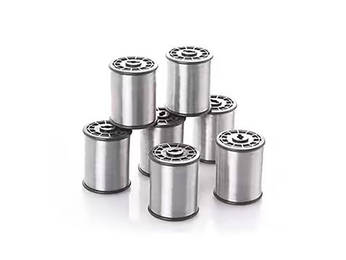
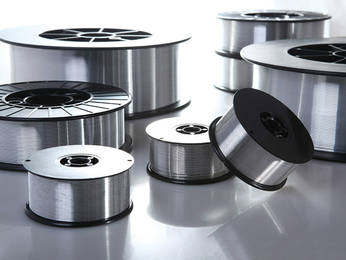
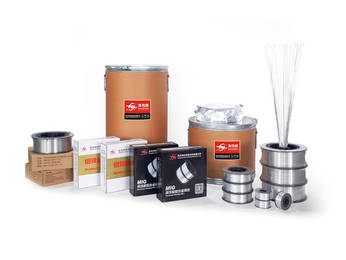
Spools from one-pound hand sizes up to 40-pound production reels cover everything from occasional repairs to steady daily runs. Small spools keep the wire fresh for short jobs, while big ones cut cost per foot and reduce spool changes in busy shops.
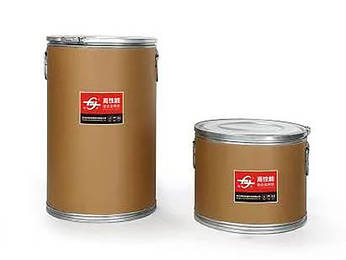
Heavy coils and drums holding hundreds of pounds feed robotic or high-output setups that burn through wire fast. These bulk options cut downtime and trash but call for good storage setups to keep the large inventory clean and dry.
Wire finish varies by brand and purpose. Some comes straight from drawing with no extra treatment, while others get special cleaning or light coatings to improve feed reliability and slow down surface oxidation while sitting on the shelf.
Understanding the Classification System
The AWS naming system packs useful details into its code for aluminum welding wires:
- The prefix letter 'E' in the filler metal designation indicates an electrode, which carries the welding current in processes such as MIG welding. The "R" signals it can also act as a rod for TIG, where the filler is fed separately without carrying current. When both appear as "ER," the product is qualified for either duty.
- The digits after "ER" pinpoint the exact alloy makeup per AWS standards. The "5" groups it with the aluminum-magnesium family, and the "183" narrows it down to this specific blend within the 5xxx series. Other magnesium-bearing wires get their own unique three-digit identifiers to reflect their slightly different compositions.
- Occasional suffixes may follow, flagging extras such as added grain refiners, higher purity levels, or special surface finishes. These tags guide buyers toward wire that meets tight job demands or particular customer rules.
Why Magnesium Content Matters
Magnesium is the key player that shapes ER5183's performance. It dissolves into the aluminum lattice to boost both yield and ultimate strength without needing any post-weld heat treatment, delivering solid properties straight out of the torch.
It also greatly improves resistance to corrosion, especially in seawater, by helping form tough, self-healing oxide layers that stand up to chloride attack—a major reason the wire excels in boat building and offshore work.
On the flip side, magnesium raises the risk of hot cracking as the weld solidifies if the joint is heavily restrained or procedures stray off track. Good welders counter this with proper edge prep, reasonable travel speeds, and proven techniques.
Compared to silicon-alloyed fillers like ER4043, the magnesium makes the pool more reactive to air, demanding tighter gas coverage, cleaner base metal, and careful handling to avoid porosity or oxide inclusions.
Preheating and Interpass Temperature Considerations
Aluminum's high thermal conductivity pulls heat away from the weld zone fast, especially on heavy plate, which can leave cold laps or lack of fusion if nothing is done. A controlled preheat slows that rapid cooling, giving the puddle time to wet out properly and reducing incomplete penetration problems.
During multi-pass work, managing interpass temperature keeps heat from piling up too much. Even though aluminum spreads heat quickly, repeated runs can push local areas toward distortion or even melt-back. Letting parts cool naturally between passes—or speeding it with air blasts—keeps everything in safe bounds.
Exact preheat and interpass numbers vary with plate thickness, joint type, and shop conditions. Thicker sections usually need more preheat, while thin sheet often runs fine cold. Project codes or qualified procedures normally spell out the allowed ranges that must be followed.
Wire Feeding Characteristics
Aluminum's relative softness brings its own set of feeding headaches that steel wire rarely causes. Excessive pressure from the drive rolls can deform or abrade the welding wire. This may cause feeding jams and create surface imperfections that negatively affect arc stability. Too little pressure, on the other hand, lets the wire slip, flattening spots and causing inconsistent delivery to the arc.
Push-pull feed systems, which incorporate drive motors at both the feeder unit and within the welding torch, are designed to address common feeding challenges associated with aluminum wire. The synchronized drives keep steady tension on the wire, cutting down on buckling inside long liners and handling friction better—especially useful with finer diameters or extended torch cables.
Keeping the torch cable as straight as possible pays big dividends. Every sharp bend or loop adds drag that the feeder has to fight. Running cables in gentle sweeps and avoiding coiled-up storage on the floor keeps the wire moving smoothly without extra strain.
Liner choice makes or breaks feeding performance. Dedicated nylon or Teflon liners built for aluminum offer slick, non-metallic paths that won't scrape particles into the wire. Replacing them before they wear through or build up shavings ensures the wire slides freely run after run.
Understanding Why Aluminum Wire Demands Special Attention
Aluminum's reactive nature forces welders to stay vigilant in ways steel never demands. The metal grows an oxide skin almost instantly in open air; a thin layer is harmless, but thicker buildup blocks current flow and leaves oxide inclusions in the bead. The magnesium in ER5183 ramps up this reactivity even further, making surface condition critical.
Controlling humidity is an important consideration for maintaining aluminum welding wire quality. Unlike steel, aluminum readily picks up moisture that works its way into tiny surface crevices and forms compounds there. When that trapped water hits welding heat, it breaks down into hydrogen that bubbles into the molten pool, producing the classic wormhole porosity that ruins aluminum welds. A spool left uncovered in damp shop air for even a short time can become troublesome.
The softer metal also picks up marks and contamination easily. Bare hands leave behind skin oils and salts that disrupt the arc; dirty work gloves transfer cutting fluids or grit; even lint from cloth gloves can end up burned into the weld. Every handling step—from unboxing to loading the feeder—introduces potential contaminants that demand deliberate care to keep welds clean and sound.
How Does Your Storage Environment Impact Wire Quality?
Daily temperature swings in the shop or warehouse set up repeated condensation that quickly ruins aluminum wire. A spool left in an unconditioned space heats up during the day and cools sharply at night, pulling moisture out of the air that beads directly on the cold metal surface. Each cycle leaves behind water that speeds up oxidation and builds hydroxide layers, steadily turning good wire into material that feeds poorly and produces porous welds.
Relative humidity drives the real damage more than the total moisture in the air. A chilly corner can hold low absolute water yet hit near-saturation relative humidity that triggers condensation, while a warmer area with more moisture in the air may stay at safer low relative levels. Recognizing this difference lets you judge whether your storage spot actually safeguards the wire or just keeps rain off it.
Consider the following strategies to support wire quality during storage:
- Keep storage area temperatures steady and moderate.
- Hold relative humidity low with air conditioning or dedicated dehumidifiers.
- Install monitors that log conditions and alarm when levels drift out of safe bounds.
- Avoid placing wire near roll-up doors, loading docks, or windows that let in drafts and outside humidity.
- Keep spools clear of water pipes, steam lines, or machines that release moisture.
- Use insulated cabinets or rooms that shield against outdoor temperature changes.
- Ensure good airflow so pockets of damp, still air don't form around stored spools.
Location inside the building counts as much as the room itself. Storing on the concrete floor puts wire in the coldest layer where temperature shifts hit hardest and cold transfers straight into the spool. Raising spools onto racks or shelves cuts down on that chilling effect and keeps them away from floor dust and splash. At the same time, steer clear of overhead spots near the roof where hot air collects and creates even larger temperature gaps.
Selecting Storage Containers That Actually Protect Your Investment
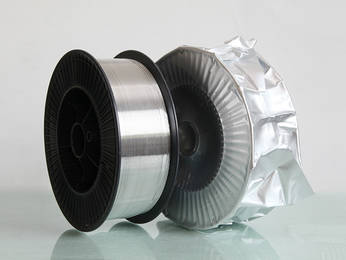
Factory packaging is built specifically to shield aluminum wire, and ordinary substitutes rarely measure up. Sealed foil bags with included desiccants create a dry mini-environment around each spool that stays stable no matter what's happening outside. The multi-layer barrier films block water vapor and light that can harm spool plastics or any surface treatments on the wire.
As soon as you break that original seal, the built-in protection vanishes unless you replace it. Partial spools left open on a bench pick up contamination fast. The key is restoring an effective barrier around any wire that will sit unused for days or longer.
| Storage Method | Protection Level | Cost Consideration | Reusability | Setup Time |
|---|---|---|---|---|
| Vacuum-sealed bags with desiccant | High barrier against moisture and oxidation | Higher initial equipment cost | Typically single-use | Requires brief preparation |
| Sealed plastic containers with desiccant | Good moisture protection | Moderate cost | Reusable | Quick setup |
| Heavy plastic bags with mechanical seals | Basic moisture barrier | Lower cost | Limited reuse | Minimal setup |
| Wire storage cabinets with climate control | Controlled environment for multiple spools | Higher infrastructure investment | Permanent facility | Continuous operation |
| Original packaging with tape reseal | Limited restored protection | Negligible additional cost | One-time reseal | Very quick |
Thick, resealable moisture-barrier bags made for industrial use give shops an affordable way to protect opened spools without fancy equipment. Pick bags rated for low vapor transmission rather than cheap kitchen types. Toss in new desiccant packs to soak up trapped humidity, and swap them out regularly—indicator types that turn from blue to pink make it obvious when they're spent.
Hard plastic bins with tight-sealing gaskets deliver durable, reusable protection worth the extra cost for shops juggling many partial spools. Choose sizes that let the spool sit freely without pressure that could nick or flatten the wire. Clear bins let you see wire diameter and remaining amount at a glance, so you can grab the right one without opening several containers and exposing everything to shop air.
Why Your Handling Procedures Matter More Than You Think
The short trip from storage cabinet to welding machine is when aluminum wire faces its biggest contamination risks. Enforcing clean-glove protocols helps reduce contamination, addressing a frequent cause of quality issues. Set aside pairs of gloves used only for wire work, kept in sealed bags when not in use. Never put those gloves on for grinding, cutting, or touching oily parts or tools.
Create a clear, clean route from storage to the feeder that steers clear of messy work zones. Cutting, grinding, and machining kick up fine metal dust and coolant mist that lands everywhere. Setting a spool down on a typical shop bench instantly coats the wire with those particles. A dedicated, regularly cleaned table or stand reserved just for wire prep gives you a safe spot to open and load spools without picking up stray debris.
How you move spools around the shop deserves real thought. Manual handling of spools poses a risk of accidental drops, which can cause dents or kinks in the wire. Such physical damage is a potential source of feed problems, independent of cleanliness concerns. Rolling a spool across the floor drags it through whatever grease or swarf is down there. Simple carts with smooth, clean decks made for wire transport keep spools secure and uncontaminated during the move.
Putting solid handling rules in place calls for these practical steps:
- Use color-coded gloves reserved exclusively for aluminum wire tasks
- Keep those gloves in closed containers when not in use to avoid pickup of shop dirt
- Wash and dry hands thoroughly before putting on wire-handling gloves
- Move spools on dedicated carts with non-marking rubber or plastic surfaces
- Never place spools directly on benches, floors, or any surface used for other work
- Set up a one-direction flow from storage to machine that avoids dirty zones
- Check wire visually for discoloration or particles before loading, and reject questionable spools
- Write down clear handling steps that everyone can follow
- Train every new hire on contamination risks before letting them touch wire
- Assign specific people to fetch and prep wire so accountability stays clear
Building physical separation between dirty operations and wire handling areas helps everyone stick to the rules. Open shops where grinding sparks fly near welding stations make it almost impossible to keep wire clean. Hanging curtains, installing partitions, or carving out a small enclosed prep area blocks airborne contaminants and cross-traffic. The upfront effort and space quickly pay off in fewer scrapped welds, less wasted wire, and more consistent quality.
Can You Salvage Wire That Has Been Improperly Stored?
Finding a spool of aluminum wire that's been left in bad conditions puts you in a tough spot. The initial expense of welding wire should be considered alongside the potential costs arising from material quality issues, which can include part rejection, significant rework, or failure in service—outcomes that often represent a greater financial impact than the wire cost alone. Knowing where to draw the line between recoverable and hopeless wire lets you make smart calls instead of hopeful guesses.
Light surface oxidation shows up as a dull, grayish, or powdery white coating that takes the shine off the wire. Mild cases sometimes wipe away with careful cleaning, but thick, heavy oxidation means the damage has gone deeper into the surface texture, and no amount of wiping will fully restore it. Some shops try dragging the wire through clean lint-free cloths soaked in acetone or dedicated aluminum cleaner; this can knock off loose debris, but it won't undo embedded oxides or return the original bright finish.
Moisture-damaged wire often feels slightly sticky or gummy when you touch it—a clear sign that hydroxides have built up. At that stage, the surface chemistry has changed permanently, and welding with it usually ends in heavy porosity or erratic arc behavior. The only reliable choice is to write it off as scrap and send it for recycling.
Oily or greasy contamination caught right away can sometimes be rescued with proper solvent wipes made for pre-weld cleaning. Fresh films may come off before they bake on or trigger further oxidation. Still, spending time cleaning is rarely worth it—good handling practices from the start eliminate the problem entirely.
Before trusting suspect wire on real work, always run trials on scrap plate with your normal settings. Lay down several test beads and inspect them closely for porosity, black smudges, or rough surfaces that scream contamination. If you have access, dye-penetrant or X-ray checks on those samples give undeniable proof of hidden flaws. The extra test time and material cost far less than discovering defects after finishing a large assembly that now fails final inspection.
Establishing Inspection Protocols That Catch Problems Early
A quick, thorough visual check helps detect wire issues prior to machine loading, supporting process reliability. Build a routine that looks at several telltale signs before any spool gets mounted. The wire itself should have an even, bright metallic sheen all around—no cloudy spots, dark streaks, or stuck-on particles. The spool and its flanges should feel dry and look clean, with no rust spots or corrosion on any metal parts.
Inspect incoming shipments the moment they arrive. Look for ripped vacuum seals, crushed cartons, or missing desiccant packs that suggest the wire lost protection somewhere along the way. Note any damage right away on the delivery paperwork and set those spools aside until you can fully check them. Skipping this step makes it hard to hold suppliers accountable if weld issues show up later.
First-in, first-out rotation keeps stock moving before it has time to degrade. Mark every spool with the arrival date and the day the bag was opened. Set firm limits on how long opened spools can stay in use, and pull anything past that deadline for recycling—even if it still looks okay on the outside.
Build a straightforward inspection checklist:
- Check that packaging has no rips, holes, or signs of water entry
- Make sure any desiccant indicators are still active and not exhausted
- Look over the wire for uniform color and shine with no discoloration
- Scan for physical damage like kinks, tangles, or flattened sections
- Confirm the label clearly shows alloy type, wire size, and batch number
- Record the inspection date and who performed it in permanent logs
- Isolate any doubtful spools until testing or final decision
- Keep photos of problem examples for ongoing training
Routine audits of the storage area catch drifting conditions before they ruin inventory. Monthly walk-throughs reviewing temperature and humidity records, plus a physical look-around, confirm that your safeguards are still working. Equipment can fail quietly, but spotting issues early keeps the damage small.
Adapting Your Approach to Challenging Work Environments
Field and outdoor welding throw contamination risks at you that controlled shops never see. Wind blows grit onto any exposed wire, rain or heavy dew soaks equipment overnight, and big day-to-night temperature drops pull condensation inside covers and cases. These jobs call for tougher protection than normal shop routines provide.
Rugged, weather-resistant cases with custom foam cutouts give traveling spools reliable shielding on the road and at the site. They create their own stable inner environment and resist outside weather swings. Pick cases with automatic pressure-equalizing valves that keep moisture from being sucked in during cooling. Pack plenty of fresh desiccant that can handle days or weeks of exposure without filling up.
Coastal jobs mix constant high humidity with salt air that speeds up corrosion dramatically. Chloride particles attack aluminum fast and ruin weld quality. Anywhere you can smell the ocean, inspect consumables daily and lean toward opening only what you'll use that shift. Saving partial spools overnight in that environment usually isn't worth the risk.
Cold-weather work brings its own condensation trap when cold metal meets warmer air. Let sealed containers warm up slowly before cracking them open. Rushing from freezing truck storage into a heated tent coats everything inside with moisture. Taking time for gradual temperature matching avoids that hidden damage.
Mobile rigs benefit from built-in storage compartments that stay climate-controlled separate from the crew cab. Mounting wire lockers inside the heated or cooled service body shields them from road extremes. Just make sure those compartments have proper venting so humidity doesn't build up when the truck sits unused.
Training Your Team to Maintain Contamination-Free Standards
Real progress in keeping aluminum wire clean starts with every welder understanding the reasons behind the rules. Taking time to explain aluminum’s distinct welding behavior and how minor deviations can affect outcomes helps establish understanding and encourages procedural adherence more effectively than simply listing procedures. When the crew sees that careful handling cuts down rework and helps keep jobs running smoothly, they take it personally—linking it to their own reputation and the shop's success feels natural, not forced.
Live demos turn talk into proof that sticks. Put a piece of mishandled wire under a magnifying glass or cheap digital microscope so everyone can see the invisible dirt, oxide dust, and fingerprints that cause trouble. Then weld short test pieces with bad wire and good wire side by side, cut them open, and let the crew compare the clean metal to the pitted, porous junk. That direct before-and-after comparison silences doubters and makes the new habits feel necessary instead of annoying.
Clear written procedures give everyone the same playbook, especially newcomers. Back them up with plenty of pictures showing correct storage cabinets, glove technique, and what acceptable wire looks like. Use plain language—no fancy terms—and write them as if the reader has never thought about contamination before.
Skill checks make sure the message lands in daily work. Watch people pull wire from storage, load the machine, and put partial spools away. Give on-the-spot guidance when something's off, and publicly recognize those who do it right every time. Folding clean handling into regular reviews shows it matters as much as welding skill.
Better systems come from the welders who deal with the wire every shift. They notice when humidity creeps up or when a storage spot isn't working long before management does. Open simple ways for them to speak up—suggestion boxes, quick huddles, or direct chats—without worrying about getting blamed. Shops that act on those tips end up with practical rules that actually fit the floor, not perfect-looking policies that gather dust.
Making Smart Economic Decisions About Protection Investments
Limited budgets often push shops to treat storage upgrades as extra cost instead of money-saving insurance. That thinking ignores the much bigger bills that pile up from porosity repairs, rejected parts, and lost production time when wire gets contaminated.
Run the numbers on what contamination really costs right now: hours spent fixing bad welds, filler and gas burned on defective joints, extra inspection and paperwork, and delayed shipments. Most shops discover these ongoing expenses quickly outweigh the price of decent cabinets, dehumidifiers, or sealed containers. A controlled storage setup that runs a few thousand dollars typically pays for itself in months by slashing defects.
Ditching the remaining wire on half-used spools because it's questionable wastes serious cash over a year. Good storage that lets you burn every spool to the end stops that loss cold. Even pricier vacuum systems or dedicated rooms prove themselves when stacked against years of thrown-away wire.
The hidden productivity hit from chasing arc problems or cleaning feeders hurts worse than material waste alone. Welders lose hours diagnosing issues instead of laying bead, schedules slip, and pressure builds across the shop. Keeping wire in top shape removes those constant interruptions and keeps work flowing.
Risk and liability add another strong reason. A failed weld on a critical structure or pressure vessel can trigger claims that dwarf your entire yearly consumables spend. Solid storage records and handling logs prove the shop took reasonable care of materials. That paperwork stands up in disputes and shows customers and inspectors you run a professional operation committed to reliable results.
What Happens When Wire Feeding Systems Become Contamination Sources?
Your own welding gear can turn into a major source of wire contamination if you let maintenance slide. Liners pick up shavings, dust, and old residue that rubs off on fresh wire. Drive rolls build up flakes and deposits that smear onto every inch that passes through. Contact tips gather spatter and wear debris that ends up marking the wire and disrupting current flow. A solid cleaning routine stops these parts from quietly sabotaging your welds.
Choosing the right liner makes a huge difference in keeping things clean. Ordinary steel liners meant for carbon steel wire scrape tiny iron particles onto aluminum as it feeds through. Those iron bits set up corrosion cells that eat away at the weld over time. Switching to purpose-made nylon or Teflon liners cuts out metal-on-metal contact entirely and spares the soft aluminum surface from unnecessary scuffing.
Drive roll setup needs precise tuning for aluminum. Too much pinch flattens or burrs the wire, causing feed stutters and rough spots. Too little grip lets the wire slip and burnish marks into itself. The aggressive knurled rolls that work great on hard steel tear up aluminum fast—smooth U-groove or V-groove rolls designed for softer metals keep the surface intact and feed reliably.
Contact tips gradually transfer copper to the wire as they wear. Current and friction enlarge the bore and let the wire rub against the sides, leaving copper smears that contaminate the aluminum. Swapping tips out before they get sloppy keeps the wire clean all the way to the arc and avoids those unwanted deposits in the puddle.
Gun maintenance should focus on staying clean, not just staying functional. Before threading new wire, blow the liner clear with dry, filtered compressed air. Wipe down the gooseneck and inside the nozzle with clean, lint-free rags. Replace any worn or damaged consumables right away instead of running them to failure. These quick habits stop the torch from undoing all the careful storage and handling work you've already done.
Building a truly clean wire management system takes effort from everyone in the shop, from receiving dock to welding booth. Every step—unpacking, storing, moving, loading, and welding—needs deliberate care to block contamination. The payoff from solid storage setups, clear handling rules, and regular equipment upkeep shows up in fewer weld defects, less wasted wire, and smoother production days. Aluminum wire is far more sensitive than steel and demands consistent respect for its reactive nature. Shops that give it that systematic protection turn out reliable, high-quality welds day after day, while those that treat it casually fight constant porosity, feed trouble, and scrapped parts.
NEXT:Why Alloy ER4043 is the Preferred Filler for Welding 6061 Aluminum to Prevent Solidification Cracking