English
  Deutsch


Why Alloy ER4043 is the Preferred Filler for Welding 6061 Aluminum to Prevent Solidification Cracking
Article Directory
- 1 Understanding Solidification Cracking in 6061 Aluminum
- 2 The Role of Silicon in Improving Weldability
- 3 Optimizing Industrial Production with Kunli Solutions
- 4 Frequently Asked Questions (FAQ)
- 4.1 1. Can I use alloy er4043 to weld 6061 if the part will be anodized?
- 4.2 2. Does ER4043 provide enough strength for 6061 structural joints?
- 4.3 3. What is the difference between a TIG rod and a MIG wire in ER4043?
- 4.4 4. Why is my ER4043 weld showing porosity?
- 4.5 5. Is alloy er4043 suitable for high-temperature service?
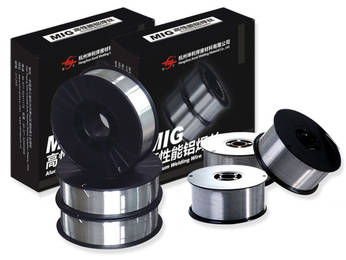
In the field of high-performance aluminum fabrication, the 6061 alloy is a cornerstone due to its excellent strength-to-weight ratio and corrosion resistance. However, from a metallurgical perspective, 6061 is highly susceptible to solidification cracking (hot cracking) during the welding process. Selecting the correct filler metal, specifically alloy er4043, is critical to mitigating this risk. Hangzhou Kunli Welding Materials Co., Ltd., a high-technology enterprise with over 20 years of manufacturing expertise, specializes in high-performance aluminum alloy wires. Our products are certified by international authorities such as ABS, DNV, and CE, and we serve as a qualified supplier to global leaders like Maersk and CRRC, successfully replacing imported materials with high-quality domestic solutions.
Understanding Solidification Cracking in 6061 Aluminum
Solidification cracking occurs in the "mushy zone" during the final stages of the welding cycle, where thin liquid films between developing grains are torn apart by shrinkage stresses. The 6061 base metal contains approximately 1.0% Magnesium and 0.6% Silicon; this specific chemistry places it right in the peak crack-sensitivity range. Using alloy er4043 effectively moves the weld metal chemistry out of this danger zone by significantly increasing the Silicon content. According to the 2024 Welding Aluminum Design Guide by the American Welding Society (AWS), increasing the Silicon content beyond 2% in the weld pool significantly lowers the temperature at which the final liquid solidifies, allowing the weld to accommodate more strain before total solidification occurs.
Source: American Welding Society - 2024 Aluminum Welding Technical Standards
Comparative Analysis: Base Metal vs. Weld Pool Chemistry
While the 6061 base metal is prone to cracking due to its low Silicon content, the chemical composition of er4043 aluminum wire introduces approximately 5% Silicon, which provides the necessary fluidity to "heal" cracks as they form.
| Material Element | 6061 Base Metal (wt%) | Alloy er4043 Filler (wt%) |
| Silicon (Si) | 0.40 - 0.80 | 4.5 - 6.0 |
| Magnesium (Mg) | 0.80 - 1.20 | < 0.05 |
| Crack Sensitivity | High (Self-mating) | Low (Diluted with filler) |
| Fluidity | Low | High |
The Role of Silicon in Improving Weldability
The primary reason engineers specify alloy er4043 is its high Silicon content. Silicon increases the fluidity of the weld pool, resulting in a cleaner bead profile and better wetting action. This fluidity is essential for ensuring that the liquid metal can flow into the grain boundaries to fill voids caused by thermal contraction. For industrial applications requiring large-scale production, utilizing a high quality er4043 tig welding rod or MIG wire ensures consistent feedability and arc stability. Furthermore, as noted in the 2025 Aluminum Association Market Report, the demand for Si-based fillers has remained stable in the automotive and maritime sectors due to their lower melting range compared to 5xxx series fillers, which reduces the heat-affected zone (HAZ) softening in heat-treatable alloys.
Source: The Aluminum Association - 2025 Industry Performance and Standards
Comparison: ER4043 vs. ER5356 for 6061 Welding
Although ER5356 is often used for its higher strength, it is more prone to cracking in 6061 joints if the dilution is not carefully controlled, making er4043 aluminum filler metal for 6061 the safer choice for most applications.
| Feature | Alloy er4043 (Al-Si) | ER5356 (Al-Mg) |
| Crack Resistance | Excellent | Good (but sensitive to dilution) |
| Ductility | Lower | Higher |
| Surface Aesthetics | Bright, smut-free finish | Darker, more oxide smut |
| Post-Weld Anodizing | Turns dark grey/black | Matches 6061 color well |
Optimizing Industrial Production with Kunli Solutions
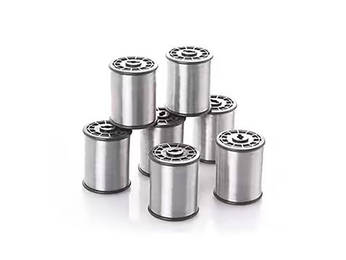
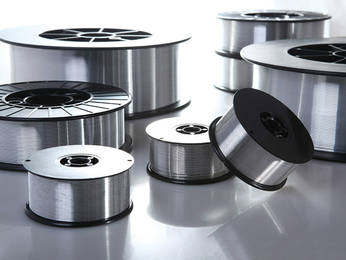
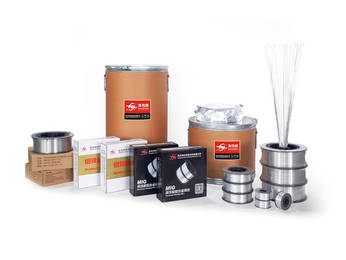
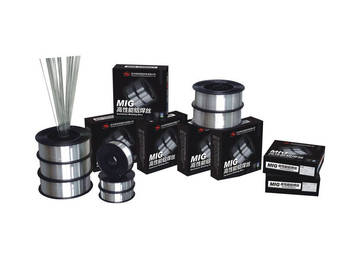
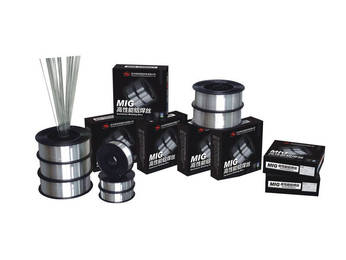
For B2B wholesalers and heavy industry manufacturers, the performance of the er4043 aluminum filler metal for 6061 is only as good as the wire's manufacturing quality. Hangzhou Kunli utilizes international advanced manufacturing equipment and strict quality control systems to ensure "shaved" surfaces on our wires, which eliminates surface oxides that cause porosity. As a wholesale er4043 aluminum welding wire supplier with a monthly capacity of 200MT, we understand the technical requirements of high-volume users. Our cooperation with institutes like the Beijing Nonferrous Metals Research Institute has allowed us to produce er4043 welding wire for automotive parts that successfully meet the stringent mechanical and fatigue requirements of modern vehicle assembly lines.
- Precision Diameter Control: Ensures stable wire feeding in automated MIG systems.
- Ultra-Clean Surface: Reduces post-weld cleanup and ensures X-ray quality welds.
- High Heat Stability: Resists wire deformation during long-duration welding tasks.
- Global Certification: Fully compliant with DNV, ABS, and CCS for marine and offshore engineering.
Frequently Asked Questions (FAQ)
1. Can I use alloy er4043 to weld 6061 if the part will be anodized?
You can, but be aware that the high Silicon content in alloy er4043 will cause the weld bead to turn a dark grey or black color after anodizing. If color matching is critical, ER5356 is often used, provided the joint design accounts for crack prevention.
2. Does ER4043 provide enough strength for 6061 structural joints?
While er4043 aluminum filler metal for 6061 has a lower shear strength than ER5356, it is generally sufficient for 6061-T6 applications because the heat-affected zone of the base metal usually becomes the weakest point of the joint anyway.
3. What is the difference between a TIG rod and a MIG wire in ER4043?
The chemical chemical composition of er4043 aluminum wire is the same for both. A high quality er4043 tig welding rod is used for manual, precision work, while MIG wire is used for high-speed, automated production.
4. Why is my ER4043 weld showing porosity?
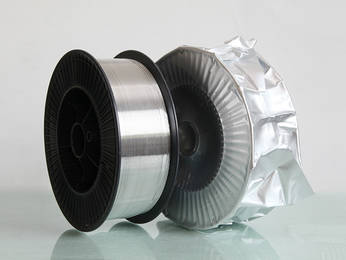
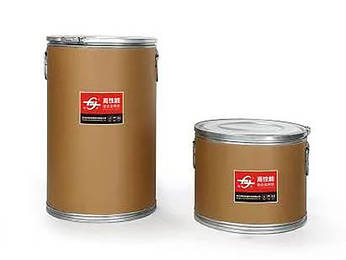
Porosity in aluminum welding is usually caused by surface moisture or oxides. Using wire from a wholesale er4043 aluminum welding wire supplier like Kunli, which features shaved surfaces and vacuum-sealed packaging, helps eliminate these contaminants.
5. Is alloy er4043 suitable for high-temperature service?
No. Alloy er4043 and other 4xxx series fillers are generally not recommended for sustained service at temperatures above 150°F (65°C) due to the potential for stress corrosion cracking.
NEXT:Kunli: 4xxx and 5xxx Series Aluminum Wire Comparison