English
  Deutsch


How to Choose High Strength Aluminum Welding Wire
Article Directory
- 1 What Actually Defines High Strength Aluminum Welding Wire?
- 2 Why Does 4943 Aluminum Welding Wire Draw So Much Attention?
- 3 How Should Engineers Weigh This Alloy Against Project Needs?
- 4 Top Alloy Choices Worth Comparing for High Strength Applications
- 5 Comparing High Strength Aluminum Wire Options
- 6 How Should Engineers Actually Improve Overall Weld Performance?
- 7 What Happens After the Weld Is Done?
- 8 What Should Buyers Actually Consider When Sourcing These Wire Types?
A weld that looks perfectly clean on the surface but fails under load testing weeks later. A joint that cracks right along the heat-affected zone despite every parameter matching the datasheet exactly. If either of these has happened on your shop floor, the issue often comes back to filler wire selection, specifically whether 4943 Aluminum Welding Wire or another high-strength alloy was an appropriate match for the joint.
Aluminum welding presents challenges that steel welding often does not, including oxide layers that form almost immediately, thermal conductivity that draws heat away quickly, and filler wire selection that plays a significant role in the final result. What makes this trickier is that getting it wrong doesn't always show up right away. That delay is exactly why wire selection deserves genuine understanding rather than a guess based on whatever a supplier's product page happens to recommend.
What Actually Defines High Strength Aluminum Welding Wire?
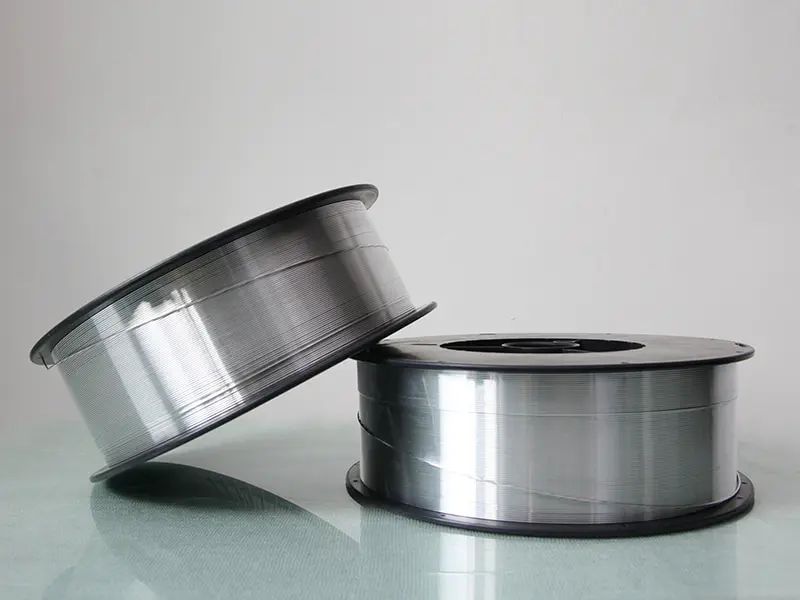
High strength aluminum filler wires are formulated specifically to produce weld joints that can take on more mechanical stress than general-purpose aluminum alloys manage. This isn't just marketing language dressed up to sound impressive, it reflects real differences in alloying elements, usually magnesium, sometimes combined with silicon, that change how the resulting weld behaves under load once everything's cooled down.
That distinction is especially important in structural applications, where a joint must withstand vibration, repeated stress, or continuous mechanical loading rather than simply appearing acceptable during a visual inspection.
Mechanical Properties Worth Understanding
A handful of characteristics separate high strength wire from more standard filler options:
- Higher tensile strength in the finished weld, so the joint resists pulling apart under load more effectively
- Better fatigue resistance, which matters a great deal for components facing repeated stress cycles across their service life
- Improved resistance to cracking during cooling, since certain alloying elements cut down on hot cracking tendencies in the weld pool
- Compatibility considerations tied to the specific base metal alloy, since mismatched filler and base metal combinations can undo strength gains entirely
Getting a handle on these properties helps engineers stop treating aluminum wire selection as interchangeable. The differences genuinely shape how a finished weld holds up once it's actually put to work, not just how it looks fresh off the torch.
Why Does 4943 Aluminum Welding Wire Draw So Much Attention?
This particular alloy formulation has picked up traction in applications demanding both strength and reasonably forgiving weldability, striking a balance some other high-strength options struggle to hit. It tends to get considered where structural integrity matters, but where excessive brittleness or a strong hot-cracking tendency would create headaches during the actual welding process.
Engineers working with certain aluminum base metal combinations often find that 4943 Aluminum Welding Wire offers more manageable welding characteristics than alternatives, without giving up the strength properties the application genuinely needs. That makes it a reasonable starting point for evaluation whenever structural aluminum welding calls for something beyond general-purpose filler.
How Should Engineers Weigh This Alloy Against Project Needs?
Rather than assuming any high strength wire will automatically fit a given project, a few practical questions help clarify whether it's actually the right call:
- What base metal alloy is genuinely being joined here, since filler and base metal compatibility directly shapes weld integrity
- What mechanical loads will the finished joint actually face once it's in service
- Does the welding process and equipment on hand actually support the specific arc characteristics this wire brings
- Are there post-weld heat treatment steps that might interact with the filler alloy's properties in unexpected ways
Working through these questions before committing to a specific wire tends to head off the kind of mismatch that only becomes obvious after a weld has already failed under real-world load.
Top Alloy Choices Worth Comparing for High Strength Applications
Beyond 4943, engineers regularly weigh several other established high strength options, each carrying its own tradeoffs worth understanding before deciding.
5356 Alloy Aluminum Wire
This magnesium-based alloy remains one of the more commonly specified choices for structural aluminum welding, delivering solid strength alongside decent corrosion resistance. It tends to perform well across a range of aluminum base metals, which explains why it shows up so consistently across marine, transportation, and general fabrication work.
5183 Aluminium MIG Wire
Carrying more magnesium than 5356, this option often gets specified where extra strength is needed, particularly in applications facing marine or otherwise corrosive environments. The tradeoff sometimes shows up in slightly different arc behavior compared to lower-magnesium alternatives, which welders used to other wire types may need a moment to adjust for.
Comparing High Strength Aluminum Wire Options
| Wire Type | Key Strength Characteristic | Typical Application Fit |
|---|---|---|
| 4943 Aluminum Welding Wire | Balanced strength with manageable weldability | Structural applications needing both strength and forgiving arc behavior |
| 5356 alloy aluminum wire | Solid general structural strength | Marine, transportation, general fabrication |
| 5183 aluminium MIG wire | Higher magnesium content, added strength | Corrosive or marine environments demanding extra strength margin |
Comparing these options side by side helps engineers choose according to actual project requirements instead of relying on whichever wire is already available or more familiar from previous work.
How Should Engineers Actually Improve Overall Weld Performance?
Wire selection is really just one piece of producing a genuinely strong aluminum weld. Machine settings, technique, and prep work all interact with filler choice to shape the final joint quality.
Getting Wire Selection and Machine Settings Right Together
Matching wire diameter and feed speed to the specific process and joint thickness matters a lot, since even the correct alloy performs poorly if machine parameters aren't dialed in properly for the job. Shielding gas choice interacts with wire selection too, affecting arc stability and weld pool behavior in ways that can either support or quietly undermine whatever properties the filler alloy was supposed to bring.
Surface Prep Before Welding Even Starts
Aluminum's natural oxide layer forms almost instantly on exposure to air, and this layer interferes considerably with weld quality if it isn't dealt with properly beforehand. Cleaning the joint area thoroughly right before welding, rather than relying on prep done well in advance, tends to produce noticeably better results no matter which filler wire ends up getting used.
Managing Heat Input With Some Care
Aluminum's high thermal conductivity means heat dissipates fast, which sometimes tempts welders into compensating with excessive heat input. That approach can actually work against joint strength by enlarging the heat-affected zone more than necessary. Balancing heat input to achieve proper fusion without overdoing it takes some practice, particularly when switching between wire alloys that behave a bit differently from one another.
What Happens After the Weld Is Done?
Depending on the application and the specific alloy combination in play, post-weld treatment or inspection protocols sometimes matter for confirming the joint genuinely meets its intended strength requirements. This becomes especially relevant for structural work where failure isn't just inconvenient, it can be genuinely hazardous.
What Should Buyers Actually Consider When Sourcing These Wire Types?
For fabrication shops, structural manufacturers, or industrial buyers purchasing aluminum welding wire on an ongoing basis, sourcing decisions go beyond simply picking an alloy designation off a technical datasheet.
- Consistency in wire diameter and composition across production batches, since variation between batches can introduce welding behavior nobody expected
- Access to real technical support from the supplier when questions come up about specific base metal and filler pairings
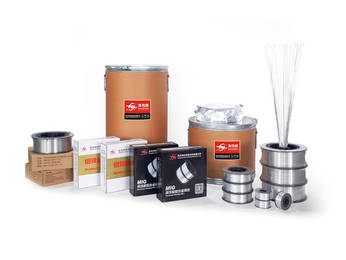
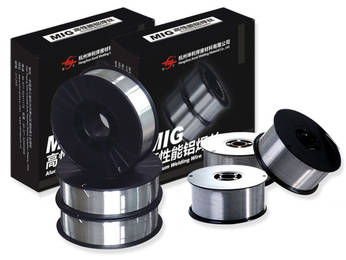
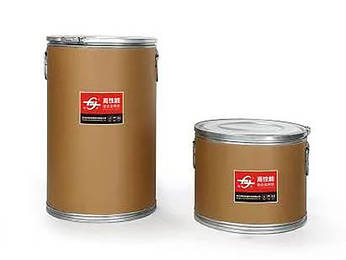
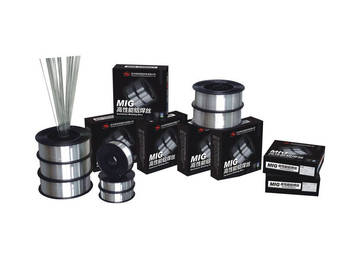
- Packaging and spool format options that actually fit production volume and equipment setup
- Whether the supplier can back up documentation for specific industry or project certification requirements
Raising these points directly with a supplier before committing to a large order tends to prevent the frustration of receiving wire that technically matches a spec sheet but introduces inconsistency once it's actually feeding through production welding equipment day after day.
Selecting the right high strength aluminum welding wire really comes down to matching alloy characteristics to the specific base metal, mechanical demands, and welding process involved in a given project, rather than assuming any high-strength label automatically fits every structural application that comes along. Whether the choice lands on 4943 Aluminum Welding Wire for its balance of strength and manageable arc behavior, 5356 alloy aluminum wire for general structural work, or 5183 aluminium MIG wire where added strength and corrosion resistance genuinely matter, understanding these distinctions helps engineers avoid the kind of mismatch that only reveals itself after a joint's already been placed into service. Careful attention to machine settings, surface prep, and heat management, alongside the right wire choice from the start, tends to produce welds that hold up reliably rather than looking fine on the surface while hiding weaknesses underneath. Hangzhou Kunli Welding Materials Co., Ltd. works with fabrication shops, structural manufacturers, and industrial buyers to supply aluminum welding wire suited to a range of structural and high strength applications, and welcomes inquiries about specifications, technical guidance, and sourcing for specific project requirements.
NEXT:5356 Alloy Aluminum Wire vs 4943 and 5183 Compared