English
  Deutsch


ER5554 Aluminum Welding Wire: Selection Guide
Article Directory
- 1 What Is ER5554 Aluminum Welding Wire and Why Is It Important?
- 2 Why Does Choosing the Right Aluminum Welding Wire Matter?
- 3 What Factors Should Be Considered When Selecting ER5554 Aluminum Welding Wire?
- 4 What Are the Key Advantages of ER5554 Aluminum Welding Wire?
- 5 How to Select the Correct ER5554 Welding Wire Diameter?
- 6 Where Is ER5554 Aluminum Welding Wire Commonly Used?
- 7 ER5554 vs Other Aluminum Welding Wires: How to Choose?
- 8 How Does Manufacturing Quality Affect ER5554 Aluminum Welding Wire Performance?
- 9 How to Work With Suppliers When Purchasing ER5554 Aluminum Welding Wire?
- 10 What Are the Future Trends of Aluminum Welding Wire?
- 11 FAQ
- 11.1 What is ER5554 aluminum welding wire used for?
- 11.2 Which aluminum alloys can ER5554 welding wire weld?
- 11.3 What is the difference between ER5554 and ER5356?
- 11.4 How do I choose the right aluminum welding wire diameter?
- 11.5 Is ER5554 suitable for automotive welding applications?
- 11.6 How should aluminum welding wire be stored?
Filler metal selection is not a detail to guess at on an aluminum weld — it determines strength, corrosion resistance, and long-term reliability of every joint. ER5554 Aluminum Welding Wire is an aluminum-magnesium alloy filler built for 5xxx series base materials, and this guide covers what it is, how to select it correctly, and where it performs best across industrial welding projects.
What Is ER5554 Aluminum Welding Wire and Why Is It Important?
ER5554 aluminum welding wire is an aluminum-magnesium alloy filler metal designed for welding specific aluminum alloys. It is commonly selected for applications requiring good strength, corrosion resistance, and reliable weld performance, and it is especially suited to welding 5xxx series aluminum alloys, including 5454 base materials and applications that demand elevated temperature performance.
Filler wire selection is not a minor spec on the drawing. The correct choice directly affects weld quality, mechanical performance, and long-term service reliability, and choosing a compatible welding wire helps reduce defects while improving overall production efficiency on the shop floor.
Why Does Choosing the Right Aluminum Welding Wire Matter?
Aluminum alloys vary widely in chemical composition and mechanical requirements, and an incorrect filler selection can compromise crack resistance, corrosion performance, and weld strength all at once. The welding wire needs to match both the base material and the environment the finished part will operate in.
What Factors Should Be Considered When Selecting ER5554 Aluminum Welding Wire?
| Factor | What to Confirm |
| Base Metal Compatibility | Confirm the aluminum alloy being welded and match ER5554 to suitable 5xxx series materials, commonly 5454 and similar alloys |
| Welding Application Requirements | Operating environment, load conditions, temperature exposure, and corrosion conditions such as chemical tanks or transportation equipment |
| Mechanical Performance Requirements | Tensile strength, ductility, and corrosion resistance required by the finished part |
| Welding Process Compatibility | GMAW or GTAW process, since each requires different wire diameters and welding parameters |
What Are the Key Advantages of ER5554 Aluminum Welding Wire?
Good Strength Performance
Provides reliable welded joints suited to structural aluminum applications.
Excellent Corrosion Resistance
Performs well in outdoor and industrial environments over long service periods.
Good Weldability
Stable arc performance and smooth weld formation improve welding efficiency.
Elevated Temperature Suitability
Maintains performance in demanding, temperature-exposed environments.
Magnesium is the primary alloying element in ER5554, and it is that composition that drives the corrosion resistance and mechanical performance the wire is chosen for.
How to Select the Correct ER5554 Welding Wire Diameter?
- Material Thickness — governs required penetration and achievable welding speed
- Welding Method — manual welding and automated welding call for different setups
- Equipment Capability — wire feeding system and available welding current range
Different diameters are available to match different welding requirements, so diameter selection should always be confirmed against the specific equipment and joint design being used.
Where Is ER5554 Aluminum Welding Wire Commonly Used?
Automotive Industry
Aluminum vehicle components, wheels, and structural parts benefit from lightweight construction and reliable welded joints.
Transportation Equipment
Trailers, rail vehicles, and tank vehicles rely on durability and corrosion resistance under continuous use.
Storage Tanks and Industrial Equipment
Chemical tanks, heat exchangers, and industrial containers demand stable performance under demanding conditions.
ER5554 is widely used across transportation, automotive, and tank-related applications, particularly where the base material is a compatible 5xxx series aluminum alloy.
ER5554 vs Other Aluminum Welding Wires: How to Choose?
ER5554
- Suitable for 5454 applications
- Good corrosion resistance
- Suitable for elevated temperature conditions
ER5356
- Widely used general Al-Mg filler wire
- Suitable for many general aluminum welding applications
The choice between them ultimately comes down to base alloy, required strength, and the operating environment the finished weldment will see in service.
How Does Manufacturing Quality Affect ER5554 Aluminum Welding Wire Performance?
- Alloy Composition Control — ensures chemical consistency and stable welding performance
- Wire Diameter Accuracy — affects feeding stability and welding consistency
- Surface Cleanliness — impacts weld quality and defect reduction
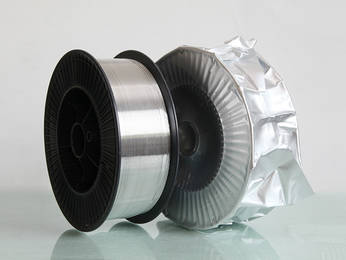
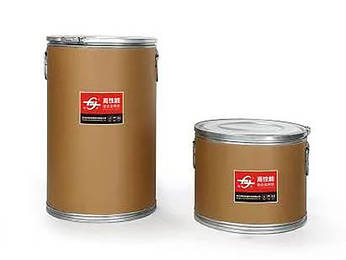
- Packaging and Storage — protects against moisture and contamination before use
How to Work With Suppliers When Purchasing ER5554 Aluminum Welding Wire?
Three checks matter most when evaluating an ER5554 aluminum welding wire supplier: technical capability, meaning alloy control and genuine production experience; confirmed product standards, including AWS specifications and documented quality inspection; and supply capability, covering production consistency, customized specifications, and reliable delivery performance.
What Are the Future Trends of Aluminum Welding Wire?
Four trends are shaping demand going forward: increasing use of lightweight aluminum structures across transportation and automotive sectors, rising demand for higher-performance filler metals, growth in automation-friendly welding materials suited to robotic cells, and continued pressure to improve overall welding efficiency on the shop floor.
FAQ
What is ER5554 aluminum welding wire used for?
It is used to weld 5xxx series aluminum alloys, particularly 5454 base materials, across automotive, transportation, and industrial tank applications.
Which aluminum alloys can ER5554 welding wire weld?
It is primarily matched to 5454 and similar 5xxx series aluminum alloys where strength and temperature resistance are required.
What is the difference between ER5554 and ER5356?
ER5554 is suited to 5454-type applications with elevated temperature exposure, while ER5356 is a more general-purpose Al-Mg filler wire.
How do I choose the right aluminum welding wire diameter?
Match diameter to material thickness, welding method, and the capability of the welding equipment being used.
Is ER5554 suitable for automotive welding applications?
Yes — it is commonly used for aluminum vehicle components, wheels, and structural parts requiring reliable welded joints.
How should aluminum welding wire be stored?
It should be kept in packaging that protects against moisture and contamination to preserve weld quality before use.
NEXT:How to Choose High Strength Aluminum Welding Wire