English
  Deutsch


How to Choose ER5554 Aluminum Welding Wire for Marine Welding, Structural Fabrication and Corrosion Resistant Aluminum Applications
Article Directory
- 1 What is ER5554 aluminum welding wire and what are its key characteristics?
- 2 What are the main applications of ER5554 aluminum welding wire?
- 3 What performance properties should ER5554 welding wire provide?
- 4 How does ER5554 compare with other aluminum welding wires like ER5356 and ER4043?
- 5 How is ER5554 aluminum welding wire manufactured?
- 6 What welding processes are compatible with ER5554 wire?
- 7 What are the limitations of ER5554 aluminum welding wire?
- 8 What is the future trend of aluminum welding consumables like ER5554?
- 9 FAQ
ER5554 aluminum welding wire is an aluminum-magnesium filler metal developed for applications where corrosion resistance, particularly in marine and seawater-adjacent environments, matters as much as basic weld strength. Selecting the correct filler wire for aluminum fabrication means weighing base metal compatibility, expected service environment, and required mechanical properties, since different aluminum-magnesium alloys are formulated for different combinations of strength, ductility, and corrosion performance. This guide covers what ER5554 is, where it performs best, how it compares with related filler wires, and how it is manufactured and used in practice.
Aluminum-magnesium filler metal
Strong corrosion resistance in marine environments
Compatible with GMAW and related aluminum welding methods
What is ER5554 aluminum welding wire and what are its key characteristics?
ER5554 aluminum welding wire is an aluminum magnesium welding filler wire designed to join aluminum base metals while providing a weld deposit with good resistance to corrosion in demanding environments. As a welding consumable for aluminum alloys, it belongs to the 5xxx series filler metal family, which relies on magnesium as its primary alloying element to achieve a combination of strength and corrosion resistance without relying on heat treatment.
What sets this wire apart as a corrosion resistant filler metal is its magnesium content, which is formulated to perform reliably in environments where saltwater or high-moisture exposure would degrade less resistant aluminum alloys over time. This is precisely why it is often described as a marine grade aluminum welding wire, since its composition is tailored toward long-term performance in exactly the conditions that marine and coastal structures experience.
What is ER5554 aluminum welding wire used for centers on aluminum fabrication work where the finished weld will face sustained exposure to moisture, salt spray, or general outdoor weathering. Properties of ER5554 aluminum filler wire include good weldability with common aluminum welding processes alongside its corrosion-focused composition, and why ER5554 is used in marine welding applications comes down to this dependable balance between joint integrity and long-term environmental resistance.
What are the main applications of ER5554 aluminum welding wire?
ER5554 wire is applied across several industries where aluminum structures must resist corrosion while maintaining structural integrity under load.
| Application Area | Typical Use Case |
| Shipbuilding aluminum welding | Hulls, decks, and structural components exposed to seawater |
| Automotive aluminum fabrication | Components requiring corrosion resistance and moderate strength |
| Pressure vessel welding aluminum | Vessels needing reliable, corrosion-resistant weld joints |
| Structural aluminum repair welding | Field repairs on aluminum structures exposed to weathering |
| Industrial aluminum alloy fabrication | General fabrication where corrosion performance is a priority |
ER5554 welding wire for marine structures represents its most defining use case, since shipbuilding and marine fabrication place a premium on weld metal that will not degrade prematurely under constant saltwater exposure. Where ER5554 aluminum wire is commonly used extends beyond shipbuilding into any aluminum welding wire for corrosion resistant environments, including coastal infrastructure, marine equipment, and outdoor structures subject to repeated moisture cycling.
What performance properties should ER5554 welding wire provide?
Fabricators typically evaluate ER5554 against corrosion resistance, crack resistance, joint strength, seawater performance, and arc stability during welding.
Corrosion resistance weld metal performance is the defining property of ER5554, since its magnesium-based composition is formulated specifically to resist the degradation mechanisms common in marine and high-moisture environments, distinguishing it from general-purpose aluminum filler wires.
Crack resistant aluminum weld behavior depends on maintaining proper welding parameters and joint preparation, since even a well-formulated filler wire can be prone to cracking if welding technique or base metal compatibility is not properly managed. Strong joint mechanical properties are achieved through the alloy's magnesium content, which contributes to weld strength without requiring post-weld heat treatment, a characteristic shared across much of the 5xxx filler metal family.
Seawater resistance aluminum alloy performance is where ER5554 is most differentiated from general-purpose filler wires, since its composition is specifically suited to long-term exposure in saline or high-humidity environments. Stable arc welding performance, meanwhile, depends on maintaining clean base metal surfaces and appropriate shielding gas coverage, both of which support consistent weld quality regardless of the specific aluminum filler alloy being used.
How does ER5554 compare with other aluminum welding wires like ER5356 and ER4043?
ER5554, ER5356, and ER4043 represent different points within the broader family of aluminum filler metals, each suited to different combinations of strength, ductility, and corrosion resistance.
ER5554
- Aluminum-magnesium composition
- Strong emphasis on corrosion resistance
- Suited to marine and moisture-heavy environments
- Good balance of strength and weldability
ER5356 and ER4043
- ER5356: higher magnesium content, commonly used in general structural aluminum welding
- ER4043: aluminum-silicon composition, favored for good flow and lower crack sensitivity
- Both are widely used general-purpose aluminum filler wires
- Selection depends on base metal alloy and service environment
ER5554 versus ER5356 comparison generally centers on the specific corrosion environment a weld will face, since both are aluminum-magnesium filler wires but are formulated with different magnesium content targeting slightly different performance profiles. ER5554 versus ER4043 differences are more pronounced, since ER4043 relies on silicon rather than magnesium as its primary alloying element, generally offering easier welding characteristics but typically less corrosion resistance in marine-type environments compared to magnesium-based wires.
Magnesium content welding wire comparison across these three options illustrates a broader principle in aluminum filler selection: strength versus ductility filler metal trade-offs often follow alloying content, with higher magnesium generally supporting greater strength and corrosion resistance while silicon-based alternatives tend to offer smoother weld flow. Corrosion resistance aluminum filler alloys in the magnesium family, including ER5554, are generally the preferred choice specifically when the finished structure will see sustained exposure to marine or high-humidity conditions.
How is ER5554 aluminum welding wire manufactured?
Producing ER5554 wire involves careful alloy composition control combined with precision mechanical processing to achieve a consistent, weld-ready filler metal.
- Alloy composition control: Aluminum and magnesium are combined in controlled proportions to meet the target alloy specification for the wire.
- Casting: The alloy is cast into billet or rod form as the starting material for wire drawing.
- Aluminum alloy wire drawing process: The cast material is progressively drawn through dies to reduce diameter and achieve the desired mechanical properties.
- Precision diameter extrusion and drawing: Further drawing passes refine the wire to precise diameter tolerances required for consistent feeding during welding.
- Wire surface cleaning process: The wire surface is cleaned to remove oxides, oils, or residues that could interfere with arc stability during welding.
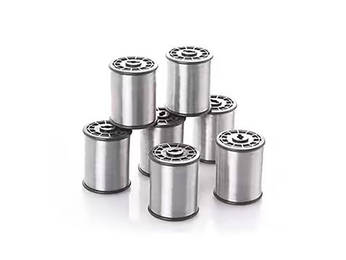
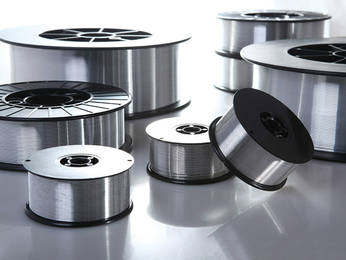
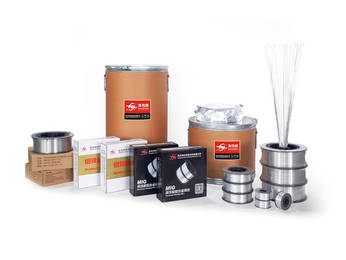
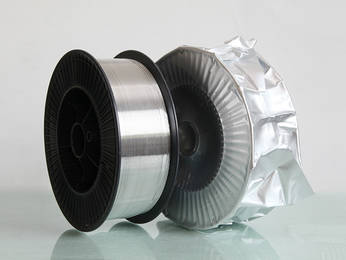
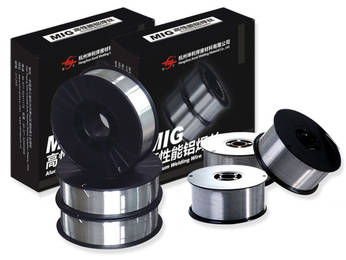
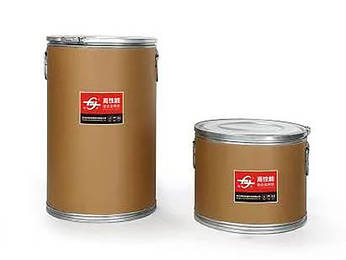
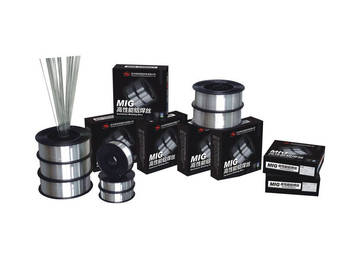
- Spooling and packaging welding wire: Finished wire is wound onto spools and packaged under conditions that limit moisture exposure prior to use.
How aluminum welding wire is made ultimately depends on this combination of controlled alloy chemistry and precise mechanical drawing, since both directly affect how the wire behaves during welding. How alloy composition affects welding wire performance is particularly evident in filler metals like ER5554, where a specific magnesium level is targeted precisely to achieve the intended corrosion and strength characteristics of the finished weld.
What welding processes are compatible with ER5554 wire?
ER5554 wire is generally compatible with the standard welding processes used for aluminum fabrication, most commonly gas metal arc welding.
- 01
MIG welding aluminum wire — ER5554 is commonly used in MIG welding setups configured for aluminum base metals.
- 02
GMAW aluminum welding process — gas metal arc welding remains the most widely used process for this filler wire across fabrication settings.
- 03
Automated welding systems — ER5554's consistent wire feeding characteristics support use in automated aluminum welding lines.
- 04
Robotic welding applications — precision diameter control makes the wire suitable for robotic welding cells requiring consistent feed performance.
Can ER5554 be used in MIG welding is a frequent question among fabricators, and the answer is generally yes, since MIG, or GMAW, is one of the most common processes used with this and similar aluminum filler wires. Best welding methods for ER5554 wire typically involve proper shielding gas selection and clean base metal preparation, both of which are essential for stable arc performance regardless of whether the process is manual or automated.
What are the limitations of ER5554 aluminum welding wire?
Despite its strong corrosion resistance, ER5554 has limitations that fabricators should account for during material selection and welding preparation.
Known Limitations
- Limited compatibility with certain aluminum base alloys
- Sensitivity to contamination during welding
- Storage moisture protection requirements before use
- Cost variation relative to more general-purpose filler metals
- Welding parameter sensitivity affecting weld quality
Practical Mitigations
- Confirming base metal compatibility before selecting filler wire
- Maintaining clean base metal and shielding gas coverage
- Storing wire in controlled, low-humidity conditions
- Budgeting for cost differences relative to alternative fillers
- Following recommended welding parameters closely
Disadvantages of ER5554 welding wire generally relate to the same sensitivity factors common across aluminum filler metals, including a need for clean surfaces and controlled storage conditions. When not to use ER5554 aluminum filler typically comes down to base metal compatibility, since not every aluminum alloy pairs well with a magnesium-based filler wire, making alloy compatibility a key consideration during material selection. Limitations of magnesium aluminum welding wire, more broadly, tend to center on handling and process control rather than any fundamental weakness in the alloy itself.
What is the future trend of aluminum welding consumables like ER5554?
Lightweight alloy development continues to shape the broader aluminum fabrication industry, as manufacturers look for filler metals that support strength and corrosion resistance without adding unnecessary weight to finished structures.
High strength aluminum welding materials are being refined to serve increasingly demanding structural and marine applications, extending the range of environments where aluminum fabrication can reliably replace heavier metal alternatives. Automated welding consumables, including wire formulations optimized for consistent feeding in robotic and automated systems, are becoming more prominent as fabrication facilities increase their reliance on automated welding lines. Corrosion resistant alloy innovation remains a steady area of development, building on the same magnesium-based principles that make ER5554 effective in marine environments. Sustainable metal fabrication practices are also influencing filler metal production, with increased attention on recycled aluminum content and more efficient manufacturing processes across the welding consumables industry. Future of aluminum welding wire industry growth is likely to continue balancing these priorities, refining existing alloy families like ER5554 rather than replacing them outright.
FAQ
What is ER5554 aluminum welding wire?
ER5554 is an aluminum-magnesium filler wire formulated to provide strong corrosion resistance, particularly in marine and high-moisture welding applications.
What is ER5554 used for?
It is used in aluminum fabrication where corrosion resistance is a priority, including shipbuilding, marine structures, pressure vessels, and general industrial aluminum welding.
What is the difference between ER5554 and ER5356?
Both are aluminum-magnesium filler wires, but they differ in magnesium content and are formulated for slightly different balances of strength and corrosion performance depending on the application.
Can ER5554 be used for marine welding?
Yes, ER5554 is commonly selected for marine welding applications specifically because of its strong resistance to corrosion in seawater and high-humidity environments.
Is ER5554 good for corrosion resistance?
Yes, corrosion resistance is one of ER5554's defining characteristics, making it a preferred choice for aluminum structures exposed to marine or moisture-heavy conditions.
What welding process uses ER5554?
ER5554 is most commonly used with gas metal arc welding, also known as MIG welding, in both manual and automated aluminum fabrication settings.
NEXT:4943 Aluminum Welding Wire for Automotive Aluminum Welding