English
  Deutsch


How to Choose Aluminum Welding Wire ER5356 for Marine, Automotive and Structural Welding Applications
Article Directory
Selecting the right aluminum welding wire ER5356 affects joint strength, corrosion resistance, and long-term reliability across marine, automotive, and structural fabrication work. For welding distributors, repair yards, and industrial contractors, wire selection depends on matching alloy chemistry and diameter to the base metal, joint design, and service environment. This guide covers the types of ER5356 welding wire available, where it is applied, the mechanical and corrosion properties buyers should evaluate, and the process settings that affect weld quality.
Types of Aluminum Welding Wire ER5356
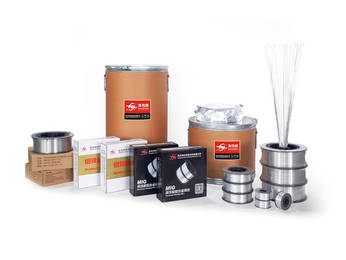
ER5356 welding wire belongs to the 5xxx series of aluminum-magnesium filler alloys, and understanding how it is packaged and positioned against related filler wires helps buyers select the correct consumable for a given fabrication job. Distributors stocking industrial aluminum welding consumables typically carry ER5356 in multiple diameters and put-up formats to serve both high-volume production welding and smaller repair shop orders.
ER5356 Welding Wire
The standard designation for an aluminum-magnesium filler alloy containing approximately 5 percent magnesium, formulated to match the strength and color response of common 5xxx series base metals after anodizing.
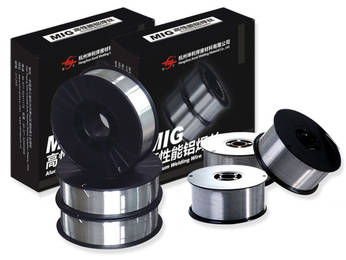
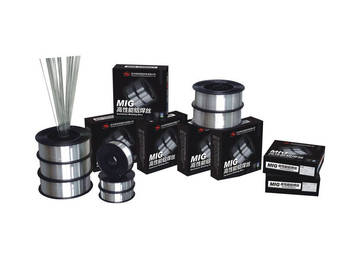
Aluminum MIG Welding Wire
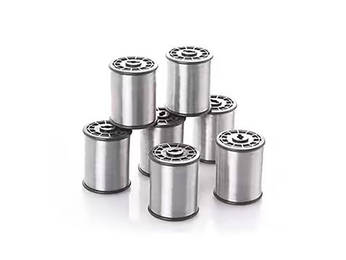
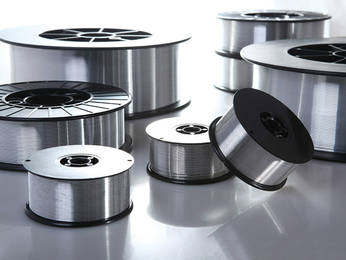
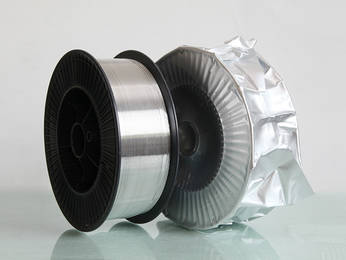
ER5356 supplied in spool form for gas metal arc welding, sized in diameters suited to wire feed equipment used in production and repair fabrication environments.
TIG Welding Wire Aluminum
ER5356 supplied as cut lengths for gas tungsten arc welding, where the filler is fed manually into the weld puddle rather than through a wire feeder.
Magnesium Aluminum Welding Wire
A broader category describing 5xxx series filler alloys generally, of which ER5356 is the most widely specified grade for structural and marine applications.
A common point of comparison is ER5356 vs ER4043 welding wire differences, since both are widely stocked aluminum filler alloys but serve different purposes. ER4043, a silicon-aluminum alloy, is generally selected for general-purpose welding and casting repair where crack resistance during solidification is the priority, while filler wire ER5356 is generally preferred where higher joint strength and better color match after anodizing are required, particularly on 5xxx and 6xxx series base metals. Fabricators working across mixed alloy inventories often stock both wires, reserving ER4043 for cast components and thin-section work prone to hot cracking, and reserving ER5356 for structural joints where post-weld strength is the deciding factor.
Higher strength, better anodized color match, preferred for structural and marine joints
Better solidification crack resistance, common for general fabrication and casting repair
Applications of Aluminum Welding Wire ER5356
Aluminum welding wire ER5356 is specified across a range of industries where aluminum structures are exposed to mechanical load, vibration, or corrosive environments, and matching the wire to the specific application ensures the joint performs as designed.
Marine Aluminum Welding and Shipbuilding Welding Wire
ER5356 aluminum welding wire for marine use is one of the most common applications for this alloy, since its magnesium content provides strong resistance to saltwater corrosion. As a shipbuilding welding wire, ER5356 is used extensively on hull plating, deck structures, and marine fittings where long-term exposure to a saline environment makes corrosion resistance as important as mechanical strength.
Automotive Aluminum Fabrication
In automotive aluminum fabrication, ER5356 filler wire for automotive panels is used on body panels, chassis components, and trailer structures where aluminum is selected for its weight savings over steel. The wire's strength characteristics support structural joints that must withstand road vibration and repeated stress cycling over the vehicle's service life.
Structural Aluminum Welding
Structural aluminum welding applications, including framing, railing, and architectural aluminum assemblies, rely on ER5356 for its combination of tensile strength and weldability across common structural alloy grades. High strength aluminum weld applications ER5356 supports include load-bearing joints where post-weld mechanical performance must be predictable and consistent. Contractors specifying aluminum for exterior architectural work also favor ER5356 for its anodized color consistency, which helps welded joints blend visually with the surrounding base metal on exposed structures.
Shipbuilding and Aerospace Aluminum Repairs
Beyond new construction, aluminum welding wire for shipbuilding repair is a routine consumable for repair yards addressing hull damage, cracked brackets, and fitting replacement on vessels already in service. Aerospace aluminum repairs also use ER5356 in select non-critical structural and support applications, though aerospace specifications should always be confirmed against the governing engineering documentation for the specific component and alloy involved. Repair yards operating in tidal or coastal conditions often keep ER5356 as a standard stock item precisely because unplanned repairs on saltwater-exposed vessels are common and time-sensitive.
Across these settings, industrial aluminum welding wire applications generally follow the same underlying logic: ER5356 is chosen when the joint will experience mechanical load, environmental exposure, or both, and when a strong color match after anodizing is part of the finished part's appearance requirements. OEM and ODM metal fabrication buyers sourcing for multiple end markets frequently standardize on ER5356 as a default aluminum filler for exactly this reason, simplifying inventory while still meeting the performance needs of most structural and marine work.
Key Performance Properties Buyers Should Evaluate
Beyond alloy designation, buyers should evaluate a defined set of mechanical and environmental performance properties before specifying an aluminum welding wire ER5356 product for a given job.
High Strength Aluminum Weld Performance
A high strength aluminum weld produced with ER5356 depends on both the wire's chemistry and correct welding technique, since even a correctly specified filler alloy will underperform if travel speed, heat input, or joint preparation are inconsistent. ER5356 welding wire tensile strength properties are generally documented by the wire manufacturer against recognized welding society classification standards, and buyers working on load-bearing structures should request this documentation rather than relying on general alloy family assumptions.
Joint preparation plays a larger role in aluminum welding outcomes than many fabricators moving from steel expect. Removing the natural oxide layer immediately before welding, using clean stainless brushes or chemical cleaners dedicated to aluminum, helps ensure the filler wire fuses cleanly rather than trapping oxide inclusions that can weaken the finished joint.
Corrosion Resistant Weld and Saltwater Resistant Alloy Performance
As a saltwater resistant alloy, ER5356's magnesium content forms a stable oxide layer that resists the pitting corrosion common to aluminum in marine environments. This corrosion resistant weld characteristic is a primary reason the alloy is specified for hull and deck structures over lower-magnesium filler alternatives, which can be more prone to corrosion in continuous saltwater exposure.
| Property | What It Affects | Buyer Consideration |
| Magnesium Content | Strength and corrosion resistance | Confirm alloy meets classification standard |
| Tensile Strength | Load-bearing joint reliability | Request manufacturer test documentation |
| Crack Resistance | Solidification integrity during cooling | Evaluate against joint design and restraint |
| Ductility | Weld flexibility under vibration or stress | Important for automotive and marine use |
| Anodized Color Match | Visual consistency on finished parts | Relevant for architectural and visible welds |
Corrosion resistance and mechanical strength are not interchangeable properties; a filler wire selected only for strength without considering the service environment can still lead to premature joint failure in a saltwater or high-humidity setting.
Crack Resistant Welding Wire and Weld Ductility
Crack resistant welding wire performance depends on managing heat input and joint restraint, since even a well-matched filler alloy can be prone to solidification cracking if the joint design does not allow the weld to contract naturally as it cools. Weld ductility aluminum filler ER5356 provides is generally well suited to applications involving vibration or cyclic loading, such as automotive and marine structures, where a more brittle filler could develop fatigue cracks over time.
Buyers should also confirm that the ER5356 they source has been manufactured with consistent alloy chemistry batch to batch, since variation in magnesium content between production lots can subtly affect both crack resistance and final joint ductility, particularly on critical structural or classed marine work where consistency across a project matters as much as the alloy specification itself.
Welding Process and Usage Considerations
Correct process setup is essential to getting reliable results from aluminum welding wire ER5356, since aluminum's high thermal conductivity and oxide layer behave differently from steel welding under the same equipment settings.
MIG Welding Parameters
MIG welding ER5356 parameters guide selection should start with matching wire diameter to base metal thickness and machine output range, then adjusting voltage and wire feed speed together until the arc produces a stable, consistent bead without excessive spatter. Preheating thicker aluminum sections can also help control heat input on the first pass, particularly on material over roughly six millimeters thick where heat dissipates quickly through the base metal.
TIG Welding Aluminum Process
The TIG welding aluminum process using ER5356 filler relies on alternating current to break down the oxide layer on the base metal surface, and manual filler addition requires the welder to maintain consistent puddle control while feeding wire at a steady rate.
Shielding Gas Selection
Argon gas for aluminum welding wire is the standard shielding choice for both MIG and TIG processes with ER5356, chosen for its cleaning action on the aluminum oxide layer and stable arc characteristics. Some fabricators use an argon-helium blend for thicker sections where additional heat input is needed.
Wire Feed Speed Control
Aluminum welding wire feed speed settings require closer attention than steel welding, since aluminum's softness makes it more prone to feeding issues such as birdnesting if the drive rolls or liner are not correctly matched to the wire diameter. Buyers new to how to use ER5356 aluminum welding wire in a MIG setup should confirm their equipment uses aluminum-specific drive rolls and a compatible liner before starting production welds.
A push-style gun or spool gun is often recommended over a standard pull-style setup for aluminum wire, since the shorter feed path reduces the chance of the softer wire buckling before it reaches the contact tip. Contractors transitioning a shop from steel to aluminum fabrication should budget for this equipment difference rather than assuming existing MIG setups will feed ER5356 reliably without modification.
FAQ
What is aluminum welding wire ER5356?
Aluminum welding wire ER5356 is an aluminum-magnesium filler alloy classified under welding society standards, used for MIG and TIG welding of aluminum base metals, particularly 5xxx and 6xxx series alloys.
What is ER5356 used for?
ER5356 is used for structural, marine, and automotive aluminum welding where joint strength, corrosion resistance, and anodized color match are important, including shipbuilding, trailer fabrication, and architectural aluminum work.
What is the difference between ER5356 and ER4043 welding wire?
ER5356 is a magnesium-based alloy offering higher strength and better anodized color match, while ER4043 is a silicon-based alloy offering better solidification crack resistance, making each suited to different fabrication priorities.
Is ER5356 good for marine welding?
Yes. ER5356's magnesium content provides strong resistance to saltwater corrosion, making it a common choice for hull, deck, and marine fitting welds.
Can ER5356 be used for automotive welding?
Yes. ER5356 is commonly used for automotive aluminum fabrication, including body panels and structural components, where its strength and ductility support joints exposed to vibration and cyclic stress.
What gas is used for aluminum welding wire?
Argon is the standard shielding gas for ER5356 in both MIG and TIG welding, with argon-helium blends sometimes used for thicker aluminum sections requiring additional heat input.
Final Thoughts
Selecting aluminum welding wire ER5356 comes down to balancing mechanical strength against the corrosion demands of the service environment, whether that is a marine hull, an automotive structure, or a general structural assembly. Buyers who confirm alloy classification, request tensile strength documentation, and match shielding gas and process parameters to the specific base metal are best positioned to achieve consistent, reliable welds across demanding fabrication applications.
NEXT:How to Choose ER5554 Aluminum Welding Wire for Marine Welding, Structural Fabrication and Corrosion Resistant Aluminum Applications