Introduction
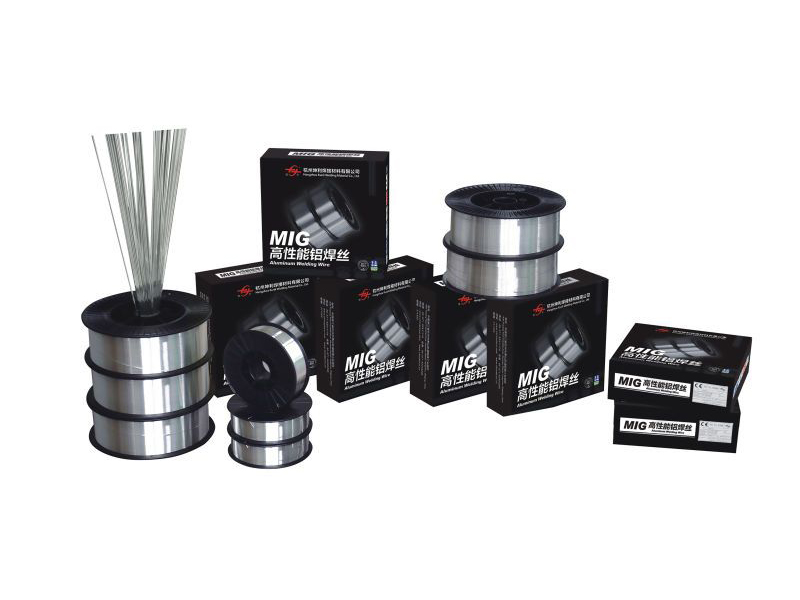
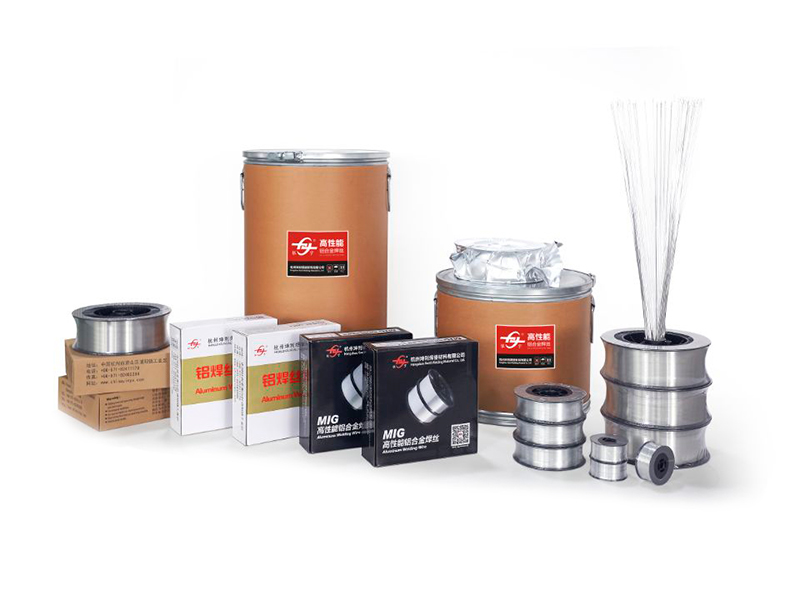
In structural engineering, high-strength aluminum is used where weight savings cannot compromise safety or performance. Our high-strength structural wires are the highest performing consumables available, minimizing the strength reduction in the weld area, which is the weakest link in any aluminum assembly. We enable the construction of lighter, yet stronger, structures in heavy construction, defense, and high-performance transportation by providing consumables certified to meet the minimum required tensile and yield strength values specified by AWS D1.2 and similar global structural codes.
Specification
| Key Property | Maximum Weld Tensile and Yield Strength |
| Alloy Focus | ER5183 (∼300 MPa UTS), ER4943 (Max strength with PWHT) |
| Base Metal Focus | 5083, 5456, 6061 (when PWHT is used) |
| Critical Test | Transverse Tensile Test of the Welded Joint |
| Compliance Code | AWS D1.2 (Section 4 and Table 7.1) |
Applications and Solutions
Bridge and Civil Engineering: Welding large aluminum plate and extrusions for load-bearing bridge decks and structural supports.
Defense and Armor: Fabrication of military vehicle hulls and components that require high-strength and impact resistance.
Aerospace Ground Support Equipment: Welding high-load structures such as large aerospace ground launch equipment and gantries.
High-Pressure Containment: Joining thick-walled pressure vessels and high-load storage tanks.
FAQ
- Q: What is the limiting factor in high-strength aluminum welding?A: The softening of the Heat-Affected Zone (HAZ) in the base metal (6XXX and 7XXX series) is the primary factor limiting the overall joint strength, even if the filler metal deposit is strong.
- Q: Is there a filler stronger than ER5183?A: For non-heat-treatable welds, ER5183 is the strongest common option. ER4943 is stronger, but only after a post-weld heat treatment (PWHT). Specialized Al-Sc fillers are stronger but extremely costly.
- Q: Why is porosity control critical for high-strength structural welding?A: Porosity dramatically reduces the effective cross-sectional area and acts as stress concentrators, which is unacceptable for components designed to bear maximum loads and resist fatigue.
English
Deutsch
English
Deutsch