English
  Deutsch


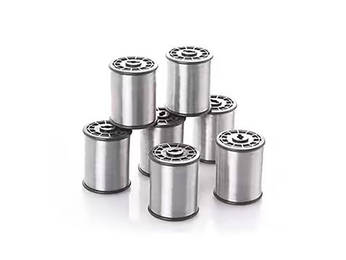
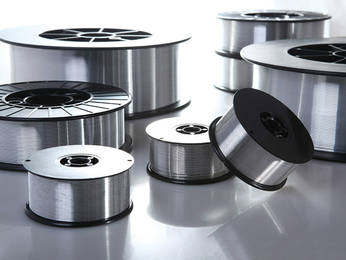
4943 Aluminum Welding Wire for Automotive Aluminum Welding
Article Directory
- 1 Why Is Aluminum Used So Widely in Automotive Manufacturing?
- 2 What Separates Common Aluminum Welding Wire Types for Cars?
- 3 Comparing These Wire Options Side by Side
- 4 What Welding Problems Tend to Show Up With Automotive Aluminum?
- 5 Steps for Choosing the Right Wire Before a Production Run
- 6 Bringing Wire Selection Back to Production Reliability
Cracks showing up along a weld seam days after assembly, joints that looked sound under inspection but failed once the part hit real vibration and thermal cycling, welders switching wire mid project because the initial choice kept producing porosity on thin gauge panels, this is the kind of frustration that pushes automotive fabricators toward 4943 Aluminum Welding Wire once they start digging into why certain aluminum joints keep underperforming. Choosing the wrong wire for a given alloy is rarely obvious right away, and by the time the problem surfaces, rework has already eaten into the schedule. For automotive manufacturers, parts suppliers, aluminum fabrication shops, and welding engineers responsible for material selection, understanding how different wire chemistries interact with common automotive aluminum alloys shapes both weld quality and how much rework a production line ends up dealing with down the line.
Why Is Aluminum Used So Widely in Automotive Manufacturing?
Vehicle manufacturers keep leaning on aluminum because it cuts weight without giving up structural performance the way some lighter alternatives would. A lighter body or chassis translates directly into better fuel economy and, for electric platforms, extended range per charge, both of which matter considerably to manufacturers competing on efficiency metrics.
How Does Weight Reduction Actually Improve Fuel Efficiency?
Every kilogram removed from a vehicle reduces the energy needed to accelerate, climb grades, and maintain speed, which compounds across the vehicle's operating life into meaningful fuel or energy savings. Aluminum components, particularly in body panels, chassis members, and certain structural brackets, allow manufacturers to shed weight in areas that do not compromise safety or rigidity, provided the welding process joining those components holds up as reliably as the material itself.
What Separates Common Aluminum Welding Wire Types for Cars?
Not every aluminum welding wire behaves the same way once it meets automotive grade alloys, and picking the wrong match tends to show up as cracking, porosity, or inconsistent bead appearance.
What Advantages Does 4943 Aluminum Welding Wire Offer?
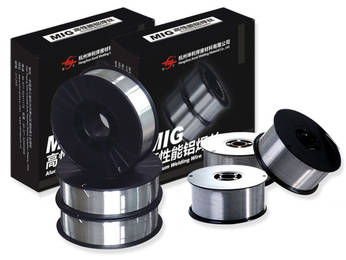
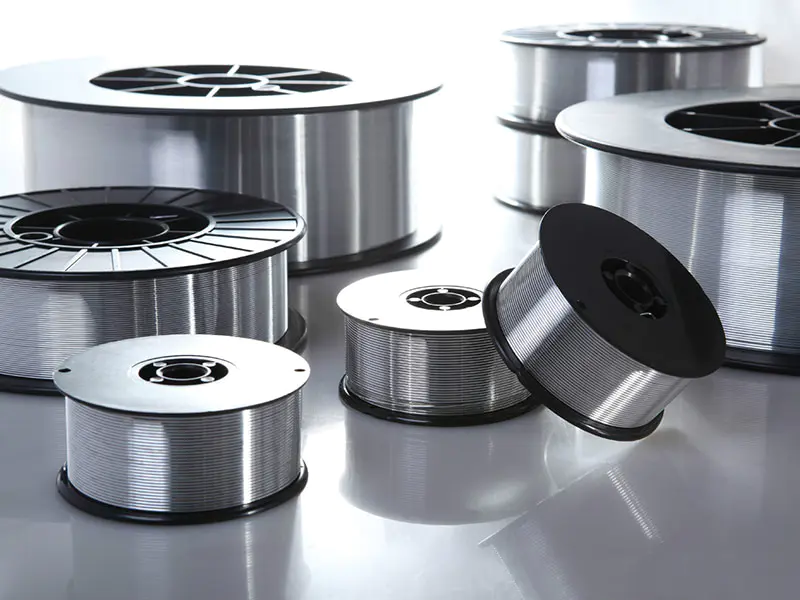
This wire type has gained traction particularly for joining 6xxx series aluminum alloys, which show up frequently in automotive body panels and structural components. Its chemistry reduces the tendency toward hot cracking that some other wire types struggle with when welding these specific alloys, while also improving how the molten pool flows during the weld, which contributes to a cleaner, more consistent bead. Fabricators working with thinner gauge automotive panels tend to appreciate how this wire handles heat input without leaving behind the porosity issues that sometimes plague less compatible wire choices.
How Does 5356 Alloy Aluminum Wire Compare for These Applications?
5356 Alloy Aluminum Wire brings higher tensile strength to the table, making it a common choice for chassis components, structural brackets, and other parts where load bearing capacity matters more than achieving a particularly smooth bead appearance. It handles well across a broader range of aluminum alloys generally, though for certain 6xxx series applications prone to hot cracking, it does not always match the crack resistance that a more specifically matched wire chemistry provides.
Where Does 5183 Aluminium Mig Wire Fit Into Automotive Welding?
5183 Aluminium Mig Wire tends to appear in higher strength or specialized automotive applications, offering good performance for parts requiring elevated mechanical properties beyond what standard structural welds demand. Its use in mainstream automotive production remains less common than 4943 or 5356, largely because typical everyday automotive joints do not require the specific strength profile this wire delivers, reserving it more for specialized components or particular alloy combinations.
Comparing These Wire Options Side by Side
| Wire Type | Common Alloy Match | Key Strength | Typical Automotive Use |
|---|---|---|---|
| 4943 Aluminum Welding Wire | 6xxx series alloys | Reduced hot cracking, smoother weld flow | Body panels, thin gauge structural parts |
| 5356 Alloy Aluminum Wire | Broad range including 5xxx and 6xxx | Higher tensile strength | Chassis components, structural brackets |
| 5183 Aluminium Mig Wire | Higher strength alloy combinations | Elevated mechanical performance | Specialized or high load components |
Looking at this comparison, the right choice usually comes down to matching wire chemistry to the specific alloy and mechanical demand of the joint being welded, rather than defaulting to whichever wire happens to already be loaded on the welding machine.
What Welding Problems Tend to Show Up With Automotive Aluminum?
Cracking and porosity remain the two complaints that come up repeatedly among fabricators working with automotive aluminum, and both trace back to a combination of heat management and wire selection.
Why Does Crack Resistance Matter So Much for Automotive Welds?
Vehicles experience constant vibration, temperature swings, and mechanical stress throughout their operating life, and a weld joint with poor crack resistance can develop fatigue cracks over time even if it passed initial inspection. Choosing a wire chemistry suited to the base alloy, like matching 4943 Aluminum Welding Wire to appropriate 6xxx series panels, reduces the likelihood of hot cracking during the weld itself and improves how the joint holds up against the repeated stress cycles a vehicle experiences over its service life.
How Can Fabricators Reduce Porosity in Aluminum Welds?
A few practical steps tend to reduce porosity issues regardless of which wire type gets used.
- Clean base material thoroughly before welding, removing oxide layers and contaminants that trap gas within the weld pool.
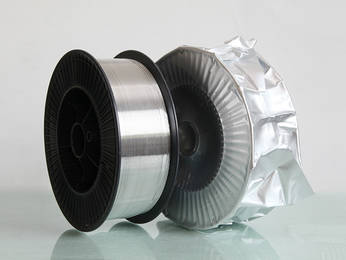
- Store wire properly, avoiding moisture exposure that introduces hydrogen into the weld and contributes to porosity.
- Maintain consistent shielding gas coverage throughout the weld, since interrupted gas flow allows atmospheric contamination into the molten pool.
- Match wire feed speed and travel speed to the material thickness, avoiding excessive heat input that can trap gas as the weld cools.
Following these steps consistently, alongside choosing a wire chemistry suited to the base alloy, addresses the bulk of porosity complaints that show up repeatedly in automotive aluminum fabrication.
Steps for Choosing the Right Wire Before a Production Run
A structured evaluation process helps fabricators and procurement teams avoid costly trial and error on the shop floor.
- Identify the base alloy series for the components being welded, since this determines which wire chemistry offers the closest compatibility.
- Consider the mechanical demand of the joint, distinguishing between cosmetic body panels and load bearing structural components.
- Run test welds on sample material before committing to a full production batch, checking for cracking, porosity, and bead consistency.
- Confirm wire storage and handling practices align with manufacturer recommendations to avoid moisture related weld defects.
Bringing Wire Selection Back to Production Reliability
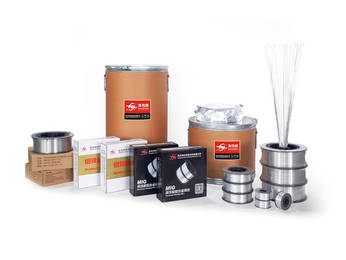
Choosing the right aluminum welding wire for automotive applications rarely comes down to picking whatever is already on hand, since matching wire chemistry to the specific alloy and mechanical demand of each joint directly affects crack resistance, weld appearance, and long term reliability under real world vehicle conditions. 4943 Aluminum Welding Wire continues to serve 6xxx series body panel and structural applications particularly well, while 5356 Alloy Aluminum Wire and 5183 Aluminium Mig Wire fill in for higher strength or specialized joint requirements across a broader automotive product line. Hangzhou Kunli Welding Materials Co., Ltd. works with automotive manufacturers, parts suppliers, and fabrication shops sourcing Aluminum Welding Wire for Sale matched to their specific alloy and production requirements, and sharing your base material specifications, joint strength needs, and production volume is a practical way to start narrowing down which wire chemistry fits your welding line.
NEXT:5356 Alloy Aluminum Wire for Marine and Shipbuilding Welding