English
  Deutsch


ER4043 vs. ER5356: How Do I Choose the Right Aluminum Welding Wire for My Project?
Article Directory
- 1 1. Chemical Composition and Solidification Characteristics
- 2 2. Mechanical Properties and Service Environments
- 3 3. Application-Specific Optimization
- 4 Conclusion: The Professional's Choice
- 4.1 Frequently Asked Questions (FAQ)
- 4.1.1 1. Can I use ER5356 to weld 6061-T6 aluminum?
- 4.1.2 2. Why does my weld look black when using ER5356?
- 4.1.3 3. Which wire is better for thin aluminum sheets?
- 4.1.4 4. How to store aluminum welding wire to prevent porosity?
- 4.1.5 5. Is there a difference in ER5356 welding wire shear strength vs ER4043?
- 4.2 Industry References
- 4.1 Frequently Asked Questions (FAQ)
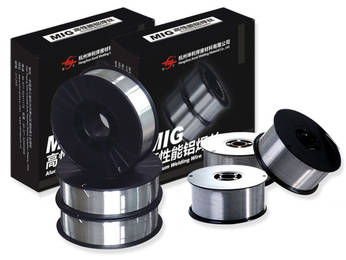
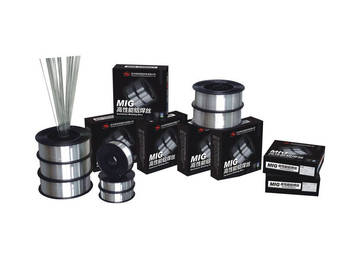
Selecting the appropriate filler metal is the most critical decision in aluminum fabrication, directly impacting the joint's structural integrity, aesthetic finish, and long-term durability. While several alloys exist, the industry is dominated by two primary choices: er4043 welding wire and ER5356. Understanding the metallurgical nuances between these two is essential for professional welders and engineers. Hangzhou Kunli Welding Materials Co., Ltd., located in Xiaoshan District, Hangzhou, brings over 20 years of expertise to this field. As a high-technology enterprise producing 200MT monthly, we specialize in high-performance er4043 welding wire and other aluminum alloys certified by DB, CE, ABS, DNV, and CCS. Our collaboration with institutes like the Beijing Nonferrous Metals Research Institute ensures our products successfully replace imported materials in critical sectors like high-speed rail and marine engineering.
1. Chemical Composition and Solidification Characteristics
The fundamental difference between these two filler metals lies in their alloying elements. ER4043 aluminum welding wire chemical composition is defined by the addition of approximately 5% Silicon (Si), which significantly lowers the melting point and increases fluidity in the weld pool. In contrast, ER5356 is alloyed with 5% Magnesium (Mg), which provides higher strength but results in a "sluggish" weld pool. When comparing ER4043 vs ER5356 fluidity, the silicon in ER4043 reduces the shrinkage rate during solidification, making it the best aluminum welding wire for reducing cracks in 6xxx series base metals. However, the magnesium in ER5356 provides better shear strength, making it the preferred ER5356 filler wire for 5xxx series aluminum applications.
Metallurgical Comparison Table
- Fluidity: ER4043 flows more easily, making it ideal for thin gauge materials and aesthetic "stack-of-dimes" beads.
- Crack Sensitivity: The silicon in ER4043 creates a eutectic mixture that fills cracks during the cooling phase.
| Feature | ER4043 Welding Wire | ER5356 Welding Wire |
| Primary Alloy | 5% Silicon (Si) | 5% Magnesium (Mg) |
| Melting Range | 1065°F - 1170°F (Narrower) | 1060°F - 1175°F (Wider) |
| Weld Pool Behavior | High Fluidity / Wetting | Sluggish / High Surface Tension |
| Post-Anodizing Color | Dark Gray (Poor Match) | Clean / Bright (Excellent Match) |
2. Mechanical Properties and Service Environments
Engineering requirements often dictate the choice based on the operating temperature and stress levels. For projects involving high-temperature service (above 150°F / 65°C), using ER4043 for high temperature applications is mandatory to prevent stress corrosion cracking, a vulnerability of high-magnesium alloys like ER5356. Conversely, if the project requires maximum ductility and toughness, ER5356 welding wire shear strength is superior, especially in structural 5083 or 5456 marine-grade plates. When evaluating ER4043 weld bead appearance, users will notice a smoother, brighter finish with less smut (black soot) compared to ER5356. For those troubleshooting aluminum wire feeding issues, ER5356 is a "stiffer" wire, which often makes it easier to feed through standard MIG torches than the softer ER4043.
Selection Sequence for Engineers
- Identify Base Alloy: If 5xxx series, start with ER5356; if 6xxx series, consider both based on stress.
- Check Service Temperature: If the part operates above 65°C, eliminate ER5356.
- Determine Finishing: If the part will be anodized, ER5356 is required for color matching.
3. Application-Specific Optimization
The difference between ER4043 and ER5356 for MIG welding becomes clear when looking at specific industrial use cases. In the automotive industry, where 6061-T6 is common, high performance aluminum alloy welding wire like ER4043 is utilized for its excellent wetting action. In marine environments, the corrosion resistance of ER5356 in saltwater makes it the indispensable choice for hull construction. At Hangzhou Kunli, we provide bulk ER4043 welding wire for industrial use to major enterprises like China CRRC and Maersk, ensuring that domestic high-performance materials meet the strict safety standards previously only met by imports. Whether you are welding 6061 aluminum with ER4043 or constructing a pressure vessel, choosing the right wire is the first step toward a "zero-defect" production concept.
| Industry Application | Recommended Wire | Primary Reason |
| Marine / Saltwater Hulls | ER5356 | Magnesium-based corrosion resistance |
| Heat Exchangers | ER4043 | Thermal stability and leak tightness |
| Bicycle Frames | ER5356 | High fatigue strength and anodizing ability |
| General Repair (6xxx) | ER4043 | Ease of use and reduced crack sensitivity |
Conclusion: The Professional's Choice
The choice between er4043 welding wire and ER5356 is not about which wire is "better," but which is chemically and mechanically compatible with your specific goal. By understanding how to choose the right aluminum welding wire, you ensure the safety and longevity of your fabrication. Hangzhou Kunli Welding Materials Co., Ltd. remains dedicated to providing the global market with world-class aluminum wire, bridging the gap between innovative research and industrial-scale manufacturing.
Frequently Asked Questions (FAQ)
1. Can I use ER5356 to weld 6061-T6 aluminum?
Yes, you can. While welding 6061 aluminum with ER4043 is more common for crack prevention, ER5356 is used when higher strength or better color match after anodizing is required.
2. Why does my weld look black when using ER5356?
The "smut" or black soot is magnesium oxide. ER5356 has high magnesium content which vaporizes in the arc. Proper gas flow and torch angle can help reduce this, whereas er4043 welding wire produces much less soot.
3. Which wire is better for thin aluminum sheets?
ER4043 welding wire is generally better for thin sections because its lower melting point and higher fluidity allow for faster travel speeds and less risk of burn-through.
4. How to store aluminum welding wire to prevent porosity?
Aluminum wire should be stored in a dry, temperature-controlled environment. Large temperature swings cause condensation, leading to hydrated oxides on the wire surface, which is the leading cause of porosity in aluminum welds.
5. Is there a difference in ER5356 welding wire shear strength vs ER4043?
Yes, ER5356 has significantly higher shear strength. In fillet welds where the load is transverse to the weld, ER5356 will typically provide a stronger joint than er4043 welding wire.
Industry References
- AWS A5.10: Specification for Bare Aluminum and Aluminum-Alloy Welding Electrodes and Rods.
- ISO 18273: Welding consumables — Wire electrodes, wires and rods for welding of aluminum and aluminum alloys.
- Aluminum Design Manual: Specifications for Aluminum Structures.
- Kunli Technical Bulletin: "Advancements in High-Performance Aluminum Fillers for Marine Use" (2025).
NEXT:ER5183 Welding Wire Compliance with AWS A5.10 for High-Magnesium Aluminum Fabrication