English
  Deutsch


ER5183 Welding Wire Compliance with AWS A5.10 for High-Magnesium Aluminum Fabrication
Article Directory
In the construction of marine vessels and cryogenic pressure vessels, the mechanical reliability of welded joints depends on the chemical precision of the filler metal. ER5183 welding wire is specifically engineered to meet the AWS A5.10 standards for aluminum welding, providing a high-magnesium (4.3% to 5.2% Mg) filler metal that matches the strength of 5083 and 5456 base alloys. This technical evaluation examines how ER5183 exceeds ER5356 tensile strength in structural applications and outlines the AWS A5.10 chemical composition limits for ER5183 required to prevent hot cracking and intergranular corrosion in offshore environments.
Chemical Specification and Grain Refinement Mechanisms
The mechanical properties of ER5183 aluminum wire are derived from its precise alloying elements, particularly the addition of Manganese (Mn) and Chromium (Cr). According to AWS A5.10, the magnesium content in ER5183 filler metal must be strictly controlled to ensure optimal work hardening characteristics. Furthermore, why ER5183 is preferred for marine grade aluminum involves its ability to maintain a tensile strength of approximately 275 MPa in the as-welded condition. The inclusion of grain refiners such as Titanium (Ti) ensures a fine equiaxed grain structure, which is critical for preventing weld cracks in 5xxx series aluminum during high-speed automated MIG welding processes.
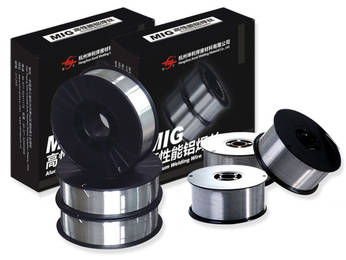
Hangzhou Kunli welding materials Co., Ltd. is a high-technology enterprise specializing in the research, development, and manufacturing of high-performance aluminum alloy welding wire. Located in Puyang Town, Hangzhou, we leverage over 20 years of production experience and international advanced manufacturing equipment. Our ER5183 welding wire has successfully passed authoritative certifications including ABS, DNV, CCS, DB, and CE. As a qualified supplier for China CRRC and Maersk, Kunli has successfully replaced imported materials through close cooperation with research institutes like the Beijing Nonferrous Metals Research Institute, achieving a monthly production capacity of 200MT with 50% exported to over 30 countries including the USA, Japan, and Australia.
| Element | AWS A5.10 Standard (%) | Kunli Engineering Target (%) |
| Magnesium (Mg) | 4.3 - 5.2 | 4.8 - 5.0 (Optimized for Strength) |
| Manganese (Mn) | 0.50 - 1.0 | 0.65 - 0.85 |
| Chromium (Cr) | 0.05 - 0.25 | 0.12 - 0.18 |
Mechanical Performance and Cryogenic Stability
For LNG storage tanks and aerospace components, ER5183 performance at cryogenic temperatures is a primary engineering requirement. The low-temperature toughness of ER5183 welding wire allows it to remain ductile at -196 degrees Celsius, preventing brittle fracture in liquid nitrogen environments. When comparing ER5183 vs ER5556 welding wire, the ER5183 variant offers a more balanced yield strength for structural 5083-H116 plates used in high-speed ferries. Additionally, maintaining a clean Ra surface finish on aluminum wire is essential for stable arc transfer and the elimination of internal porosity, which is monitored through rigorous X-ray quality control for aluminum welds at Kunli's testing facility.
- Feedability: Utilizing diamond-drawn aluminum wire technology to ensure a consistent Ra surface finish and minimize shavings in the liner.
- Corrosion Resistance: High magnesium content provides excellent seawater corrosion resistance for 5083 welds.
- Certification Compliance: Meeting ABS and DNV grade requirements for offshore welding to ensure global project approval.
Why is surface cleanliness critical for ER5183 MIG welding?
Aluminum's high affinity for oxygen necessitates a low-hydrogen surface treatment for welding wire. Any residual oils or oxides will result in hydrogen porosity, significantly reducing the fatigue life of aluminum welded joints. Kunli's automated shaving and cleaning process for ER5183 removes the contaminated outer layer of the wire, ensuring it meets the AWS A5.10 cleanliness standards. This meticulous process ensures that our wire provides a stable arc and high-stability performance in robotic aluminum welding systems used by CRRC and other industrial leaders.
Advanced Manufacturing and Quality Management Systems
The production of high-performance aluminum alloy wire requires stable thermal processing and strict atmospheric control. Kunli's ISO 9001 certified manufacturing process ensures batch-to-batch consistency in wire diameter (typically within plus or minus 0.01mm) and cast/helix parameters. By focusing on independent research and development of welding materials, we have broken the status quo of long-term reliance on imported high-performance alloys. Our stabilized aluminum wire production process enables us to supply representative enterprises in Maersk's global supply chain, offering top-notch quality at a competitive price for international fabricators.
| Mechanical Property | Testing Standard | Typical Value (As-Welded) |
| Tensile Strength (Rm) | ASTM E8 | 275 - 295 MPa |
| Yield Strength (Rp0.2) | ASTM E8 | 130 - 150 MPa |
| Elongation (A5) | ISO 5178 | 17% - 25% |
How to select the correct shielding gas for ER5183?
To optimize ER5183 welding wire performance, 100% high-purity Argon or an Argon/Helium mixture is required. Using Helium-Argon mixes for thick aluminum plates (over 12mm) increases heat input and penetration depth, which is critical for structural integrity in ship hulls. Kunli's senior technical designers recommend a shielding gas flow rate of 15-20 L/min to prevent atmospheric nitrogen from entering the weld pool, thereby preserving the metallurgical purity of the aluminum alloy joint.
Technical FAQ
Can ER5183 be used to weld 6061-T6 aluminum?
While ER5356 is more common for 6061, ER5183 can be used if higher strength or better corrosion resistance is required. However, the heat-affected zone (HAZ) of 6061 will still be the limiting factor for joint strength.
What is the shelf life of ER5183 aluminum wire?
When stored in its original sealed packaging in a climate-controlled environment (20°C, <50% humidity), ER5183 has a shelf life of approximately 2-3 years. Once opened, it should be consumed within 72 hours to prevent oxidation.
Is ER5183 suitable for anodizing?
Yes. Due to its high magnesium content, the weld bead will match the color of 5xxx series base metals quite well after anodizing, showing a minimal color shift compared to 4xxx series fillers.
Why does ER5183 have higher Mn content than ER5356?
Manganese (Mn) is added to ER5183 to increase the "hot strength" and impact toughness, specifically for the 5083 and 5456 alloys used in structural and marine applications.
Does Kunli provide custom spool sizes for robotic welding?
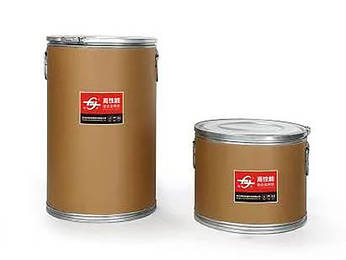
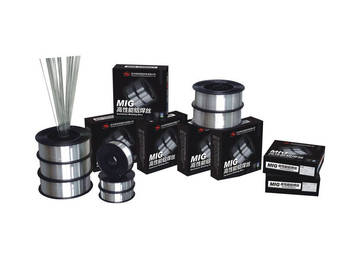
Yes. We provide standard 7kg/spool for manual MIG, but also offer 40kg to 250MT bulk packs for high-volume robotic production lines to minimize downtime.
Technical References
- AWS A5.10/A5.10M: Specification for Bare Aluminum and Aluminum-Alloy Welding Electrodes and Rods.
- ASTM E8: Standard Test Methods for Tension Testing of Metallic Materials.
- ISO 18273: Welding consumables — Wire electrodes, wires and rods for welding of aluminium and aluminium alloys.
NEXT:Why Is Aluminum Welding Wire ER4943 Important for Automotive Use?