English
  Deutsch


Alloy ER4043 vs. ER5356: Which Filler Metal Offers Better Shear Strength for Industrial Frames?
Article Directory
- 1 1. Metallurgical Composition and Mechanical Properties
- 2 2. Industrial Frame Applications: Stress and Load Factors
- 3 3. Quality Control and Technical Compliance
- 4 Conclusion: Strategic Selection for Structural Success
- 4.1 Frequently Asked Questions (FAQ)
- 4.1.1 1. Why is ER4043 vs ER5356 shear strength so different?
- 4.1.2 2. Can I use Alloy ER4043 for a frame that will be anodized?
- 4.1.3 3. What are the benefits of ER5356 for high-stress joints in marine environments?
- 4.1.4 4. When to use ER4043 vs ER5356 for 6061-T6 aluminum?
- 4.1.5 5. Does Kunli offer ER4043 wire for TIG and MIG welding?
- 4.2 Industry References
- 4.1 Frequently Asked Questions (FAQ)
In the specialized field of aluminum fabrication, selecting the correct filler metal is a decision that dictates the structural integrity and longevity of industrial frames. The two most prominent candidates are Alloy ER4043 and ER5356. While both are widely utilized, their metallurgical properties—specifically concerning shear strength and ductility—differ significantly. Hangzhou Kunli Welding Materials Co., Ltd., a high-technology enterprise with over 20 years of experience, specializes in high-performance aluminum alloy welding wire. With certifications from DB, CE, ABS, DNV, and CCS, and a monthly production capacity of 200MT, we provide engineered solutions that successfully replace imported materials for leaders like China CRRC and Maersk. This guide provides an engineering-level analysis of Alloy ER4043 compared to ER5356 in the context of load-bearing industrial frameworks.
1. Metallurgical Composition and Mechanical Properties
The fundamental difference between these two alloys lies in their alloying elements: silicon (Si) for Alloy ER4043 and magnesium (Mg) for ER5356. Alloy ER4043, often referred to as a 5% silicon aluminum filler, is designed for fluidity and reduced crack sensitivity. However, when evaluating ER4043 vs ER5356 shear strength, ER5356 typically takes the lead due to the solid-solution strengthening provided by magnesium. While Alloy ER4043 offers a smoother bead and lower melting point, it possesses lower ultimate tensile and shear strength than the 5xxx series counterparts. For engineers, understanding aluminum welding wire specifications is critical; 5356 is the preferred choice for frames subject to high stress, whereas 4043 is often chosen for its aesthetic finish and resistance to heat-affected zone (HAZ) cracking in 6xxx series base metals. Knowing when to use ER4043 vs ER5356 depends entirely on whether the priority is ease of welding or maximum joint strength.
Mechanical Strength Comparison
- ER5356: Higher shear strength and ductility, making it ideal for dynamic loads.
- Alloy ER4043: Lower shear strength but superior fluid characteristics and resistance to solidification cracking.
| Property | Alloy ER4043 (Al-Si) | ER5356 (Al-Mg) |
| Typical Shear Strength | 70 - 100 MPa | 110 - 140 MPa |
| Ductility (Elongation) | Lower (~8-10%) | Higher (~15-20%) |
| Crack Sensitivity | Very Low | Moderate to High (on 6xxx series) |
2. Industrial Frame Applications: Stress and Load Factors
Industrial frames are frequently subjected to vibrational stress and heavy static loads. The shear strength of aluminum welding wire becomes the limiting factor in corner joints and lap welds. While ER5356 provides the best aluminum filler wire for industrial frames under high-tension environments, it is not suitable for applications operating at temperatures exceeding 65°C (150°F) due to stress corrosion cracking risks. In such cases, Alloy ER4043 remains the more stable option. Furthermore, welding 6061 aluminum with ER4043 is a standard industry practice because the silicon content helps prevent liquation cracking. However, if the frame requires post-weld anodizing, the ER4043 vs ER5356 anodizing color match becomes a factor: 4043 will turn a dark gray, whereas 5356 provides a much closer color match to the base metal. For heavy-duty equipment, the benefits of ER5356 for high-stress joints often outweigh the aesthetic considerations.
Application Selection Sequence
- Identify Base Metal: Determine if the base is 5xxx or 6xxx series aluminum.
- Analyze Load: Assess if the joint will experience high shear or dynamic vibration.
- Thermal Environment: Check if the operating temperature exceeds 65°C.
- Post-Process Requirements: Determine if anodizing or specific aesthetic finishes are required.
| Criteria | Alloy ER4043 Recommendation | ER5356 Recommendation |
| 6061-T6 Base Metal | Recommended (General Purpose) | Recommended (Strength Focused) |
| Vibration Resistance | Moderate | Excellent |
| Post-Weld Anodizing | Poor (Turns Black/Gray) | Excellent Match |
| Service Temp > 65°C | Safe to Use | Not Recommended |
3. Quality Control and Technical Compliance
Achieving consistent shear strength requires not just the right alloy, but the right manufacturing quality. Hangzhou Kunli welding materials are produced using international advanced manufacturing equipment, ensuring high performance aluminum alloy welding wire with stable chemical compositions. For engineers, the ER4043 aluminum wire technical data sheet provides the necessary evidence for CCS or ABS compliance. In high-precision mass production, the "zero defect" concept used at Kunli ensures that Alloy ER4043 maintains a uniform diameter and surface cleanliness, which directly impacts arc stability and the resulting weld strength. Using ER4043 wire for TIG and MIG welding requires different gas shielding strategies, but the underlying requirement for high-purity alloy steel remains the same. By successfully replacing imported products for giants like China CRRC, we have proven that our domestic production meets the most rigorous aluminum welding wire industrial standards.
Conclusion: Strategic Selection for Structural Success
Choosing between Alloy ER4043 and ER5356 is a technical trade-off between crack resistance and shear strength. For industrial frames where maximum shear load is the priority, ER5356 is generally superior. However, for applications requiring high heat resistance, ease of use on 6xxx alloys, or lower crack sensitivity, Alloy ER4043 remains the indispensable choice. Hangzhou Kunli Welding Materials Co., Ltd. provides the technical expertise and certified products to help you navigate these engineering decisions, ensuring your aluminum structures are both safe and efficient.
Frequently Asked Questions (FAQ)
1. Why is ER4043 vs ER5356 shear strength so different?
The difference stems from the alloying elements. Magnesium in 5356 creates a stronger solid-solution matrix than the silicon in 4043, resulting in higher mechanical strength but slightly higher brittleness in certain cooling conditions.
2. Can I use Alloy ER4043 for a frame that will be anodized?
It is not recommended if appearance is important. Silicon in the wire will cause the weld bead to turn dark gray or black after the anodizing process, creating a high-contrast seam.
3. What are the benefits of ER5356 for high-stress joints in marine environments?
ER5356 has excellent corrosion resistance to seawater and higher shear strength, which helps the joints withstand the constant pounding and vibration found in marine industrial frames.
4. When to use ER4043 vs ER5356 for 6061-T6 aluminum?
Use 4043 for general purpose welding where ease of use and crack prevention are paramount. Use 5356 if the assembly requires higher strength or if it will be anodized later.
5. Does Kunli offer ER4043 wire for TIG and MIG welding?
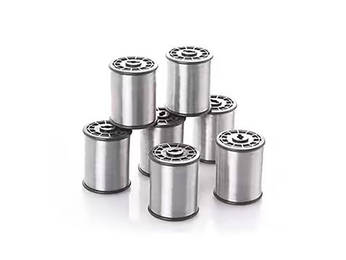
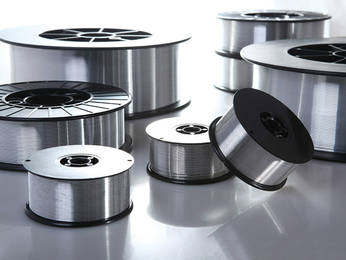
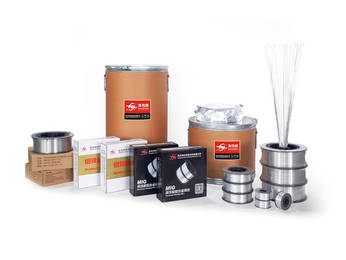
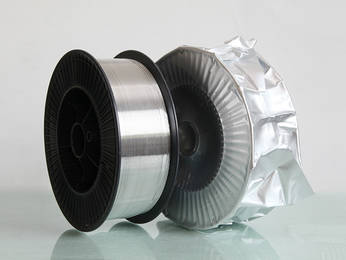
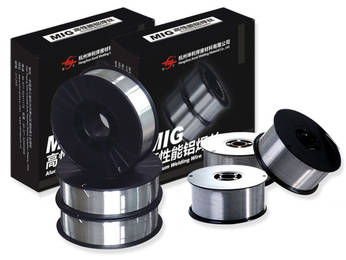
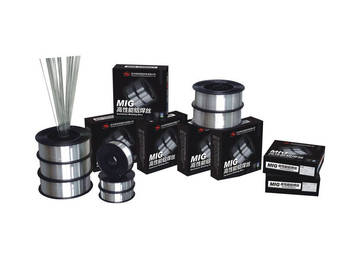
Yes, we provide both MIG (spools) and TIG (cut lengths) formats, both manufactured under strict international certifications like DB, CE, and ABS to ensure high-performance results.
Industry References
- AWS A5.10: Specification for Bare Aluminum and Aluminum-Alloy Welding Electrodes and Rods.
- ISO 18273: Welding consumables — Wire electrodes, wires and rods for welding of aluminum and aluminum alloys.
- DNV-GL Standards for Welding of Aluminum Alloys in Marine and Industrial Applications.
- Kunli Internal Research: "Comparative Strength Analysis of Si-Al and Mg-Al Weld Deposits" (2025).
NEXT:Why Is ER4943 the Right Filler for Aluminum Welds?