Introduction
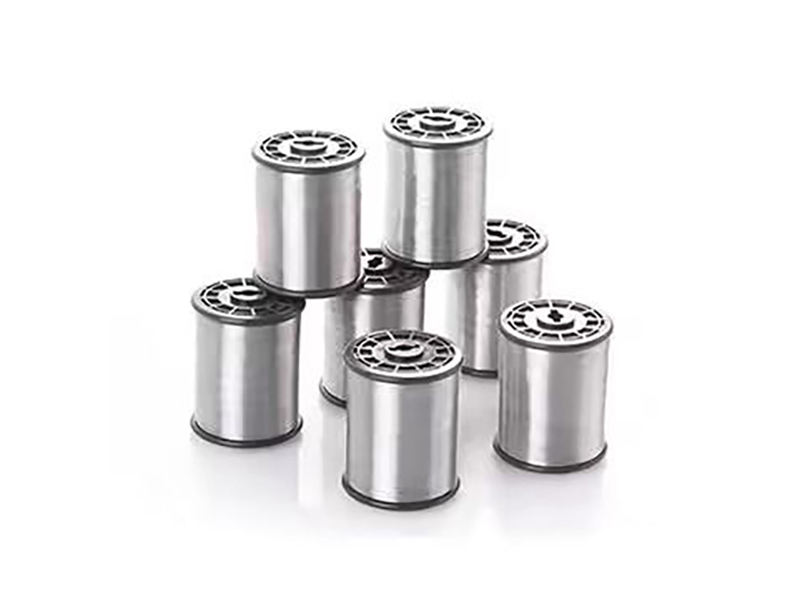
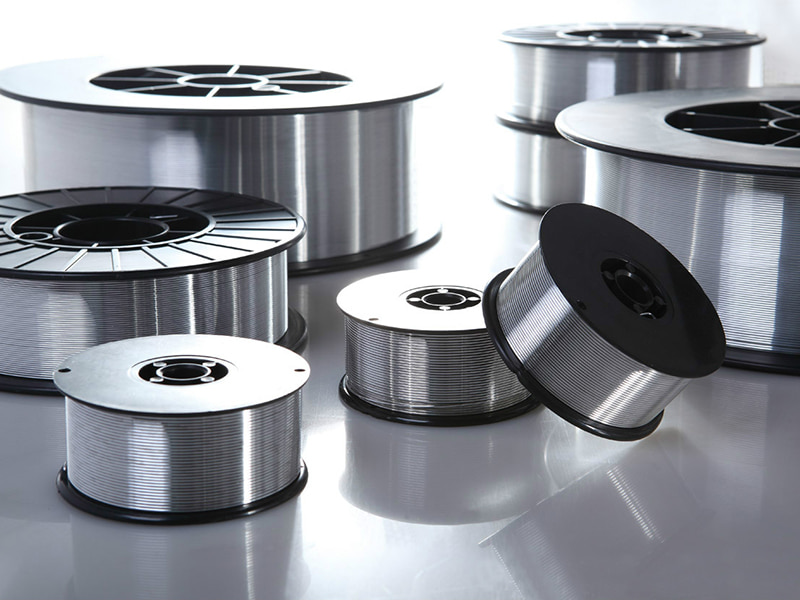
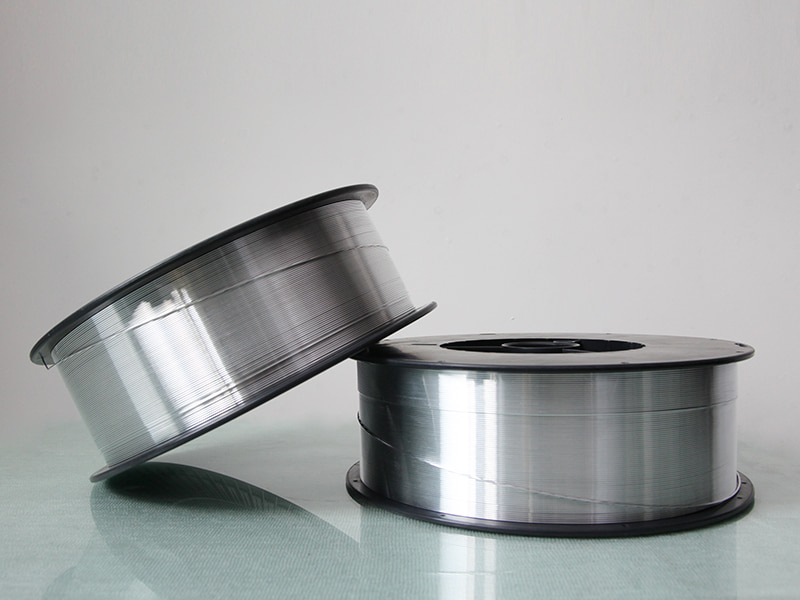
Porosity, or gas voids within the weld metal, severely compromises mechanical strength and fatigue life. It occurs because hydrogen, highly soluble in liquid aluminum, is virtually insoluble when the metal solidifies, forcing the gas out to form bubbles. Our solution goes beyond standard cleaning. We control the filler metal itself, ensuring the surface is pristine, the internal structure is dense, and the packaging is a complete moisture barrier. This proactive approach ensures that the filler metal is not the source of hydrogen, shifting the focus to proper base metal preparation and process control for the user.
Specification
| Key Defect Targeted | Weld Porosity (Hydrogen Entrapment) |
| Processing Feature | Advanced Chemical Etching, Surface De-oxidation |
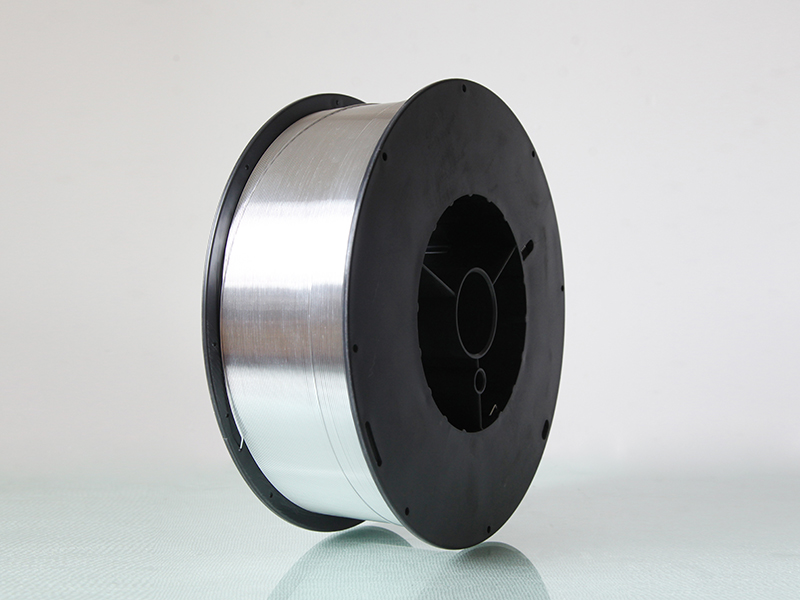
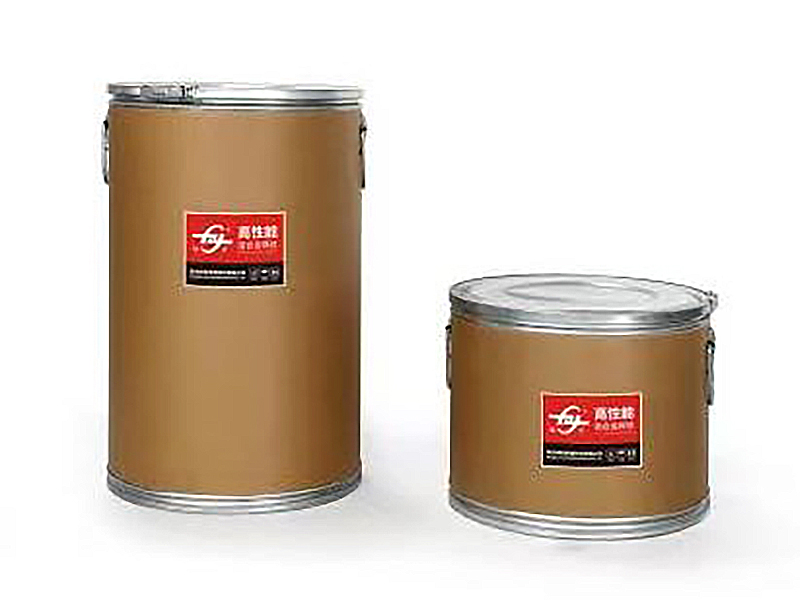
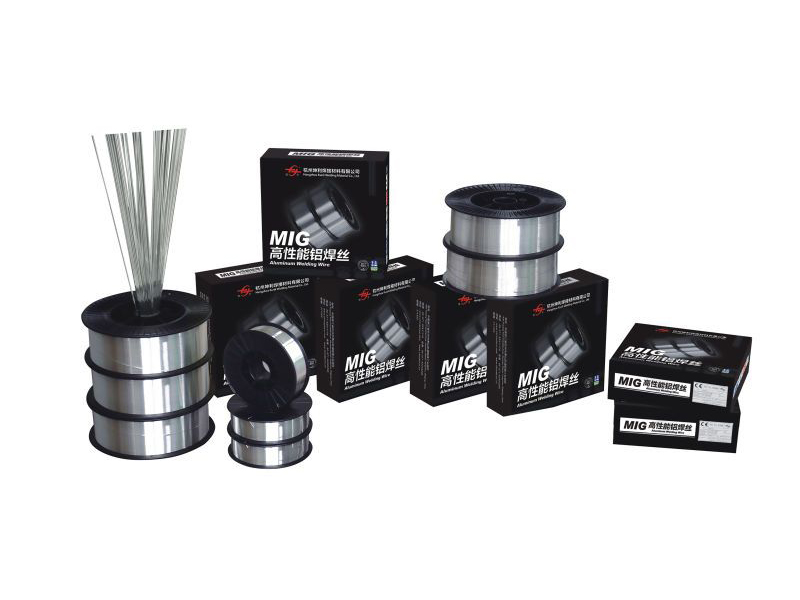
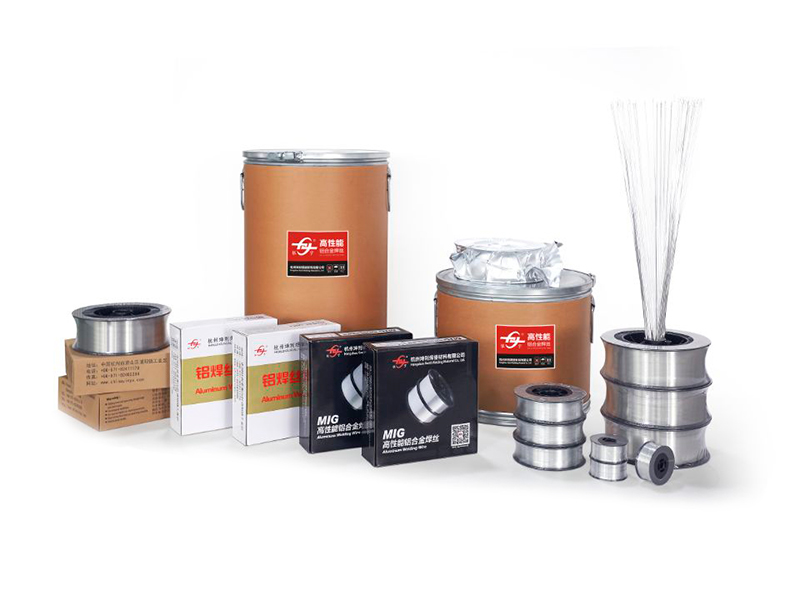
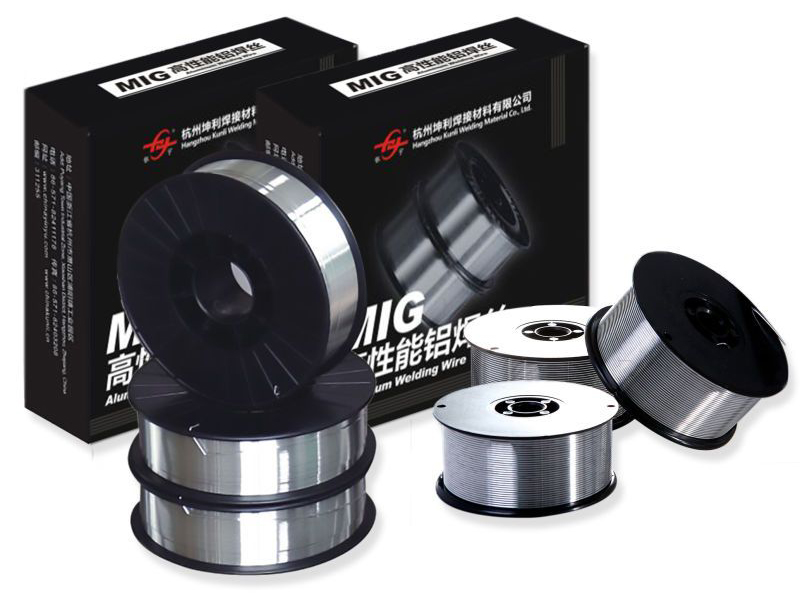
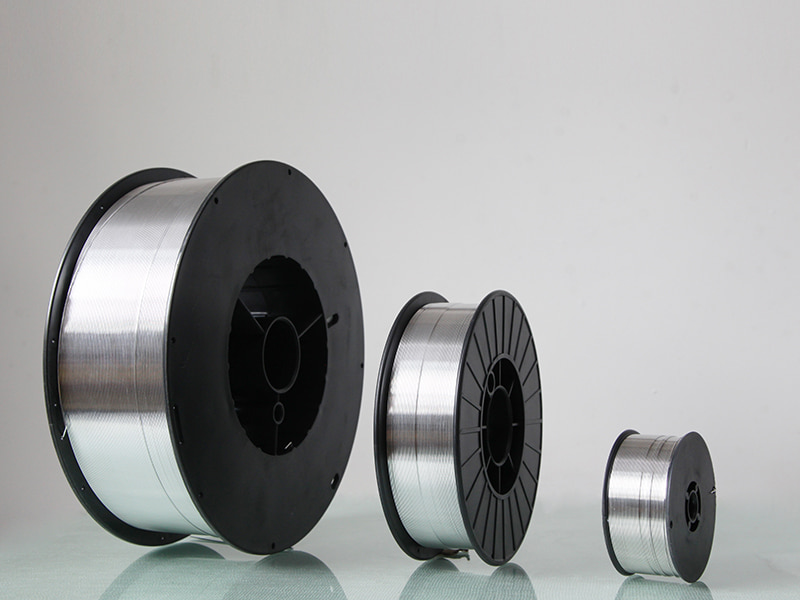
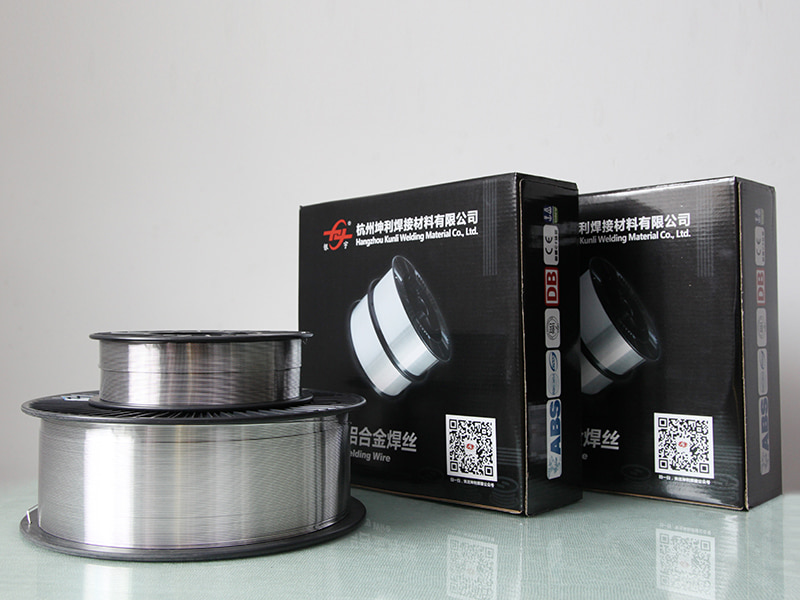
| Packaging | Vacuum-Sealed, Foil-Laminated Packaging with Desiccants |
| Surface Condition | Guaranteed Low Moisture and Oxide Content |
| Testing | Routine radiographic testing of weld coupons to confirm low porosity index |
Applications and Solutions
Pressure Vessel Welding: Fabrication of tanks and vessels where internal porosity is unacceptable due to its impact on pressure integrity and NDT acceptance.
High-Integrity Structural Joints: Welding components where fatigue loading is expected, as porosity acts as a stress riser that initiates fatigue cracks.
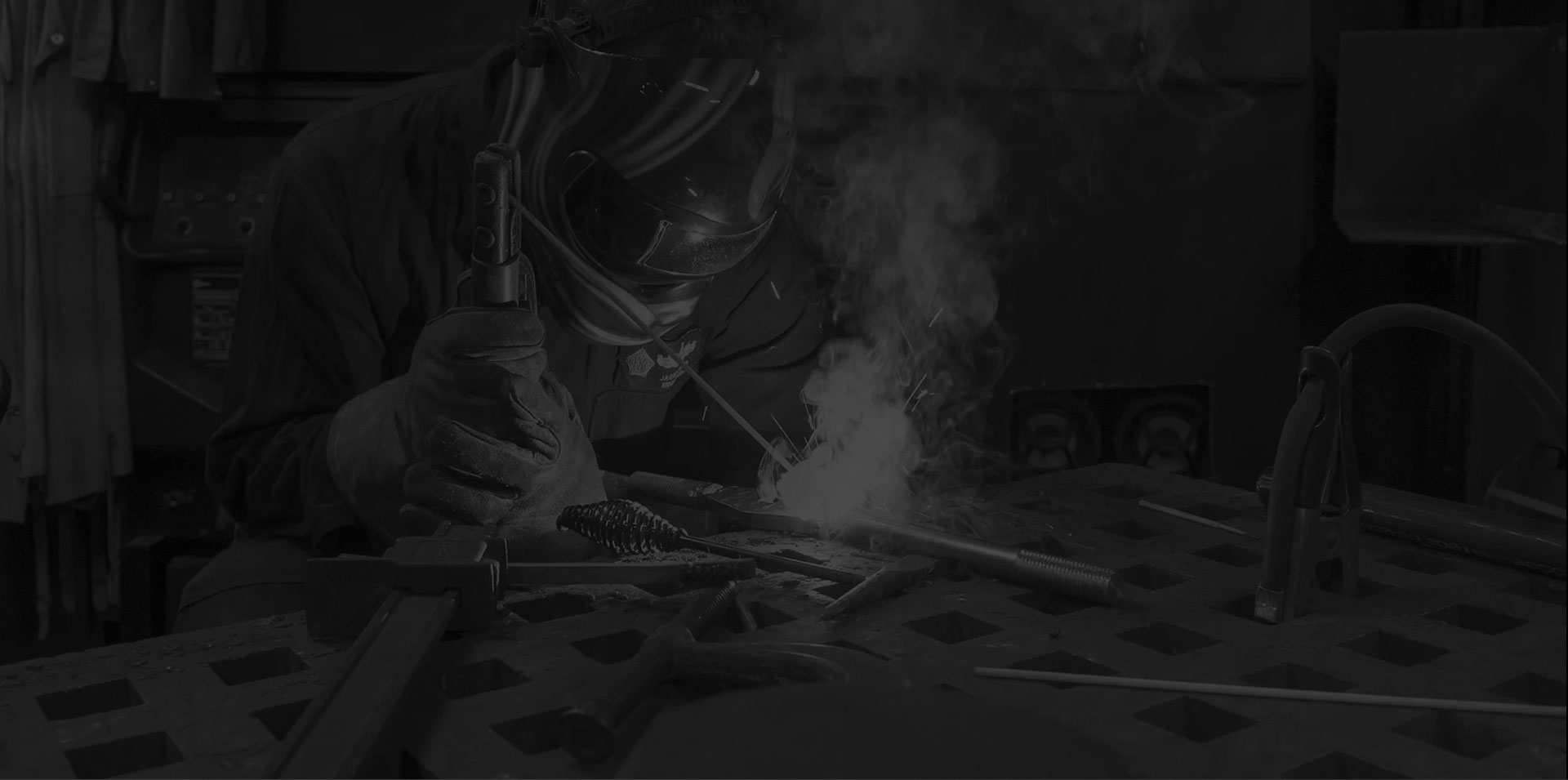
Automated Welding: Used in high-speed, robotic welding cells where manual cleaning of the wire spool is impractical and filler consistency is critical.
Thick Section Welding: Used for multiple-pass welds where large weld volume increases the total potential for hydrogen accumulation and porosity formation.
FAQ
- Q: What is the primary source of hydrogen in aluminum welding?A: Moisture is the primary source. This includes moisture absorbed into the porous oxide layer on the base metal surface, moisture in the shielding gas, or moisture adsorbed onto the surface of the filler wire.
- Q: What can the welder do to reduce porosity?A: Key steps include thorough cleaning of the base metal (degreasing and removing oxide layer just before welding), ensuring dry, high-purity shielding gas (e.g., Argon), and confirming the filler wire is clean and dry.
- Q: How is porosity measured in the final weld?A: Porosity is usually quantified using radiographic testing (RT) (X-ray). Codes specify the maximum allowable size and distribution of pores. The "Porosity Index" is a common industry metric.
English
Deutsch
English
Deutsch