English
  Deutsch


Why Is ER4943 a Versatile Choice for Mixed Alloy Welding?
Article Directory
- 1 What Is Aluminum Welding Wire ER4943?
- 2 Why Mixed Alloy Welding Creates Compatibility Challenges
- 3 How the Chemistry of ER4943 Addresses These Challenges
- 4 Which Alloy Combinations Does ER4943 Handle Well?
- 5 Comparing ER4943 to Adjacent Filler Options
- 6 Practical Considerations for Using ER4943
- 7 Application Sectors Where ER4943 Sees Regular Use
- 8 Questions Worth Asking Before Specifying ER4943
- 9 Making the Filler Selection Decision
Welding engineers working across multiple aluminum alloy types know the frustration well: one filler wire performs reliably on a single base material but starts showing cracks, porosity, or poor fusion the moment the alloy combination changes. Switching wires mid-project adds time, increases the risk of material mix-ups, and complicates procurement. If you are evaluating filler options for a workflow that regularly involves different aluminum grades, understanding what separates a genuinely adaptable wire from a specialized one is worth the time before you commit to a specification.
What Is Aluminum Welding Wire ER4943?
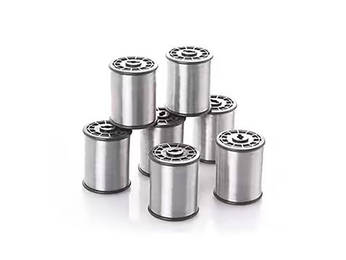
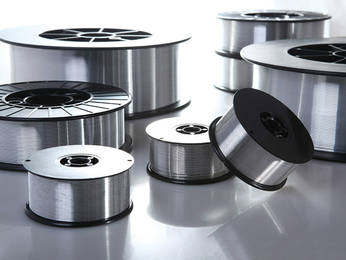
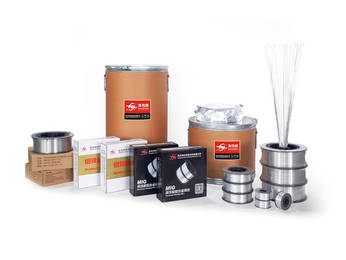
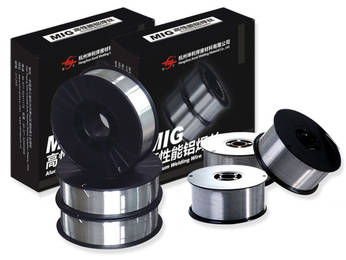
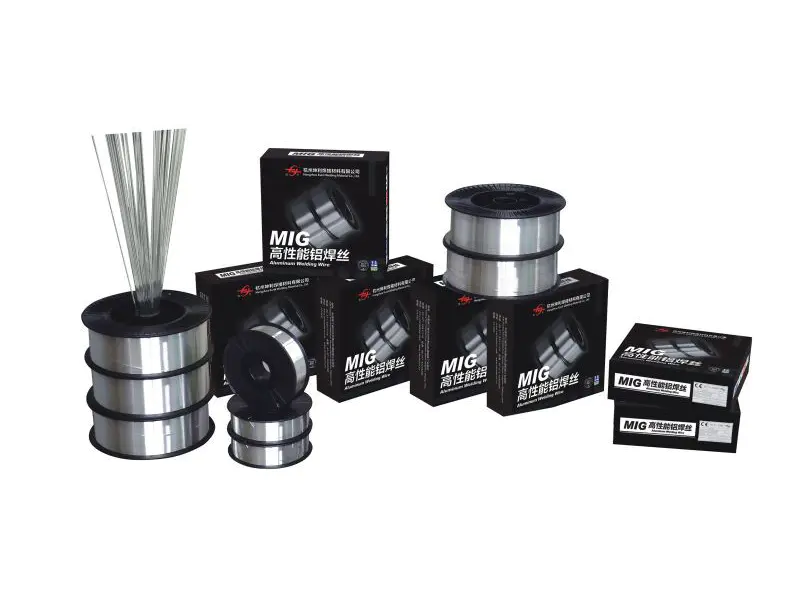
Aluminum Welding Wire ER4943 is a silicon-bearing aluminum filler alloy developed to address compatibility limitations found in earlier generation silicon-based wires. It belongs to the aluminum-silicon filler family and shares that lineage with the more widely known 4043 designation, while introducing meaningful changes to its chemistry.
The distinguishing feature of ER4943 is its refined silicon content combined with a controlled addition of magnesium. This combination was introduced specifically to improve mechanical properties in the weld deposit — an area where standard silicon-only fillers had historically underperformed when used on magnesium-bearing base alloys.
In practical terms, this wire attempts to close the gap between two historically separate filler categories: those optimized for fluidity and crack resistance, and those optimized for strength in structural applications. Whether it achieves that balance for your specific application depends on the alloy combination involved, but the chemistry is purpose-built for mixed-alloy scenarios.
Why Mixed Alloy Welding Creates Compatibility Challenges
The Core Problem With Joining Dissimilar Aluminum Grades
Not all aluminum alloys respond the same way to heat or to a given filler composition. When two different base materials meet at a weld joint, the filler must be compatible with both — chemically, thermally, and mechanically. A mismatch in any of these areas can produce:
- Hot cracking during solidification
- Porosity from magnesium-silicon interactions
- Reduced ductility in the finished weld zone
- Inconsistent bead appearance and fusion quality
Why Filler Selection Becomes More Complex in Mixed Scenarios
In single-alloy welding, the filler choice is relatively straightforward. In mixed-alloy fabrication — common in automotive, marine, and industrial equipment sectors — the filler has to perform acceptably across a wider range of dilution ratios and heat-affected zone compositions.
The risk is not just cosmetic. Welds that appear sound visually may carry internal stress concentrations or microstructural weaknesses that only become apparent under load or fatigue cycling. Choosing a filler with broader compatibility reduces that risk without requiring a different wire for every joint configuration.
How the Chemistry of ER4943 Addresses These Challenges
Silicon Content and Its Role in Weld Pool Behavior
Silicon reduces the melting point of the weld pool and improves fluidity. In practical welding terms, this means the pool flows more evenly into the joint, reducing the tendency for incomplete fusion at the toes of the weld. It also lowers the solidification range of the weld metal, which is directly related to hot crack susceptibility.
The silicon level in ER4943 is positioned to deliver these benefits while staying within a range that does not excessively dilute the mechanical properties of the deposit. This is a deliberate calibration — too little silicon and the crack resistance advantage is lost; too much and the weld becomes brittle.
The Role of Magnesium in the Deposit
The magnesium addition is what separates ER4943 from its predecessor in meaningful terms. Magnesium contributes to solid solution strengthening in the weld metal, which translates to a deposit with measurably higher tensile and yield characteristics compared to silicon-only wires under equivalent conditions.
This matters specifically when welding onto magnesium-bearing base alloys such as those in the 5xxx series. Without some magnesium in the filler, dilution from the base material can result in an unbalanced weld zone chemistry. The controlled magnesium content helps maintain a more stable deposit composition across a range of dilution levels.
Interaction Between Silicon and Magnesium
One historical concern with combining silicon and magnesium in aluminum welding is the formation of compounds at grain boundaries that can reduce ductility. The chemistry of ER4943 is formulated to keep this interaction within acceptable limits under normal welding parameters.
This does not mean the wire is immune to all microstructural concerns — no filler wire is — but it does mean the balance has been considered in the design, and that the wire behaves predictably when used within its intended parameter range.
Which Alloy Combinations Does ER4943 Handle Well?
Compatibility With 6xxx Series Base Materials
The 6xxx series alloys, which contain silicon and magnesium as primary alloying elements, are among the commonly welded aluminum grades in structural and architectural fabrication. They are also among the more crack-sensitive when welded with fillers that do not match their solidification behavior.
Aluminum Welding Wire ER4943 is considered a reliable choice for 6xxx-to-6xxx joints as well as for 6xxx-to-3xxx and 6xxx-to-1xxx combinations. The silicon in the wire helps manage the solidification characteristics of the diluted weld zone, while the magnesium contribution supports deposit strength.
Performance on 3xxx and 1xxx Alloys
The 3xxx series alloys, commonly used in heat exchangers and automotive panels, and the 1xxx series pure aluminum grades used in electrical and chemical applications, are generally less demanding in terms of crack sensitivity. ER4943 performs consistently on these materials, and its improved fluidity relative to some other filler options can be an advantage in thin-section or close-tolerance work.
Where 5xxx Alloy Involvement Changes the Calculation
Welding onto 5xxx series alloys — which carry higher magnesium levels — requires careful filler selection. ER4943 can be used in some 5xxx-involved mixed joints, particularly where the 5xxx component has lower magnesium content. However, for joints involving higher-magnesium 5xxx grades where strength in the weld zone is a primary requirement, a 5xxx series filler may still be the more appropriate choice. The decision should be made based on the specific alloy designations and the mechanical requirements of the finished joint.
Comparing ER4943 to Adjacent Filler Options
How It Differs From 4043 in Practice
The 4043 designation has been a standard choice for silicon-based aluminum filler for a long time. It offers good crack resistance and fluidity but produces a weld deposit with lower strength, particularly when used on alloys that respond to age-hardening or solid solution strengthening.
ER4943 was developed as a response to this limitation. By adding magnesium to the silicon base, deposit strength improves without sacrificing the crack resistance and flow characteristics that made 4043 a reliable default. For applications where post-weld strength matters — structural brackets, load-bearing frames, or joints subject to cyclic stress — this difference is worth factoring into the filler selection decision.
How It Differs From 5356 in Practice
The 5356 wire, which belongs to the aluminum-magnesium family, offers higher deposit strength and is widely used in structural and marine fabrication. However, it carries a higher hot crack risk on certain base materials, particularly the 6xxx series, and its higher magnesium content can create challenges in elevated temperature service conditions.
ER4943 occupies a different position in the selection matrix. It is not a direct replacement for 5356 in high-strength structural applications, but it offers a more predictable behavior profile in mixed-alloy joints where the base material combination includes both crack-sensitive and strength-sensitive elements.
A Simplified Comparison Reference
| Filler | Silicon Level | Magnesium Level | Crack Resistance | Deposit Strength | Typical Use Case |
|---|---|---|---|---|---|
| 4043 | Higher | None | Good | Lower | General repair, 6xxx to 6xxx |
| ER4943 | Moderate–high | Controlled | Good | Moderate | Mixed alloy, 6xxx involved joints |
| 5356 | Low | Higher | Moderate | Higher | Structural, marine, 5xxx alloys |
This comparison is simplified and intended as a general orientation. Specific application requirements should always be confirmed against current filler selection guidelines and, where necessary, qualified through weld procedure testing.
Practical Considerations for Using ER4943
Shielding Gas Compatibility
ER4943 is compatible with argon shielding gas, which is the standard choice for aluminum MIG and TIG welding. Argon-helium mixtures can be used where higher heat input is needed for thicker sections or where travel speed requirements demand a more fluid pool. The wire does not require any specialized shielding approach beyond what would be used for comparable silicon-bearing fillers.
Process Suitability
The wire is suitable for both MIG and TIG processes. In MIG applications, its flow characteristics support consistent bead profiles across a range of travel speeds and positions. In TIG applications, the controlled chemistry contributes to a stable arc and predictable pool behavior, which is particularly useful in precision work or in joints with tight fit-up tolerances.
Storage and Handling
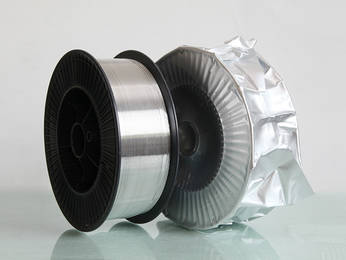
Aluminum filler wire is moisture-sensitive, and ER4943 is no exception. Wire should be stored in a dry environment, away from temperature cycling that can cause condensation on the spool. Opened spools not in use should be sealed or kept in a controlled storage cabinet. Contamination from moisture or surface oxidation is one of the more common sources of porosity in aluminum welds, and proper storage practice eliminates a preventable variable from the process.
Pre-Weld Preparation
Regardless of filler selection, aluminum base material should be cleaned of oxide layer and surface contamination immediately before welding. Stainless steel brushes dedicated to aluminum use, combined with appropriate solvent cleaning, are standard practice. The oxide layer on aluminum melts at a significantly higher temperature than the base metal, and even a thin residual layer can disrupt fusion and introduce porosity into the weld zone.
Application Sectors Where ER4943 Sees Regular Use
Automotive and Transportation Components
Mixed-alloy construction is common in automotive body structures, where different aluminum grades are selected for specific performance requirements — formability in body panels, strength in structural members, corrosion resistance in exposed sections. ER4943 is used in assembly and repair operations where these different grades meet at a weld joint and a single, consistent filler specification is preferred over managing multiple wire types.
Industrial Equipment Fabrication
Frames, enclosures, and structural members fabricated from standard aluminum extrusions often involve 6xxx series alloys in multiple tempers and sometimes in combination with 3xxx or 1xxx components. This wire provides a consistent filler option across these combinations, reducing the complexity of filler management in a production environment.
Heat Exchangers and Fluid Handling
Applications involving 3xxx series alloys in heat exchanger construction benefit from the flow characteristics of silicon-bearing fillers. Where these components are joined to fittings or structural elements made from 6xxx alloys, ER4943 offers a compatible filler option that handles both sides of the joint without requiring a switch.
Maintenance and Repair Work
In field repair or maintenance welding, the base alloy is not always known with certainty. The broader compatibility profile of this wire makes it a practical default choice for situations where the alloy combination is mixed or uncertain, reducing the likelihood of a filler mismatch causing weld quality problems on an unplanned repair job.
Questions Worth Asking Before Specifying ER4943
Before finalizing a filler specification for a mixed-alloy application, it is worth working through the following:
- What are the specific alloy designations of both base materials? ER4943 performs well across many combinations but has limitations with high-magnesium 5xxx alloys in strength-critical joints.
- What are the mechanical requirements for the finished weld? If tensile strength in the weld zone must meet a specific threshold, verify that deposit properties align with that requirement under your welding parameters and any post-weld treatment conditions.
- Will the welded assembly be exposed to elevated service temperatures? Silicon-bearing fillers are generally not recommended for sustained elevated temperature service. If the application involves temperatures above typical ambient operating ranges, filler selection should account for this.
- Is post-weld anodizing planned? Weld deposits containing silicon tend not to achieve a matching color when anodized alongside many aluminum base alloys. If appearance after anodizing is a requirement, this is a relevant factor in filler selection.
- Has the procedure been qualified for this combination? Where code compliance or quality certification is required, filler selection should be confirmed through a qualified weld procedure rather than assumed based on general compatibility guidance alone.
Making the Filler Selection Decision
ER4943 offers a considered balance of crack resistance, deposit strength, and cross-alloy compatibility that makes it a practical option for fabricators and engineers dealing with mixed aluminum grades on a regular basis. It is not a universal solution — no single filler wire is — but its chemistry was specifically designed to address the limitations that arise when silicon-only fillers meet magnesium-bearing base materials.
The decision to specify Aluminum Welding Wire ER4943 should be based on a clear understanding of the alloy combination involved, the mechanical and service requirements of the joint, and the process conditions under which it will be applied. When those factors align with its design intent, it performs as a reliable and consistent filler across a range of mixed-alloy applications. If you are evaluating this wire for a specific application or looking to establish a qualified filler specification for a mixed-alloy production process, Hangzhou Kunli Welding Materials Co., Ltd. can provide material documentation, technical consultation, and sample quantities to support your evaluation. Reaching out with your alloy combination and application details is a practical starting point for confirming whether this wire is the right fit for your welding requirements.
NEXT:Why Is ER4943 Composition Designed to Improve Weldability?