English
  Deutsch


Why ER5183 Helps Reduce Saltwater Corrosion Risks
Article Directory
- 1 What Makes Saltwater Environments Particularly Damaging to Aluminum Welds
- 2 Why Is ER5183 Specified for Marine Aluminum Welding?
- 3 ER5183 Compared to Alternative Filler Alloys in Marine Applications
- 4 Where Is ER5183 Used in Marine and Offshore Fabrication?
- 5 Consequences of Using the Wrong Filler in Marine Service
- 6 How Do Welding Process Variables Affect ER5183 Corrosion Performance?
- 7 Key Confirmation Points Before Procuring ER5183 Wire at Volume
- 8 Why Does Supplier Experience Matter When Sourcing ER5183 Wire?
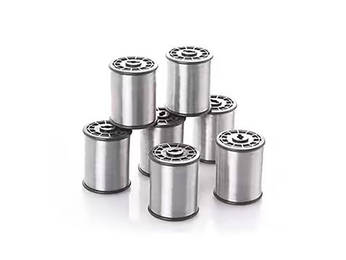
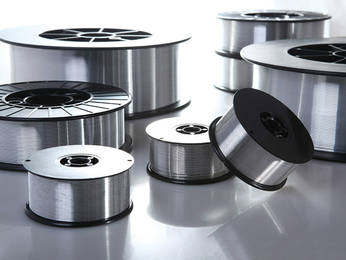
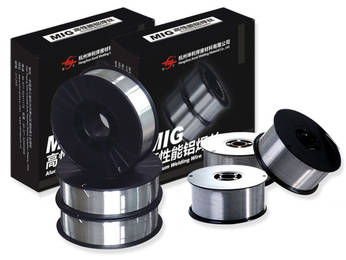
Weld zones are frequently where corrosion starts in marine aluminum structures. The base metal may perform well under prolonged saltwater exposure, but if the filler material introduces a different electrochemical profile at the joint, the weld becomes the weak point — and the failure often develops below the surface before any visual warning appears. Selecting a 5183 Aluminium Mig Wire that closely matches the composition and corrosion behavior of the parent material is not a secondary consideration in marine fabrication; it is central to whether the structure holds up over its intended service life in saltwater environments.
What Makes Saltwater Environments Particularly Damaging to Aluminum Welds
Electrochemical Corrosion at the Weld Zone
Aluminum alloys resist corrosion through a self-forming oxide layer on the surface. That layer is stable in clean air and neutral water, but saltwater introduces chloride ions that can penetrate and break down the oxide in localized areas — initiating pitting corrosion that progresses beneath the surface while the surrounding metal appears intact.
At a weld joint, the situation is more complicated. The filler metal, the heat-affected zone, and the parent metal all have slightly different compositions and microstructures after welding. If the electrochemical potential difference between these zones is significant, the weld zone becomes preferentially attacked when the joint is immersed or exposed to salt spray.
Why the Heat-Affected Zone Is Vulnerable
Welding changes the microstructure of the metal in the area immediately adjacent to the weld bead — the heat-affected zone. In some aluminum alloy systems, this change reduces corrosion resistance relative to the parent metal. Selecting a filler that minimizes the electrochemical contrast between the weld and the surrounding material reduces this vulnerability.
For structures exposed to continuous saltwater immersion — hull plates, offshore platform components, cooling water systems — this consideration is particularly significant because the exposure is constant rather than intermittent.
Why Is ER5183 Specified for Marine Aluminum Welding?
The Role of Magnesium and Manganese Content
ER5183 is an aluminum-magnesium-manganese filler alloy. The combination of these alloying elements produces a filler with corrosion resistance characteristics that align well with the marine-grade aluminum alloys it is designed to join — primarily the 5xxx series alloys, including 5083 and 5086, which are the standard structural materials in marine fabrication.
The elevated magnesium content in ER5183 contributes to:
- Resistance to pitting corrosion in chloride-containing environments
- A corrosion potential that remains close to that of the 5083 and 5086 parent metals
- Stable weld metal that does not preferentially corrode relative to the surrounding structure
The manganese addition supports grain refinement and helps maintain mechanical integrity in the weld zone under the combined loading conditions of marine service.
Weld Metal Composition and Parent Metal Compatibility
A filler wire performs well in marine service when the weld metal it deposits is electrochemically compatible with the material being joined. When the weld metal and parent metal have similar corrosion potentials, there is minimal driving force for galvanic corrosion at the interface — the joint behaves more like a homogeneous piece of metal rather than two dissimilar materials in contact.
ER5183 was developed with this compatibility in mind for the 5xxx series alloys that dominate marine structural applications. Choosing a filler from a different alloy system — a silicon-based filler, for example — creates a composition mismatch that introduces galvanic risk, particularly in submerged or splash-zone exposures.
ER5183 Compared to Alternative Filler Alloys in Marine Applications
When engineers evaluate filler wire options for marine aluminum welding, ER5183 is typically compared against ER5356 and ER4043. Each has a distinct profile that determines where it is appropriate.
| Property | ER5183 | ER5356 | ER4043 |
|---|---|---|---|
| Primary alloying elements | Al-Mg-Mn | Al-Mg | Al-Si |
| Saltwater corrosion resistance | High — designed for marine use | Moderate | Lower — not recommended for marine use |
| Compatibility with 5083 / 5086 | Preferred filler | Acceptable in some cases | Not recommended |
| Weld metal strength | High | High | Moderate |
| Crack sensitivity | Low | Low | Lower crack sensitivity — suited to 6xxx |
| Cryogenic performance | Suitable | Suitable | Less suitable |
| Typical application | Marine structures, offshore, LNG | General aluminum welding | 6xxx series, non-marine applications |
ER5183 fits marine applications: it is the filler suited to the 5083 and 5086 alloys used in shipbuilding and offshore fabrication, and it retains corrosion resistance characteristics that ER4043 cannot replicate in saltwater service.
Where Is ER5183 Used in Marine and Offshore Fabrication?
Shipbuilding and Hull Fabrication
Marine-grade aluminum hulls, deck structures, and superstructures require welds that will remain structurally sound and corrosion-resistant throughout the vessel's service life — which in commercial marine service is measured in decades. The choice of 5183 Aluminium Mig Wire in hull fabrication reflects the requirement that the weld zone not become the failure point in a structure continuously exposed to seawater.
Hull plate joints below the waterline face the harshest exposure: continuous immersion in chloride-rich water under varying pressure and temperature conditions. The compatibility of ER5183 weld metal with the surrounding 5083 hull plate minimizes the galvanic driving force that would otherwise concentrate corrosion at these joints.
Offshore Platform Structures
Fixed and floating offshore platforms carry structural loads in environments where salt spray, wave impact, and continuous humidity create severe corrosion conditions even above the waterline. Platform components welded with ER5183 benefit from the filler's ability to maintain corrosion resistance across the weld zone through extended service without requiring intensive protective coating maintenance at every joint.
Platform components that are difficult to access for coating maintenance — internal structural members, enclosed spaces, connection nodes — particularly benefit from inherently corrosion-resistant weld metal rather than relying entirely on coating systems that are difficult to inspect and repair.
LNG Storage and Cryogenic Applications
Liquefied natural gas storage and transport requires aluminum alloys that maintain toughness at cryogenic temperatures without becoming brittle. The 5083 and 5086 alloys used in LNG applications retain their mechanical properties at low temperatures, and ER5183 maintains compatibility with these alloys in cryogenic service.
LNG structures also face potential saltwater exposure in marine transport configurations, making the combination of cryogenic capability and saltwater corrosion resistance particularly relevant for this application category.
Aluminum Cooling Water Systems and Heat Exchangers
Industrial and marine cooling systems that circulate seawater or brackish water through aluminum components require welded joints that resist internal corrosion from the fluid side. ER5183 filler provides the corrosion-resistant weld zone that prevents early failure at joints in these systems, where a weld failure means fluid loss and unplanned maintenance.
Consequences of Using the Wrong Filler in Marine Service
Understanding the consequences of incorrect filler selection reinforces why the specification decision matters.
Accelerated Weld Zone Pitting
When a filler with lower corrosion resistance than the parent metal is used, the weld zone corrodes preferentially. Pitting initiates at the weld surface and progresses inward. In submerged structures, this process can advance significantly before it becomes visible, particularly if the structure carries any protective coating that conceals early-stage corrosion.
Galvanic Corrosion at the Weld Interface
A silicon-rich filler like ER4043 deposited onto 5083 parent metal creates an electrochemical mismatch at the weld interface. In saltwater, this difference drives galvanic corrosion — the less noble material is attacked while the more noble material is protected. Depending on the joint geometry and exposure conditions, this can create deep penetration corrosion at the weld toe or the heat-affected zone within a relatively short service period.
Reduced Service Life and Increased Maintenance
Structures welded with inappropriate filler materials in marine service require earlier inspection, more frequent coating maintenance, and in some cases early rehabilitation welding — all of which represent cost and downtime that correct initial specification would have avoided. For commercial marine operators, the maintenance and downtime costs associated with premature weld corrosion can substantially exceed the initial cost difference between filler options.
How Do Welding Process Variables Affect ER5183 Corrosion Performance?
Selecting the correct filler is necessary but not sufficient. The welding process must also be controlled to preserve the corrosion resistance that the alloy system provides.
Heat Input Management
Excessive heat input during welding affects the microstructure of the heat-affected zone in ways that can reduce corrosion resistance. Controlled heat input — through appropriate travel speed, wire feed rate, and shielding gas composition — keeps the heat-affected zone narrow and preserves the base metal microstructure as close to the weld as possible.
Shielding Gas Selection
For MIG welding of aluminum with ER5183, pure argon shielding is standard. Contamination of the shielding gas or inadequate gas coverage allows atmospheric oxygen and nitrogen to enter the weld pool, affecting bead appearance, porosity, and the integrity of the oxide-free weld surface. In marine applications where long-term corrosion performance is critical, shielding quality is a process variable that should be controlled and verified.
Pre-Weld Cleaning
Surface contamination — oxides, oils, and moisture — on the joint surfaces introduces porosity and can create local composition variations that affect corrosion behavior. Thorough mechanical or chemical cleaning of the joint area before welding ensures the deposited weld metal has the composition and microstructure that ER5183 is capable of producing.
Key Confirmation Points Before Procuring ER5183 Wire at Volume
For fabricators and procurement teams specifying 5183 Aluminium Mig Wire for marine projects, the relevant confirmation points before ordering at volume:
- Compliance with the applicable standard — confirm the wire meets the recognized filler alloy specification for the alloy designation and the application market
- Chemical composition certification — obtain the material test certificate confirming the wire composition is within the specified range for the ER5183 designation
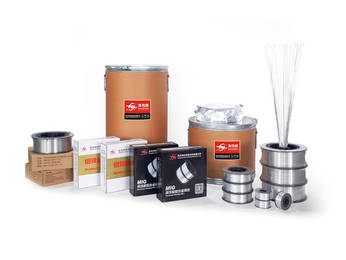
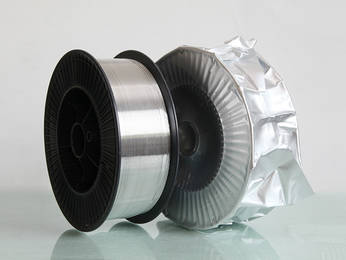
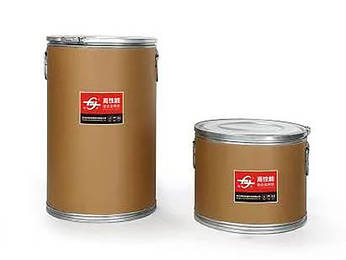
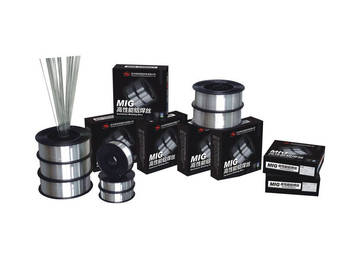
- Spool packaging and storage requirements — aluminum MIG wire is susceptible to surface oxidation and contamination; confirm packaging is appropriate for the storage conditions at the facility
- Diameter availability — confirm the wire diameter range available from the supplier covers the joint geometries in the production mix
- Consistent wire quality — for automated or semi-automated MIG processes, wire diameter consistency and surface quality affect feedability and arc stability; request information on tolerance control in production
Why Does Supplier Experience Matter When Sourcing ER5183 Wire?
The quality of ER5183 wire varies with the manufacturing process — composition consistency, surface cleanliness, and dimensional tolerance all affect welding performance and, ultimately, the corrosion resistance of the deposited weld metal. A supplier with demonstrated experience in marine and offshore welding material supply understands the specifications and performance requirements that these applications demand.
If your current or upcoming projects involve 5083 or 5086 aluminum in saltwater service — whether shipbuilding, offshore fabrication, LNG structures, or marine system components — the filler specification is worth discussing before procurement rather than after. Hangzhou Kunli Welding Materials Co., Ltd. specializes in aluminum welding materials including ER5183 wire for marine, offshore, cryogenic, and structural applications, with product quality controlled to meet recognized international standards, and provides composition certification, application guidance, and supply capability for marine-grade aluminum welding wire, supporting projects that require consistent filler quality across extended production programs.
NEXT:ER5154 Wire: Properties, Applications & Welding Guide