English
  Deutsch


Why Does Spool Winding Matter for 5183 Welding Wire
Article Directory
- 1 What Makes Spool Winding Important for 5183 Welding Wire?
- 2 How Does Winding Tension Affect Wire Arrangement?
- 3 How Does Layer Arrangement Influence Wire Feeding?
- 4 Why Does the Spool Itself Matter?
- 5 How Can Spooling Affect 5183 Welding Wire During Production?
- 6 What Happens When Winding Is Not Consistent?
- 7 How Does Winding Quality Relate to Product Quality?
- 8 How Should Manufacturers Inspect a Finished Spool?
- 9 How Does Packaging Protect Winding Quality?
- 10 What Is Different About 5183 Welding Wire and Other Aluminum Welding Wires?
- 11 How Can Manufacturers Improve Winding Consistency?
- 12 Why Does Wire Feeding Stability Matter to B2B Buyers?
- 13 How Can Manufacturers Balance Production Efficiency With Winding Quality?
- 14 What Should Manufacturers Consider When Developing 5183 Welding Wire Spools?
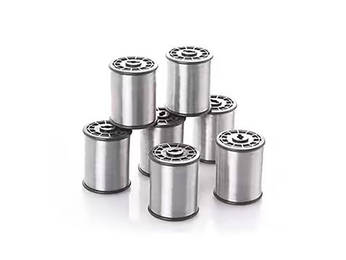
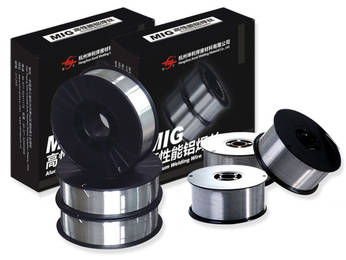
A welding wire may leave a factory as a neatly wound spool sitting on a pallet, ready to ship, but that tidy appearance doesn't tell the whole story of what's happening inside. For 5183 Welding Wire, the way the wire is actually wound affects how it gets stored, transported, released from the spool, and fed into the welding process once it reaches a workshop floor.
This makes spool winding a genuine part of product preparation rather than some simple packaging step tacked on at the end. For manufacturers, the winding process involves several connected considerations, including wire tension, layer arrangement, spool condition, handling practices, and protection during transportation across long distances.
A small change in one part of that process can influence what happens the moment a customer opens the package and starts feeding wire into their equipment. This is exactly why welding wire products deserve consideration according to their intended application, rather than getting grouped together simply because they all contain aluminum.
Products such as 4943 Aluminum Welding Wire and China 4043 Welding Wire may carry different material and application requirements from 5183 wire, while Aluminium Braided Wire belongs to a completely different product category altogether that shouldn't get confused with any of these.
What Makes Spool Winding Important for 5183 Welding Wire?
The spool provides the starting point for the wire feeding process and sets the path for the movement that follows. During welding, the wire needs to leave the spool in an orderly manner and continue through the feeding path without unnecessary interruptions that could slow the operator's work.
If the winding turns uneven somewhere along the spool, the wire may not release the same way from one section to the next. This can create shifts in tension or movement as the wire travels from the package toward the welding equipment sitting a few feet away.
A controlled winding process helps manufacturers maintain a consistent arrangement across the spool, which can be more important than it may appear at a glance.
| Winding Area | Manufacturing Consideration |
| Wire placement | Keep layers arranged consistently |
| Winding tension | Maintain a controlled winding process |
| Spool surface | Provide a suitable winding area |
| Layer formation | Avoid unnecessary crossing |
| Finished package | Protect the winding during handling |
The purpose here isn't simply making the spool look neat sitting on a shelf. The arrangement genuinely needs to stay practical the moment the customer starts pulling wire and putting it to actual use.
How Does Winding Tension Affect Wire Arrangement?
Winding tension determines how firmly the wire sits wrapped around the spool during production. If that tension shifts during the winding process, some sections end up tighter while others remain noticeably looser than they should be.
This creates real differences in how the wire moves once it's pulled from the spool during actual welding work. A loose section may shift more easily during handling, while an overly tight section may not release the same way as the layers sitting right beside it.
Manufacturers therefore need a winding process that genuinely matches the characteristics of the wire and the spool being used for that particular batch.
| Winding Condition | Possible Effect |
| Uneven tension | Different sections may release differently |
| Loose winding | Wire may move within the spool |
| Excessive tension | Unwinding may become less consistent |
| Controlled winding | Supports a stable layer arrangement |
The right approach varies according to the wire product, the spool structure, the winding equipment in use, and the intended application waiting at the other end. Treating every aluminum welding wire the exact same way on the production line can therefore create unnecessary problems that show up later during customer use.
How Does Layer Arrangement Influence Wire Feeding?
Each layer of wire contributes to the overall structure holding the spool together. A well-arranged layer allows the next section of wire to sit in a genuinely predictable position once the previous layer has been pulled away.
When wire crosses over itself or forms irregular sections during winding, the release path becomes noticeably less consistent for whoever's feeding it later. This matters because the feeding process depends entirely on continuous movement from the spool to the welding equipment without sudden stops.
A problem tucked inside the package may stay invisible until the spool is already sitting on a feeder and being pulled through daily use.
| Layer Condition | Feeding Consideration |
| Even layers | More predictable wire release |
| Irregular layers | May change release resistance |
| Crossed sections | Can interrupt unwinding |
| Loose areas | May allow unwanted movement |
For manufacturers, checking the winding pattern during production can help catch problems before the finished spool ever reaches the packaging stage. This also gives production teams a real opportunity to examine whether changes in equipment or winding practice are quietly affecting the finished product over time.
Why Does the Spool Itself Matter?
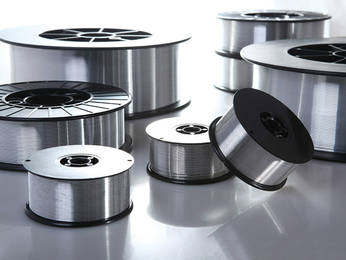
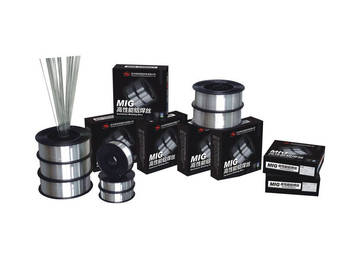
A spool works as more than just a holder wrapped around welding wire. Its central section supports the wound wire directly, while the side structures help keep every layer in position throughout storage and movement across a warehouse or truck bed.
The spool also needs to work smoothly with the customer's intended feeding setup once it arrives at their facility. A package that's difficult to handle or position can create real problems even when the wire itself has been prepared with genuine care.
For this reason, spool design and winding practice really need consideration together rather than treated as separate decisions.
| Spool Feature | Practical Role |
| Winding surface | Supports the wire layers |
| Side structure | Helps contain the wire |
| Central opening | Allows positioning and handling |
| Structural stability | Supports transportation and storage |
| Outer protection | Helps preserve the finished package |
The choice of spool should reflect the specific wire product and the way it's actually going to be supplied to buyers. Manufacturers serving several different customers may also need to manage multiple spool formats running through their production system at once.
How Can Spooling Affect 5183 Welding Wire During Production?
Production doesn't wrap up the moment the wire has been formed and prepared for winding. The wire still needs to be wound, packaged, stored, moved through the warehouse, and eventually supplied to the customer waiting on the other end.
Each of these stages can affect the condition of the finished spool in ways that aren't always obvious right away. A production line may therefore treat winding as part of a broader quality process rather than a disconnected final step.
Operators can watch for whether the wire is being placed evenly, whether the spool stays stable during winding, and whether the finished layers show any visible irregularities worth flagging. This kind of observation helps identify issues before packaging locks everything into place.
For a 5183 Welding Wire manufacturer, the real goal is making sure the finished spool reflects the same care given to the wire during earlier production stages. The package itself shouldn't introduce avoidable handling problems after the wire has already been prepared correctly.
What Happens When Winding Is Not Consistent?
Inconsistent winding creates several practical concerns that ripple outward once the spool leaves the factory. A section of wire may move differently from the surrounding layers, or a crossed area may interrupt the normal release path partway through use.
During continuous use, these changes tend to become more noticeable simply because the wire gets pulled from the spool over and over throughout a shift. The operator may then experience irregular movement that seems related to the feeding system sitting on their machine.
The actual source, though, may sit further back at the spool itself rather than anywhere near the equipment.
| Winding Issue | Possible Result |
| Crossed wire | Difficult unwinding |
| Uneven layers | Irregular release |
| Loose sections | Unstable wire movement |
| Damaged winding | Handling difficulty |
| Poor package protection | Greater risk of winding disturbance |
This doesn't mean every feeding issue traces back to the spool alone. The complete feeding path, the equipment's condition, how it was installed, and the general handling method can all influence wire movement just as much, so a manufacturer really should treat spool winding as one part of the overall system rather than the only possible culprit.
How Does Winding Quality Relate to Product Quality?
Product quality often gets discussed purely in terms of the wire itself, focusing on material condition, surface finish, dimensions, and production consistency. That's a reasonable starting point, but the way the finished wire actually gets presented to the customer affects its practical use just as much.
A spool with irregular winding can create real handling difficulties even when the wire itself meets every intended production requirement on paper. This is exactly why winding quality deserves consideration as part of the finished product, not a separate afterthought.
| Quality Area | Production Focus |
| Wire condition | Consistent preparation |
| Winding | Stable layer arrangement |
| Spool | Suitable structure |
| Packaging | Protection during movement |
| Identification | Clear product information |
This broader view helps manufacturers look past the wire as a standalone material sitting in isolation. The customer receives a complete product package, and every part of that package shapes their actual experience handling the wire once it arrives at their shop.
How Should Manufacturers Inspect a Finished Spool?
Inspection does not require complicated procedures or specialized equipment to identify common problems. A simple visual review can reveal obvious winding issues before the spool is packed for shipment.
Production staff can look for uneven layers, loose areas, crossed wire, damaged spool sections, or signs that the package shifted during handling somewhere along the line. The inspection can also consider whether the spool sits properly prepared for its next stage of transportation ahead.
A simple production checklist tends to help here. Check the winding arrangement, look for visible crossed sections, inspect the spool structure, confirm the wire remains within the intended winding area, examine the finished package, and confirm the product identification is clear and accurate.
These checks fold naturally into normal production without treating winding as some separate activity requiring extra staff. The whole purpose is catching visible problems while the spool still sits within the manufacturer's control, before it ever reaches a truck.
How Does Packaging Protect Winding Quality?
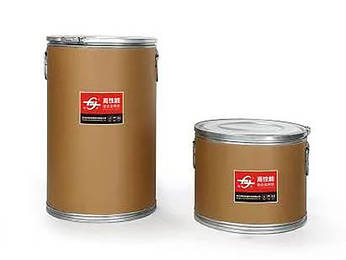
A finished spool may pass inspection cleanly and still face real handling risks once it heads into transportation. Boxes, storage areas, warehouse movement, and loading operations can all expose the package to bumps and shifts along the way.
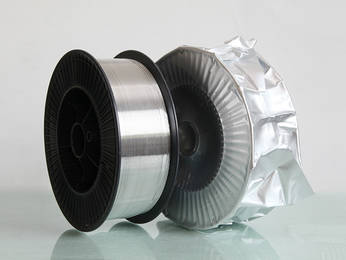
If the outer packaging doesn't provide suitable protection, the wire arrangement may get disturbed before the customer even receives it. Packaging therefore has a direct connection with winding quality, not a separate one.
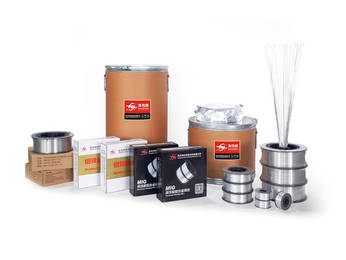
The package needs to keep the spool reasonably stable while also protecting the wire from unnecessary contact with whatever materials sit around it during shipping. Manufacturers may also think through how easily the package can be handled and stored once it arrives at a warehouse.
A package that's simple to identify and move helps reduce unnecessary handling during routine warehouse operations. For B2B customers, this proves especially useful when different wire products end up stored side by side in the same facility.
What Is Different About 5183 Welding Wire and Other Aluminum Welding Wires?
Different aluminum welding wires often carry different material compositions and intended applications, even when they look fairly similar sitting on a shelf. That means the production and packaging process should get developed around the specific product rather than treating all aluminum wire as interchangeable.
4943 Aluminum Welding Wire stands as one example of another aluminum welding wire product that may also be supplied in spool form. China 4043 Welding Wire is similarly associated with aluminum welding applications, but product handling should still follow the specific requirements of that particular wire and its intended use.
The same spool strategy shouldn't automatically transfer to every product without considering its individual production characteristics.
| Product | General Manufacturing Consideration |
| 5183 Welding Wire | Winding and feeding consistency |
| 4943 Aluminum Welding Wire | Product-specific spool preparation |
| China 4043 Welding Wire | Controlled handling and packaging |
| Aluminium Braided Wire | Different product structure and application |
This last example matters because Aluminium Braided Wire shouldn't get confused with aluminum welding wire at all. Braided wire carries a genuinely different structure and generally serves flexible conductive applications rather than anything related to welding.
Using clear product categories helps manufacturers and buyers alike avoid confusion when ordering, packaging, and storing these different aluminum products side by side.
How Can Manufacturers Improve Winding Consistency?
Improving winding consistency starts with genuinely understanding the complete production process from start to finish. The winding equipment needs to operate in a controlled manner, while operators need a clear sense of how the wire should be arranged on whatever spool has been selected for that run.
The process can get reviewed at several points along the way. Before winding, checking the spool's condition and preparing the wire correctly sets the stage properly.
During winding, observing tension and layer formation catches problems while they're still fixable. After winding, inspecting the finished arrangement for visible irregularities gives one more chance to catch issues, and before packaging, confirming the spool remains stable and undamaged closes the loop before shipping.
This approach connects production, inspection, and packaging into one continuous chain rather than treating them as separate, disconnected tasks. Manufacturers can also compare finished spools across different production batches to spot recurring winding issues worth investigating.
When the same problem keeps showing up, production teams can dig into whether it traces back to equipment setup, material handling, spool condition, or simply operator practice on the floor.
Why Does Wire Feeding Stability Matter to B2B Buyers?
For B2B buyers, the real value of welding wire ties closely to how easily it integrates into regular production work without disrupting a shift. A customer may purchase a wire because it matches a particular welding application on paper, but the practical experience also depends heavily on how the product arrives and how consistently it feeds from the spool.
Unnecessary feeding interruptions create extra handling and extra attention for operators who'd rather be welding than troubleshooting. A stable spool arrangement, by contrast, makes the whole transition from storage to actual use a lot more straightforward for everyone on the floor.
This is exactly why buyers may want to look beyond material descriptions alone when evaluating a welding wire supplier. Questions about winding method, spool options, packaging, inspection practices, and general product consistency can offer real insight into how the wire gets prepared before it ever ships.
How Can Manufacturers Balance Production Efficiency With Winding Quality?
Winding is part of a production line, so manufacturers naturally need a process that keeps things moving without constant delays. At the same time, rushing through one stage shouldn't create avoidable problems that show up later in the finished spool.
The practical approach connects winding speed, wire handling, layer formation, inspection, and packaging within one coordinated production system rather than treating each as its own island. If operators find themselves correcting the same winding problem over and over, that repetition may signal the process itself needs a closer look.
A clear production flow can reduce unnecessary rework throughout the process. Checking spool condition before winding, for example, can help prevent a damaged spool from entering production.
Inspecting layer arrangement right after winding also makes it easier to catch problems before packaging locks everything in place. This kind of process thinking helps maintain consistent handling without piling on unnecessary complexity for the team running the line.
What Should Manufacturers Consider When Developing 5183 Welding Wire Spools?
A spool deserves consideration from the very moment the wire reaches the winding stage, not as an afterthought tacked on later. Manufacturers can examine the relationship between wire condition, winding equipment, spool structure, packaging, and customer handling as one connected chain.
The real goal is creating a finished package that stays practical from production straight through delivery and eventual use on a customer's floor. For 5183 Welding Wire specifically, this means paying close attention to how each layer forms, how the spool holds the wire in place, and how the package protects that whole arrangement during movement.
The same production mindset can carry over to other aluminum welding wire products, while still allowing each one to keep its own specific handling requirements intact. Clear separation between welding wire and products such as Aluminium Braided Wire also supports more accurate production planning and clearer product communication with buyers.
Wire Preparation
Keep wire condition and spool preparation aligned before the winding process begins.
Winding Control
Monitor tension, layer formation, and wire placement throughout the winding process.
Spool Protection
Maintain spool stability and protect the finished winding during packaging and transportation.
Production Check
Inspect the finished spool and keep production, quality, packaging, and handling aligned.
When winding gets treated as part of the manufacturing process rather than a simple packaging task, spool preparation becomes closely tied to feeding stability, product handling, inspection, and the overall quality of the finished welding wire package that eventually lands on someone's workbench.