English
  Deutsch


5 Essential Tips for Choosing and Using Aluminum Welding Wire
Article Directory
- 1 Understanding Aluminum Welding Wire Composition and Structure
- 2 Tip 1: Understand Wire Classification and Alloy Selection
- 3 Tip 2: Consider Wire Diameter and Feed Characteristics
- 4 Tip 3: Evaluate Surface Preparation and Storage Requirements
- 5 Tip 4: Match Welding Process and Equipment Configuration
- 6 Tip 5: Implement Proper Welding Technique and Parameter Control
- 7 Joint Design and Fit-Up Considerations
- 8 Common Challenges and Problem-Solving Strategies
- 9 Quality Control and Inspection Methods
- 10 Environmental and Safety Considerations
- 11 Advanced Techniques and Applications
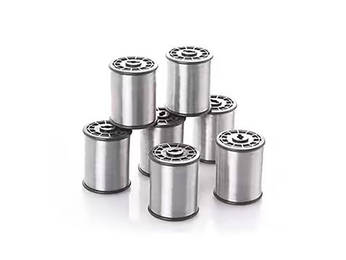
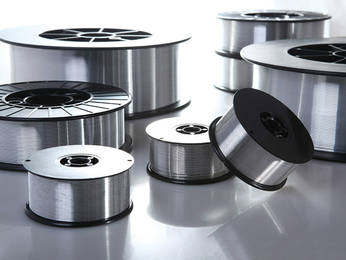
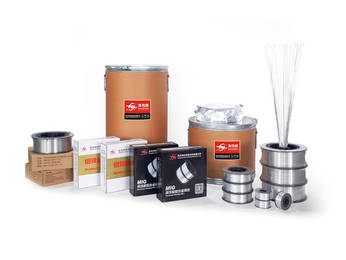
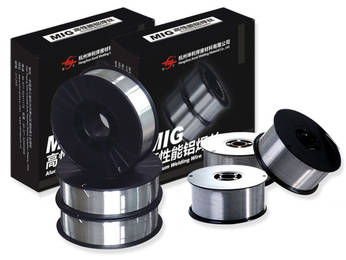
Aluminum welding wire plays a key role in today's welding tasks, from fixing vehicles and boats to building structures in shops and factories. Knowing how to pick the right wire and use it correctly often decides whether a weld holds up under load or cracks when it matters most. Whether repairing a truck frame, sealing a hull, or assembling custom components, understanding the wire's properties and mastering proper handling techniques influences the weld's quality, strength, and process efficiency.
Choosing the proper aluminum welding wire goes far beyond just grabbing a spool with the right thickness. Every job brings its own set of demands, such as:
- Material thickness and composition
- Joint configuration and accessibility
- Working environment conditions
- Intended use and stress requirements of the finished product
- Available welding equipment and capabilities
Getting a solid handle on these details helps welders select wire that produces sound, dependable beads, cuts down on scrapped filler metal, and makes the whole job smoother and more successful.
Understanding Aluminum Welding Wire Composition and Structure
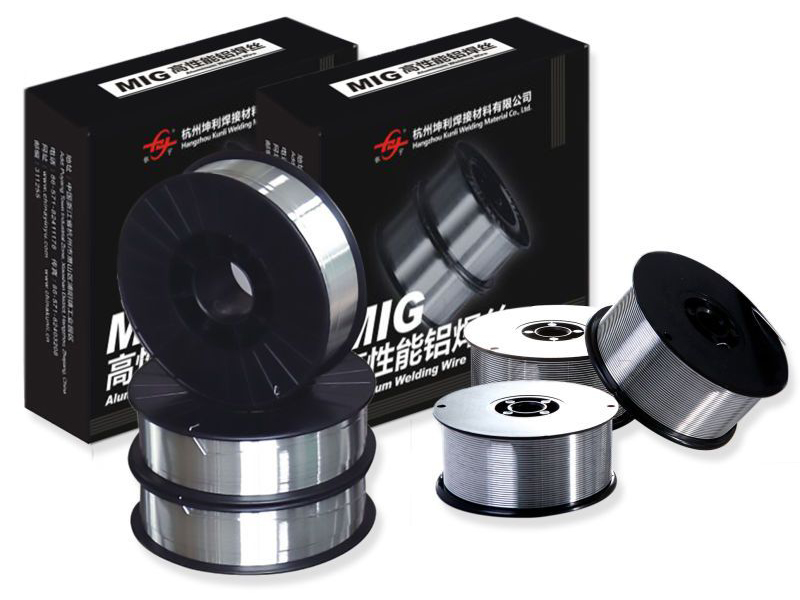
Aluminum welding wire sets itself apart from steel or flux-cored fillers in both its chemical makeup and the way it performs in the arc. These wires come from a variety of aluminum alloy series, each engineered to deliver targeted strength, flow behavior, and weld quality.
Key Compositional Factors
Base Metal Properties
The base metal composition determines several critical characteristics:
- How fluid the puddle becomes and how well it wets the joint edges
- The mechanical strength of the cooled weld deposit
- Chemical compatibility with the workpiece to avoid brittleness or porosity
- Resistance to hot cracking and other common weld defects
Manufacturing Process Impact
The production of aluminum welding wire involves drawing the aluminum through progressively smaller dies until reaching the desired diameter. This process creates several important effects:
- Introduces strain hardening that stiffens the wire
- Shapes how reliably and smoothly the wire feeds through liners and drive rolls
- Alters the filler's own tensile properties
- Determines surface smoothness, which influences arc start and oxide formation
Alloy Family Distinctions Different alloy families serve distinct purposes in welding applications:
- Some give welds higher ultimate strength for structural jobs
- Others excel at resisting solidification cracks as the bead cools
- Certain alloys boost long-term corrosion performance in aggressive settings
- Specific formulations flow more easily, making it simpler to bridge gaps or fill wide grooves
Picking the correct wire alloy means matching it to the base metal being welded and to the real-world demands—load, exposure, temperature—the completed joint will face in service.
Tip 1: Understand Wire Classification and Alloy Selection
Choosing the right aluminum welding wire starts with grasping the alloy classification system and what each series number means. Aluminum alloys are organized into families based on their main alloying addition, and that family designation gives strong clues about how the filler will perform in the puddle and in the completed weld.
The 4xxx series of aluminum alloys, which utilize silicon as the primary alloying element, serves as a common choice for welding wire production. Silicon reduces the melting temperature of the weld metal and makes the molten pool more fluid, resulting in smoother beads, better wetting on joint faces, and easier handling when filling gaps or running overhead. These traits make 4xxx fillers versatile and relatively easy to use across many different base alloys.
Utilizing magnesium as the main alloying element, the 5xxx aluminum series produces welds with greater mechanical strength and good resistance to corrosion, which is beneficial for applications involving exposure to seawater or industrial chemicals. These wires are a common selection for welding matching 5xxx series base materials, or when the application requires mechanical properties that exceed those typically provided by silicon-based filler metals. The downside is that magnesium raises the melting point and alters puddle behavior, often making the wire stiffer to feed and requiring more precise heat input to prevent lack of fusion or excessive burn-through.
| Alloy Series | Primary Alloying Element | Key Characteristics | Common Applications |
|---|---|---|---|
| 4000 Series | Silicon | Good fluidity, lower melting point | General purpose welding, casting repair |
| 5000 Series | Magnesium | Higher strength, corrosion resistant | Marine applications, structural welding |
| 4000/5000 Hybrid | Silicon and Magnesium | Balanced properties | Versatile general welding |
When choosing aluminum welding wire to pair with the base metal, always check how well their chemistries get along to steer clear of troubles like hot cracking or brittle, underperforming weld zones. Some alloy pairings trigger excessive shrinkage stresses or unwanted phases that weaken the bead, so pick a filler that aligns closely with the workpiece composition while also covering for issues like wide gaps, poor edge prep, or uneven heat distribution during the pass.
The melting range of the wire alloy heavily influences handling and results, making it a core part of the selection process. Lower-melting fillers—typically silicon-bearing ones—create a more fluid puddle that wets easily and tolerates slight variations in torch angle or travel speed, which suits newer welders or thinner materials, though the deposited metal usually ends up with moderate strength. Higher-melting magnesium-based wires demand steadier heat input and cleaner technique to avoid cold laps or burn-through, but they produce tougher, more resilient welds better equipped for structural loads or cyclic stress.
Tip 2: Consider Wire Diameter and Feed Characteristics
Choosing the right diameter for aluminum welding wire affects everything from how much heat goes into the joint to how quickly you can lay down metal. Slimmer wires give finer control and lower heat, ideal for thin sheets or intricate welds, while thicker ones boost fill speed for building up heavy sections or production runs. Getting the diameter to match your amperage, voltage, and travel speed is key to steady arcs and clean beads.
Fine wires—usually 0.8 mm to 1.2 mm (roughly 0.030 to 0.045 inches)—shine on light-gauge material and jobs where burn-through is a real concern. Their smaller mass melts with less current, letting you keep the puddle tight and precise without warping thin panels. The downside is slower deposition, so big grooves take multiple passes, and the soft wire can buckle or jam more easily over long liner runs.
Wire diameters in the mid-range, such as 1.2 mm to 1.6 mm, offer a practical balance for many workshops. They accommodate both detailed work and higher-deposition tasks without necessitating major parameter changes, which is why these sizes are commonly kept in stock for applications like structural repairs, trailer fabrication, and general metalwork.
| Wire Diameter Range | Suitable Material Thickness | Feed Rate Considerations | Heat Input Characteristics |
|---|---|---|---|
| 0.030 – 0.035 inches | Very thin materials | Requires careful tension adjustment | Low heat input, reduced distortion |
| 0.035 – 0.045 inches | Thin to medium materials | Good feeding reliability | Moderate heat input, good control |
| 0.045 – 0.062 inches | Medium to thick materials | Stable feed characteristics | Higher heat input, faster travel |
| Above 0.062 inches | Heavy materials | May require specialized equipment | High heat input, rapid deposition |
Aluminum's softness demands special attention to the feed system. Standard V-groove rolls made for steel will shave or flatten the wire, causing erratic feeding and bird nests. Switching to U-shaped grooves or lightly knurled rolls designed for non-ferrous wire keeps pressure even without deforming the filler.
For longer leads or thinner wire, push-pull torches solve a lot of headaches. A secondary motor in the gun works in sync with the feeder at the machine, maintaining steady tension from spool to tip without crushing the soft aluminum. The result is smoother starts, fewer stops from jams, and more reliable performance over 15- to 25-foot cable lengths common in shop or field work.
Tip 3: Evaluate Surface Preparation and Storage Requirements
Aluminum reacts quickly with air to form a thin oxide film that has a melting point far higher than the metal itself, making it tough to break down during welding and prone to contaminating the puddle if it isn't handled right. Taking care of the wire's surface from the start and keeping it protected during storage plays a big part in getting clean, consistent welds every time.
Newly made aluminum welding wire usually carries a thin layer of lubricant from the drawing process, which guards against oxidation while it's shipped and stored. Too much residue, though, can sneak contaminants into the arc, so many welders wipe the wire with a clean cloth before loading it, especially for jobs where purity matters most, like aerospace or food-grade work.
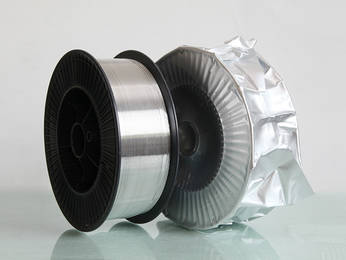
How you store the wire matters a lot over time because aluminum pulls moisture from humid air, and that dampness can get locked under the oxide layer. When it hits the hot weld pool, it turns into gas bubbles that leave porosity and weaken the joint. Keeping spools in airtight containers with silica gel packets or desiccant bags cuts down on moisture pickup and helps the wire stay in top shape between uses.
Wire that's sat around for a while often builds up a heavier oxide coating that can make the arc wander and give the bead a rough look. Running it through a soft cloth or a dedicated wire cleaner before feeding it into the gun clears that away and restores smoother starts and better appearance. Shops with high-volume needs sometimes install automatic cleaning units right in the feeder setup to keep the surface uniform without extra manual steps.
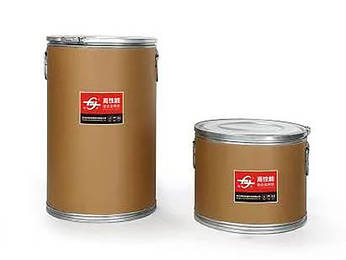
Repeated heating and cooling cycles in storage speed up oxidation and can subtly change how the wire feeds or holds up in the arc. Storing reels in a controlled spot—away from drafts, direct sun, or big temperature swings—keeps the properties steady. In busy shops, rotating stock with a first-in-first-out system makes sure older wire gets used before it has a chance to degrade noticeably.
Tip 4: Match Welding Process and Equipment Configuration
Your choice of welding method affects aluminum wire performance and feeding behavior. While GMAW/MIG is commonly used for aluminum, achieving reliable operation depends on machine settings, gas type, and arc transfer mode, all of which inform the selection of wire for stable welding.
Shielding gas makes a huge difference in how clean and stable the weld turns out. Straight argon is the standard for thinner sections because it gives a calm, steady arc and does a good job of breaking up surface oxides. Blends with helium added boost heat and drive deeper penetration into thicker plate, but they demand higher voltage and adjusted feed speeds to keep the arc from getting too wild or losing control of the puddle.
| Gas Type | Thermal Characteristics | General Application |
|---|---|---|
| Pure Argon | Balanced heat input, effective oxide cleaning | General-purpose thicknesses |
| Argon–Helium Mix | Elevated heat input, supports deeper penetration | Intermediate thickness applications |
| Argon–Helium Mix | Higher heat input, contributes to greater penetration | Heavy-section materials |
Pulsed MIG, which rapidly switches between a hot peak current and a cooler background level, lets you fine-tune heat going into the part. It cuts down on warping, cleans up bead appearance, and works especially well on thin or heat-sensitive material. As wire alloys differ in how they perform with pulsed welding, familiarity with the machine's pulse programs and preliminary testing of the wire support effective setup of travel speed and background current for a targeted outcome.
Position welding changes everything about technique and wire choice. In flat or horizontal fillets, you can push higher wire speeds and deposition rates without trouble. Vertical-up or overhead runs call for tighter heat control and often favor smaller-diameter wires that keep the puddle smaller and more manageable. Some filler alloys freeze quicker or hold better surface tension, making them far easier to run out of position without excessive drip or sag.
Keeping the gun and feeder in good shape is essential for steady wire delivery and repeatable welds. Oxide and spatter buildup on contact tips, gas diffusers, and nozzles quickly leads to feeding stutters and wandering arcs. Tips should be sized just slightly oversize—usually 0.010 to 0.015 inches larger than the wire diameter—to guarantee solid current transfer and quick, clean arc starts every trigger pull.
Tip 5: Implement Proper Welding Technique and Parameter Control
Solid aluminum welds depend on grasping how the filler wire melts into the puddle and adapting your gun handling to suit. Torch angles, push or drag direction, and steady travel speed all shape penetration, bead profile, and defect rates. Putting in deliberate practice to lock in a repeatable motion pays off with cleaner, more reliable joints every time.
For welding aluminum, a gentle forehand (push) angle—tilting the gun approximately 10 to 15 degrees in the direction of travel—is typically recommended for effective results. It drives the arc ahead into the joint for good root fusion while keeping shielding gas blanketing the molten metal. Leaning too far forward flattens the arc, cuts penetration, and risks leaving unfused areas at the bottom of the weld.
Aluminum's quick heat spread demands constant watch on arc length. Keeping a short, consistent stick-out—roughly 3/8 to 1/2 inch from contact tip to workpiece—stabilizes the arc, tightens the puddle, and drives deeper penetration. An excessively long arc can become unstable, increase spatter, and reduce shielding effectiveness, which may result in oxidation or porosity.
Voltage and wire feed speed need careful matching to thickness, joint type, and how fast you're moving the gun. Start with the machine maker's suggested settings, then tweak while watching the puddle: when everything's dialed in, the molten metal flows evenly, wets the toes cleanly, forms a gentle crown, and leaves uniform ripples as it solidifies.
| Workpiece Thickness | Wire Feed Speed | Arc Voltage | Travel Speed |
|---|---|---|---|
| Thin Sheet | Lower to Medium | Lower Range | Faster, with minimal pause |
| Medium Plate | Medium to Higher | Medium Range | Moderate, for sufficient fusion |
| Heavy Section | Higher | Higher Range | Slower, to ensure complete penetration |
For aluminum sections of significant thickness, preheating serves to moderate the temperature gradient during welding, supporting consistent fusion. Applied within a controlled temperature range according to the specific alloy and mass, preheating helps minimize issues such as cold laps, inadequate penetration, and distortion in large fabrications.
After cooling, brushing or chemically cleaning the bead removes the dark oxide layer and any flux remnants, restoring a bright finish and better corrosion protection. Always use stainless brushes reserved solely for aluminum to avoid iron pickup that later rusts. For parts headed for paint or anodizing, aluminum-specific cleaners or light etching solutions strip away stubborn smut and leave a uniform surface ready for coating.
Joint Design and Fit-Up Considerations
Joint preparation affects how well aluminum welding wire performs during the welding process. Unlike steel, aluminum's high thermal conductivity requires careful attention to joint design and gap control. Butt joints need tight fit-up, typically with gaps no larger than 0.010 inches for thin materials, to prevent burn-through and ensure adequate fusion.
Groove angles for V-groove and bevel preparations should be wider for aluminum than for steel, typically 60 to 90 degrees included angle. This wider groove accommodates aluminum's poor penetration characteristics and ensures the wire can access the joint root. Root openings and backing considerations depend on material thickness and accessibility for back purging or back gouging.
Fillet welds require attention to leg size consistency and throat dimension. Aluminum's fluidity when molten can cause the weld pool to sag in vertical or overhead positions, requiring adjustment in technique and potentially wire diameter selection. Concave fillets generally provide better strength than convex profiles due to stress concentration factors.
Lap joints and corner joints present unique challenges in aluminum fabrication. The capillary action that helps steel weld pools flow into tight spaces works differently with aluminum, often requiring technique modifications to ensure complete joint filling. Some fabricators prefer to use slightly larger wire diameters for these joint types to improve gap bridging capability.
Common Challenges and Problem-Solving Strategies
Porosity remains one of the more frequent defects in aluminum welding, caused by hydrogen contamination or inadequate shielding gas coverage. Hydrogen can come from moisture in the wire, contaminated shielding gas, or hydrocarbons on the base material surface. Implementing thorough cleaning procedures and proper material storage minimizes these sources of contamination.
Cracking susceptibility varies among different aluminum alloys and can occur during welding or after cooling. Hot cracking typically results from restraint during solidification, while cold cracking relates to residual stresses in the completed weld. Wire selection plays a role in crack prevention, with some alloys providing better resistance to solidification cracking than others.
Lack of fusion appears when the wire fails to bond properly with the base material or previous weld passes. This defect often results from insufficient heat input, improper travel speed, or contaminated surfaces. Adjusting parameters to ensure adequate wetting of the base material and maintaining proper technique helps eliminate fusion problems.
Undercutting occurs when excessive heat or incorrect technique removes base material at the weld toe without filling the depression with weld metal. This defect weakens the joint and provides stress concentration points. Reducing travel speed, adjusting work angle, or using different transfer modes can help control undercut formation.
Quality Control and Inspection Methods
A brief visual inspection can identify numerous surface irregularities. Key points to observe include uniform weld ripple, a smooth transition to the base material, and an appropriate weld reinforcement. Heavy black soot, wild spatter, or lumpy, irregular beads usually signal that settings or gun angle need tweaking.
Dye penetrant testing is a simple, effective way to spot surface cracks, open porosity, or lack of fusion that the eye might miss. Spray or brush on the penetrant, let it soak in, wipe clean, and dust with developer—the red lines or dots that bleed out clearly mark any open defects.
Radiography—using X-rays or gamma sources—reveals what's going on inside the weld without cutting it apart. It picks up internal voids, incomplete root penetration, or trapped inclusions and is worth the cost for high-stakes structural or pressure-vessel work where nothing can be left to chance.
Ultrasonic testing sends high-frequency sound waves through the metal and reads the echoes to locate and size hidden flaws. It's especially handy for thick sections where radiography gets cumbersome, and skilled operators can map out defects accurately without consumables.
Destructive tests like guided bend, pull-to-failure tensile samples, or sectioning and etching give hard proof of weld strength and soundness. While these tests consume material, they represent a standard practice mandated by many welding codes for qualifying both procedures and personnel. Their purpose is to demonstrate the capability of the wire, parameters, and technique to produce acceptable joints.
Environmental and Safety Considerations
Safeguarding welders and the surrounding area demands careful handling of the unique dangers tied to aluminum welding work.
Fume Exposure Management
Health Hazards Aluminum welding fumes present risks:
- Immediate breathing discomfort and eye irritation
- Potential serious lung or nervous system issues after years of exposure
- Dangerous buildup in confined or stagnant-air zones
- Higher or lower hazard levels depending on elements like manganese or chromium in the filler alloy
Ventilation Requirements Adequate ventilation includes:
- Portable or fixed fume extraction arms positioned right at the arc
- Placement that pulls smoke away without fogging your sightline to the puddle
- Clear pathways around the workpiece for safe movement
- Whole-room air circulation to support the local capture systems
Personal Protective Equipment
Eye and Face Protection Welding helmets must provide:
- Lens shades dark enough for the intense aluminum arc
- Auto-darkening features to ease setup and cut down on flipping the hood
- Lightweight design to avoid neck fatigue on long shifts
- Full coverage against flying debris and UV rays
- Built-in side panels to block stray light and sparks
Body Protection Requirements Proper clothing protects from:
- Painful UV burns that feel like severe sunburn on any bare skin
- Molten spatter and hot sparks
- Sudden arc flash bursts
- Flame-retardant cotton or leather fabrics only—no polyester or nylon that melts on contact
- Thick leather gloves made for welding
- Full-length sleeves and pants without rolled cuffs that trap embers
Fire Safety Protocols
Fire Hazards in Welding Risks exist from:
- Sparks traveling far and landing on flammable debris
- Glowing cutoff pieces or slag starting smoldering fires
- Heat traveling along metal to ignite hidden materials on the far side
- Intense radiant warmth drying out or setting nearby combustibles ablaze
Prevention Measures Reducing fire risk requires:
- Clear away rags, paper, solvents, sawdust, and grease from the welding zone
- Hang welding curtains or fire blankets to contain sparks
- Keep suitable extinguishers (ABC dry chemical or Class D for metals) close by and checked
- Follow hot-work permit procedures in shops or facilities with strict rules
- Station a fire watch for at least half an hour after welding ends in high-risk spots
Electrical Safety Requirements
Shock Hazards Electrical risks include:
- Worn insulation or loose connections can leak current
- Missing grounds leave the workpiece or gun energized
- Sweat, rain, or standing water sharply lowers body resistance
- The high electrical conductivity of aluminum facilitates the rapid dispersal of stray currents.
Safety Procedures Protection measures involve:
- Routine checks of power sources, leads, and torches for damage
- Scheduled upkeep per the equipment manual
- Dry, insulated gloves and boots plus rubber mats underfoot when possible
- Keeping cables elevated and away from sharp corners or puddles
- Turning off the machine at the disconnect before any adjustments or tip changes
Advanced Techniques and Applications
Pulsed MIG welding gives welders much finer command over heat going into the joint by rapidly switching between a high peak current that melts the wire and drives fusion, and a low background current that lets the puddle cool slightly. This cycling cuts average heat input significantly compared to steady spray transfer, helping prevent burn-through on thin material or distortion on larger parts while still achieving solid penetration. Certain aluminum wire alloys—especially 5xxx series—react particularly smoothly to pulse settings, producing cleaner beads with tighter ripples, far less spatter, and easier out-of-position control.
Robotic and automated welding lines demand wire that feeds flawlessly over long distances and through tortuous liner paths. Tight diameter consistency, clean and level spool winding, and just the right amount of cast and helix in the wire prevent bird-nesting or erratic delivery in high-duty-cycle setups. Most production facilities run thorough qualification tests on candidate wires with their exact robots and torch configurations before approving them for the floor.
Joining aluminum to dissimilar metals like steel or copper is becoming more common in lightweight structures, battery assemblies, and transition fittings. Special filler alloys and modified pulse or AC techniques can create sound bonds where standard fusion methods fail due to vastly different melting points or brittle intermetallic formation. Success hinges on knowing the exact base metals involved and choosing wire that promotes acceptable metallurgy without excessive cracking or porosity.
Repair welding on existing aluminum components brings its own headaches compared to clean-shop fabrication. The base alloy might be unknown, surfaces could carry paint, oil, or oxidation from years in service, and access is often awkward. Welders doing repairs frequently stock a range of common filler wires and run test beads on scrap from the same structure to find the combination that wets well, fills cleanly, and restores strength without introducing new cracks.
NEXT:Why Industries Rely on Aluminum Alloy Welding Wire Today