English
  Deutsch


Why Does Filler Metal Matching Matter in Aluminum Welding
Article Directory
- 1 How Does the Base Aluminum Affect Filler Metal Selection?
- 2 Why Can Different Aluminum Wires Behave Differently in the Same Application?
- 3 How Does Joint Design Influence Filler Metal Matching?
- 4 What Happens When the Filler Metal Does Not Match the Application?
- 5 How Should 5356, 4043, 4943, 5183, and ER5554 Be Considered?
- 6 How Does Welding Workflow Affect Filler Metal Choice?
- 7 What Should Buyers Check When Looking for Aluminum Welding Wire for Sale?
- 8 How Can Manufacturers Build a More Practical Filler Metal Selection Process?
Choosing a filler metal isn't simply a matter of picking an aluminum wire that happens to fit the welding machine sitting on the floor. The wire needs to suit the base material, joint requirements, finished part, and working conditions all at once. When these factors get considered together, filler metal selection becomes part of the welding plan itself, rather than a separate purchasing decision handled by whoever's closest to the supply cabinet.
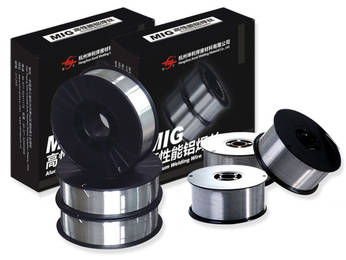
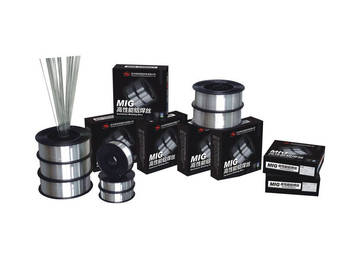
This is why filler metal matching matters so much in aluminum welding. 5356 Alloy Aluminum Wire, 4943 Aluminum Welding Wire, 5183 Aluminium Mig Wire, 4043 Aluminium Mig Wire, and ER5554 Welding Wire may all get used in aluminum welding, but they aren't interchangeable in every application, no matter how similar they look on a spool.
The differences become more noticeable when a project involves several aluminum materials or when the welded part will face different service conditions after leaving the shop. A suitable match can make the welding process easier to manage and help the finished joint meet the needs of the application rather than simply appear acceptable at a glance.
How Does the Base Aluminum Affect Filler Metal Selection?
The base aluminum is the natural starting point for filler metal selection, before anything else gets decided. Different aluminum materials can respond quite differently during welding, so a wire that works well for one application may not be suitable for another job entirely.
The base material influences several decisions around the joint that follow from there. Its composition, intended use, joint location, and expected service conditions can all affect which filler metal genuinely makes sense for the work.
A practical selection process may consider several factors together.
| Base Material Consideration | Why It Matters |
| Aluminum composition | Influences filler metal compatibility |
| Part function | Helps define the needs of the finished joint |
| Joint location | Can affect welding access and appearance |
| Service environment | May influence filler metal selection |
| Fabrication method | Affects how the wire will be used |
This doesn't mean every project requires an overly complicated selection process before anyone picks up a torch. The important point is avoiding filler metal choices based only on availability or familiarity, the wire that's already sitting on the feeder because it was there last time.
For example, 5356 Alloy Aluminum Wire may get considered when the application calls for a particular combination of weld characteristics and finished-joint requirements. In another project, 4043 Aluminium Mig Wire may be a lot more appropriate, because the base material and joint requirements point toward a different choice entirely.
The relationship between the base aluminum and filler metal should therefore get considered well before procurement begins, not worked out after the wire's already been ordered.
Why Can Different Aluminum Wires Behave Differently in the Same Application?
Aluminum welding wires can look genuinely similar sitting on a shop floor, spool after spool lined up on a shelf, but their behavior can differ quite a bit when they're used with particular base materials and joint designs. This is one reason a substitution that appears simple on paper may need a lot closer consideration before actually swapping it in.
A filler metal affects more than just the moment when the wire enters the weld area. It can influence how the joint actually forms, how the finished weld looks once it cools, and how the welded part responds to its intended use months or years down the line.
Consider several common wire choices side by side.
5356 Alloy Aluminum Wire is often considered for applications where its particular filler characteristics fit the base material and service requirements at hand. 4943 Aluminum Welding Wire can be relevant when a project calls for a different balance of welding behavior and finished-joint characteristics instead.
5183 Aluminium Mig Wire may get selected for applications where the filler material needs to align with the requirements of the base aluminum and the finished structure it's part of. 4043 Aluminium Mig Wire is another common choice when its characteristics match the material and joint requirements in front of the welder.
ER5554 Welding Wire can also have a place in applications where the base material and expected service conditions call for that specific filler selection over the others.
The point isn't ranking these materials against each other. Each belongs to a particular selection context that makes sense on its own terms. Matching them to the actual welding job is a lot more useful than asking which wire is generally preferable across the board.
How Does Joint Design Influence Filler Metal Matching?
The shape and purpose of a joint can change quite a bit how a filler metal actually needs to perform once it's laid down. A simple joint between two similar pieces may present genuinely different requirements from a joint connecting different aluminum materials that don't behave the same way under heat.
Joint access, weld position, part shape, and the amount of filler needed can all influence the selection in ways that aren't always obvious from a drawing alone. The finished part also matters a great deal here, beyond just the joint itself.
A welded frame, fabricated enclosure, vehicle component, or structural assembly may each carry different requirements after welding wraps up. The filler metal needs to fit the role of the joint, rather than getting selected separately from the product it's actually part of.
This is where filler metal matching becomes a genuine design issue, not just a shop-floor convenience. Engineers and welding teams can ask several practical questions before choosing a wire for a job.
- What aluminum materials are being joined?
- What is the joint expected to do?
- Where is the weld located?
- How will the finished part be used?
- Does the weld need to meet particular appearance requirements?
- Will the same filler metal be used across several joint types?
These questions help connect material selection with the actual fabrication process happening on the floor, rather than treating the two as separate decisions made by different people who never talk.
A project may also involve several joint designs within the same build. In that situation, using one wire throughout the job may seem convenient, but its suitability should still be checked against the material and application requirements of each individual joint.
What Happens When the Filler Metal Does Not Match the Application?
A poor filler metal match doesn't always create an immediate and obvious problem right when it happens. Sometimes the welding process appears completely normal in the moment, yet the finished joint doesn't behave as expected during later inspection or once it's actually put to use.
The issue may involve weld appearance, joint characteristics, fabrication consistency, or suitability for the service environment the part ends up in. This is why filler metal selection shouldn't get judged only by whether the wire feeds smoothly or produces a visible weld that looks fine on the surface.
A mismatch can create extra work in several frustrating ways. The welding team may need to adjust the process mid-run, repeat a joint that didn't hold up, investigate inconsistent results across a batch, or change the selected material after production has already started rolling.
These problems can also ripple into procurement planning down the line. If a workshop orders a large quantity of one wire without considering the different aluminum materials in its production schedule, the available material may not actually match every job that comes through. Purchasing decisions made too early can therefore create unnecessary handling and inventory issues that pile up over time.
A more practical approach connects wire selection with actual production requirements from the start, rather than treating the two as separate concerns that only meet up by accident.
How Should 5356, 4043, 4943, 5183, and ER5554 Be Considered?
These filler metals should be viewed as choices suited to different application conditions, rather than as a simple product list to pick from at random.
5356 Alloy Aluminum Wire can be considered when the base material and finished-joint requirements point toward this type of filler specifically. The decision should account for the part's intended use, rather than the wire name alone sitting on the box.
4043 Aluminium Mig Wire may fit applications where its characteristics align with the aluminum being joined and the desired welding result the team is after. It's therefore useful to evaluate it in relation to the complete joint, rather than as an isolated material picked off a shelf.
4943 Aluminum Welding Wire provides another option when its particular characteristics suit the base material and fabrication needs of a given job. Its selection should be connected with the requirements of the finished component, not chosen out of habit.
5183 Aluminium Mig Wire can be considered for applications where the base aluminum, joint requirements, and service conditions all support its use together. The same principle applies when comparing it against other filler choices on the table.
ER5554 Welding Wire should also be assessed according to the material combination and intended application at hand. Its presence in a workshop doesn't automatically make it suitable for every aluminum welding job that comes through the door.
A simple comparison can help organize the selection process for anyone working through it.
| Filler Metal | Selection Should Consider |
| 5356 Alloy Aluminum Wire | Base material and finished-joint requirements |
| 4043 Aluminium Mig Wire | Material combination and welding needs |
| 4943 Aluminum Welding Wire | Joint requirements and service conditions |
| 5183 Aluminium Mig Wire | Base material and intended application |
| ER5554 Welding Wire | Material compatibility and use environment |
The purpose of this comparison is showing how selection actually works in practice. It shouldn't get treated as a fixed rule applying the same way to every welding situation that comes along.
How Does Welding Workflow Affect Filler Metal Choice?
Filler metal selection also needs to fit the way a workshop actually operates day to day, not just the way a spec sheet describes it. A production environment may handle different aluminum components throughout the same shift. One job may use a certain filler, while the next job right after it requires something else entirely.
If the materials aren't clearly identified and separated on the floor, switching between jobs can create genuine confusion fast. The welding workflow can therefore influence procurement, storage, labeling, and preparation in ways that go beyond just picking the right wire on paper.
For example, a workshop handling several aluminum grades may organize filler metals according to the jobs they actually serve, rather than by size or supplier. This can make material changes a lot easier to track and reduce the chance of someone using a familiar wire simply because it's already loaded on the feeder.
Training also matters here, more than people sometimes assume. Welders need to understand that changing from one filler metal to another may require attention to the overall process, not just swapping a spool. They should know which material is assigned to a particular job and why that selection was actually made, not just follow instructions blindly.
Clear internal procedures can help connect engineering decisions with workshop practice on the floor. The goal isn't making the workflow complicated for its own sake. It's ensuring that the selected filler metal follows the job requirements all the way through, from material preparation through welding and inspection.
What Should Buyers Check When Looking for Aluminum Welding Wire for Sale?
Procurement decisions should begin with the application at hand, rather than the product name printed on a listing. When buyers search for Aluminum Welding Wire for Sale, they may find several filler metal choices that appear suitable at a quick glance, without much to separate them.
A useful purchasing process looks well beyond whether the wire is simply available in stock. Buyers can work through several practical questions before committing to an order.
- Which aluminum materials will be welded?
- Which filler metals have been selected for those materials?
- How many different welding applications will the wire serve?
- How will the wire be stored and identified?
- Does the packaging suit the workshop's handling process?
- Can the supplier provide clear product information?
Consistency between purchasing and production is particularly important when several filler metals get used side by side in the same facility. A buyer may also need to distinguish between a new project and an existing production process already running. For an established operation, changing filler metal may affect more than just purchasing. It can influence work instructions, material identification, operator familiarity, and inspection routines built up over time.
For a new project, the purchasing team has a lot more opportunity to coordinate with engineering and welding personnel before placing an order, rather than reacting after the fact. This makes filler metal procurement part of production planning as a whole, rather than a simple stock replenishment task handled without much thought.
How Can Manufacturers Build a More Practical Filler Metal Selection Process?
A useful selection process doesn't need to be complicated to actually work well on the floor. It needs to connect the right information at the right stage of the job, nothing more elaborate than that.
Manufacturers can begin by identifying the base aluminum and the function of the finished part before anything else gets decided. They can then consider joint design, service conditions, welding workflow, and inspection requirements before deciding which filler metal genuinely fits the application in front of them.
A simple internal process may follow a clear sequence, moving from one stage to the next: base material determines joint requirements, which relate to service conditions, filler metal selection, welding procedures, and finally inspection.
This sequence helps prevent filler metal from becoming an afterthought tacked onto the end of planning. It also supports communication between different teams working on the same job. Engineering can define the material requirements up front. Welding personnel can consider the practical working conditions they'll actually face. Purchasing can source the selected product accordingly. Quality staff can then check the finished joint against the relevant requirements once it's done.
When several aluminum filler metals get used within the same facility, clear material identification becomes even more important to maintain. Silicon Aluminum Filler Metal, for example, should be treated according to the application for which it's been selected, rather than grouped together with every other aluminum welding wire sitting in the same bin.
Base Material
Identify the aluminum being joined and connect the filler selection with the material requirements.
Joint Requirements
Consider joint design, service conditions, and the function of the finished part.
Filler Selection
Choose the filler metal according to the complete application rather than product familiarity alone.
Production Check
Keep engineering, welding, purchasing, and inspection aligned throughout the production process.
Filler metal matching is ultimately about connecting material choice with the real job at hand. Whether a project involves 5356 Alloy Aluminum Wire, 4043 Aluminium Mig Wire, 4943 Aluminum Welding Wire, 5183 Aluminium Mig Wire, or ER5554 Welding Wire, the useful question isn't simply whether the wire can be used for aluminum in general. The more relevant question is whether that particular filler metal fits the base material, joint, welding workflow, and intended use of the finished part once it leaves the shop.