English
  Deutsch


Aluminum Welding Wire ER5087 Flow Characteristics for Marine Welding
Article Directory
- 1 Quick Assessment: When This Filler Makes Sense
- 2 Composition and Classification Framework
- 3 How Chemistry Influences Puddle Behavior
- 4 Process Application and Parameter Development
- 5 Comparative Analysis: ER5087 Against Common Alternatives
- 6 Real-World Application Environments
- 7 Troubleshooting Common Welding Challenges
- 8 Procurement and Quality Considerations
- 9 Frequently Asked Questions
- 10 Decision Framework and Next Steps
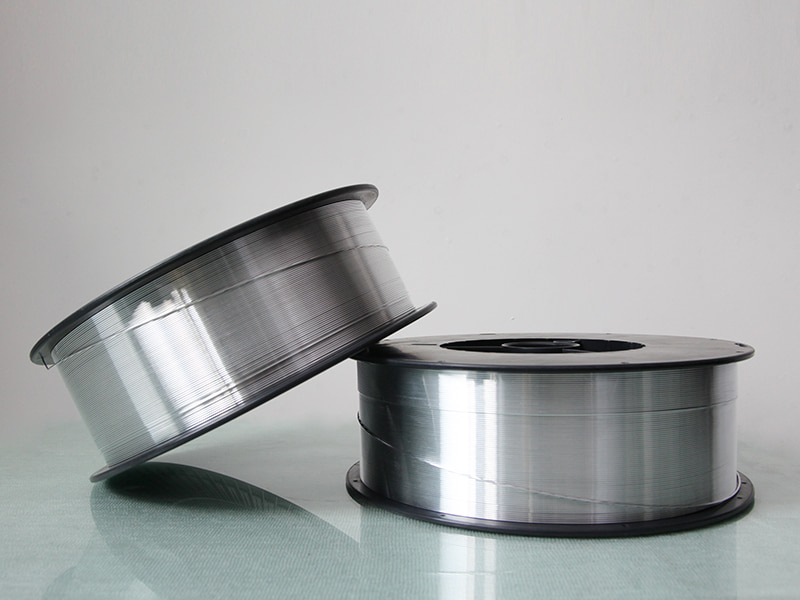
Welders working with marine panels and structural components often encounter the challenge of achieving clean, consistent beads on magnesium-bearing aluminum alloys. When joining high-magnesium base materials, operators discover that Aluminum Welding Wire ER5087 provides noticeably different puddle behavior compared to other common fillers—a characteristic that fabricators describe as improved "flow" but which actually involves complex interactions between chemistry, surface tension, and heat transfer. This magnesium-rich consumable has become a go-to choice in shipyards and offshore facilities, not because of marketing claims, but because welders observe tangible differences in how the molten pool wets out, how beads form at toes, and how much rework their joints require.
Quick Assessment: When This Filler Makes Sense
For operators deciding whether to stock this consumable, certain conditions favor its use while others suggest alternatives. The magnesium-rich composition suits base metals with similar chemistry, particularly those used in corrosive environments. Marine structures, offshore equipment, and transportation components represent typical applications where this filler delivers meaningful advantages.
Choose this filler when:
- Welding base metals containing moderate to high magnesium content
- Working on marine structures requiring corrosion resistance
- Needing higher strength than some alternatives provide
- Observing better puddle control improves your throughput
- Fabricating structural components in salt-air environments
Consider alternatives when:
- Joining heat-treatable alloys where silicon-bearing fillers often work better
- Working with thin gauge material where lower melting fillers help
- Maximum ductility matters more than strength
- Base metal chemistry falls outside the recommended compatibility range
The "flow" characteristic refers to how willingly the molten puddle extends across the joint and achieves solid fusion with the base metal. It arises from surface tension differences along the puddle boundary and the internal fluid motion generated by the welding arc. Welders recognize this in the field as more pleasing bead profiles, easier puddle direction, and clean, symmetrical weld toe formation—direct benefits that lessen the amount of grinding required and help ensure consistently solid joint performance.
Composition and Classification Framework
Knowing the real composition of the wire makes its behavior much more understandable. This filler is an aluminum-magnesium alloy, with magnesium serving as the primary element that increases strength. Carefully selected minor elements are added to produce a finer grain structure, strengthen corrosion resistance, and improve the wire's welding performance overall.
| Element | Role in Performance |
|---|---|
| Magnesium | Primary strengthening element, affects surface tension and corrosion resistance |
| Manganese | Grain refinement, enhances corrosion resistance |
| Chromium | Additional strengthening, grain control |
| Zirconium | Grain refinement without forming problematic eutectic reactions |
| Titanium | Grain refinement in controlled amounts |
| Silicon | Minimized to maintain ductility |
| Iron | Controlled as impurity |
| Copper | Minimized for corrosion resistance |
This chemistry clearly positions the filler in the higher-magnesium portion of the 5xxx series. The resulting combination of strength, ductility, and welding response makes it a particularly good choice for certain base metals that are widely used in marine and structural fabrication.
Established industry specifications define the allowable composition ranges, set the required mechanical properties, and describe the standardized test methods to be used. These standards help ensure that the product remains consistent regardless of the source and provide the necessary records for quality verification and traceability.
Typical mechanical properties of deposited weld metal include sufficient tensile strength, moderate yield strength, and good elongation. These results are taken from standard all-weld-metal test specimens and may vary depending on joint preparation, the level of heat input, and the degree of base metal dilution into the weld deposit.
How Chemistry Influences Puddle Behavior
What operators mean by "flow"
When fabricators talk about a filler having "good flow," they are describing several things happening at once in the weld pool. The pool's ability to spread and wet the surrounding base metal is largely governed by surface tension—the force that tends to pull the liquid into rounded shapes. Although adding magnesium to aluminum raises surface tension a bit, it also sets up temperature-based differences that drive strong fluid movement inside the pool.
This motion, known as Marangoni convection, happens because surface tension drops as temperature rises. Hotter areas of the puddle have lower surface tension, so liquid is drawn from cooler regions toward the hotter zones. That circulation promotes mixing, helps the pool spread outward, and encourages better wetting along the base metal edges and into the toe areas of the joint.
Role of specific alloying elements
Magnesium's dual effect: Magnesium slightly increases overall surface tension, but during cooling it produces helpful gradients that support controlled spreading. It also lowers the melting temperature compared to pure aluminum, giving the puddle a longer time in the fluid state and more opportunity to make good contact with the base surfaces.
Zirconium's contribution: Zirconium is added to create a finer grain structure without leaving behind low-melting phases at the grain boundaries, unlike some other grain refiners. The finer grains help the solidifying metal hold together better as it cools, which lowers the risk of hot cracking. While zirconium does not directly change the puddle's flow, it reduces defects that could otherwise make puddle handling more difficult.
Manganese and chromium: These elements add solid-solution strengthening and support additional grain refinement. They cause a small increase in the liquidus temperature, but the change is minor and does not noticeably disrupt puddle behavior under normal welding parameters.
Silicon limitation: Keeping silicon levels low preserves ductility and avoids the formation of hard, brittle intermetallics. With low silicon, the filler reacts more predictably when heat input changes—operators avoid dealing with sudden swings in fluidity as they adjust travel speed.
Process Application and Parameter Development
How does MIG/GMAW work with this filler?
Most shops run this filler with gas metal arc welding, where steady wire feeding provides a reliable arc and uniform deposit. Several variables affect how well it performs:
Wire diameter selection affects control and deposition:
- Smaller diameters: best for thin-gauge work and precise heat input control
- Medium diameters: versatile choice with a broad operating window for general fabrication
- Larger diameters: suited to heavy plate and faster deposition rates
Transfer modes create different arc characteristics:
- Short circuit: limited application due to a higher chance of cold lap defects with this chemistry
- Spray transfer: widely used for plate welding, needs sufficient current to establish
- Pulse: favored for out-of-position welding and precise heat management
- Modified transfer modes: helpful for thin material and root passes
Parameter considerations for typical applications:
- Voltage adjustment controls arc length and bead shape
- Wire feed speed sets deposition rate and overall heat input
- Travel speed balances production speed against weld quality
- Shielding gas selection affects heat distribution and penetration depth
Pulse settings require adjustment for the specific power source, but the aim stays the same: stable metal transfer at a reasonable average current level. This keeps the puddle manageable without putting too much heat into the work.
Feed system requirements: Because the wire is softer than steel, drive roll pressure must be kept light to prevent flattening or deformation while still providing reliable feed. Roll type matters—designs made for aluminum give the best grip without damage. Liner friction is important; low-friction liners perform far better with aluminum than standard steel liners. Keep conduit runs as straight as possible and minimize sharp bends.
TIG/GTAW application
Gas tungsten arc welding with this filler gives operators the highest level of puddle control. Rod diameter should match the base metal thickness and the desired heat input. Smaller rods provide finer deposit control; larger rods allow faster fill on heavier sections.
Current settings need to balance oxide cleaning action with adequate penetration. AC balance adjustment determines how much time the arc spends in each polarity phase.
Technique notes: The filler's flow behavior means operators can often reduce the frequency of dipping the rod compared to stiffer alloys. The puddle remains fluid and workable for a longer time, so there is less pressure to add filler quickly. Many welders describe the pool as "cooperative" rather than "lazy" or "stubborn."
Comparative Analysis: ER5087 Against Common Alternatives
| Property | ER5087 | ER5356 | ER5183 | ER4043 |
|---|---|---|---|---|
| Primary alloying | High Mg | High Mg | High Mg | High Si |
| Strength level | Moderate-high | Moderate | High | Moderate |
| Flow character | Smooth, controlled | Similar | Slightly stiffer | Very fluid |
| Corrosion resistance | Very good | Very good | Very good | Good |
| Hot crack sensitivity | Moderate | Moderate | Higher | Low |
| Typical base metals | High-Mg series | General Mg series | Highest-Mg series | Heat-treatable, some Mg series |
When ER5087 outperforms ER5356
The two fillers have overlapping composition ranges, so the differences can be subtle. Still, certain jobs tip the balance toward this one:
- On base metals sitting at the upper end of the magnesium scale, the tighter chemistry limits combined with zirconium help deliver a slightly finer grain structure
- In demanding offshore settings where joints face constant mechanical stress plus aggressive corrosion, this formulation has earned a reputation for holding up well over extended service
- A number of shops note more uniform bead profiles and appearance when welding in different positions
When ER5356 remains appropriate
This reliable, go-to filler for general aluminum-magnesium welding continues to be the right choice when:
- The base metals have lower magnesium levels
- Budget is a factor and the performance edge doesn't justify the added cost
- Current procedures, welder qualifications, and shop experience are already built around it
ER5183 for high-strength applications
This higher-magnesium filler is selected for specialized cases where the base metal chemistry calls for maximum weld strength that matches or exceeds the base material. Typical uses include cryogenic service where low-temperature toughness is critical.
The trade-off comes in the form of a greater risk of hot cracking, which demands tighter control over welding parameters and more thoughtful joint design.
ER4043 for different base metals
The silicon-containing filler occupies its own distinct role. It works well for heat-treatable alloys, for joints that benefit from extra fluidity to fill gaps, and in situations where slightly reduced strength is acceptable. It is also preferred when hot cracking is a major concern.
Never swap a silicon-bearing filler in place of a magnesium-rich one on high-magnesium base metals without solid engineering justification—strength, ductility, and corrosion resistance will be noticeably different.
Real-World Application Environments
Shipbuilding and marine structures
Vessels constructed from magnesium-aluminum plate depend on fillers in this class for key structural welds. Hull plates, bulkheads, superstructure elements, and deck structures all gain from weld strength that aligns with the base metal, reliable corrosion performance in seawater, attractive bead appearance for both aesthetics and inspection, and manageable puddle behavior during positional welding.
Fabricators building coastal patrol boats often mention that careful filler selection cuts down on grinding because of smoother weld toes and fewer signs of cold lap. While these are practical shop observations rather than formal studies, the feedback is common across the industry.
Offshore platforms and equipment
Oil and gas structures endure a combination of heavy mechanical loads and severe corrosive conditions. Welds must remain sound for many years in challenging marine atmospheres. The filler's chemistry supports these requirements with stable mechanical properties, strong resistance to stress corrosion cracking in chloride-rich settings, and solid fatigue behavior under repeated loading.
Transportation fabrication
Railcars, trailers, and other specialized transport equipment increasingly take advantage of magnesium-aluminum alloys for their excellent strength-to-weight ratio. Welding demands focus on consistent quality to meet regulatory standards, fast production rates, and low distortion on thinner sections.
The filler's flow properties allow operators to keep up good travel speeds while still producing clean, high-quality beads, which helps meet throughput goals.
Troubleshooting Common Welding Challenges
Challenge: Lack of fusion at toes or sidewalls
Symptoms show up as visible gaps or dark lines where the bead fails to tie in properly with the base metal.
Root causes and corrections:
- Heat input too low → raise voltage or slow travel speed
- Incorrect gun angle → use a proper lead angle and adjust work angle to ensure sidewall wetting
- Dirty surface → strengthen the cleaning routine
- Travel speed too fast → reduce speed to give the puddle enough time to wet out
Challenge: Hot cracking in weld or heat-affected zone
Cracks form as the weld cools, most often along the centerline or at the crater.
Root causes and corrections:
- Excessive joint restraint → modify joint design or welding sequence to lower residual stress
- Overly wide bead with high heat → switch to multiple narrower passes and keep heat input in check
- Wrong filler selection → double-check base metal chemistry; consider a higher-strength filler if required
- Contamination present → confirm base metal meets specification and improve surface cleanliness
Challenge: Porosity in weld metal
Gas pockets become visible on radiographs or when the weld is sectioned.
Root causes and corrections:
- Surface contamination → perform thorough precleaning and store materials properly
- Poor shielding gas coverage → verify flow rate, protect from drafts, consider using a gas lens
- Hydrogen from the atmosphere → weld in a controlled area and avoid high-humidity conditions
- Hydrogen in base metal → check material origin; prebake if high hydrogen is suspected
Challenge: Inconsistent bead appearance or ripple pattern
Bead looks uneven or irregular even when mechanical tests pass.
Root causes and corrections:
- Unstable parameters → inspect wire feed consistency and electrical connections
- Inconsistent technique → maintain steady travel speed and constant gun angle
- Varying arc length → hold a uniform contact tip-to-work distance
- Equipment problems → check liner condition, drive rolls, and gun consumables
Interpreting poor puddle behavior: When the pool refuses to wet out properly, first confirm the base metal chemistry matches the filler, make sure all surface contaminants are removed, compare your parameters to manufacturer guidelines, eliminate any equipment issues, and evaluate whether a different filler might be better suited to the joint.
Procurement and Quality Considerations
What certifications should you request?
Request material test reports showing chemical analysis results for each heat, mechanical property testing data, compliance statement to relevant specifications, and traceability information.
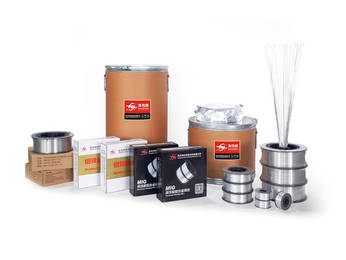
Packaging options vary by consumption rate
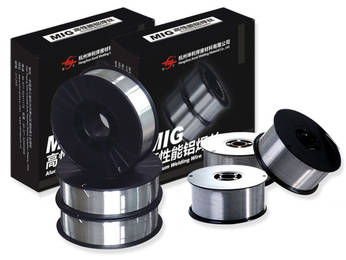
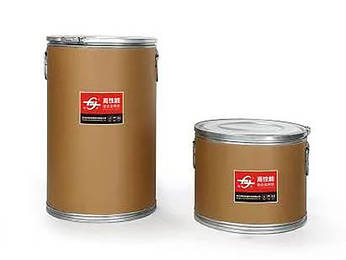
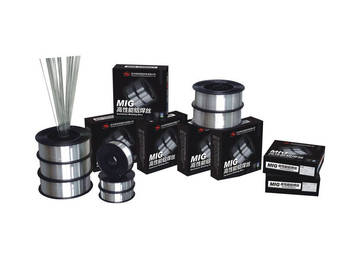
Small packages suit occasional use or TIG applications. Standard packages support typical MIG operations. Bulk packages serve high-volume production. Choose packaging appropriate to consumption rate—wire sitting on partially used packages risks oxidation.
Storage and handling protect wire quality
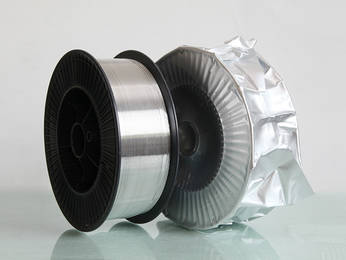
Keep wire in original sealed packaging until use. Once opened, store in low-humidity environment, use within reasonable time period, inspect for surface discoloration or oxidation, and wipe with clean, dry cloth before feeding if any surface question exists.
Surface contamination degrades arc stability and increases porosity risk. Wire that has oxidized or picked up dirt doesn't flow properly—the arc becomes erratic, and the resulting beads show poor appearance.
Quality checks during use maintain consistency
- Verify wire diameter consistency
- Monitor bead appearance for consistency
- Run bend tests or radiographic inspection on representative joints
- Track any unusual behavior
Frequently Asked Questions
What makes this filler different from general-purpose aluminum wire?
Higher magnesium content provides increased strength and corrosion resistance while maintaining weldability for compatible base metals.
How does it differ from similar magnesium-aluminum fillers?
Composition includes zirconium for grain refinement and maintains tighter specifications favored for marine applications.
Can you weld heat-treatable alloys with this filler?
Possible but usually not recommended—silicon-bearing fillers typically perform better due to chemistry compatibility.
Does it require special storage?
Standard aluminum wire storage applies—keep dry, sealed when not in use, protect from contamination.
What shielding gas works properly?
Pure argon for most applications; argon-helium blends increase heat input and travel speed when needed.
Why do some beads look rougher than expected?
Check parameters, verify surface preparation, confirm wire quality, and review technique consistency.
How does puddle behavior compare to steel?
Aluminum's higher thermal conductivity and lower melting point create a different puddle feel—it requires more heat input per unit thickness but responds quickly to parameter changes.
What causes feeding problems in MIG systems?
Usually soft wire deformation from excessive drive roll pressure, liner friction, or kinked conduit—use aluminum-specific consumables and setup.
Is preheating necessary when using this filler?
Depends on base metal thickness and ambient temperature. Thicker sections benefit from modest preheat to reduce thermal gradients and cracking risk, while thin material rarely needs it.
Can this filler be used for all welding positions?
Yes, though parameter adjustment helps. Overhead and vertical positions require lower heat input and faster solidification, often achieved through pulse welding or modified technique.
Decision Framework and Next Steps
Select this filler if
- Base metal falls in the high-magnesium aluminum category
- Application involves marine or offshore environment
- Strength requirements exceed what silicon-bearing fillers provide
- Corrosion resistance remains critical to service life
- You've observed better bead quality with this specific composition
Evaluate alternatives if
- Working with heat-treatable base alloys
- Maximum ductility outweighs strength needs
- Cost constraints prohibit filler upgrade
- Lower strength general-purpose filler suffices
Three practical actions
Run a comparison test weld: Set up identical joints with your current filler and this alternative; compare bead appearance, ease of operation, and mechanical properties through bend testing.
Request technical documentation: Obtain composition certification and mechanical property information from suppliers; verify specification compliance and lot traceability.
Consult with material specialists: Discuss specific base metal combinations and service requirements with welding engineers or supplier technical support; validate filler selection against application demands.
Many welding operations continue successfully with their current consumables. Switching makes sense when specific performance requirements—bead quality, strength, corrosion resistance, or operator efficiency—warrant the investigation. For fabricators working regularly with marine aluminum alloys, the puddle control characteristics justify evaluation. For occasional aluminum work or applications outside the structural range, existing procedures may already provide adequate results.
Whether this particular composition improves your operation depends on base material, joint design, service environment, and quality requirements. The filler's magnesium-rich chemistry and grain-refining additions create measurable differences in pool behavior and mechanical properties—differences that matter significantly in some applications and hardly at all in others.
Kunli welding consumables maintain consistent quality standards across production, supporting reliable operation in demanding fabrication environments. Understanding the metallurgical factors behind filler performance helps operators make informed choices rather than following generic recommendations that may not suit specific situations.
NEXT:ER5554 is an aluminum-magnesium alloy welding wire primarily used for joining and fabricating aluminum alloys