English
  Deutsch


Why Industries Rely on Aluminum Alloy Welding Wire Today
Article Directory
- 1 Understanding Aluminum Alloy Welding Wire and Its Distinct Characteristics
- 2 Why Manufacturing Sectors Are Embracing This Technology Now
- 3 Comparing Performance Against Traditional Welding Materials
- 4 Standards and Safety Protocols Governing Application
- 5 Supply Chain and Quality Assurance Considerations
- 6 Applications Where Aluminum Alloy Welding Wire Delivers Value
- 7 Installation Techniques and Common Mistakes to Avoid
- 8 Economic Analysis and Investment Justification
- 9 Environmental Impact and Circular Economy Benefits
- 10 Market Adoption Trends and Future Developments
- 11 Procurement Guidance for Specifiers and Buyers
- 12 Questions Fabricators and Engineers Commonly Ask
Building renewable power plants and transit systems relies on substances that juggle toughness, electrical flow, and ease of shaping. In this mix, providers of Aluminum Alloy Welding Wire have seen a big uptick in orders as sectors turn to this flexible bonding option for items ranging from slim car skeletons to power distribution setups. This change mirrors wider evolutions in the ways designers and builders tackle project hurdles, especially when cutting mass is key but without skimping on framework solidity or current-handling ability. Production setups always deal with demands to trim expenses while upholding standards and hitting green targets. Aluminum Alloy Welding Wire tackles several goals at once—it creates sturdy connections in featherweight builds, aids smart heat handling, and brings budget perks in spots where copper or steel once ruled. Figuring out the right times and methods to call for this stuff means going past basic price checks to weigh the full scope of how it performs, setup needs, and lasting resilience.
Understanding Aluminum Alloy Welding Wire and Its Distinct Characteristics
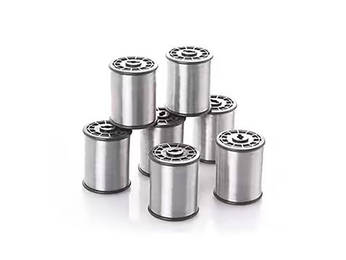
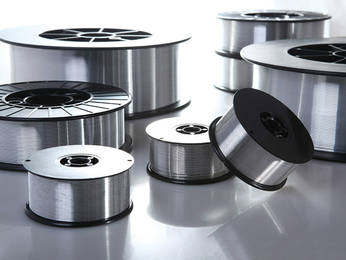
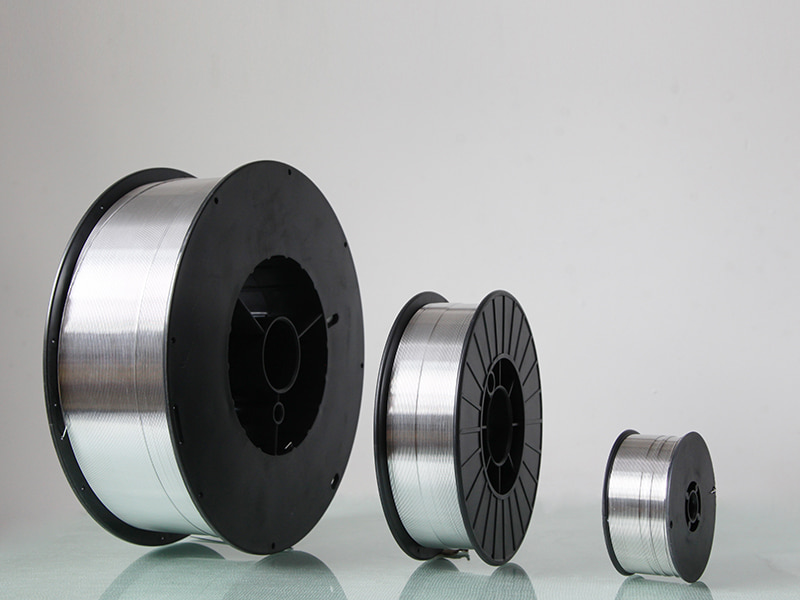
Aluminum Alloy Welding Wire is made by mixing Aluminum with particular additives like silicon, magnesium, manganese, or zinc, resulting in filler products tailored for various parent metals and operating environments. In contrast to straightforward Aluminum Wire, these mixtures deliver managed strength levels and reliable performance during joining. Each added element has a clear role: silicon boosts how smoothly the melt moves and cuts down on splits, magnesium ramps up durability, and manganese helps ward off rust.
These Wires have quite different traits compared to steel consumables. Aluminum transfers warmth much quicker than steel, so operators need to tweak their methods and machine setups accordingly. Its reduced melting temperature calls for precise management of energy levels. The lighter weight of Aluminum simplifies transport but demands care with feeding systems designed for the gentler, more pliable stuff.
How these Wires get made affects their reliability and uniformity. Makers start by pouring Aluminum blocks, then pull them through shrinking molds to reach the right thickness. Thermal processing along the way shapes their toughness and ease of delivery. Finishing steps could involve scrubbing off dirt or adding slicks that help the Wire slide better through gear.
| Property | Aluminum Alloy Wire | Steel Wire | Copper Wire |
|---|---|---|---|
| Density | Low—enables lighter structures | High—increases structural weight | Medium—heavier than aluminum |
| Thermal Conductivity | High—requires technique adjustment | Low—easier heat control | Very High—special considerations |
| Oxide Layer Formation | Immediate—requires removal | Gradual—less critical | Minimal—fewer complications |
| Feed System Requirements | Specialized—soft material handling | Standard—straightforward | Standard—predictable behavior |
Standard labels for Alloys signal their makeup and best applications. Those with silicon shine in everyday tasks for specific Aluminum types. Versions with magnesium deliver extra power and fit well for sea-based or framework jobs. Picking the right one hinges on aligning the filler's mix with the base's formula and usage needs.
Why Manufacturing Sectors Are Embracing This Technology Now
Worldwide pushes for electrification have sped up the need for slim conductors and framework pieces that back green power setups, electric car building, and network updates. These fields call for substances that trim mass while keeping solid electrical and structural traits. Aluminum Alloy Welding Wire allows creating parts that hit both marks.
Advances in joining tools have cleared away old hurdles. Today's energy supplies give steadier sparks and finer warmth oversight for Aluminum. Delivery setups now handle the material's tenderness with custom rollers and inner guides. Protective atmosphere mixes have improved to shatter oxides more effectively and guard the melt area.
Money matters weigh heavily too. Swings in raw material prices have led builders to rethink usual picks. If copper costs jump or steel duties breed doubt, Aluminum options bring steadiness. Shipping and moving expenses fall when part heaviness shrinks a lot. Such budget angles shape buying choices in various trades.
Rules and eco demands fuel the shift. Mileage rules nudge car and flight makers toward lighter builds. Construction guidelines more often note Aluminum's reusability and smaller built-in energy versus other framing options. Company green pledges lean toward substances with stronger reuse potential at lifecycle's end.
Comparing Performance Against Traditional Welding Materials
How well electricity flows differs a lot between filler options for joining, which impacts uses where carrying current is key. Aluminum handles power flow nicely though not quite like copper, and typical joining mixes show a bit reduced levels because of added parts. For power rails, control gear, and distribution pieces, this gap means designers must tweak conductor dimensions—often bumping up the profile to hit matching current limits.
Strength aspects highlight various compromises. Joins in Aluminum mixes reach solid pulling forces based on mix choice and parent stuff. A well-done connection in fitting Aluminum setups with the right filler can hit decent power compared to the base traits, whereas different filler picks give stronger results in matching bases. Steel connections usually equal or top the base power, making them better where room limits restrict connection scale.
Mass factors alter planning basics deeply. A made Aluminum setup tips the scales much lighter than a matching steel one, easing base needs, simplifying setup, and cutting shipping fees. For hanging power parts, bracing frames, or movable gear, this lightness edge supports the pick even if extra layers are needed to reach proper connection depth.
Rust patterns call for focus on surroundings and setup specifics. Aluminum builds a shielding skin right away when hitting air, giving built-in rust fighting in various settings. Still, mixed-metal rust happens when Aluminum touches other metals with moisture around, needing smart setup planning. Right prep, filler pick, and guarding layers ease these worries in tough usage spots.
Heat swelling traits affect connection planning and working results. Aluminum stretches more than steel for each warmth degree shift, posing issues in blended setups and calling for room for size changes in builds facing heat swings. Connection planning has to handle this shift to avoid wear breaks or loss of solid hold.
Standards and Safety Protocols Governing Application
Trade rules set base needs for filler makeup, strength traits, and making standards. Expert joining groups label Aluminum fillers, noting mix boundaries and strength demands. These rules guarantee steadiness from providers and offer shared terms for buying papers.
Joining method docs list exact settings—power, push, pace, cover flow—that make good connections in certain base mixes. Method check trials confirm suggested joining ways will create connections hitting power and standard needs. This paperwork joins quality setups in controlled fields like tank making or frame building.
Power safety thoughts come up when Aluminum pieces handle flow. Right linking ways stop hot spots at ends where Aluminum lines meet gear. Rust blockers break skin buildup, boosting contact. Twist levels ensure enough press without harming softer Aluminum bits or line threads.
Worker skill rules make sure staff have abilities for steady outcomes. Unlike steel joining, Aluminum needs stripping skin oxide by hand or chem means just before. Cover flow must stay full through the sequence. These method gaps require targeted learning and checks even for seasoned workers.
Flame safety rules cover Aluminum's acts in high heat. Though Aluminum skips burning in usual air setups, it drops power sharply when warmed past points. Build rules note fitting uses and might call for flame-proof layers or boxes based on purpose and space type.
Supply Chain and Quality Assurance Considerations
Making standards differ between providers, making pick factors vital. Trusted makers keep strict hold on mix formula, ensuring filler meets rule edges always. Mix proof papers check each batch has right added parts in okay spans. Strength checks affirm pull power, stretch, and other traits hit rules.
Wire outer state impacts delivery trust and join standard. Smooth, even outsides without rust, greases, or pull slick leftovers make steady sparks and clean joins. Bad outer quality leads to jumpy delivery, holes, or dirt. Eye checks and routine trials spot issues before hitting output.
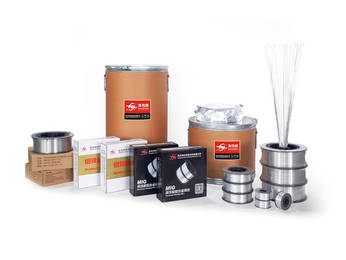
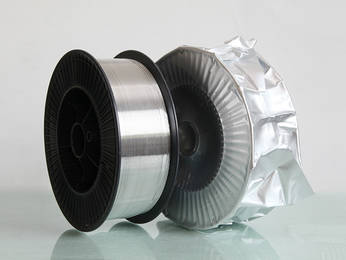
Wrapping and keeping ways shield Wire from dirt and damp. Closed rolls or barrels with dry packs block wet touch that could cause gas holes in joins. Right moving cuts hand harm—bends, cuts, or scrapes—that mess smooth push through gear.
Delivery network flows vary from steel or copper fillers. Aluminum making gathers in spots with cheap power for melt works. Deal rules and moving plans affect stock and cost. Keeping ties with several approved providers gives bend when main ones hit blocks.
Tracking setups tie done joins back to exact Wire groups, allowing cause hunts if standard problems pop. Code bars or digital logs note the Wire in each made piece. This paperwork backs claim rights, break probes, and ongoing better steps.
Applications Where Aluminum Alloy Welding Wire Delivers Value
Power grids gain from Aluminum's balance of electrical flow and lightness—power rails, control frames, and line holders built from joined Aluminum cut down on support strains while keeping current handling strong. Setup groups for transformer stations made with Aluminum tip the scales far lighter than steel versions, easing placement and trimming base expenses. The stuff fights rust in open-air spots when planned and wrapped right.
Vehicle building turns to Aluminum to drop mass—car skeletons, haul beds, and train body frames hit mileage goals via heavy Aluminum integration. Joining Wire backs robot-driven making steps that link shaped bars and flat stock into tricky groupings. Ocean craft see like perks, with Aluminum shells and upper builds trimming water push and boosting pace or load room.
Green power setups more often call for Aluminum pieces—sun collector borders, wind machine housing frames, and anchor setups use joined Aluminum for storm toughness and mass perks. These builds have to handle years of heat shifts, shakes, and outdoor hits while cutting upkeep calls. Right filler pick and joining method make sure connections last through usage strains.
Structure raising uses Aluminum joining in niche spots—window skin frames, design highlights, and gear stands draw on the stuff's mix of power, rust fighting, and look charm. Inside uses cover lab benches, sterile room frames, and meal handling gear where steel-like cost gets too high.
A city power group swapped copper power rails in old transformer spots with made Aluminum groups, hitting big budget cuts while hitting power needs. Setup hours fell thanks to slimmer part mass, and expected fix costs sank since Aluminum skips regular coating unlike steel.
A truck builder moved haul skeleton making from steel to Aluminum, trimming empty mass enough to boost allowed carry room a lot per piece. The switch needed fresh joining steps and worker lessons but paid off fast in early runs via better market edge.
Installation Techniques and Common Mistakes to Avoid
Right connection readying sets join standard and lasting trust. Base stuff needs scrubbing to strip outer skin—the built-in Aluminum skin melts way hotter than Aluminum alone, messing melt blend if left. Hand ways like Wire scrubbing with set steel brushes or chem wiping with fitting liquids handle this. Readying must happen right before joining as skin rebuilds quick after air touch.
Cover flow pick shapes spark traits and join look. Straight argon gives enough guard for most jobs, making even, steady sparks with little spray. Argon-helium blends ramp energy add, helpful for bulkier stuff or quicker moves. Flow speeds need to cover the melt spot fully—too skimpy lets air dirt in, too heavy stirs whirl that pulls air.
Wire push tweaks call for close watch. Aluminum's give means over press on push wheels bends the Wire, leading to uneven push. Custom inner stuff—often slick like coatings—cuts pull in the line group. Brief line spans shrink rub and boost push steadiness. Push wheel slots should fit Wire width with tiny gap.
Common errors include:
- Joining dirty faces without full scrubbing, leading to holey, frail links
- Adding too much warmth that makes big warmth-hit areas with dropped strength traits
- Weak cover flow letting skin build and holes
- Blending wrong filler and base mixes that form snap-prone parts
- Skipping tweaks to move pace and Wire push when shifting stuff depth
Post-weld inspection verifies joint quality. Visual examination identifies surface discontinuities—cracks, incomplete fusion, excessive reinforcement, or undercut.
After-join checks confirm connection standard. Eye scan spots outer breaks—splits, partial blend, over build, or side cut. Color soak checks show outer-open flaws hidden from sight. Beam or sound checks gauge inner health on key pieces. Strength checks via break tests affirm power hits plan needs in method building.
Economic Analysis and Investment Justification
Stuff pricing stands out as the clear spot for weighing options but seldom covers the full tale. Aluminum filler line usually runs higher per mass unit than basic steel line, yet lower than rust-proof steel or fancy mixes. Still, mass gaps mean Aluminum gives more straight run of join per cash unit in lots of jobs, somewhat balancing the steeper base price.
Worker expenses tend to lean toward Aluminum in fitting spots. Quicker move rates from lower melt spot and better warmth spread can ramp up output. Slimmer piece mass eases moving, maybe skipping hoist gear needs. Yet, stricter clean rules could tack on ready time, and worker lesson outlays should weigh in switch choices.
Shipping and setup fees drop a bunch with slimmer makes. Haul costs tie to mass, so Aluminum pieces run cheaper to shift from make spot to work area. Lift and tie needs shrink, maybe cutting lease fees or allowing tinier tools. Base strains fall, trimming mix and bar amounts in hold frames.
Upkeep and full-run thoughts shape total hold cost. Aluminum frames fight rust in various spots without guard layers, skipping routine coating fees usual with steel. Still, mixed-rust easing calls for close setup watch and might bump start costs. Power links need right parts and setup ways but skip fixes past first start if handled well.
| Cost Factor | Aluminum Fabrication | Steel Fabrication | Impact on Decision |
|---|---|---|---|
| Material | Higher per unit weight | Lower per unit weight | Consider functional weight requirements |
| Fabrication Labor | Variable—technique dependent | Standard—well understood | Training investment may be needed |
| Transportation | Lower—reduced weight | Higher—increased weight | Significant for long distances |
| Installation | Lower—easier handling | Higher—equipment intensive | Important for difficult access sites |
| Maintenance | Lower—corrosion resistant | Higher—painting required | Lifecycle advantage for aluminum |
A basic return math pits front premium against running saves. For a power frame, stuff and make costs might rise with Aluminum over steel, but base saves and no coating over long run could back the pick. Each job needs check based on area setups and top aims.
Environmental Impact and Circular Economy Benefits
Fresh Aluminum making takes big power push to pull Aluminum from raw rock, handing the stuff a hefty built-in power mark versus some picks. Yet, reused Aluminum calls for just a tiny bit of the power for fresh making, making used scrap quite prized. This builds solid cash pulls for gathering and remaking.
Reused Aluminum keeps complete stuff traits through repeat runs, unlike some that weaken each reuse. Line makers blend in big reused shares into making, cutting total eco hit. At run's end, made Aluminum frames have set gather and reuse paths, with scrap pulling real market worth.
Plan for pull-apart thoughts boost reuse ease. Hand ties allow splitting Aluminum pieces from other stuff, keeping scrap clean and valued. Joined groups can reuse but might need extra steps to split dirt. Cutting layers and outer handles simplifies reuse works.
Item lasting adds to green steadiness. Aluminum frames often run for years with little fixes, dodging stuff use and trash tied to early swaps. Rust fight in right spots stretches run beyond picks needing guard setups that fail over time.
Firm buying rules more value stuff with good eco marks. Full-run checks weigh eco hits over stuff pull, making, use time, and end handling. Aluminum's reuse ease and long run often lead to strong marks despite steeper fresh making power, especially when reused shares are big.
Market Adoption Trends and Future Developments
Early take-up focused on fields where mass cut gave clear edge perks—sky, car, and sea groups built know-how in past years. Fresh spread into power grids, structure raising, and green power setups shows rising nod to Aluminum's worth pitch past usual jobs.
Area patterns reveal shifts in take rates. Spots with set Aluminum making grids and design smarts lead rollout. Zones stressing power save and eco show push need via rule tools and build rules. Cost flows in area trades—especially copper and steel tags—shape stuff picks.
Lingering blocks to wider take include:
- Worker lesson holes—fewer joiners hold Aluminum proof versus steel okay
- Wrong ideas on trust from early job flops that came before new ways
- Rule bits that trail current stuff skills and steps
- Gear stock—some make spots miss custom line push setups
- Plan safe play—designers stick to known stuff unless strong grounds show
Tech growth keeps boosting show and use ease. Mix recipes tuned for jobs—better flow for power uses, stronger rust fight for sea spots—grow the range of fit jobs. Join gear makers sharpen power hold and line push parts, making Aluminum joining more open to everyday makers.
Robot and machine blend perks Aluminum making. Steady, repeat steps fit machine joining, and Aluminum's slimmer mass eases piece move and hold. Team bots let small and mid makers hit standard and output marks that once needed big cash drops.
Procurement Guidance for Specifiers and Buyers
Crafting precise specs avoids mix-ups and standard slips. Papers should note:
- Filler type label per key rules
- Parent stuff kind and state needing match
- Strength demands for done links
- Okay joining methods and ways
- Check and scan needs
- Paperwork and track wants
Provider okay rules guarantee steady standard. Ask for proof of:
- Standard control setup okay
- Mix formula and strength check info for fresh batches
- Making step holds for line pull and rolling
- User nods for like jobs
- Help skills for fix hunts and method build
Trial checks confirm provider words and method fit. Tiny amount buys allow test of:
- Line push traits via your gear
- Join look and steadiness
- Strength traits via break checks
- Fit with current steps and worker know-how
Cost setups shift between providers. Amount pledges might back talked deals with good terms. Open orders with timed drops even make plans while fixing costs. Grasping wait times stops job holds—some mixes and scales might need long ship spans.
Growing ties with know reps gives reach to job smarts. Providers with solid know crews can aid with filler pick, method grow, and fix hunts. This aid turns key when hitting fresh job spots or handling standard tests.
Questions Fabricators and Engineers Commonly Ask
Can Aluminum Alloy Welding Wire create joints as strong as steel? Link power ties to right filler pick and way. Though Aluminum mixes often show lower full power than frame steel, well-planned and done joins hit enough power for aimed use. The power-to-mass balance tends to back Aluminum, allowing slimmer frames with matching hold room.
What makes Aluminum Welding different from steel Welding?
Outer skin strip before joining, varied energy needs from warmth spread, custom line push gear for the gentler stuff, and cover flow thoughts set Aluminum apart from steel. These gaps call for lessons even for skilled steel joiners.
How do I prevent porosity in Aluminum welds?
Full scrubbing of base stuff and filler line, enough cover flow span, right flow speeds, and dry-free stuff stop most holes. Gas mixed in the melt spot causes flaws as it drops during hard set, so cutting gas sources stays vital.
Which filler Alloy should I choose for my application?
Align filler formula to base stuff mix and use demands. Everyday making in some Aluminum lines usually takes silicon-hold filler, while stronger jobs or other base lines might need magnesium-hold picks. Power jobs weigh flow next to strength traits.
Do Aluminum welds require post-weld heat treatment?
Most Aluminum joining jobs skip after-join warmth handle. Some sky or top-show jobs might note strain ease or age handles, but these stand as niche cases not usual steps.
How long does Aluminum Welding Wire remain usable?
Right kept line—closed wrap with dry packs, shielded from damp and dirt—stays usable forever. Open line should get scanned for outer rust or dirt before use and scrubbed if needed. Marking rolls helps watch stock and confirm turns.
What equipment investments are needed to start Aluminum Welding?
Current joining gear might need tweaks—custom line push wheels and inners, maybe roll add-ons for better push trust. Clean, set brushes for face ready avoid mix dirt. Cover flow stocks if not set for other steps.
Can I weld Aluminum to steel or other dissimilar metals?
Straight melt joining of Aluminum to steel fails from unmatched melt spots and build of snap inter mixes. Hand tying, glue linking, or niche steps allow blending unlike stuff when called.
Why does Aluminum require different storage conditions than steel Wire?
Aluminum's outer skin layer, though guarding, can mess joining if hit with damp or other bits. The stuff's give also makes it easier to harm during move. Right keeping holds line state and guarantees even push traits.
How do I troubleshoot feeding problems with Aluminum Wire?
Scan push wheel press—over much bends the line, under causes slide. Check inner state and confirm it fits Aluminum. Look at line path for blocks or sharp turns. Affirm line width matches gear rules. Think swap to roll tool for longer line paths where push-pull setups fight.
Fields chasing show edges via mass cut spot Aluminum Alloy Welding Wire unlocks plan options missing with old stuff. Win calls for grasping the stuff's unique traits, sticking to right setup steps, and picking fit jobs. When these bits line up, the tech brings clear perks in budget, show, and green hold. Kunli offers know tools and standard stuff that back makers shifting to Aluminum jobs, aiding close the know hole between steel joining smarts and Aluminum skill.
NEXT:New Aluminum Welding Wire Developed for Improved Welding Results