English
  Deutsch


Which Processes Suit ER5183 Wire: MIG, TIG or Automated?
Article Directory
- 1 Why Process Compatibility Matters for Magnesium-Rich Filler Metals
- 2 Gas Metal Arc Welding Delivers Production Speed
- 3 How Gas Tungsten Arc Methods Achieve Precision Results
- 4 Automated Systems Transform Repeatability Standards
- 5 Selecting Between Processes for Different Applications
- 6 Optimizing Parameters for Each Welding Method
- 7 Can Multiple Processes Combine for Complex Assemblies?
- 8 Addressing Common Challenges Across All Methods
- 9 Training Requirements Differ by Process Complexity
- 10 Understanding Equipment Investment Levels
- 11 Where Does ER5183 Fit Among Filler Metal Options?
- 12 Future Directions in Aluminum Welding Technology
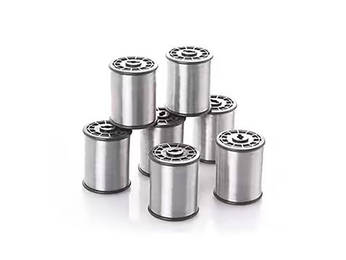
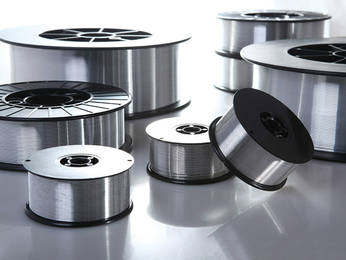
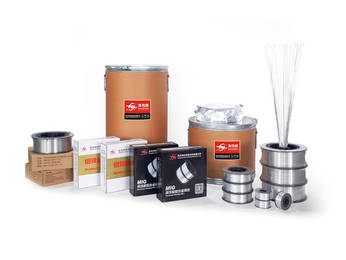
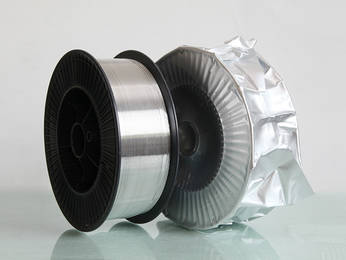
Modern fabrication demands versatility, and few materials challenge welders quite like aluminum. When selecting filler metals, understanding which processes pair effectively with Aluminum Welding Wire ER5183 changes everything about your approach to joining magnesium-rich alloys. This high-strength wire has earned its reputation across marine, automotive, and structural applications, yet many fabricators struggle to identify which welding method delivers consistent results. The relationship between filler metal chemistry and process selection determines weld integrity, production efficiency, and long-term joint performance.
Why Process Compatibility Matters for Magnesium-Rich Filler Metals
Aluminum alloys rich in magnesium respond uniquely to different heat levels and arc behaviors. ER5183, with its elevated magnesium percentage, ranks among the strongest filler wires available. This chemistry directly affects how the wire melts, spreads, and hardens in the weld pool.
Each welding process creates its own heat pattern. Short-circuit transfer produces fusion traits unlike spray transfer or alternating current arcs. The wire adjusts to these differences through changes in penetration depth, bead shape, and mechanical qualities. Fabricators who disregard these connections often face porosity, cracking, or lack of fusion, even with strong welding skills.
Cooling rates vary noticeably between processes. Gas metal arc welding cools more quickly than gas tungsten arc welding at comparable amperage. This difference influences grain formation and final tensile strength. The high magnesium in ER5183 amplifies the impact of these cooling variations, since magnesium plays a major role in solidification behavior and hot cracking risk.
Gas Metal Arc Welding Delivers Production Speed
Gas metal arc welding turns ER5183 wire into fast, efficient welds through steady feeding and controlled metal transfer. This process shines when fabricators need to join aluminum parts quickly without losing mechanical strength.
Key operational characteristics include:
- Continuous wire feeding avoids the frequent pauses of rod-based methods
- Shielding gas flows steadily around the arc to shield the molten pool from air
- Higher deposition rates finish multi-pass welds in less time
- Operators keep both hands on the gun for better control and steadiness
Spool gun setups solve aluminum wire feeding problems. Soft wire tangles easily in standard push-feed systems, causing stops. Drive rolls placed right behind the contact tip shorten the wire path and reduce resistance. This setup works especially well with thinner ER5183 wire.
Modern equipment simplifies heat management. Voltage and wire feed adjustments fine-tune arc behavior without complicated math. Shops using ER5183 often settle on settings between eighteen and twenty-four volts, adjusted for thickness and joint type.
Process advantages for production environments:
- Little pre-weld preparation compared to other methods
- Fast operator training for basic skills
- Reasonable equipment costs for smaller shops
- Multiple welders operating at once without major setups
Marine shops value this process for aluminum vessel work. Hull sections require long stretches of welding, and the speed adds up on large jobs. ER5183 strength matches the demands of saltwater exposure and dynamic loads seen offshore.
Appearance-focused jobs may need extra finishing. Gas metal arc welding on aluminum leaves somewhat rougher beads than other methods. Occasional spatter can appear even with good technique, requiring cleanup before paint or coating.
How Gas Tungsten Arc Methods Achieve Precision Results
The GTAW technique for welding aluminum relies heavily on hands-on operation. Welders grip a durable tungsten electrode in one hand and supply ER5183 filler material with the other, forming strong bonds via careful handling of these components. This coordinated effort calls for extensive training yet offers unmatched precision in regulating temperature and material flow.
AC power is vital for aluminum work since it delivers oxide removal alongside sufficient warmth. In the positive electrode phase of the cycle, contaminants on the surface are stripped away to reveal pristine metal underneath. The negative phase supplies the energy needed for fusion. Today's equipment enables fine-tuning of this equilibrium via settings for cycle rate and signal shape.
Technical considerations for GTAW with ER5183:
- Tungsten tip size impacts power handling and arc consistency
- Shielding gas cleanliness has a greater effect on outcomes compared to steel welding
- Minor changes in arc distance, just millimeters apart, alter depth and bonding quality
- Wire thickness choice is based on workpiece gauge and electrical settings
GTAW produces visually appealing joints that suit exposed installations. Clean, consistent deposits with hardly any splatter need minimal cleanup. Structures like balustrades, building accents, and everyday items gain from this polished look. ER5183 maintains its durability while delivering top-tier appearance.
Adaptability in various orientations adds to its strengths. Welding upside down or sideways is feasible as the user separates material feeding from energy control. Unlike GMAW, where liquid metal constantly shifts due to weight, GTAW allows for gradual addition of small filler portions, constructing the connection step by step without gravitational interference.
Applications where precision justifies slower speeds include:
- Aviation parts needing certified techniques and inspections
- Tank construction under rigorous regulations
- Fixes on valuable machinery where errors are expensive
- Initial layering that requires full merging
GTAW refines management of the area influenced by heat. Users can halt material input while keeping the arc active, letting excess warmth spread out prior to resuming. This helps limit warping in slender pieces and avoids piercing sensitive structures. The magnesium element in ER5183 heightens risk of fractures with quick temperature drops, making regulated energy application advantageous.
Setup expenses vary greatly from GMAW setups. Machinery prices stay reasonable, but building welder expertise takes considerable effort. Mastery develops over extended periods, especially for tricky shapes and awkward angles. Facilities need to evaluate excellence needs versus output goals in method selection.
Automated Systems Transform Repeatability Standards
The addition of robots to welding setups has completely changed how manufacturers handle aluminum connections. These programmed machines perform the same welds over and over, removing variations caused by human operators in factory settings. Once set up correctly for ER5183 wire, they reach levels of excellence that are tough to sustain with hands-on work. GMAW and GTAW can both be adapted to robotic use, but the setup needs vary. Gas metal arc approaches shift more easily to automation since the ongoing wire supply fits well with machine control. The robot oversees the torch location, movement rate, and arc span, while the power unit takes care of the electrical side. This split in duties ensures steady conditions for laying down ER5183 filler. Planning the programs goes further than just mapping routes. Angles of the torch, gaps to the work, and entry tactics all play into the end result quality. Designers have to consider aluminum's quick heat spread when crafting routines—warmth moves fast through the base, calling for tweaks in settings as the piece heats up over multiple layers.
Robotic welding capabilities with ER5183 include:
- Steady movement paces that avoid tiredness-related issues
- Exact torch placement down to tiny measurements
- Coordinated efforts from several robots on big builds
- Instant tracking of power details and any shifts
The car industry has fully adopted automated aluminum welding. Car frames now use more aluminum parts to cut down weight, and ER5183 gives the toughness needed for vital safety links. Machines handle these joints in regulated spaces where consistency directly affects impact resistance and overall solidity. Smart adaptive setups mark the cutting edge of machine welding tech. Detectors watch arc traits, spotting changes that signal setting slips or part wear. Adjustment circuits tweak power levels, current, or speed on their own, keeping quality steady without needing people. These features are especially useful for ER5183 uses where the magnesium makes the wire a bit touchy to alterations.
Economic factors influencing automation decisions:
- Starting funds outlay is much higher than for manual gear
- Time for coding and preparation spreads out over output amounts
- Adaptability for tiny lots stays restricted versus hands-on ways
- Upkeep covers both hardware and programming sides
Tracking quality turns simple with machine systems. Each weld detail is logged, building records that meet tough oversight rules. When rules call for evidence of steady methods, automated welding using ER5183 supplies proof that manual work can't provide. Setup hurdles deserve attention. Holding fixtures need to place items reliably, and earlier steps must supply parts with narrow allowances. Changes in joint readying that expert hand welders handle on the fly can trip up machine operations. The whole assembly line needs fine-tuning for robotic welding to succeed.
Selecting Between Processes for Different Applications
Base thickness greatly sways which method to pick. Slim aluminum panels, typical in building and transit uses, work nicely with pulsed GMAW or accurate GTAW styles. ER5183 wire runs well in finer sizes fit for thin stock, and its magnesium boosts strength even with smaller bonds.
| Material Thickness | Primary Process Choice | Secondary Option | Key Consideration |
|---|---|---|---|
| Under 3 mm | GTAW with manual control | Pulsed GMAW | Heat control prevents burn-through |
| 3 mm to 6 mm | GMAW spray transfer | GTAW for quality | Balance speed with appearance |
| 6 mm to 12 mm | GMAW with multiple passes | Robotic GMAW | Deposition rate drives decision |
| Over 12 mm | GMAW with preheating | Automated multi-pass | Heat input management is critical |
Entry to the joint decides if a method works. Tight spots or tricky shapes might block robot reach, pushing for manual handling. GTAW allows more wiggle room in cramped areas as the torch stays small and the welder can add filler from different directions. GMAW tools take up extra room, and wire mechanisms add size that hinders movement. Output quantity math shows which approach cuts per-item costs. Machine prep time divides among all units in a batch. For lots over a few hundred, automation usually pays off despite bigger upfront spend. Short runs or unique builds lean toward manual GMAW or GTAW where prep wraps up fast instead of dragging on. Excellence rules set by final uses must be considered. Tanks under pressure, flight builds, and health gear require logged steps, worker certification, and strict checks. GTAW often qualifies more simply due to its built-in oversight strengths. ER5183 traits satisfy most toughness needs across all method types when routines are built right.
Optimizing Parameters for Each Welding Method
For gas metal arc work using ER5183, several linked factors need careful handling. The rate of wire delivery and electrical pressure share a connection that shapes how metal moves across the arc. Excessive pressure paired with slow wire movement leads to too much depth and possible holes in the material. Low pressure with quick wire supply causes jamming and uneven bonding.
GMAW parameter development follows this sequence:
- Determine the base stock depth and connection layout
- Pick the right wire thickness for the task
- Consult maker guidelines for initial setups
- Run sample joints with planned changes in variables
- Assess the deposit look, depth achieved, and strength traits
- Record the settled method for shop floor use
Choosing the protective atmosphere impacts arc steadiness and joint excellence. Straight argon suffices for slimmer pieces, whereas adding helium boosts depth on heavier ones. Helium's superior heat transfer pushes more warmth into the foundation, offsetting aluminum's fast heat loss. Blends with mostly argon and some helium offer even results for ER5183 tasks over different depths. Gas tungsten arc welding calls for distinct tuning tactics. Current choice hinges mainly on stock depth, with basic rules linking power to thickness. Yet ER5183's magnesium allows a touch more warmth than with unalloyed aluminum or less mixed fillers. The extra toughness offsets slight structural changes in the warmed area.
GTAW technique refinements include:
- Holding steady arc span via trained grip placement
- Timing material input with torch motion for even deposit size
- Employing pedal current adjustment for on-the-fly heat shifts
- Applying suitable torch tilts for diverse connection setups
Cycle rate options on current AC units shape oxide removal and arc firmness. Faster rates form a tighter arc shape, aiding handling in narrow spots. Slower rates widen the arc, helping broader connection preps. Many shops using ER5183 get good outcomes in a common mid-range, but unique cases might need shifts beyond that.
Machine-driven method tuning depends a lot on organized trials and info review. Designers build grids of variables testing movement pace, wire rate, pressure, and torch tilt mixes. Math-based tools pinpoint which elements most sway joint quality measures. This thorough path guarantees that factory joints with ER5183 steadily hit all strength and appearance goals. Joint method outlines lock in these tuned variables in written records. Approved outlines detail precise machine setups, filler type, cover gas mix, and handling rules. Operators have to stick to these outlines exactly to uphold excellence levels, especially in regulated fields where changes demand official updates and fresh approvals.
Can Multiple Processes Combine for Complex Assemblies?
Mixed techniques draw on the best features of various welding styles. A typical tactic uses GTAW for the first layer, where full depth and clean merging are essential. Later layers for building up and finishing switch to GMAW to boost output speed. This blend offers both superior results and quicker work, especially on hefty aluminum builds.
ER5183 material handles both stages effectively. The initial layer sets up solid bonding with low chance of flaws, and its magnesium boost ensures good toughness. Build-up layers added via gas metal arc build the connection bulk fast without weakening overall traits. The top layer might go back to GTAW if looks call for even, tidy lines.
Builders tackling big projects more often turn to this blended tactic. Marine yards putting together aluminum boats handle long stretches of joints each day. Starting layer excellence secures the framework's soundness, while build-up speed keeps timelines on track. The minor extra hassle of juggling two styles pays off when job size multiplies the time savings.
Gear needs grow for blended setups. Facilities require GMAW and GTAW units, plus related tools and supplies. Operators have to stay sharp in both styles, calling for regular practice and growth. Still, the option to pick fitting styles for certain connections often makes the outlay worthwhile.
Situations where process combination proves valuable:
- Heavy gauge joining that needs several layers to pack the connection fully
- Shift areas where finish rules vary partway through the build
- Fix jobs where base flaws require cutting out and redoing
- Rule demands that set particular styles for varied joint parts
Certain current units handle both GMAW and GTAW in one machine. These setups ease the blended style by keeping steady power traits through style switches. Workers flip between approaches with easy tweaks instead of full gear swaps. For operations focused on ER5183 aluminum work, such adaptable machines cut spending needs while boosting workflow options.
Addressing Common Challenges Across All Methods
Air pockets stand as the main flaw seen in aluminum joining with any style. Water-based pollution triggers most air pocket problems—dampness on the foundation stock, tainted filler, or poor cover gas spread all bring in gases to the liquid area. ER5183's magnesium mix makes it a little less prone than plain aluminum, yet stopping air pockets still needs steady care.
Stopping air pockets calls for thorough focus on tidiness. Foundation prep clears away films, greases, and other top-layer dirt that cause issues. Metal brushes kept just for aluminum offer scraping without mixing in other metal bits. Liquid cleaners wipe out greases that break down in the heat, freeing gases.
Flaw avoidance guide that fits all styles:
- Check filler storage to keep dampness away
- Ensure cover gas cleanness hits basic levels
- Look over foundation for layers or top treatments to strip off
- Examine machine parts for breakdown or harm hitting gas spread
- Confirm right gas stream speeds for chosen style and connection shape
Material delivery snags trouble GMAW setups in particular. Aluminum's yielding quality lets push wheels mash the wire if force goes too high. On the flip side, too little force leads to skids and jumpy delivery. Hitting the sweet spot takes know-how and sticking to maker tips for wire sizes.
Arc wobbles can hit both GMAW and GTAW styles. Dirty tungsten tips cause hassles in gas tungsten arc work, needing regular sharpening to fix shape and top cleanness. Gas metal arc wobbles often link to power link issues—weak ground hold or hurt torch lines raise drag, throwing off the arc.
Shape control turns extra tough with aluminum due to its strong heat growth rate. Stock swells a lot when hot, then shrinks when cooling. This swell-shrink loop builds tensions that twist builds if not handled right. ER5183 joints have enough toughness to fight these tensions, but heading off shape shifts beats fixing them post-joining.
Training Requirements Differ by Process Complexity
Gas metal arc welding using ER5183 material allows for fairly quick attainment of fundamental skills. The ongoing nature of the method asks welders to hold consistent torch positions and movement rates without the extra task of hand-adding filler. Many shops see workers producing decent flat-position joints after just a short period of steady hands-on time. Tackling angled spots and tricky connections takes more effort but stays within reach for eager students.
Gas tungsten arc skills build up at a slower pace. Syncing separate hand actions while keeping an eye on the liquid pool and holding the right arc gap tests beginners heavily. GTAW has a broader range for mastery—the gap between average and top-tier users stands out in the final joint excellence. Instruction courses usually take an extended stretch before operators manage shop tasks on their own.
Skill development considerations:
- Physical agility and visual-motor sync affect how fast one picks it up
- Background in other welding types carries over somewhat
- Excellence benchmarks for particular tasks set the bar for good enough skills
- Regular hands-on keeps abilities sharp and growing over years
Running automated setups calls for a separate set of know-how. Coders and technical specialists craft routines instead of doing the joining by hand. Grasping how setup choices shape outcomes stays key, yet actual welding dexterity matters less. Instruction stresses coding basics, machine path syncing, and logical fix-finding methods.
Teaching workers multiple styles adds shop adaptability. Those versed in GMAW and GTAW can pick the best fit for each case rather than squeezing everything into one approach. This range helps a lot in varied work settings where jobs change often. ER5183 handles both styles nicely, making stock management easier for versatile staff.
Understanding Equipment Investment Levels
Basic GMAW gear fit for aluminum tasks with ER5183 comes at a sensible cost. Units offering enough power spread, solid material delivery, and core adjustments begin at affordable levels. Compact operations and solo users can start aluminum joining without huge spending barriers. Including push-pull attachments raises the outlay a bit but greatly boosts delivery steadiness.
Gas tungsten arc units cover a bigger cost spread based on feature depth. Simple heavy-duty models deliver steady work for basic needs. Cutting-edge lightweight designs bring pulsing options, tweakable patterns, and exact power handling—traits that earn their steeper price through better joint results and wider method reach. Groups handling vital work often see these extras as must-haves for steady ER5183 outcomes.
Machine-driven setups mean big spending pledges. Full stations with arms, turners, holders, and guards demand major funds prior to any joining. Firms have to weigh output scales, piece intricacy, and excellence demands closely to back these costs. Yet the edge from machine welding—uniformity, duplication, and records—frequently tips the scale for outfits in tough fields.
Full expense thoughts go past starting buys:
- Supply costs like nozzle ends, tungsten tips, and cover flows
- Upkeep needs for delivery setups and machine parts
- Instruction expenses to grow and hold team abilities
- Space changes for electricity, air flow, and machine fitting
Second-hand markets give choices for budget-minded shoppers. Older units might miss fresh tweaks but can still make solid joints if cared for well. Checking pre-owned gear needs savvy to judge state and leftover use. For growing firms adding extras or spares, good used pieces bring savings. Fresh startups gain from modern tools and maker backing even with higher startup fees.
Where Does ER5183 Fit Among Filler Metal Options?
Grasping ER5183's spot in the wider aluminum filler range aids shops in smart picks. The magnesium-focused five-group alloys bring greater toughness than silicon-based four-group ones. This power edge suits ER5183 for build tasks where traits tie straight to security and function.
Fracture tendency marks a downside with stronger fillers. Magnesium-heavy mixes can crack under heat in some setups—quick chill paces, strong holds, or wrong routine crafting might spark issues. Right handling and method building cut these dangers well, but shops need to stay alert to the risks. Four-group fillers show better fracture fight but give lesser power traits.
| Filler Metal | Primary Alloy | Relative Strength | Crack Resistance | Common Applications |
|---|---|---|---|---|
| ER4043 | Aluminum–Silicon | Moderate | Excellent | General fabrication, repairs |
| ER5356 | Aluminum–Magnesium | High | Good | Marine, structural |
| ER5183 | Aluminum–Magnesium | Higher | Moderate | Thick sections, high-strength |
| ER5556 | Aluminum–Magnesium | Highest | Lower | Specialized structural |
Foundation match sways filler choices. ER5183 links five-group and six-group aluminum nicely, offering traits that match or beat base features. The magnesium level aligns well with five-group foundations, easing blend worries and simplifying routine setup. Six-group mixes with magnesium and silicon also work okay with ER5183, though some shops like blended silicon-magnesium fillers for those pairs.
Usage setting factors shape filler decisions. Water-based spots put joints against harsh salt settings where magnesium mixes perform well. Aluminum's built-in surface shield fights rust, and magnesium boosts this guard. ER5183 has gained nods in boat making and sea-based fields due to these rust-fighting traits.
Coating and end-finish needs might affect picks. Certain top treatments react variably to different aluminum mixes. Coated areas can display shade shifts between base and joint if makeups vary a lot. For look-vital tasks needing coatings, trying finish steps with ER5183 joints confirms good outcomes before big batch commitments.
Future Directions in Aluminum Welding Technology
Pulsed techniques keep improving in GMAW and GTAW setups. Advanced signal shaping lets users fine-tune warmth delivery and material shift traits exactly. These options help ER5183 tasks by offering finer warmth handling on slim stock and better depth oversight on bulky parts. With ongoing upgrades in power units, this filler's wide method fit should grow even more.
Tech linking reshapes joining work via info gathering and review. Current units link without wires to oversight setups, sending all joint details on their own. This data supports excellence tracking, spots setting shifts ahead of flaws, and logs output for tracking needs. Shops applying ER5183 in machine-driven lines get unmatched insight into method running and excellence patterns.
Smart systems start shaping joining tasks. Learning routines check detector info as it happens, tweaking settings to hold aimed excellence marks without help. These setups handle changes quicker than people notice, likely cutting flaw counts and widening workable ranges. As such tools advance, they'll aid aluminum joining especially, where method touchiness calls for sharp oversight.
Instruction approaches change with simulated and overlaid reality tools. Fresh operators can rehearse torch handling and styles without using up supplies or machine hours. Though real joining abilities still need direct practice, these aids speed up starting stages. Groups teaching staff for ER5183 joining over various styles will see lower instruction spending and quicker ability growth.
Eco-friendly factors remake joining tasks. Power savings in units trim running fees while aiding green aims. Cover flow oversight cuts loss via exact stream handling and seep spotting. As fields stress green making, joining styles using ER5183 will shift to hit growing calls for supply saving and eco effects.
The core match between ER5183 aluminum filler and diverse joining styles gives builders striking options. Be it chasing output via gas metal arc ways, hitting accuracy with gas tungsten arc skills, or seeking uniformity through machines, this adaptable filler brings steady results. Wins come down to linking method strengths to task needs while upholding right handling and excellence checks across shop runs.
NEXT:ER4047 Welding Wire vs. ER4043: When Should You Prioritize High Silicon Content for Aluminum Brazing?