English
  Deutsch


Key Factors to Consider When Choosing Aluminum Alloy Welding Wire
Article Directory
- 1 What is Aluminum Alloy Welding Wire?
- 2 Alloy Classifications
- 3 Understanding Base Metal Characteristics Shapes Wire Selection
- 4 How Does Alloy Chemistry Influence Weld Performance?
- 5 Wire Diameter Selection Impacts Productivity and Quality
- 6 Process Compatibility Determines Wire Characteristics
- 7 Surface Condition Requirements Cannot Be Overlooked
- 8 What Mechanical Property Requirements Drive Selection?
- 9 Industry-Specific Applications Guide Appropriate Choices
- 10 Economic Considerations Balance Cost Against Performance
- 11 Quality Standards Ensure Consistent Manufacturing
- 12 Avoiding Common Selection Errors Improves Results
- 13 How Do Environmental Factors Influence Wire Performance?
- 14 Post-Weld Treatment Considerations Affect Selection
- 15 Specialized Applications Demand Unique Considerations
- 16 Wire Packaging and Form Factor Options
- 17 Training and Expertise Enhance Selection Success
- 18 Testing and Validation Confirm Appropriate Selection
- 19 Sustainability Perspectives Shape Modern Selection
Skilled welders and fabricators know that the key to strong Aluminum welds starts well before the arc is ignited. When working with suppliers of Aluminum Alloy Welding Wire , seasoned experts prioritize choosing the right filler material, as it forms the basis for the entire joint. The selected wire directly affects the weld's strength, resistance to corrosion, visual finish, and long-term durability—impacts that go far beyond the welding moment itself. In today's precision-driven manufacturing environment, attention to these details in material selection is what distinguishes solid, reliable work from truly outstanding results.
What is Aluminum Alloy Welding Wire?
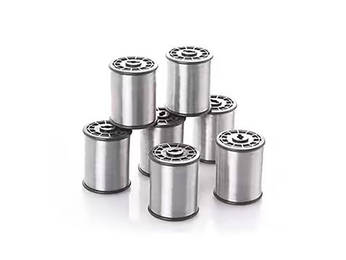
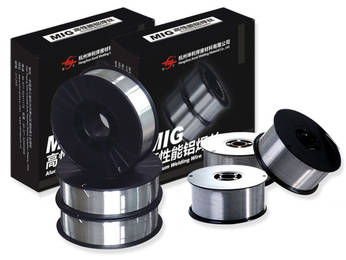
Aluminum welding wire functions as a filler designed to unite Aluminum sections and associated alloys across various welding methods. It provides the supplementary metal that melts and integrates with the components under work, establishing firm, lasting attachments in assembled products.
Basic Composition and Purpose
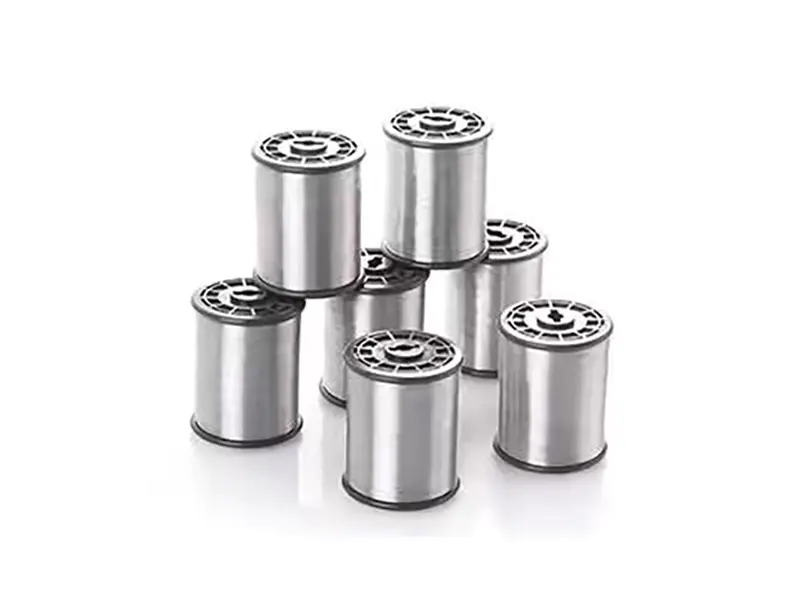
Fundamental properties consist of a solid wire crafted from Aluminum incorporating targeted additions to refine its behavior. The wire liquefies in operation to occupy the join, with its composition tailored to correspond effectively with the primary materials. It appears in diverse thicknesses, spanning slender options for detailed tasks to sturdier ones for robust undertakings. The blend prioritizes consistent robustness, defense from deterioration, and reliable performance during welding.
Within arc-based systems, the wire transmits the electrical charge while transforming into the substance of the final bond. Aluminum wires necessitate greater vigilance relative to steel varieties, given the metal's swift heat conduction, diminished melting threshold, and inclination to generate a surface film that may impede proceedings. This wire enjoys broad employment in prominent welding practices.
Primary Welding Applications
Aluminum Alloy Welding Wire finds use across multiple welding processes:
Gas Metal Arc Welding (MIG/GMAW):
- Wire progresses uninterrupted through the handheld device.
- Protective gas envelops the active region.
- It facilitates brisk metal accumulation, promoting streamlined operations in production areas.
- It integrates smoothly with operator-guided and mechanized arrangements.
Gas Tungsten Arc Welding (TIG/GTAW):
- Filler takes the form of rods inserted manually.
- It affords meticulous oversight for superior, refined results.
- It finds frequent favor in aviation assemblies and refined manufacturing.
- It ensures thorough command of thermal delivery and the bond's aesthetic finish.
Alloy Classifications
Aluminum welding wires are classified into series based on their primary alloying elements:
| Wire Series | Primary Alloying Elements | Common Applications |
|---|---|---|
| 1XXX | Pure Aluminum | Electrical conductors, chemical equipment |
| 4XXX | Silicon | General purpose fabrication, thin materials |
| 5XXX | Magnesium | Marine structures, architectural components |
| 2XXX | Copper | Aerospace applications, high-strength requirements |
| 6XXX | Magnesium and Silicon | Structural extrusions, automotive parts |
Key Performance Characteristics
Mechanical properties provided by the wire:
- Pull resistance that sets how much weight the connection can support
- Flexibility that lets the seam bend without breaking
- Firmness that influences resistance to scratching and ease of further shaping
- Endurance against repeated stress in parts that face ongoing cycles
Chemical properties affecting performance:
- Protection against rusting in air or water settings
- Interaction with the main materials during joining
- Tendency toward cracks while cooling and hardening
- Reaction to heating treatments after welding
Manufacturing Process
Aluminum Alloy Welding Wire production involves several steps:
- Pure Aluminum and added elements are melted in careful amounts
- The liquid blend is poured into shapes ready for further work
- Warm and cool pulling reduces the metal to the needed thickness
- Surface coatings may be added to limit surface darkening
- Checks ensure the blend and strength meet standards
- Finished wire is rolled onto holders with safeguarding wraps
The production must keep close control over thickness, evenness, and outer condition. Small differences can upset smooth feeding and final connection quality, so accurate making remains vital for steady results.
Physical Form and Packaging
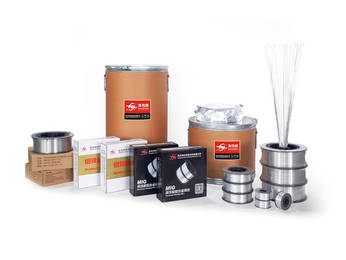
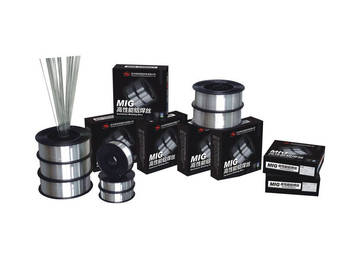
Available configurations include:
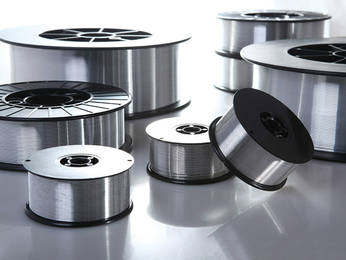
- Compact holders with shorter lengths for occasional or on-site tasks
- Bigger rolls carrying longer amounts for ongoing workshop use
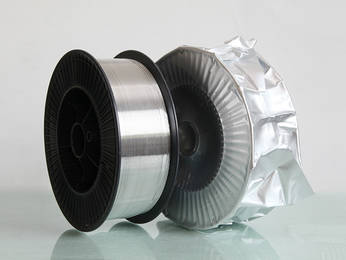
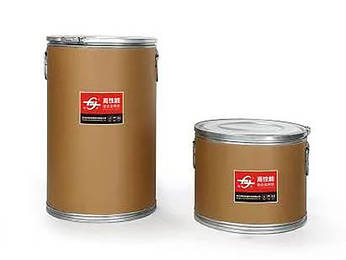
- Sealed wraps that block dampness and air exposure
- Paper or plastic bases suited to keeping and moving needs
- Roll amounts fitted to particular machine setups
Suitable packing keeps the wire in good condition from the factory through shipping and holding until actual application. Barriers against humidity and drying agents help stop surface changes that could harm the finished seam.
Why Specialized Aluminum Wire Matters
Aluminum welding wire differs from steel wire in that it cannot be made from just any Aluminum shaped into a wire form. Its alloy blend must be precisely developed to:
- Offer sufficient flow for even weld pool creation
- Prevent cracks during cooling and hardening
- Align with the base material's expansion under heat
- Supply needed strength and toughness in the completed seam
- Support steady arc behavior throughout the process
Selecting an unsuitable filler metal may result in issues such as low joint strength, porosity, cracking, or decreased corrosion resistance, even when the welding procedure is correctly applied. The choice of wire strongly affects both the initial connection quality and its lasting reliability in use.
Storage and Handling Requirements
The responsive nature of Aluminum calls for thoughtful care:
- Keeping in dry areas to avoid taking in dampness
- Shielding from grease, coolants, or other substances
- Preventing bends or marks that disrupt smooth feeding
- Prioritize using older inventory to minimize the effects of aging
- Checking the surface before starting to ensure it remains suitable
While steel wire can handle light surface rust without issue, any darkening on Aluminum wire harms the final result. This layer builds quickly in contact with air and humidity, so correct storage plays a key role in keeping the wire ready for welding.
Selection Considerations
Picking suitable Aluminum welding wire involves reviewing:
- Type and group of the main material alloy
- Desired strength traits in the finished connection
- Surroundings the assembled part will face
- Welding method and tools in play
- Output needs such as speed and workflow
- Cost aspects weighed against overall expenses
Experienced welders and designers weigh these elements together instead of relying on one alone. The overlap among various needs often points to balanced options that satisfactorily address several goals.
Understanding Base Metal Characteristics Shapes Wire Selection
The main material being welded sets the basic needs for matching filler metals. Aluminum Alloys belong to separate series groups, each showing distinct metal behavior that reacts in its own way to welding warmth and later cooling.
Key considerations for base metal evaluation include:
- Worked alloys across the one thousand to seven thousand groups each bring particular hurdles and advantages in building, calling for close notice of their unique traits
- Cast alloys add further aspects tied to internal gaps, heat expansion, and hardening patterns that vary noticeably from worked types
- Alloys that gain strength from heat treatments need special focus on filler blend to keep robustness in the zone near the weld affected by heat
- Alloys without heat treatment allow more room in filler picks yet require knowledge of how welding changes inner structure and strength features
- Silicon levels in the main material affect flow during melting and influence crack tendency as the liquid metal sets
Differences in base metal thickness also direct choices of wire thickness and adjustments in welding approach. Slim materials call for tight warmth management and often work better with narrower wires that aid finer energy handling. Thicker parts need suitable metal addition speeds and stronger reach that wider wires can deliver more smoothly. Knowledge of the interaction between material thickness and filler wire choice supports the welder in balancing fusion quality with heat management, reducing the risk of warping or excessive penetration in thin sections.
How Does Alloy Chemistry Influence Weld Performance?
The chemical makeup decides how filler metal acts while welding and how completed seams hold up in actual use. Each added element brings certain qualities that should fit the job needs.
Silicon additions serve multiple functions:
- Improved fluidity and wetting action aid in achieving a more defined and consistent weld bead shape.
- Lower the chance of cracks during hardening
- Create easier welding behavior over different settings
- Can reduce strength in some uses when levels rise
Magnesium contributions include:
- Notable strength building in Aluminum connections
- Greater pull and yield resistance in alloys with more magnesium
- Higher risk of cracks while setting if not handled well
- Better safeguarding against rust in sea or open-air settings
Copper additions improve strength and ease of shaping but lessen rust protection and raise crack risk during cooling. Jobs needing strong rust resistance usually skip copper-containing fillers. Manganese and chromium shape grain patterns and regrowth behavior, affecting strength traits and reaction to heating after welding. The balance among these elements forms the overall behavior that either suits or clashes with particular job demands.
| Alloying Element | Primary Effects | Typical Applications |
|---|---|---|
| Silicon | Improves fluidity, reduces cracking | General fabrication, thin materials |
| Magnesium | Increases strength, enhances corrosion resistance | Structural components, marine environments |
| Copper | Boosts strength, improves machinability | Aerospace, high-stress applications |
| Manganese | Refines grain structure, increases strength | Architectural components, pressure vessels |
| Zinc | Enhances strength in specific combinations | Specialized structural applications |
Wire Diameter Selection Impacts Productivity and Quality
The physical thickness of the wire influences several parts of welding work beyond just the speed of metal addition. The connection between thickness and material behavior creates interdependencies that must be balanced during the design and fabrication process.
Smaller diameter wires provide:
- Higher metal placement on heavier sections where speed counts
- Cost benefits in ongoing production when the main material allows their use
- Faster overall metal buildup that shortens welding time
- Possible feeding issues from added rigidity that call for machine tweaks
Larger diameter wires offer:
- Higher metal placement on heavier sections where speed counts
- Cost benefits in ongoing production when the main material allows their use
- Faster overall metal buildup that shortens welding time
- Possible feeding issues from added rigidity that call for machine tweaks
Feeding setup matching warrants notice when picking wire. Push-pull torch systems manage longer runs and softer Aluminum wire more steadily than simple push types. Wire evenness and outer finish affect steady delivery, especially through extended conduits. Manufacturers who maintain tight thickness tolerances can reduce wire feeding issues and support arc stability. This contributes to consistent conditions that favor both surface quality and process efficiency.
Process Compatibility Determines Wire Characteristics
Various welding methods place particular demands on filler properties. Knowing these method-related needs helps ensure the wire aids rather than hampers the selected approach.
Gas metal arc welding considerations:
- Wires built for steady arc behavior over changing current levels
- Reliable action during electrical warming while keeping suitable melt speeds
- Outer traits that encourage smooth passage through tips
- Blends that limit splatter and favor even metal shift
Pulsed welding requirements:
- Wires that react steadily to quick current shifts between high and low stages
- Heat capacity and resistance qualities that allow useful pulse guidance
- Makeup that works dependably under different pulse settings
- Capacity to hold arc firmness during current changes
Gas tungsten arc welding employs filler rods instead of ongoing wire feed, yet similar blend matching rules apply. Rod evenness, surface cleanness, and size steadiness influence ease of addition and seam quality. The welder controls filler input by hand, making rod handling features key for speed and visual outcome. Rods should stay straight in storage and resist bending in use to permit fluid, uniform entry into the molten area.
Surface Condition Requirements Cannot Be Overlooked
Aluminum readily builds an oxide coating that melts at much higher warmth than the main metal. This coating can disrupt proper blending and bring in flaws if not handled well.
Critical surface quality factors include:
- Production steps that reduce darkening and dirt during making
- Keeping conditions that strongly influence surface over time
- Dampness at the interface promotes oxide growth and can introduce hydrogen, potentially causing porosity
- Suitable wrapping in damp-blocking materials with drying agents to guard wire condition
- Pulling compounds and making leftovers that may cause seam bubbles
Reputable wire producers apply surface steps in making that form guarding layers to slow decline. Wire keeping requires care for surrounding factors, with humidity management standing out for preserving surface soundness. Certain demanding jobs call for wire wiping right before welding to secure fully clean surfaces, adding stages yet ensuring absence of built-up dirt that could affect seam reliability.
What Mechanical Property Requirements Drive Selection?
Use conditions establish the needed levels of strength, bendability, and resilience for welded structures. Picking the filler metal shapes the traits of the weld itself and impacts the features of the surrounding heat-affected region.
Property considerations vary by application:
- Constant load uses often focus mainly on overall pull strength
- Shifting or sudden load situations require suitable bendability and resilience to limit crack growth
- Traits right after welding differ from those following heat treatment in alloys that benefit from such steps
- Some fillers keep fair strength in the as-welded state but handle later heat processing poorly
- Others trade off immediate strength to obtain improved results after suitable warming treatments
| Property | As-Welded Condition | After Heat Treatment |
|---|---|---|
| Tensile Strength | Moderate to high depending on alloy | Variable response by filler type |
| Yield Strength | Lower than parent metal typically | May approach parent metal values |
| Elongation | Needs of many standard use cases | Can improve with proper treatment |
| Hardness | Varies with composition | Controllable through treatment parameters |
Endurance against repeated loading matters in parts facing cycles. The inner structure and leftover stress in seams influence crack starting and spreading under ongoing loads. Particular filler blends form weld structures better suited to slow fatigue crack advance, making them better for items that encounter vibration, temperature shifts, or mechanical cycles over their working life.
Industry-Specific Applications Guide Appropriate Choices
Transport areas like automotive, rail, and marine building each set distinct needs for welded Aluminum parts. Grasping these specific demands assists in narrowing wire options to those that align with industry norms.
Automotive and rail applications prioritize:
- Strength relative to weight balanced with safety during impacts
- Lasting behavior under diverse surroundings including road salts and factory air
- Reliable seam quality that aids machine-led production
- Reasonable costs that support competitive building
Marine fabrication demands:
- Strong rust protection in saltwater settings
- Weld structures that withstand cracking under stress
- Strength features preserved through warmth changes and damp contact
- Steady framework over extended time without marked decline
Architectural and construction projects emphasize visual appeal, weather safeguarding, and enduring support. Exposed seams should retain a good look across years outside. Shade alignment after surface finishes can affect filler choice for building elements where appearance holds similar importance to structural behavior. Machinery for food and medicine handling requires seam quality that avoids narrow-gap rust and keeps clean states through even weld shapes without hollows or extra buildup.
Economic Considerations Balance Cost Against Performance
Material price forms only part of overall welding costs. Assessing wire choice calls for a full cost review that goes beyond basic purchase comparisons.
True economic factors include:
- Higher-priced fillers that can lower total expenses through better workflow despite the initial cost
- Fewer flaws that cut rework and waste spending
- Longer working life that reduces replacement and upkeep over the product's span
- Metal placement efficiency that determines how much bought wire turns into useful seam rather than loss
- Steady feeding traits that limit stops for fixes and changes
Supply readiness and chain steadiness count for ongoing operations that cannot handle shortages. Choosing standard alloys over those with constrained availability supports more consistent material supply and reduces associated procurement risks. Yet, special alloys may bring performance gains that support their use despite supply factors, especially when better traits allow design improvements or skip expensive after-weld steps.
Quality Standards Ensure Consistent Manufacturing
Industry rules set base needs for chemical makeup, strength traits, and making quality. These rules offer shared benchmarks that aid exchange between makers and users.
Standardization benefits include:
- Test and certification records showing particular wire batches meet the rules
- Chemical checks confirming blend stays within allowed limits
- Strength testing proving pull and bend values
- Size checks ensuring even thickness and surface condition
Tracking systems follow wire from making through delivery to final users. Batch marking allows checks if issues appear and helps recalls when needed. Full records supply proof of rule following for quality reviews and certifications, building responsibility across the supply chain that guards both producers and users from poor materials.
Avoiding Common Selection Errors Improves Results
Mismatched alloy pairings stand as common errors that harm seam quality. Knowing usual pitfalls helps builders steer clear of these expensive repeats.
Common mistakes include:
- A mismatched filler metal can produce weak welds due to poor metallurgical compatibility
- Greater crack risk from differing heat expansion rates
- Reduced rust protection from uneven alloy pairing
- Missing storage and handling needs that let wire condition worsen
- Broken wrapping that allows damp entry and surface darkening
- Careless moving that adds bends or marks causing feeding troubles
Overlooking the capabilities of the welding equipment can result in filler wire selections that are not effectively managed by the existing feeding system. Trying wire thicknesses outside machine limits brings ongoing performance issues that waste time and lower output. Aligning wire details with real machine features avoids these problems and ensures the selected wire can work properly in the work setting. Focusing only on starting wire price without reviewing full operation costs creates apparent savings that disappear when factoring in lower workflow and higher flaw rates.
How Do Environmental Factors Influence Wire Performance?
Warmth extremes influence wire feeding and welding action in ways that need planning and handling. Grasping surrounding effects helps builders adjust their methods to keep quality in changing settings.
Temperature effects include:
- Cool settings raising wire rigidity and resistance through conduits
- Higher environmental temperatures may soften aluminum wire and disrupt steady feeding
- Seasonal shifts calling for setting changes to hold steady outcomes
- Heat growth and shrink affecting holder and joint alignment
Dampness brings moisture that speeds darkening and can add hydrogen to Aluminum. Welding in humid conditions requires added care for wire keeping and base cleaning. Some work areas need climate management to maintain suitable states for reliable welding. Dirt from nearby processes can settle on wire surfaces during storage close to operations, with paint spray, cutting liquids, and chemical fumes possibly harming wire cleanness and calling for guarded storage steps.
Post-Weld Treatment Considerations Affect Selection
Certain tasks involve stress reduction, solution heating, or controlled aging after welding. The way filler metal reacts to these heat stages affects the final part features.
Heat treatment factors include:
- Particular blends keeping stronger results during after-weld processes than others
- Base metals responsive to heat treatment regaining only some strength in heat-affected regions regardless of filler pick
- Recognizing boundaries helps form reasonable views on seam performance
- Fillers with higher strength sometimes making up for softer heat-affected areas
Natural aging happens slowly at normal temperatures in select Aluminum Alloys following solution heating. Fillers showing clear natural aging call for thought on how features develop in use. Tasks needing quick full strength suit alloys that age promptly or react to controlled aging, whereas those with lengthy holding before use may gain from gradual aging that offers greater workflow options.
Specialized Applications Demand Unique Considerations
Cold-service conditions place seams under very low temperatures that change strength features and break patterns. Not all Aluminum Alloys retain suitable resilience in such cold settings.
Special service conditions include:
- Tasks with liquid gases or cold methods requiring fillers demonstrated to perform well
- Raised temperature service needing review of creep resistance and strength keeping
- Extended exposure influences in settings nearing warmth levels where creep matters
- Joining unlike metals, including Aluminum to similar or different types
Linking varied Aluminum Alloys requires fillers that match both base metals. Welding Aluminum to steel or other materials brings further issues related to heat growth, uneven rust potential, and compound building. These distinct tasks frequently need advice from metal specialists and broad trials to confirm material matches before full work commitment.
Wire Packaging and Form Factor Options
Holder sizes vary from compact packs for infrequent tasks to large rolls for ongoing work, each providing separate benefits for different settings.
Packaging considerations include:
- Larger holders lowering swap frequency and material spending yet calling for suitable machines
- Smaller packs bringing ease and reduced waste in limited-amount tasks
- Wire straightness and coil shape impacting feeding in guided systems
- Firmly wound small holders sometimes displaying added bend that feeding tools must correct
Plastic compared to paper holder makeup affects damp guarding and moving toughness. Certain packing adds drying agents and vapor blocks for longer storage life, while sealed packing supplies strong protection for tasks needing clean wire state. The packing selection influences not only material keeping but also handling comfort in work spaces.
Training and Expertise Enhance Selection Success
Welder proficiency and background affect which wire features stand out during tasks. Skilled workers adjust to wider wire actions and manage less accommodating materials.
Knowledge resources include:
- Newer staff gaining from wires with broader setting allowances
- Discussions with welding experts and metal specialists assisting tough choices
- Informed suppliers knowing how elements connect
- Records and method building noting effective wire picks
- Welding method details listing wire kind, thickness, and settings
Creating connections with knowledgeable suppliers offers lasting technical assistance beyond basic material supply. These ties allow builders to access built-up experience and expert knowledge that may not be present in their own groups, quickening issue resolution and enhancing results.
Testing and Validation Confirm Appropriate Selection
Initial tests show the picked wire delivers acceptable outcomes in real work states. Limited tests uncover possible troubles before major buys or full production.
Validation approaches include:
- Breaking tests proving strength features
- Non-breaking checks evaluating seam reliability
- Process reviews measuring steadiness and differences in welding outcomes
- Number reviews indicating if pairings consistently create within-limits seams
- Study of service issues uncovering wrong wire picks
Grasping process steadiness directs quality needs and aids in forming fair acceptance standards. Reviewing break areas, inner structures, and blends spots main causes when issues happen, with insights from troubles guiding improved choices for coming tasks and avoiding repeats.
Sustainability Perspectives Shape Modern Selection
Recycled Aluminum use in wire making lessens surroundings effects compared to fresh Aluminum production. Numerous producers add notable recycled portions while following rules.
Environmental considerations include:
- Selecting suppliers devoted to sustainable approaches that align with company aims
- Reducing waste via higher metal placement and lower flaw rates
- Energy use connected partly to wire pick through influences on needed warmth input
- Materials permitting reduced warmth or quicker movement cutting power spending
- Workflow improvements building up noticeably in high volumes
Steady advances in production methods create Aluminum wire with stricter limits and greater cleanness. Better techniques lower surface troubles and size differences that impact feeding and arc steadiness, delivering quality advances that allow more reliable welding in diverse work states.
Alloy improvement work looks for blends providing enhanced mixes of strength, flexibility, rust guarding, and welding suitability. Fresh additions or steps may offer performance gains for challenging tasks. Experienced builders view careful wire choice as a commitment to quality and workflow rather than simply another supply step. Effective selection involves weighing several factors linked to each task while applying proven guidelines and gathered experience across different fields and uses. For builders looking for steady partners in Aluminum welding tasks, collaborating with suppliers who understand these details and can offer both quality materials and technical direction makes the choice process simpler to manage. Kunliwelding provides broad product selections together with the knowledge to guide customers through the often intricate area of Aluminum Alloy Welding Wire selection, helping ensure each project begins with the suitable base for good outcomes.
NEXT:ER5183 Welding Wire vs. ER5356: When Should You Choose the Higher Strength Option for 5083 Aluminum?