English
  Deutsch


Importance of Welding Wire Quality: How It Impacts Welding
Article Directory
- 1 How Wire Affects Finished Product Quality
- 2 Key Wire Attributes and Their Product-Level Signals
- 3 Common Wire Categories and Finished Part Implications
- 4 Real Defects and How Wire Choice or Condition Causes Them
- 5 Testing and Inspection: Verifying Wire Quality
- 6 Procurement, Supplier Control and Traceability
- 7 Process Matching and Setup: Maximizing Wire Performance
- 8 Cost Versus Quality: Making Informed Tradeoffs
- 9 Storage, Handling, and Operator Training
- 10 Recommendations and Next Steps
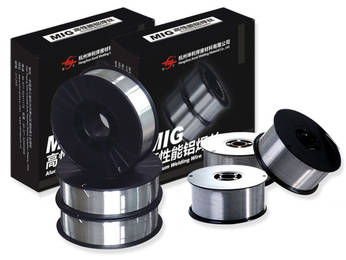
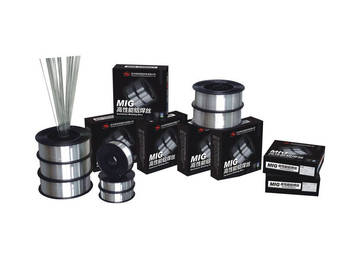
Every fabricator knows the aggravation of finishing a weld only to find porosity dotting the bead or, even worse, cracks showing up during final inspection. Although technique and machine settings get a lot of focus, the filler material often makes the difference between a joint that passes inspection and one that needs expensive fixes. Properties of Aluminum Welding Wire and other fillers create clear differences in strength, resistance to corrosion, how the bead looks, and how often defects appear.
How Wire Affects Finished Product Quality
The journey from Wire properties to the performance of the completed weld follows well-established metallurgical patterns. The chemical makeup of the Wire sets the alloying elements that end up in the deposited metal, which in turn governs tensile strength, yield strength, and how well the weld stands up to environmental attack. For example, manganese and silicon in steel Wires serve as deoxidizers, pulling oxygen out of the puddle and helping limit porosity even when the base metal surface is not perfectly clean. Additions of chromium and nickel bring corrosion resistance in stainless applications, while copper content can influence heat conduction in certain non-ferrous welds.
The way the Wire is built also plays a major role in how efficiently it deposits and how clean the result stays. Solid Wires keep things straightforward with minimal spatter and very uniform deposits, though they usually need spotless base metal preparation. Flux-cored Wires include internal compounds that protect the arc and clean up contaminants, allowing faster travel speeds and more tolerance for mill scale or light rust, but they leave behind slag that has to be chipped or brushed away. Metal-cored Wires strike a middle ground by using metallic powders instead of flux, delivering high deposition rates with almost no slag to remove, though they generally cost more per length.
Surface condition stands out as the single biggest source of preventable weld defects. Moisture absorbed by welding wire—either within a flux core or as surface rust—can introduce hydrogen or oxygen into the arc. This may result in porosity or, in the case of high-strength steels, contribute to delayed cracking associated with hydrogen embrittlement. Keeping Wire properly packaged and stored dry removes this entire category of risk.
| Wire Attribute | Primary Effect | Practical Outcome for Finished Part |
|---|---|---|
| Chemical composition (Mn, Si, Cr, Ni) | Controls alloy content and deoxidation in deposited metal | Determines tensile strength, toughness, corrosion resistance, and porosity tendency |
| Wire construction (solid, flux-cored, metal-cored) | Influences arc stability, slag formation, and deposition rate | Affects surface appearance, positional welding capability, and overall productivity |
| Surface condition and storage | Introduces or prevents moisture, oxides, and contaminants | Controls porosity occurrence, hydrogen cracking risk, and inclusion formation |
Check the Wire categories section when you need to pair filler families with specific base metals or service environments. Turn to the defects section if repeated quality problems point toward Wire-related issues. Refer to the testing section whenever you bring in a new supplier or batch and need to qualify it.
Key Wire Attributes and Their Product-Level Signals
Chemical Composition and Classification
Wire designations encode the chemistry of the metal that will be deposited. In steel fillers, carbon is usually kept low enough to preserve ductility and ease of Welding, while manganese adds strength and helps with deoxidation. Silicon performs a similar oxygen-scavenging role and improves how well the puddle flows. Chromium forms protective oxide films that fight corrosion, which is why it appears in stainless Wires. Nickel boosts low-temperature toughness and helps maintain austenitic structures. Molybdenum strengthens welds at higher temperatures and improves resistance to pitting in harsh conditions. Aluminum serves as a deoxidizer in some steel Wires and forms the primary element in Aluminum fillers.
Each added element moves mechanical properties in a foreseeable way. Raising carbon increases hardness but lowers ductility and heightens the chance of cracking. Elevated levels of sulfur or phosphorus can cause hot shortness and brittleness. Well-balanced compositions hit the desired strength while keeping enough toughness to resist impact and fracture.
Wire Type and Construction
Solid Wires produce clean, low-spatter deposits under the right conditions. They need little post-weld cleanup and give very consistent chemistry throughout the weld. On the downside, they require thoroughly cleaned base metal and can struggle when contaminants are present. Their uncomplicated design makes them a strong fit for automated setups where repeatability is critical.
Flux-cored Wires consist of a metal sheath wrapped around powdered ingredients. Those powders release shielding gases, create slag for protection, and supply deoxidizers or alloy additions. This setup allows Welding on rougher surfaces and often supports faster deposition rates. The main drawbacks are the need to remove slag and a slightly less stable arc compared to solid Wire.
Metal-cored Wires fill the sheath with metal powders rather than flux, offering the clean deposits of solid Wire combined with the high productivity of flux-cored types. They work especially well where fast buildup is needed with minimal cleanup, although the price per foot tends to run higher than solid Wire.
Diameter and Feedability
Wire diameter directly affects heat input and how deeply the weld penetrates. Thinner diameters focus current into a smaller area, producing deeper fusion but narrower beads. Thicker diameters distribute heat more broadly, which helps when filling larger gaps or building up material. Diameter also determines how smoothly the Wire feeds through liners, drive rolls, and contact tips.Mismatched equipment can cause inconsistent wire delivery, resulting in uneven beads and potential incomplete fusion.
Surface Condition and Packaging
Even tiny surface imperfections can introduce contaminants into the weld pool. Good Wire arrives with a bright, clean metallic finish free of oxide, oil, or leftover drawing compounds. When steel Wire rusts from humidity exposure, it brings oxygen into the arc. Aluminum Wire quickly forms oxide that can trap air and cause porosity. Any grease or oil breaks down under arc heat, releasing hydrogen and carbon that may embrittle the weld metal.
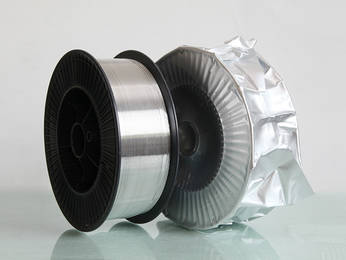
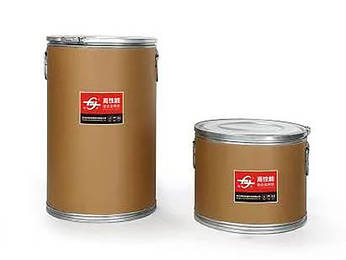
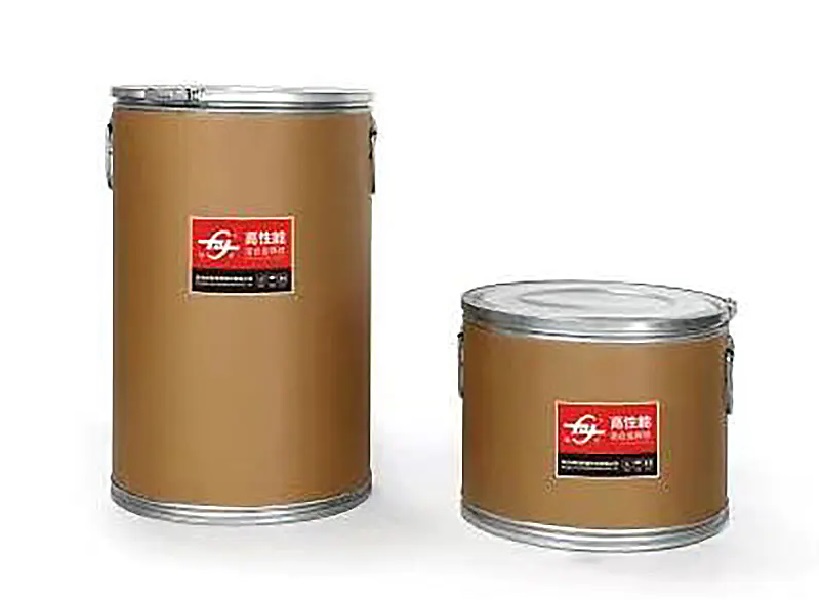
Proper packaging keeps Wire protected. Sealed containers with desiccants block moisture, while torn or opened packages let humidity reach the Wire. Flux-cored Wires are especially vulnerable because water can seep into the core and become very difficult to remove completely.
Spool Quality and Lot Control
Consistent manufacturing keeps chemistry, diameter, and feeding behavior uniform from one end of the spool to the other. Reliable suppliers hold tight controls on diameter variation, ovality, and Wire strength. Lot numbers allow tracing back to the source if issues appear, making it possible to identify causes and take corrective steps. When lot control is loose, small differences can create noticeable variations in weld appearance or properties across a production run.
Common Wire Categories and Finished Part Implications
Mild and Structural Steel Wire
Carbon steel fillers intended for structural work deposit metal with strength levels that align well with typical base materials. The resulting joints stay ductile enough to handle repeated loading and occasional impacts. With correct settings the beads come out smooth and even; when parameters shift they can look rough or uneven. These Wires hold up fine in protected indoor settings but provide little built-in corrosion resistance unless a coating is applied afterward.
Typical uses cover building frameworks, machinery construction, everyday manufacturing, and repair jobs where the environment stays moderate and appearance is not the main priority.
Flux-Cored Wire for Productivity
Tubular Wires filled with flux compounds support out-of-position Welding and deposit metal faster than solid Wires in many cases. The flux inside helps steady the arc, cleans away impurities, and occasionally adds alloying elements. As the weld cools the slag layer shields it from air but must be removed before painting or adding more passes.
The faster deposition rate makes flux-cored Wire a practical choice for large-scale fabrication, shipyards, and structural steel installation. The finished bead usually shows a coarser texture and some spatter compared to solid Wire, so it often looks less polished.
Stainless Filler Wires
Chromium-nickel based fillers form protective oxide films that resist corrosion. Different formulations match specific base grades and operating conditions. Lower-carbon variations assist in preventing carbide precipitation, which can contribute to intergranular corrosion. Extra molybdenum boosts resistance to pitting from chlorides. Certain compositions work well when joining dissimilar metals, such as stainless to plain carbon steel.
The welds keep corrosion resistance close to the base material as long as heat input and cooling stay controlled to prevent sensitization. Strength usually surpasses carbon steel, but differences in thermal expansion need consideration in rigidly fixed joints.
Aluminum Filler Metals
Fillers for non-ferrous reactive metals tackle the issues of oxide formation and rapid heat loss. Wires like ER4943 and related types strike a balance between strength and the risk of cracking. The filler chemistry needs to suit the base alloy and its temper to prevent hot cracking or weakening in the heat-affected area.
Porosity poses the main threat because hydrogen dissolves differently in liquid and solid Aluminum. Oxide on the Wire or base can trap moisture and air, so thorough cleaning and good shielding become essential. Beads typically form a rounded, convex shape because of the metal's surface tension.
Common applications include aerospace parts, vehicle frames, boat hulls, and architectural features where lighter weight and better corrosion resistance make the extra effort worthwhile.
Real Defects and How Wire Choice or Condition Causes Them
Defects arise from the combined effects of base metal, filler, process, and technique. Pinpointing Wire-related causes takes careful checking, but certain patterns point clearly to filler issues.
Porosity Investigation
Symptom: Round or stretched voids seen on the surface or in X-ray images.
Probable Wire Cause: Moisture trapped in flux cores turns to hydrogen and steam in the arc. Oxide layers on Aluminum Wire break down and hold gases. Leftover drawing oils or lubricants release carbon monoxide and hydrogen.
Diagnostic Tests: Compare welds made with sealed, dry-stored Wire against Wire from opened packages. Test deposited metal for hydrogen levels. Examine Wire surface under magnification for oxide films or oily residue.
Fix: Store Wire in dry conditions with humidity checks. Bake flux-cored Wire at low heat following manufacturer guidelines if needed. Use fresh spools with undamaged seals. Clean the entire Wire delivery path to clear any built-up residue.
Lack of Fusion Analysis
Symptom: Areas where weld metal fails to bond fully to the base or to previous passes, leaving weak interfaces.
Probable Wire Cause: Filler chemistry that makes the puddle too fluid or too tense to wet properly. Oversized Wire diameter that spreads heat too much for the current settings. Significant mismatch in melting points between filler and base.
Diagnostic Tests: Cut and etch cross-sections to reveal fusion lines. Run side-by-side trials with different Wire sizes or types. Use thermal cameras to check puddle temperature during Welding.
Fix: Choose filler that aligns more closely with the base chemistry. Switch to smaller diameter Wire to focus heat better. Tweak settings for deeper penetration. Confirm the Wire classification fits the job.
Spatter and Bead Profile Issues
Symptom: Droplets flying out of the arc zone, uneven bead shapes, too much buildup, or incomplete filling.
Probable Wire Cause: Elevated silicon that increases fluidity and promotes spatter. Using a flux type incompatible with the shielding gas can result in arc instability. Variations in Wire diameter that disrupt steady feeding.
Diagnostic Tests: Try a Wire with lower silicon content. Confirm gas purity and flow. Measure diameter consistency along the Wire length. Check drive rolls, liners, and tips for wear.
Fix: Select Wire with appropriate silicon levels. Use flux-cored Wire matched to the shielding gas. Replace Wire showing size variation. Repair or replace worn feeding components.
Hydrogen Cracking Concerns
Symptom: Cracks that appear hours or days later, often in the heat-affected zone of stronger steels.
Probable Wire Cause: Moisture in flux-cored Wire or on solid Wire surfaces supplies hydrogen that MIGrates into the base. Poor storage or incomplete baking allows hydrogen to re-enter.
Diagnostic Tests: Measure diffusible hydrogen using standard procedures across Wire lots. Perform restrained sample tests for delayed cracking. Log humidity in storage areas.
Fix: Specify low-hydrogen classified Wires backed by test data. Maintain storage spaces with controlled low humidity. Verify baking equipment works correctly. Rotate stock using first-in-first-out.
Inclusion and Slag Entrapment
Symptom: Non-metallic particles trapped inside the weld metal that act as stress risers and possible crack starters.
Probable Wire Cause: Flux that forms stubborn slag hard to remove between passes. Manufacturing residues left on the Wire. Flux and gas combinations that produce unusual slag behavior.
Diagnostic Tests: Examine inclusions under a microscope to identify their makeup. Compare Wires from different sources. Check travel angle and welder technique.
Fix: Strengthen cleaning between passes. Test alternative flux-cored Wires with easier slag release. Train on correct torch angles. Consider solid or metal-cored Wire for demanding work.
Testing and Inspection: Verifying Wire Quality
Qualification programs make sure filler metal will perform reliably before starting regular production:
Chemical Analysis: Spectroscopic methods check that the Wire's composition stays within the limits set by its classification. Any clear differences point to production errors or incorrect labeling.
Tensile Testing: Weld deposit samples are pulled apart to measure ultimate tensile strength, yield strength, and elongation at break. The numbers need to reach or exceed the required minimums with a safe buffer.
Bend Testing: Test pieces bent over mandrels show how ductile the weld is and how well it bonds. Any cracking or parting signals brittleness or poor fusion.
Macro Examination: Cross-sections polished and etched reveal penetration depth, how much base metal mixes in, where porosity appears, and the shape of fusion lines. A close look spots structural issues early.
Impact Testing: Charpy or Izod samples measure how much energy the weld absorbs during sudden fracture, giving insight into toughness at given temperatures. This consideration is particularly relevant in cold environments or for components subjected to shock loads.
Hydrogen Measurement: Special procedures collect and analyze diffusible hydrogen amounts, which is vital for high-strength steels prone to cracking.
A workable qualification setup puts the Wire through tests that cover typical variations: several base metal thicknesses, a couple of Welding positions, and standard settings. Acceptance follows industry codes or shop rules. Full records—test results, procedures used, and certificates—build an audit trail.
Procurement, Supplier Control and Traceability
Material certificates record the actual chemistry, mechanical test results, and lot details. Buyers should insist on:
- Heat or lot chemistry results that fall inside specification ranges
- Tensile and elongation numbers from deposited weld metal
- Moisture certification for flux-cored Wires
- Advice on storage and handling
- Shelf-life details and reconditioning steps if needed
- Traceable markings on the packages
Audits of suppliers look at the controls that influence quality, such as checks on incoming raw materials, monitoring during production, surface cleaning steps, tension during spooling, how well packages are sealed, and climate conditions in storage zones.
Testing samples from incoming lots before approving the full shipment catches problems early. This abbreviated testing on selected spools is especially useful when switching vendors or trying new Wire types.
Process Matching and Setup: Maximizing Wire Performance
Filler selection has to fit the Welding machine's abilities and the base material's traits. Wire makers' parameter suggestions give good starting values for:
- Feed speed and voltage ranges suited to different diameters and Wire types
- Shielding gas mixtures and flow rates that block air from reaching the weld
- Travel speeds that deliver enough penetration without too much heat
- Distance from contact tip to work piece for steady arc control
Equipment wear parts play a big role in how the Wire behaves:
- Liner type and size that match the Wire's diameter and flexibility
- Drive roll groove shape that keeps the Wire from flattening or slipping
- Contact tip opening sized for smooth Wire passage without too much looseness
- Spool tension adjusted to stop tangles without adding extra resistance
Troubleshooting connects visible defects to likely sources: uneven feeding often comes from worn liners, too much spatter usually ties to bad settings or contaminated Wire, porosity frequently links to storage issues, and incomplete fusion commonly results from low heat or mismatched Wire diameter.
Cost Versus Quality: Making Informed Tradeoffs
The upfront cost of Wire is only one piece of the overall expense picture. Lower-cost grades may contribute to increased imperfections, additional inspection requirements, rework, and scrap, potentially offsetting any initial purchase savings. Wires built to tighter standards, with cleaner surfaces and documented properties, generally lower total costs by raising first-pass success rates and cutting down on manual fixes.
| Wire Grade | Purchase Cost Factor | Typical Rework Rate |
|---|---|---|
| Economy grade | Reference baseline | Higher variability |
| Standard grade | Moderate premium | Industry average |
| Premium grade | Higher unit cost | Lower defect frequency |
Premium Wire becomes the right choice for parts where safety is critical, corrosion resistance is required, or appearance standards are strict. The potential costs of failures in the field, warranty work, or rejected looks far exceed small differences in material price. For routine jobs with forgiving acceptance limits, lower-cost Wires can work without causing problems.
When figuring return on investment, include productivity effects. Wires that allow faster deposition cut labor time per weld, which can balance out higher material costs by speeding up job completion.
Storage, Handling, and Operator Training
Proper environment keeps Wire in good shape. Set aside storage space that holds temperature and humidity in the recommended range. Flux-cored Wires need especially dry conditions, and some types call for reconditioning in a low-heat oven if they exceed exposure limits. Original sealed packaging protects the Wire until it is opened. Any torn or damaged containers let moisture in, so those spools need checking or discarding.
Shelf life differs by Wire family. Solid Wires hold up well for long periods if kept from rusting. Flux-cored wires can absorb moisture in their core over time, with manufacturers specifying storage durations before reconditioning becomes necessary. A systematic stock rotation helps ensure older material is used before newer stock, minimizing prolonged storage.
Training stresses handling habits that avoid contamination: wearing clean gloves stops hand oils from getting on the Wire, loading spools the right way prevents kinks or damage, and following maintenance routines keeps liners, rolls, and tips working smoothly. Operators learn to recognize signs of Wire-related defects so they can fix issues quickly before rework piles up.
Decision Checklist and Selection Path
A consistent approach to picking Wire starts with knowing the base material and works through needed properties to the right filler family:
- Pinpoint the base metal type, grade, and specification
- Define the mechanical properties the weld must deliver (strength, toughness, ductility)
- Review the service conditions the joint will face (corrosion risks, temperature ranges)
- Consider shop limitations (Welding position, joint access, required deposition speed)
- Select a Wire classification that aligns with the base metal and the targeted properties
- Check that Wire surface quality and storage practices suit the job's sensitivity
- Make sure the supplier furnishes complete certificates and lot traceability
For standard carbon steel structures that need average strength, either solid or flux-cored Wires matched to the base metal's tensile range usually work well. Stainless jobs call for fillers that mirror the base alloy family's chemistry. Aluminum work needs filler types that strike a balance between avoiding cracks and keeping adequate strength in the heat-affected area.
Recommendations and Next Steps
Choosing the right Wire influences weld quality through straightforward metallurgical and physical effects. Seeing these links turns filler selection from a simple buying decision into a key tool for controlling quality. Engineers and buyers who really understand Wire traits gain better command over the end product's performance, cutting costs and boosting dependability. Three primary steps help achieve more consistent results with welding wire: new lots are qualified through consistent testing to identify manufacturing variations prior to full production; complete documentation is obtained, including material certificates and lot traceability markings to support verification and audit-ready records; and storage is maintained with appropriate environmental controls to preserve wire condition from delivery through use. Monitor practical measures like first-pass success rates, porosity counts per foot of weld, and hours spent on rework per Wire lot to help judge suppliers and fine-tune procedures. The habit of regular qualification, careful supplier oversight, and steady process management turns basic knowledge into real shop-floor gains that add up across every weld in every job.
NEXT:Common Mistakes to Avoid When Using Aluminum Welding Wire