English
  Deutsch


Common Mistakes to Avoid When Using Aluminum Welding Wire
Article Directory
- 1 Why Aluminum Behaves Differently From Steel
- 2 What Filler Alloys Work for Different Applications
- 3 Why Feeding Systems Matter for Soft Wire
- 4 Using Wrong Drive Roll Profiles
- 5 Installing Incorrect Liner Types
- 6 Why Does Surface Preparation Matter?
- 7 Selecting Filler Alloys Without Matching Base Material
- 8 Running Excessive Wire Feed Speed
- 9 How Does Shielding Gas Affect Weld Quality?
- 10 Welding With Contaminated Contact Tips
- 11 Using Incorrect Polarity Settings
- 12 Overlooking Proper Fit Up Requirements
- 13 Failing to Control Interpass Temperature
- 14 What Causes Drive Roll Tension Problems?
- 15 How to Troubleshoot Feeding Problems Systematically
- 16 Selecting Wire Diameter for Material Thickness
- 17 Inspecting and Maintaining Equipment Components
- 18 Pre-Weld Preparation Guidelines
- 19 What Technique Tips Improve Results?
- 20 Post Weld Cooling and Inspection
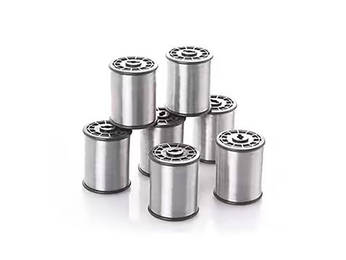
Every fabrication shop has experienced the frustration of Aluminum welds failing inspection after hours of careful work. Whether you operate a marine repair facility, manufacture beverage containers, build automotive components, or maintain HVAC systems, Aluminum presents unique challenges that require specialized knowledge and proper equipment setup to achieve consistent results with Aluminum Welding Wire.
Why Aluminum Behaves Differently From Steel
Aluminum Welding calls for changes in nearly every part of the process compared to steel. The metal quickly grows a thin oxide layer as soon as it meets air, and this layer stays solid at temperatures far above the melting point of the Aluminum underneath. This difference can result in Weld contamination if the oxide is not removed immediately prior to Welding.
Heat moves through Aluminum much more quickly than through steel, so it leaves the weld area fast. On thin pieces this can cause warping or burn-through while thicker areas are still heating up to the right level. Travel speed needs to stay higher, and heat input has to be managed differently than with steel.
Aluminum also has a very narrow window between solid and liquid states. Unlike steel, which shows clear color changes as it heats toward melting, Aluminum gives almost no visual warning. Welders who rely on watching for a red or orange glow on steel have to depend completely on technique, settings, and puddle feel instead of color cues.
| Property | Aluminum Behavior | Impact on Welding |
|---|---|---|
| Oxide formation | Forms instantly, melts at higher temperature than base metal | Requires thorough cleaning before welding |
| Thermal conductivity | Significantly higher than steel | Heat dissipates quickly; careful heat control needed |
| Melting characteristics | No color change before melting | Cannot rely on visual temperature cues |
| Wire softness | Tangles easily, requires specialized feeding | Standard drive rolls can crush the wire |
What Filler Alloys Work for Different Applications
Two primary groups address many Aluminum Welding requirements: silicon-based and magnesium-based fillers. Silicon-based fillers flow well and produce smooth beads, which makes them a common choice for everyday fabrication and repair jobs. They help prevent cracking as the weld solidens and create slightly darker beads.
Magnesium-based fillers deliver higher strength and hold up better against corrosion, especially in outdoor or saltwater settings. They come closer in color to many structural Aluminum alloys and take anodizing treatments well.
Silicon fillers handle dissimilar alloy combinations and wider gaps or poor fit-up more forgivingly because of their lower melting point and wider working range, which helps less experienced welders get steady results. They do not anodize to match the base metal and can corrode more quickly in strong chemical conditions.
Magnesium fillers keep strength nearer to the base metal and perform reliably in corrosive environments, but they demand better technique and tighter fit-up to avoid cracking during solidification.
Why Feeding Systems Matter for Soft Wire
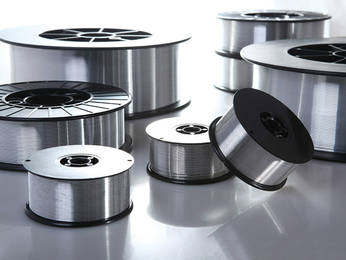
Steel Wire feeds smoothly through typical MIG setups, but Aluminum Wire is much softer and buckles easily under normal drive roll pressure. Special feeding equipment is needed to guide it without damage. The three main options are spool guns, push-pull systems, and standard feeders set up with the correct parts.
Spool guns place a small Wire spool right on the torch handle, so the Wire only travels a short distance. This shorter wire path helps prevent many of the kinking and bird-nesting issues associated with Aluminum. The main drawbacks are frequent spool swaps and smaller Wire capacity, which can slow down work on bigger jobs.
Push-pull systems have a motor at the feeder and another at the torch. The feeder pushes while the torch pulls, keeping even tension through longer cables and stopping the Wire from collapsing.
Standard feeders can work for Aluminum when fitted with low-friction liners, U-groove or soft-Wire knurled drive rolls, and a torch cable kept as straight as possible.
Using Wrong Drive Roll Profiles
Standard steel drive rolls use sharp V grooves that bite into hard Wire for good grip. On soft Aluminum Wire those sharp edges cut into the surface and scrape off fine shavings. The shavings collect inside the liner over time and eventually jam the Wire completely. Before full blockage, the damaged Wire feeds unevenly and makes the arc unstable.
Immediate fix: Switch to U-groove or knurled drive rolls made for Aluminum. These shapes spread contact over a larger area and support the Wire without slicing into it.
Preventative measure: Label Aluminum drive rolls clearly and keep them separate from steel ones to avoid mix-ups. Check roll surfaces often for stuck Aluminum bits and clean or replace them when buildup appears.
Installing Incorrect Liner Types
Standard liners built for steel—whether coiled steel Wire or basic nylon—create too much drag on soft Aluminum Wire. As the Wire advances, it bends and deforms, which can eventually result in tangling. The issue gets worse when the liner has curves or sharp turns that force the Wire around tight corners.
Immediate fix: Switch to a Teflon or other low-friction liner made specifically for Aluminum. Keep the torch cable routed as straight as you can to cut down on unnecessary bends that add resistance.
Preventative measure: In busy shops replace Aluminum liners on a regular schedule or as soon as you feel extra resistance during feeding. Keep spare liners on hand so you can change them right away instead of spending time chasing feed problems.
Why Does Surface Preparation Matter?
The oxide film that grows on Aluminum blocks good fusion if you weld right over it. Solvents take care of grease and light surface oxidation, but thicker oxide needs mechanical cleaning with brushing or grinding. Tools that have touched steel leave behind particles that sink into the soft Aluminum and contaminate the weld.
Immediate fix: Use stainless steel brushes set aside only for Aluminum. Clean the area just minutes before starting the arc since oxide rebuilds fast. For steady production work, plan a two-step routine: solvent wipe first, then mechanical oxide removal right before Welding.
Preventative measure: Store Aluminum stock in dry areas and keep the time short between cleaning and Welding. Write clear work instructions that list the cleaning steps and required tools so everyone uses the same method.
Selecting Filler Alloys Without Matching Base Material
When joining different Aluminum alloys, the wrong filler can cause trouble. Silicon-based filler on high-magnesium bases sometimes forms brittle compounds that crack easily. Magnesium-based filler on nearly pure Aluminum may not spread well or can add extra strength that sets up stress points.
Immediate fix: Pick filler that matches the weaker or more corrosion-prone alloy in the joint. For dissimilar combinations, look up which filler gives the right balance of properties without metallurgical conflicts.
Preventative measure: Establish allowable gap limits based on material thickness and joint configuration. Hang copies near the Welding stations and add it to training packets for new people.
Running Excessive Wire Feed Speed
Aluminum pulls heat away so fast that welders sometimes crank up Wire feed speed to deposit more metal quickly. Too much filler piles up without fusing properly into base metal that is not hot enough. The bead ends up looking like a row of cold, stacked dabs instead of a smooth, integrated zone.
Immediate fix: Lower the Wire feed speed and give the puddle time to spread and wet the base metal before moving forward. Look for the puddle to flatten and tie in rather than build up.
Preventative measure: Make up parameter reference sheets for your typical thicknesses and Wire sizes. Record settings that give good results and teach welders to begin with those proven numbers instead of adjusting by feel.
How Does Shielding Gas Affect Weld Quality?
Aluminum needs pure argon or argon-helium mixes for shielding. Argon-CO2 blends intended for steel cause immediate porosity and oxide formation in the Aluminum Weld pool. With the right gas, low flow lets air sneak in and contaminate the puddle, while very high flow stirs up turbulence that draws air into the shield.
Immediate fix: Confirm pure argon is hooked up and adjust flow to a suitable level for your typical work. Look for leaks at fittings and make sure the regulator gauge is reliable.
Preventative measure: Mark gas cylinders and regulators with distinct colors by type to avoid mix-ups. Run test welds on scrap pieces, break them open, and check for porosity before running production.
Welding With Contaminated Contact Tips
Particles from earlier steel Welding or copper buildup on contact tips carry over into Aluminum welds and cause defects. Tiny amounts show as dark inclusions or weak areas under X-ray. Fillers like ER4943 are extra sensitive because the silicon reacts with stray metals as the weld cools.
Immediate fix: Swap contact tips every time you change from steel to Aluminum. Keep separate sets clearly labeled and stored for each material.
Preventative measure: Check tips each day for spatter buildup or color changes. Clean or replace any that look contaminated instead of pushing through with dirty ones.
Using Incorrect Polarity Settings
Aluminum MIG welding typically uses direct current electrode positive (DCEP) polarity, directing the greater portion of heat into the base material rather than the wire. Wrong polarity produces a skinny, rope-like bead with shallow penetration and lots of spatter. The arc gets unsteady and hard to manage.
Immediate fix: Check that your machine is set to DCEP. Many newer inverters come preset correctly for MIG, but older units might have a switch that got flipped by mistake.
Preventative measure: Put clear labels on machine polarity controls and add a polarity check to your pre-weld routine. Teach welders what wrong polarity looks and sounds like so they spot it right away.
Overlooking Proper Fit Up Requirements
Gaps or misalignment that steel might tolerate create real trouble in Aluminum because of its narrow solidification range. Aluminum does not bridge openings as well as steel does, so big gaps call for extra passes and raise distortion from repeated heating.
Immediate fix: Tighten fit-up with better clamping or smarter tacking. Add backing bars when holding tight gaps proves tough on complicated parts.
Preventative measure: Establish allowable gap limits based on material thickness and joint configuration. Always inspect fit-up before striking the arc instead of finding issues mid-weld.
Failing to Control Interpass Temperature
Aluminum sheds heat fast, but multiple passes can still heat the whole part enough to cause grain coarsening and strength loss in heat-treatable alloys. Too much accumulated heat also worsens distortion and widens the heat-affected zone with reduced properties.
Immediate fix: Let the part cool between passes and use temp sticks or a contact thermometer to watch interpass temperature. Pause Welding if the piece gets too hot to hold comfortably with bare hands.
Preventative measure: Sequence welds to spread heat evenly instead of piling it in one spot. On thicker pieces, preheat carefully to ease thermal stresses while keeping peak temperature in check.
What Causes Drive Roll Tension Problems?
Insufficient tension lets the Wire slip, which makes arc length jump around and ruins bead appearance. Too much tension flattens the soft Wire and creates the same surface damage as wrong roll profiles. The right tension varies with Wire size and type, so it takes trial and adjustment.
Immediate fix: Tighten rolls only enough to stop slipping during Welding. You should be able to pinch the Wire lightly at the gun and halt its movement, showing tension is in the usable range.
Preventative measure: Record proper tension settings for each Wire diameter you run often. Re-check tension every time you load a new spool or when feeding starts acting up.
How to Troubleshoot Feeding Problems Systematically
When Aluminum Wire feeding goes wrong, a step-by-step check saves time over guessing which part to replace. First confirm the Wire diameter matches your contact tip size. Make sure the liner is Aluminum-rated and cut to the right length without sticking into the gun or feeder.
Next look at drive rolls—grooves should be clean U shapes free of stuck Aluminum or damage. Adjust tension slowly while running Wire into open air until it feeds smoothly without crushing or slipping.
Check the contact tip for wear or buildup. Tips oval out over time and let Wire wander or snag inside. Swap tips that show obvious wear or when arc starts get inconsistent.
Look over the full torch cable path for sharp bends or kinks that make Wire struggle. Straighten the cable as much as the workspace allows and think about shorter cables if your setup can use them.
Finally verify shielding gas flow and test connections from tank to torch for leaks. Low flow or dirty gas often causes porosity that feels like a Wire issue but really comes from poor shielding.
Selecting Wire Diameter for Material Thickness
Thin sheet welds better with smaller diameter Wire that puts less heat into the joint per inch of travel. Smaller Wire gives finer heat control and lowers the chance of burning through thin material. Medium-thickness stock handles larger diameters that strike a good balance between filler deposition and heat management for typical fabrication. Thick sections gain from even bigger Wire sizes that speed up deposition and shorten overall weld time, since the heavy material soaks up heat without much warping.
| Material Thickness | Wire Diameter | Typical Applications |
|---|---|---|
| Thin sheet | Smaller gauge | Sheet metal, automotive body work |
| Medium sections | Mid range | General fabrication, structural |
| Thick plate | Larger gauge | Heavy fabrication, thick plate |
Inspecting and Maintaining Equipment Components
Drive rolls need regular checks in busy shops. Look over the grooves to make sure they stay smooth and free of stuck particles or damage. Brush out the grooves with a firm brush between full inspections, and swap rolls when you see the grooves starting to flatten or develop uneven wear.
Contact tips wear out faster on Aluminum because of the higher amperage usually involved. Replace them often, or as soon as arc starts turn inconsistent or hard to initiate. Maintain a supply of contact tips in frequently used sizes to allow for timely replacement.
Liners require periodic replacement based on how heavily they get used. Warning signs include growing resistance to Wire feeding, occasional Wire stopping, and visible wear or dirt at the ends. Do not try to clean and reuse liners meant for Aluminum—the low-friction surface breaks down and cannot be brought back.
Gun cable assemblies hold up longer than single parts but wear at the connections or form internal kinks over time that make Wire movement difficult. When feeding issues persist even after new liners and consumables, replace the entire cable assembly.
Pre-Weld Preparation Guidelines
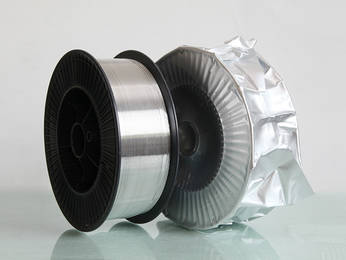
Keep Wire stored in its original sealed packaging with desiccant packets to block moisture pickup. Wire that sits in humid air collects surface moisture that turns to vapor in the arc and causes porosity. After opening a spool, use it within a practical time frame or move it to a sealed container with new desiccant.
Clean base metal shortly before Welding rather than well in advance. Oxide rebuilds steadily on Aluminum, so early cleaning loses its effect quickly. In production environments, establish a workflow that transitions directly from cleaning to Welding with minimal delay.
Check joint fit-up against your set tolerances before tacking or starting the weld. Problems found during Welding waste time and filler. Use solid fixturing to hold alignment steady through the entire process.
What Technique Tips Improve Results?
Push the torch forward in the travel direction for Aluminum MIG. This angle gives better gas coverage and lets you watch the puddle more clearly. Pulling works on steel but tends to reduce shielding effectiveness on Aluminum.
Maintain a consistent travel speed and torch angle throughout each pass. Variations in technique can produce visible bead defects and contribute to inconsistent strength, which may result in problems under load.
Focus on the puddle rather than the arc. The way the puddle behaves shows whether fusion is happening correctly, while watching the bright arc gives little helpful feedback and tires your eyes.
Post Weld Cooling and Inspection
Let Aluminum welds cool on their own without using forced air or water to speed it up. Quick cooling can build residual stresses that cause cracking, especially in restrained joints or thicker pieces. Remove spatter and surface oxide from completed welds soon after cooling, since leftover material interferes with coatings and complicates visual checks. Use stainless steel brushes kept only for Aluminum to prevent steel contamination during cleanup. Look over welds for obvious defects like cracks, porosity, or incomplete fusion. Run bend tests on sample pieces to confirm your settings produce solid welds before moving into full production.
NEXT:Key Factors to Choose the Right Aluminum Filler Metal