English
 Deutsch



How Surface Treatment Improves Aluminum Welding Wire Performance and Feedability
Article Directory
- 1 A Wire's Surface Decides Whether a Good Alloy Stays Good
- 2 What "Surface Treatment" Means for Aluminum Welding Wire
- 3 Feedability: Where Surface Treatment Affects Productivity
- 4 Weld Quality: Porosity, Oxide Inclusions, and Moisture
- 5 Alloy Families Have Different Surface Sensitivities
- 6 What Buyers and Welding Engineers Should Verify
- 7 Surface Treatment Deserves a Place in Your Wire Specification
A Wire's Surface Decides Whether a Good Alloy Stays Good
A fabricator loads a new spool of 1.2 mm ER5356 aluminum MIG wire, sets voltage, wire-feed speed, and shielding gas according to the approved procedure, and then watches the arc start to wander. After twenty meters of weld, the contact tip burns back. The alloy is correct. The parameters are correct. The gas is correct. The problem is often the surface of the wire—not the alloy chemistry itself, but the way that chemistry is delivered to the weld.
This is a common scene in heavy fabrication, and it explains why wire manufacturers invest in surface treatment. Surface treatment is the set of cleaning, oxide-removal, and lubrication steps applied after wire drawing. It does not change the AWS classification, but it changes how consistently the wire feeds, how much porosity the weld contains, and how long the equipment lasts. A wire that looks clean may still carry drawing residue, loose oxide, or an unstable lubricant layer. In this article, we focus on the wire itself, not on the anodizing or coating of the finished aluminum part.
What "Surface Treatment" Means for Aluminum Welding Wire
Surface treatment begins after the final drawing pass. Aluminum wire is drawn through carbide or diamond dies with oil-based lubricants. Some lubricant is necessary to prevent scoring, but the amount left on the finished wire must be controlled. Too much residue attracts dust and creates fumes in the arc; too little can cause the wire to chatter in the liner. A reliable manufacturer therefore designs the surface process around a narrow operating window.
Cleaning and Degreasing
The first step removes drawing oils, aluminum fines, and embedded debris from the wire. Most production lines use a sequence of aqueous cleaning baths, brushing or wiping, and deionized rinsing. The goal is not a perfectly dry surface; it is a surface that is chemically clean and ready for the next step. If the cleaning bath is not maintained properly, the wire can leave streaks of diluted oil that later cause weld porosity.
Oxide Removal and Oxide Layer Control
Aluminum already forms an oxide layer the moment it is exposed to air. That oxide melts above 2,000°C, while the aluminum base metal melts at 660°C. If thick, loose oxide reaches the weld pool, it can become a solid inclusion or trap gas. The surface treatment process removes the loose oxide layer and leaves a thin, uniform oxide film. The exact thickness depends on the alloy and the intended application, but consistency is what matters most.
Lubrication and Final Finish
After cleaning and oxide conditioning, the wire receives a final coating. It may be a dry film lubricant, a light oil, or a specially formulated drawing compound. This coating controls friction against the liner, the conduit, and the contact tip. The ideal amount is thin enough to avoid smoke and porosity, yet strong enough to support long robotic cables and high travel speeds. Wire producers also control the final surface roughness during the last drawing pass; a rough finish can scrape the inside of the liner and shed particles into the feeding system.
Even with a perfect coating, inconsistent diameter will defeat surface treatment. The fit between the wire and the contact tip changes immediately when the wire is oversized or undersized. Our article on how diameter tolerance affects MIG welding explains why this issue shows up on the shop floor.
Feedability: Where Surface Treatment Affects Productivity
Feedability is the first place a poorly treated surface becomes obvious. The wire must travel through a liner, a conduit, and a contact tip without buckling. Every increase in friction changes the drag on the drive rolls and can turn a stable arc into a birdnest. The surface layer controls much of this friction. A dry or rough wire can overheat the contact tip and burn back, while a wire with excessive lubricant can soil the liner and require frequent cleaning.
Lubricant Chemistry and Residue Control
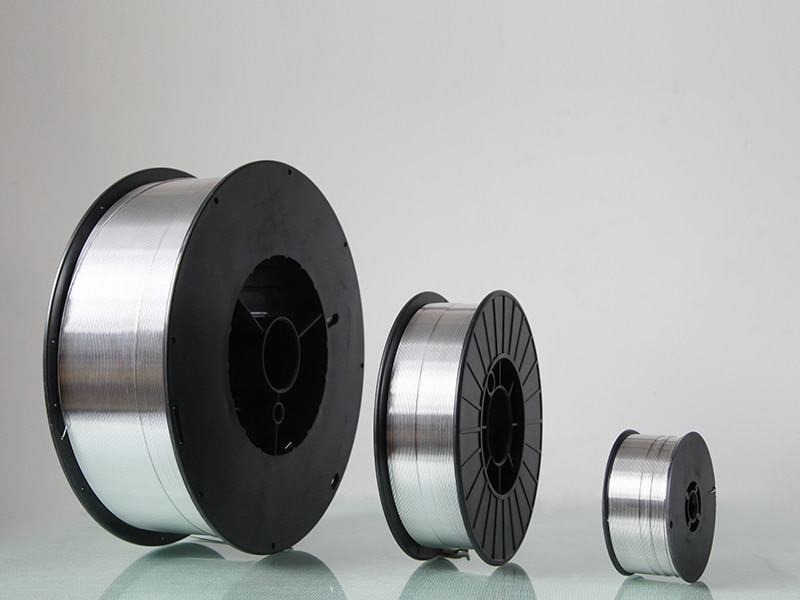
Aluminum has a high coefficient of friction compared with steel, especially when dry. A compatible lubricant reduces that friction without contaminating the weld. The chemistry must be stable at the elevated temperatures inside a torch cable and must not react with aluminum oxide. Residue control is equally important. When a fabricator changes from one spool to another, the lubricant loading should be consistent; a heavy coating on one spool and a dry coating on the next will cause the process to behave differently. For a high-volume MIG operation, a wire such as ER5356 aluminum welding wire with a thin, consistent coating makes robotic runs predictable.
 Aluminum Welding Wire ER5356 - Kunliwelding ManufacturerKunli is your go-to wholesaler for Aluminum Welding Wire ER5356, offering ideal corrosion resistance and strength. Suitable for marine, a...View Product →
Cast, Helix, and Diameter as Complementary Checks
Surface condition is not the whole story. Cast and helix describe the shape of the wire when a length is released from the spool. AWS A5.10 documents acceptable values, and they should be stable from spool to spool. If the helix is high, the wire presses against the liner wall, friction increases, and the lubricant is scraped off unevenly. If the cast is too small, the wire may not straighten before reaching the contact tip. The surface and geometry must be checked together because a lubricant cannot compensate for poor wire geometry. Experienced operators know that addressing wire feeding behavior sometimes means changing the wire source, not the gun liner.
Weld Quality: Porosity, Oxide Inclusions, and Moisture
Surface treatment also affects metallurgical results. Aluminum oxide attracts moisture from humid air and forms hydrated oxides. In the welding arc, this moisture dissociates into hydrogen and oxygen. Molten aluminum can dissolve a large amount of hydrogen, but when the weld pool solidifies, hydrogen solubility drops sharply and the gas is trapped as porosity. This is why a wire with an uncontrolled oxide layer can produce porosity even when the base metal is clean.
Residual drawing lubricant is a second source of gas. When a heavy oil layer enters the arc, it vaporizes quickly. If the shielding gas cannot purge the vapor from the weld pool, the result is pinholes and surface discoloration. The proper surface treatment does not necessarily remove all lubricant; it removes the excess and leaves a controlled amount. The same logic applies to aluminum fines from brushing. If the wire surface carries loose particles, those particles can fall into the weld pool and act as oxide inclusions.
For structural and marine fabrication, porosity is not only a cosmetic defect; it reduces fatigue strength and can make a weld fail under dynamic load. High-strength magnesium-alloy fillers such as ER5183 aluminum welding wire are often chosen for these applications, but the alloy only performs if the wire surface is clean and the lubricant loading is correct.
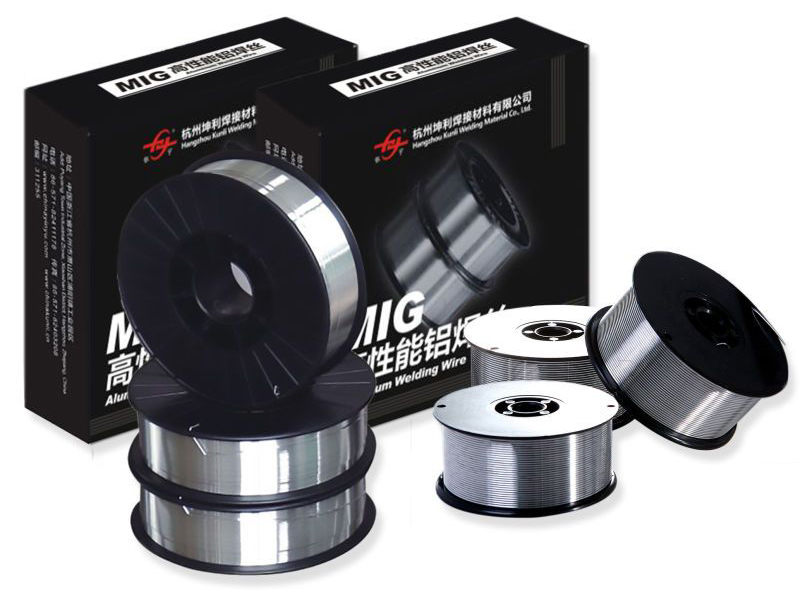 Aluminum Welding Wire ER5183 Manufacturers - Kunli SuppliersAluminum Welding Wire ER5183 supplied by Kunli manufacturer, suitable for automotive, and industrial welding with great strength and corr...View Product →
Alloy Families Have Different Surface Sensitivities
Different aluminum alloys respond to surface treatment differently. Magnesium-bearing 5xxx wires are harder and more abrasive against the liner, so the lubricating step must be robust enough to handle long feed distances. They are also more sensitive to moisture because magnesium oxides form readily and can increase hydrogen pickup. Silicon-bearing 4xxx wires are softer and more prone to surface scoring during drawing. If the last drawing die is worn, the surface can develop fine grooves that collect lubricant and dirt.
The application also changes the surface requirements. When the weld will be anodized, the filler alloy is often selected for color match; ER4043 silicon aluminum welding wire is a common choice for castings and architectural aluminum because its silicon content helps the weld blend with the base metal. But a poorly treated wire surface can show up as dark streaks or a cloudy anodized finish. This makes surface treatment part of the appearance specification, not just a mechanical concern.
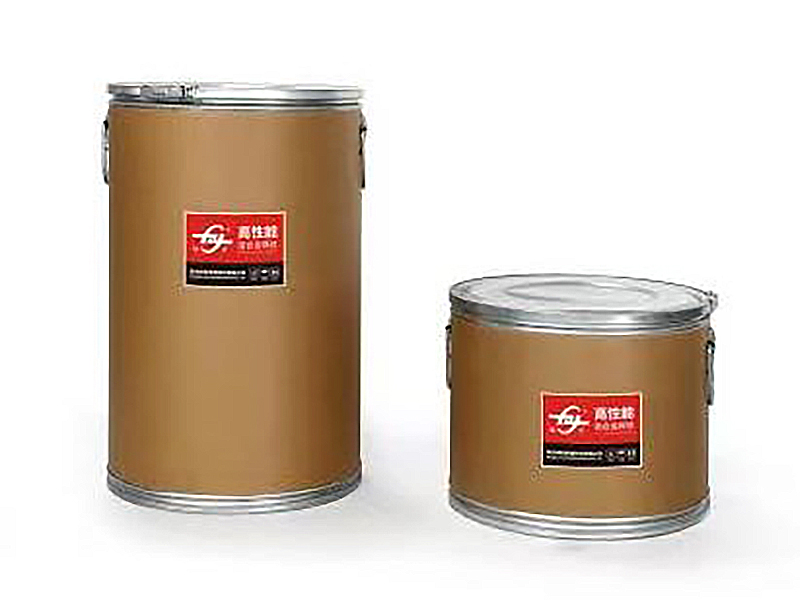 ER4043 Aluminum Welding Wire Manufacturers,SuppliersAs China ER4043 Aluminum Welding Wire Manufacturers and OEM/ODM Suppliers, Hangzhou Kunli welding materials Co., Ltd. provide wholesale A...View Product →
What Buyers and Welding Engineers Should Verify
Buyers usually compare alloy composition, price, and delivery time, but surface treatment is difficult to assess without asking the right questions. There are several factors beyond price that should drive wire purchasing decisions, and surface consistency is one of them. The table below lists practical checks used by welding engineers and quality departments. Use them when you qualify a new supplier or audit an existing one.
| Parameter | Why It Affects Performance | What to Ask |
|---|---|---|
| Surface cleanliness | Oils and oxide can cause porosity, smoke, and an unstable arc. | What cleaning method is used, and are incoming inspection results available? |
| Lubricant type and loading | Too little lubricant creates poor feeding; too much creates fumes and porosity. | What lubricant is applied, and what is the residue limit per kilogram? |
| Cast and helix | High helix causes liner friction and birdnesting. | What AWS A5.10 cast and helix values are guaranteed per lot? |
| Diameter tolerance | Oversize wire increases contact tip wear and overheating. | What is the diameter tolerance, and how is it measured? |
| Packaging and moisture barrier | Humid storage hydrates the oxide layer and creates porosity. | Is the spool vacuum-packed or supplied with desiccant? What is the shelf life? |
| Batch traceability | Surface treatment can drift between production runs. | Can you trace a spool back to cleaning and lubrication records? |
A reliable manufacturer should be able to provide numbers, not just claims. If a supplier cannot describe the cleaning and lubrication process, the wire may look acceptable and still perform poorly.
Surface Treatment Deserves a Place in Your Wire Specification
Surface treatment is not a cosmetic step. It is a functional process that determines whether a correctly classified alloy performs on the production floor. The best wire specification includes alloy chemistry, AWS classification, diameter tolerance, cast, helix, surface cleanliness, and lubricant loading. When those variables are controlled, weld quality becomes repeatable and the cost of rework drops.
At Kunli Welding, we treat surface treatment as a production checkpoint, not an afterthought. Our cleaning, oxide conditioning, and lubrication steps are verified before packaging, and the same discipline applies across our aluminum welding wire range. For the fabricator who has ever chased a porosity problem or a burner-back, the answer is often not a different alloy; it is a wire surface that is exactly as specified.
NEXT:OEM Aluminum Welding Wire Manufacturing Guide: Process, Quality & Supplier Selection