English
  Deutsch


Aluminum Mig Wire Feeding Secrets Revealed
Article Directory
- 1 What is Aluminum MIG Wire?
- 2 Feeding behaves differently for aluminum than it does for steel
- 3 How should you pick between 4043 and 5356?
- 4 Why does Aluminum MIG Wire jam so frequently in some setups?
- 5 How should aluminum wire be stored to avoid weld contamination?
- 6 Which Aluminum MIG Wire suits automotive body repair?
- 7 Quick comparison table for common filler choices
- 8 How can welds be cleaner and stronger with aluminum wire?
- 9 Why wire diameter matters when welding aluminum
- 10 What must a shop consider before shifting more work to aluminum?
- 11 How to reduce porosity when welding with aluminum wire
- 12 Why drive-roll selection changes feeding outcomes
Every workshop faces choices about filler, feeding gear, and handling practices, and when the decision narrows to non-ferrous work many teams turn to Aluminum Mig Wire Manufacturers for options that fit their process. The soft nature and surface characteristics of aluminum wire influence its feeding behavior. Therefore, spool type, liner selection, and drive-roll configuration should be confirmed prior to beginning the weld. Practical guidance on alloy choice, storage habits, troubleshooting steps, and welding technique equips technicians to avoid common feed problems and reduce rework.
What is Aluminum MIG Wire?
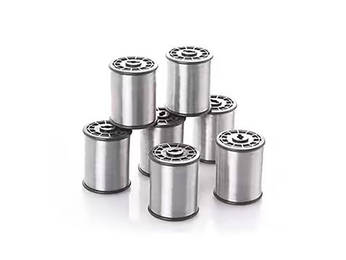
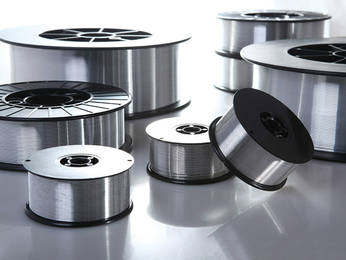
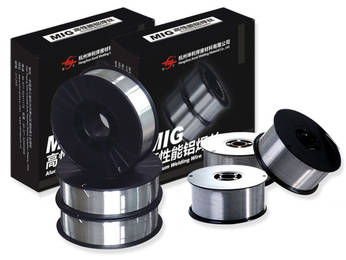
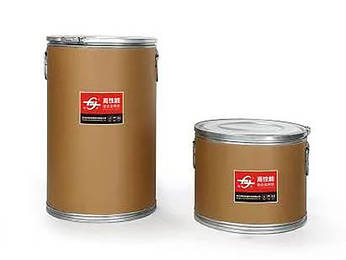
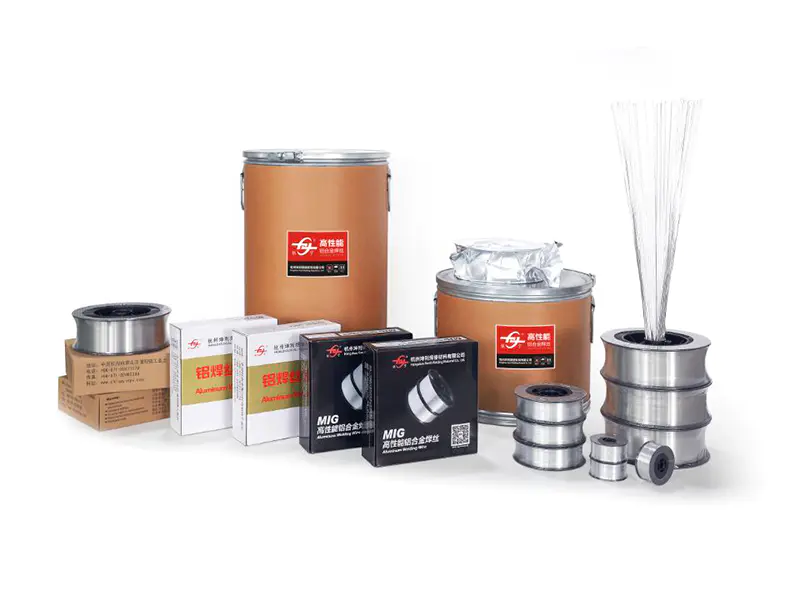
Aluminum MIG Wire is a continuous metal filler wire made from aluminum-based alloys, designed to be fed automatically through a MIG welding gun during the welding process. As the wire advances, it melts under the welding arc and becomes part of the joint, bonding aluminum parts together while also helping carry the electrical current needed to sustain the arc.
Unlike solid steel wire, Aluminum MIG Wire is softer and more flexible, which affects how it moves through welding equipment and how welders handle it. It is produced in different alloy types and diameters so it can match a wide range of base materials, from thin sheet panels to thicker structural components. The choice of alloy influences weld appearance, strength, corrosion behavior, and how the finished joint responds to forming or finishing operations.
Aluminum MIG Wire is commonly used in fabrication, repair, and manufacturing environments where lightweight materials are preferred. It supports fast deposition and consistent weld beads when paired with proper preparation, shielding gas, and feeding equipment. Because aluminum forms a natural oxide layer and reacts quickly to contamination, this type of wire is typically handled and stored with more care than steel wire to maintain weld quality.
In everyday shop practice, Aluminum MIG Wire is valued for enabling efficient joining of aluminum parts while allowing welders to adapt the process to different applications through alloy selection, wire diameter, and equipment setup.
Feeding behaves differently for aluminum than it does for steel
Aluminum wire is softer, more ductile, and covered by a persistent surface film. Those physical traits change how it travels from spool to tip. When pressure from drive rolls is too high, the wire can flatten or deform; when liner friction is high, the wire can kink or form nests. Spools that unwind with inconsistent tension will introduce loops that a soft wire can't straighten out, and long or contaminated liners magnify the problem. For these reasons, feed systems and operator habits designed for steel need adjustment for aluminum.
How should you pick between 4043 and 5356?
Choosing between the two common filler alloys comes down to the metal you start with and what you expect from the finished joint. One filler leans toward easier blending with painted or coated panels and offers a forgiving bead profile that machines and finishers tend to like. The other gives higher joint strength and is often the option when base metal temper or service loads demand it. For repairs where cosmetic match matters, select the filler that blends and polishes with the original surface. For structural mends or pieces that will face higher stresses or harsher environments, favor the filler that adds tensile capacity and resistance to cracking. Practical shop rules — test a scrap coupon, inspect weld color and bead shape, try your filler with the finish materials you plan to use — will point you to the right choice.
Why does Aluminum MIG Wire jam so frequently in some setups?
Typical jam symptoms include sudden feed stops, wire flattening under the drive wheel, burnback at the contact tip, and "birdnest" coils inside the feeder. Causes fall into a few categories: wrong drive-roll profile or pressure, contaminated liners, damaged contact tips, spool tension that allows the coil to kink, and wire surface contamination. Fixes are usually simple: switch to a softer-profile or U-groove roll designed to cradle soft rounds, lower drive-roll pressure just enough to keep grip without crushing, shorten the liner run, replace or clean the liner, and replace contact tips that show burn or build-up. A stepwise check from spool to tip helps isolate the root cause quickly.
How should aluminum wire be stored to avoid weld contamination?
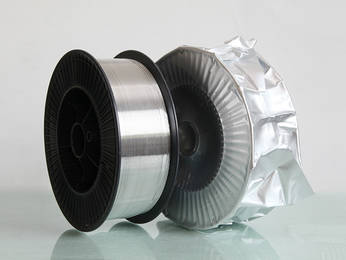
Store spools in a dry, dust-free environment and keep them sealed until needed. Use dedicated storage for non-ferrous consumables so steel filings and flux residues cannot migrate onto aluminum. When a spool is opened, label the date and keep it covered if it will not be used immediately. Handle wire with clean gloves to avoid transferring oils and skin salts, and consider small desiccant packs inside storage bags for long-term holds. A short routine check of the last few inches of wire before loading — a visual inspection and light wipe with a clean cloth — can prevent many weld defects caused by contamination.
Which Aluminum MIG Wire suits automotive body repair?
Thin panels and shaped sheet work reward a filler that flows with low heat input and accepts finishing processes. For visible seams that will be ground and painted, choose a filler that produces a weld bead easy to blend and that matches the paint system under common finishing techniques. For crash-prone brackets or suspension components, the weld filler needs to offer higher strength and resistance to fatigue. Many shops adopt a two-spool approach: one filler for panel work and a second for areas where strength is a priority. Trial welds on scrap panels from the same donor vehicle are the simplest way to verify appearance and mechanical behavior before committing to the repair.
Quick comparison table for common filler choices
| Characteristic | Filler | Filler |
|---|---|---|
| Ease of blending with paint | higher | moderate |
| Resistance to cracking under stress | moderate | higher |
| Suitability for castings and extrusions | good | limited |
| Typical use in thin sheet repairs | yes | selective |
How can welds be cleaner and stronger with aluminum wire?
Preparation sets the stage. Mechanical cleaning to remove oxides, followed by a solvent wipe to remove oils, leads to a steadier arc and less porosity. Shielding gas choice matters: pure noble gas keeps the arc stable; mixing with small amounts of other inert gas can alter bead shape and transfer characteristics, which may be useful for thicker sections. Gun angle, travel speed, and a modest heat input help form a good weld pool without melting through thin areas. For technicians moving from steel to aluminum, learning to push the gun gently and keep travel consistent pays more dividends than chasing higher wire feed speeds. Regular maintenance — clean contact tips, check liners for build-up, and replace nozzles that show spatter accumulation — translates directly into fewer defects and less downtime.
Suggested parameter reference
| Item | Guidance |
|---|---|
| Surface prep | Remove oxide, degrease, use clean brushes |
| Shielding gas | Use inert gas appropriate for material thickness |
| Gun handling | Moderate push angle, steady travel speed |
| Consumables | Match tip ID and roll groove to wire size |
Why wire diameter matters when welding aluminum
Diameter influences feedability, heat input, and deposition rate. Smaller diameters feed easier through long cable runs and into tight guns, but they have lower deposition which may require slower travel or multiple passes. Larger diameters carry more current and produce greater deposition but need firmer feed systems and correct drive-roll geometry to avoid flattening and slippage. Match diameter to the joint geometry and to the feeder hardware you have available; if your set-up struggles with larger rounds, step down the diameter or shorten the liner run.
What must a shop consider before shifting more work to aluminum?
Equipment readiness is one item: a spool gun or a robust push-pull arrangement helps where cable runs are long. Drive rolls and contact tips dedicated to aluminum prevent cross-contamination and feed problems. Operator skill matters — technique adjustments for travel speed and heat management reduce scrap and rework. Inventory practices should separate non-ferrous spools and store them in a controlled area; handling and logistics that work for steel often require tweaks for aluminum. Finally, evaluate the types of jobs incoming to your shop: are they cosmetic, structural, or mixed materials? Make decisions on tooling purchases and training based on the work profile you actually expect.
How to reduce porosity when welding with aluminum wire
Porosity has a few predictable causes: moisture trapped on or in the base metal or wire, oils or contaminants on the surface, turbulent gas flow, and improper heat control that traps gas in the cooling pool. Preventive steps include thoroughly drying parts and wire, using clean brushes and solvents, ensuring gas flows in a laminar manner across the weld, and tuning heat so the pool flows and allows gas to escape before solidification. If porosity appears after a weld, remove the affected zone and re-weld only after addressing the root cause; repeating the same parameters on contaminated material will likely repeat the defect.
Porosity troubleshooting table
| Symptom | Likely source | Immediate action |
|---|---|---|
| Random small holes across bead | Surface moisture or oils | Clean and dry, re-weld |
| Larger gas pockets near toe | Turbulent gas flow or contamination | Check nozzle, gas hose, and flow |
| Porosity only on one side | Base metal contamination | Grind out affected area, inspect underside |
Why drive-roll selection changes feeding outcomes
Drive-roll profile and pressure determine whether a soft wire is gripped and pushed or crushed and flattened. Rolls with a U-shape or gentle knurl grip the round without deforming it. Hardened V-grooves that work well for steel can bite into aluminum and create slip or squashing. Pressure settings are a balance: too low and the wire slips; too high and the wire changes shape and jams. When adding a spool gun or switching to a long cable run, re-check roll type and pressure settings for the new configuration.
Drive-roll quick guide
| Feeding method | Preferred roll profile | Pressure note |
|---|---|---|
| Short liner / spool gun | U-groove or soft knurl | Moderate |
| Long cable / push-pull | Knurled with correct groove | Slightly higher but controlled |
| Mixed steel/aluminum shop | Dedicated aluminum rolls | Keep separate to avoid contamination |
How to troubleshoot a persistent jam step by step
Start at the spool and walk the path to the tip: confirm spool tension and that the coil is free of tangles, inspect the liner for kinks or aluminum debris, swap to a clean contact tip sized for the wire, check drive-roll profile and pressure, and finally observe the feeder motor under load for irregularities. If the wire shows signs of flattening, reduce pressure; if the feeder motor struggles, try a smaller diameter wire or a shorter liner run. A methodical approach beats guesswork.
Common symptoms and likely fixes
| Symptom | Probable cause | Fix |
|---|---|---|
| Sudden feed stops | Liner contamination or kinking | Replace/shorten liner, inspect spool |
| Wire bulging or flattening | Too much roll pressure | Reduce pressure, change roll profile |
| Burnback at tip | Incorrect tip ID or power setting | Replace tip, verify settings |
| Erratic arc | Dirty wire or gas issues | Clean wire, check gas flow and nozzle |
Run a short test on scrap to verify the chosen filler and spool before committing to a repair, then walk the feed path from spool to tip to confirm smooth movement and correct pressure settings. Discuss spool and consumable options with Aluminum Mig Wire Manufacturers when unusual base metals or long cable runs are involved, and keep a simple log of settings that work for each material and joint type. Consistent preparation, careful material handling, and routine equipment checks support reduced wire feed interruptions and help welds meet requirements on the initial pass.
NEXT:How Aluminum Welding Wire ER4943 Beats Hot Cracking