English
 Deutsch



OEM Aluminum Welding Wire Manufacturing Guide: Process, Quality & Supplier Selection
Article Directory
- 1 What OEM Aluminum Welding Wire Manufacturing Means in Practice
- 2 From Aluminum Rod to Weld-Ready Wire
- 3 Matching the Alloy to the Base Material
- 4 Quality Parameters That Determine Wire Performance
- 5 How to Evaluate an OEM Aluminum Welding Wire Manufacturer
- 6 Procurement Considerations for OEM Aluminum Wire
- 7 Making the Right OEM Choice
A fabrication shop in the marine sector orders five tons of 1.2 mm aluminum welding wire from a supplier it has never audited. The price looks aggressive, and the delivery date fits the project plan. When the spools arrive, the chemistry certificate looks correct, but the wire birds-nests on the MIG feeder, porosity appears in the first weld test, and the tensile results fall below the requirement for the 5XXX base material. The project stops while the buyer searches for a new source.
This scenario is not unusual in the aluminum welding wire market. Wire that passes a visual inspection can still fail in service when the manufacturing process lacks control. An OEM aluminum welding wire manufacturing arrangement addresses that risk by aligning chemistry, dimensional accuracy, surface condition, and packaging with the buyer's actual application requirements.
What OEM Aluminum Welding Wire Manufacturing Means in Practice
OEM, or original equipment manufacturing, in the welding wire segment means a manufacturer produces wire to the buyer's specification rather than only selling a standard catalog product. In practice, this involves an agreed alloy composition within the AWS A5.10 limits, a fixed wire diameter and tolerance, controlled cast and helix values, a defined surface finish, a specific package format, and documentation that allows traceability from the finished spool back to the original cast.
The value of an OEM relationship is predictability. Standard wire from a distributor's warehouse may originate from many production lots with slightly different chemistries and drawing histories. Wire manufactured to an OEM specification comes from a controlled production run, so mechanical properties and feeding behavior stay stable from spool to spool. This matters most in industries such as shipbuilding, rail fabrication, and structural automotive welding, where the weld must meet the same acceptance criteria on Friday as it did on Monday. Buyers who want to understand how manufacturing choices affect shop-floor results should look closely at what aluminum MIG wire manufacturers offer in terms of process control before signing a supply agreement.
From Aluminum Rod to Weld-Ready Wire
Aluminum welding wire begins as rolled rod, typically 9.5 mm or 12 mm in diameter. The manufacturer draws the rod through a series of dies, each pass reducing the cross-section while work-hardening the aluminum. Because aluminum is a soft and easily damaged metal, drawing parameters directly affect the final wire's tensile strength, elongation, and feedability. A reduction that is too aggressive can produce internal micro-cracks; an unstable process can cause the diameter to drift outside its tolerance band.
Surface Preparation Directly Affects Porosity
Aluminum is naturally covered by a thin, hard oxide layer. During welding, that oxide melts at a much higher temperature than the base metal and can cause porosity, incomplete fusion, and dirty welds. A capable OEM manufacturer removes loose oxides, drawing lubricants, and machining residues through shaving or chemical cleaning, then protects the clean surface from moisture. Surface condition often matters more than alloy chemistry for consistent MIG welding results.
Cast, Helix, and the Role of Precision Winding
Cast and helix are the two geometric properties that determine how wire feeds through a liner and contact tip. Cast is the diameter of the natural circle the wire forms when a length is laid flat; helix is the vertical rise of that circle. If cast is too small, the wire tangles; if helix is too high, the arc wanders and the bead becomes uneven. OEM suppliers set cast and helix targets on precision winding equipment and then lock in those values with sealed, moisture-resistant packaging.
Matching the Alloy to the Base Material
Alloy selection comes before process design in any serious OEM conversation. Each filler family has a different melting range, solidification behavior, and mechanical profile, and the choice must match both the base material and the service environment.
ER4043 and the 4XXX Silicon Family
ER4043 is the standard aluminum-silicon filler for 6XXX series base materials. The silicon content improves fluidity, reduces hot cracking, and produces a smooth, bright bead. It is the first choice for extruded frames, architectural assemblies, and general fabrication. The trade-off appears when the welded part must be anodized: the silicon-rich bead turns dark grey rather than matching the base metal. For applications that need a balance of crack resistance and natural finish, many OEM buyers specify ER4043 silicon aluminum welding wire in diameters from 0.8 mm to 1.6 mm, depending on the MIG or TIG process.
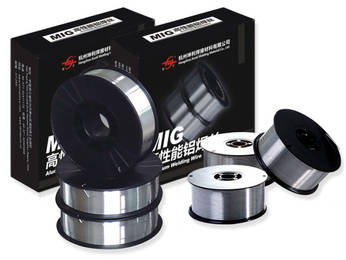
 ER4043 Aluminum Welding Wire Manufacturers,SuppliersAs China ER4043 Aluminum Welding Wire Manufacturers and OEM/ODM Suppliers, Hangzhou Kunli welding materials Co., Ltd. provide wholesale A...View Product →
ER5356 and ER5183 in the 5XXX Magnesium Family
The 5XXX series fillers add magnesium, which raises strength and improves corrosion resistance. ER5356 is a versatile choice for marine structures, automotive panels, and general-purpose structural work where the weld must perform in saltwater or outdoor conditions. ER5183 offers higher tensile strength than ER5356 and is specified where the base material is 5083, such as in ship hulls, pressure vessels, and cryogenic tanks.
Choosing between these alloys is not a matter of preference. ER5356 aluminum welding wire delivers reliable strength and feedability for most general fabrication, while ER5183 aluminum welding wire is the better fit for 5083 base metal and fatigue-critical joints where a slightly higher tensile level is required by the design code.
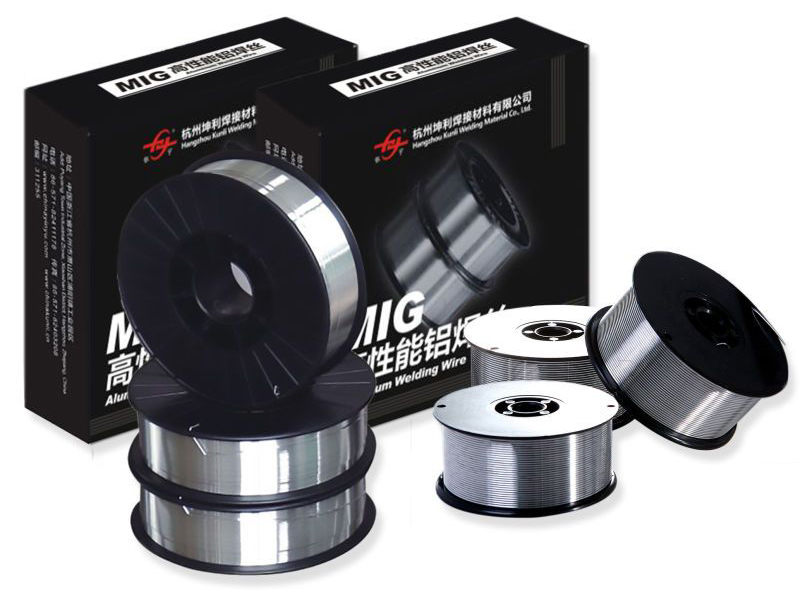 Aluminum Welding Wire ER5183 Manufacturers - Kunli SuppliersAluminum Welding Wire ER5183 supplied by Kunli manufacturer, suitable for automotive, and industrial welding with great strength and corr...View Product →
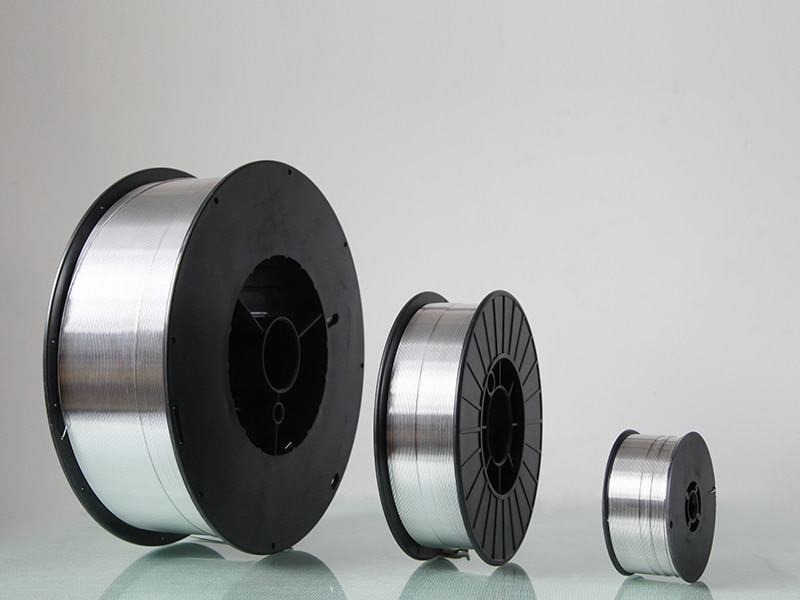 Aluminum Welding Wire ER5356 - Kunliwelding ManufacturerKunli is your go-to wholesaler for Aluminum Welding Wire ER5356, offering ideal corrosion resistance and strength. Suitable for marine, a...View Product →
Quality Parameters That Determine Wire Performance
An OEM specification is only useful if the manufacturer can measure and hold every parameter that affects weld quality. The table below lists the core inspection points used in serious aluminum wire production.
| Parameter | Typical target | Impact on welding |
|---|---|---|
| Alloy chemistry | AWS A5.10 limits for the selected alloy | Wrong composition changes weld strength, cracking behavior, and corrosion resistance |
| Diameter tolerance | ±0.03 mm for 1.2 mm wire | Oversized wire causes burnback; undersized wire causes poor contact and unstable arc |
| Cast (free loop) | 400–700 mm depending on diameter | Controlled cast prevents tangling and ensures smooth feeding over long distances |
| Helix | ≤10 mm per loop | Excessive helix causes arc wander and an uneven weld bead |
| Surface condition | Free of oxide, oil, and moisture | Surface contamination is the main cause of porosity and poor fusion |
Each of these parameters can be verified by a competent factory before shipment. A supplier that cannot produce a mill certificate with full chemistry, tensile, and dimensional data for every lot should be treated as a high-risk source. Buyers who want a deeper view of what separates reliable suppliers can review this critical guide to aluminum alloy welding wire suppliers when building their vendor list.
How to Evaluate an OEM Aluminum Welding Wire Manufacturer
Evaluating a factory is part desk audit and part physical inspection. A serious buyer should confirm the following before committing to a supply agreement:
- Certifications. Check whether the plant holds ISO 9001 and product approvals such as ABS, DNV, CCS, or CE for the alloys you intend to buy.
- Production equipment. Look for dedicated aluminum wire drawing lines, precision winders, and automated spooling; general-purpose steel wire lines cannot produce the same surface quality.
- Testing laboratory. Confirm that the factory can measure chemistry, tensile strength, diameter, cast, helix, and surface condition in-house, not just in a third-party report.
- Raw material control. Ask where the alloy ingots come from and whether incoming material is chemistry-verified at the gate.
- Traceability. Every spool should be traceable to a cast, a drawing line, and a finished inspection record.
- Reference customers. A supplier that has passed audits from shipyards, rail manufacturers, or automotive OEMs will usually have the documentation culture that industrial buyers need.
Hangzhou Kunli Welding Materials Co., Ltd. is one example of a manufacturer structured around these requirements. The company reports more than 35 years of R&D experience in aluminum alloys, operates an annual capacity above 2,500 tons, and exports about half of its output to more than 30 countries. It has supplied industrial customers such as CRRC and Maersk, which means its documentation and quality systems have already been reviewed by demanding procurement teams. Buyers comparing options in Asia should also study how to choose a China-based aluminum alloy wire manufacturer, since factory capability varies widely across the region.
Procurement Considerations for OEM Aluminum Wire
Once the specification and supplier are agreed, the remaining risk sits in execution. Purchase orders for OEM aluminum welding wire should include the following arrangements:
- Pre-production sample. Require a sample from the actual production lot, weld-test it on your own equipment, and verify feedability and weld appearance before shipment.
- Written specification. Define chemistry, diameter tolerance, cast, helix, and surface condition in the purchase order, not just in the sales discussions.
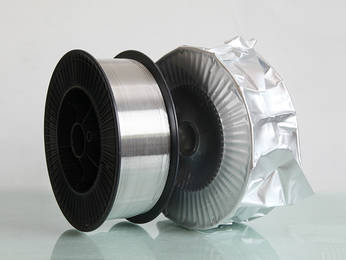
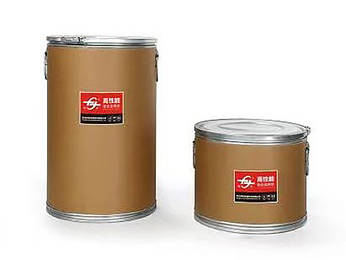
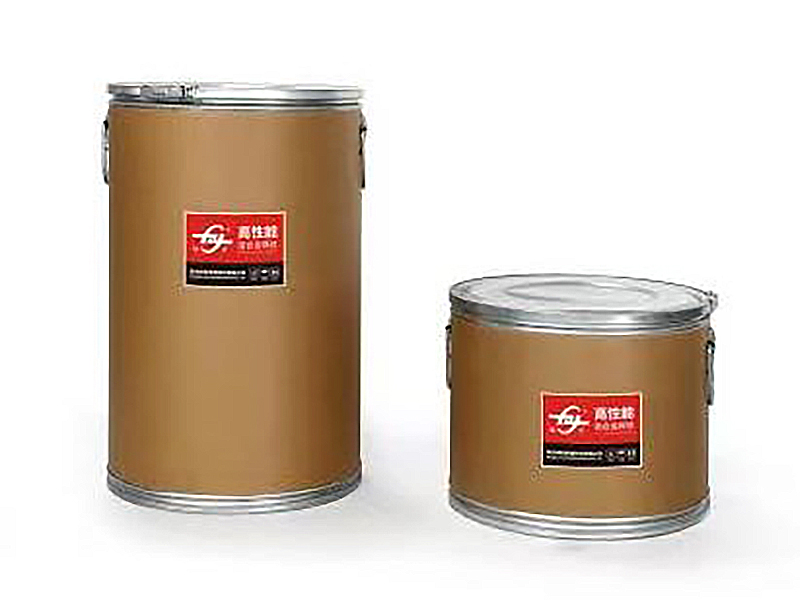
- Packaging and storage. Aluminum wire should be vacuum-sealed or supplied with moisture-barrier packaging and desiccant. Store spools indoors, away from temperature swings.
- Documentation. Ask for a mill certificate per lot, including chemistry, mechanical properties, and dimensional results.
- Dispute and inspection terms. Agree on how dimensional and welding tests will be performed if a lot is disputed, and which laboratory will act as the referee.
Making the Right OEM Choice
OEM aluminum welding wire is not a commodity. It is an engineered consumable in which chemistry, drawing quality, surface finish, and packaging all influence the final weld. A buyer that defines the specification clearly, verifies the supplier's process control, and plans for traceability will avoid the most common failure modes: porosity, feed instability, and out-of-spec mechanical properties. The manufacturers that manage these details well are the ones whose wire performs the same on the first spool as it does on the hundredth.
NEXT:How Does 4943 Aluminum Welding Wire Support Traceability