English
  Deutsch


How Suppliers Ensure Aluminum Wire Compatibility
Article Directory
- 1 What is Aluminum Alloy Welding Wire ?
- 2 What should buyers consider when matching filler chemistry to base alloys?
- 3 How do welding processes change the way Aluminum Alloy Welding Wire performs?
- 4 Why do pores appear when using aluminum filler?
- 5 What measures can be taken to reduce porosity when using aluminum filler?
- 6 Which wire diameter and form should you pick for consistent feed and bead shape?
- 7 How does storage and handling affect the performance of Aluminum Alloy Welding Wire?
- 8 When should fabrication teams adjust shielding gas or welding parameters for aluminum joints?
- 9 Why does lifecycle thinking and recyclability matter for welding decisions?
- 10 What are effective on-floor checks to confirm incoming wire quality?
- 11 How do repair and maintenance considerations influence filler choice for long-lived assemblies?
- 12 What are common myths about aluminum filler that fabricators should stop believing?
- 13 What simple changes can immediately improve weld consistency in a production run?
Aluminum alloy welding is a complex process requiring precise operation at every stage. Selecting the appropriate welding wire is crucial for stable, reliable, and predictable welding quality. The capabilities of Aluminum Alloy Welding Wire Suppliers have a significant impact on this process; their understanding of alloy compatibility, wire handling specifications, and process integration directly affects the reliability of the welding wire. Supplier expertise is reflected in ensuring the welding wire's chemical composition matches the base alloy, achieving contamination-free delivery, and supporting stable performance across various welding processes—all contributing to reliable welding results. Processing workshops face challenges in equipment, environment, and material selection, making the supplier's ability to safely deliver and reliably transport the welding wire on the production line extremely important. Decisions regarding welding wire chemical composition, wire forming, and packaging are closely linked to workshop operating practices; therefore, early communication regarding traceability and handling methods is critical to production. Practical inspection measures—such as sealed storage, brief feeder testing, and clear packaging and feeding setup guidelines provided by the supplier—connect the procurement process with repeatable production results and reflect the trends in automation and materials management.
What is Aluminum Alloy Welding Wire ?
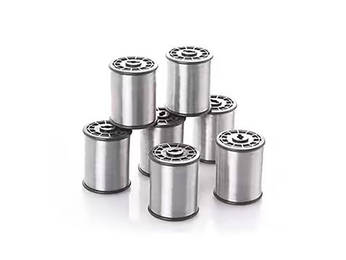
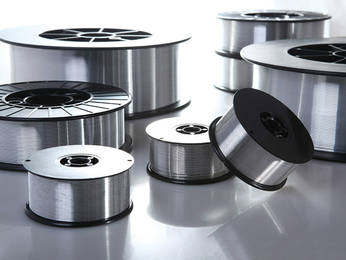
Aluminum Alloy Welding Wire is a filler metal supplied as spooled wire that is used to join aluminum components during welding. It is formulated so the deposited metal complements the chemistry and mechanical behavior of the base aluminum, helping the joint form reliably as the molten pool solidifies. The wire may be solid or have internal features designed to influence pool behavior, and it is chosen to match factors such as base alloy family, joint geometry, and the welding process in use.
This wire is often selected for wire-fed processes that require consistent feeding, though the same filler principle remains relevant for hand-fed rods used in other techniques. Buyers and fabricators consider compatibility with the base material, how the wire feeds through their equipment, and whether the wire's handling and packaging protect it from contamination and moisture during storage and use. Proper selection and handling reduce weld defects and help achieve consistent bead appearance and fusion.
What should buyers consider when matching filler chemistry to base alloys?
When buyers evaluate Aluminum Alloy Welding Wire for a project, the interaction between filler chemistry and the base alloy deserves careful attention. Aluminum alloys behave differently during heating and cooling, so choosing a filler with compatible characteristics helps the weld respond smoothly during solidification and service. Look closely at how alloying elements influence fluidity, surface finish, and joint behavior under everyday use.
Environmental exposure is another important factor. If an assembly will encounter humidity, temperature shifts, or contact with various working environments, select wire types that maintain stable behavior after joining. This approach supports consistent appearance and helps limit the need for additional surface work.
Buyers should also think about downstream fabrication steps. Some filler options allow easier finishing, while others maintain a steadier bead profile for long seams or repetitive welds. Consulting practical field experience, checking how the supplier describes compatibility ranges, and performing small trial joints all help confirm whether the chosen filler and base alloy behave well together. Taking time to align these characteristics often reduces rework and keeps the project moving steadily.
How do welding processes change the way Aluminum Alloy Welding Wire performs?
Different welding processes influence how Aluminum Alloy Welding Wire behaves as it melts and forms a joint. Each process affects heat distribution, pool stability, wire feed behavior, and the general flow of the molten metal. For instance, some arc modes create a calmer weld pool that supports steady bead formation, while others deliver a more direct and concentrated heat input that suits thicker material.
Wire-fed processes rely heavily on consistent feeding, so the interaction between drive rolls, liners, and spool tension becomes a central factor in performance. Even small variations in feed pressure or wire path alignment can influence how smoothly the filler enters the weld area. Manual processes place greater weight on operator control, making torch angle, travel speed, and arc length important contributors to the final appearance and structural behavior of the joint.
Process settings also shape the level of control welders have over bead shape and penetration. Adjustments in current levels, travel speed, or pulse characteristics can help manage distortion or reduce irregularities along the joint. Because aluminum reacts quickly to heat, selecting the process that aligns with the thickness, joint type, and production pace helps support stable outcomes without unnecessary rework.
By viewing process choice, wire form, feeding equipment, and operator technique as interconnected factors, buyers and fabricators can better anticipate how the filler will behave during actual production and make adjustments that support consistent performance.
Why do pores appear when using aluminum filler?
- Surface contamination
Oils, dust, oxide layers, and handling residues can trap gases when the filler and base material melt together. These contaminants interfere with the stability of the weld pool and allow small pockets of gas to remain inside the joint.
- Moisture exposure
Aluminum surfaces and filler wires can absorb or retain moisture from the surrounding environment. When heated, this moisture turns into vapor and forms pores within the weld.
- Unstable shielding coverage
Inconsistent shielding during the weld allows surrounding air to enter the molten pool. Variations in gas flow, nozzle condition, or torch positioning may let small amounts of air mix with the metal.
- Irregular heat input
Heat fluctuations can cause inconsistent melting and solidification. This uneven behavior affects how gases escape from the pool and may increase pore formation.
What measures can be taken to reduce porosity when using aluminum filler?
- Thorough cleaning before welding
Remove oils, dust, oxides, and other residues using appropriate mechanical or chemical methods. Cleanliness helps maintain a stable weld pool and reduces trapped contaminants.
- Dry and protected wire storage
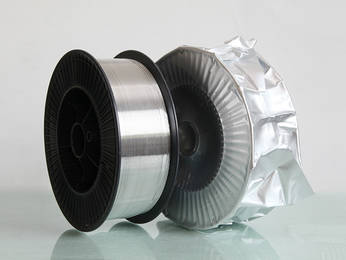
Store Aluminum Alloy Welding Wire in sealed or protected conditions to limit moisture exposure. Avoid open storage in areas with fluctuating humidity.
- Stable shielding gas flow
Confirm that the nozzle is clean, the diffuser is functioning properly, and the flow rate is steady. A consistent shielding environment helps prevent air from entering the weld pool.
- Steady torch control
Maintain a consistent angle and travel speed to support balanced heat distribution. This steadiness helps gases escape more effectively while the pool is fluid.
- Routine equipment checks
Inspect liners, contact tips, and feeder paths to ensure smooth wire delivery. Irregular feeding can disturb the pool and contribute to porosity.
- Short practice passes on scrap material
Conduct a quick test weld whenever starting a new joint or spool. This helps confirm that the setup, shielding, and wire condition are all behaving as expected.
Which wire diameter and form should you pick for consistent feed and bead shape?
For aluminum welding, wire diameter and form affect how smoothly the wire feeds and how stable the bead looks.
A smaller diameter wire gives better control when working on thinner material because it melts easily and allows a steadier arc. Larger diameters carry more filler into the joint, which helps on thicker sections but requires a bit more heat and a stable push angle to avoid waviness in the bead.
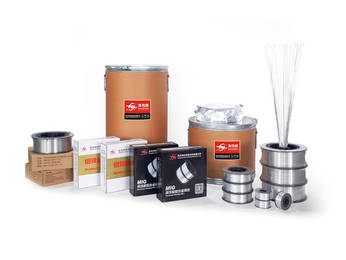
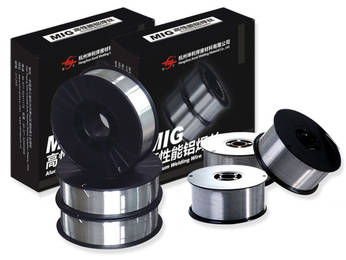
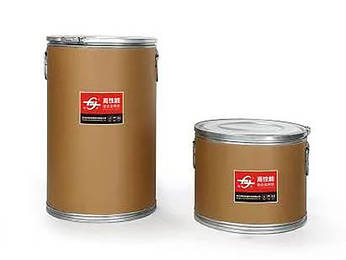
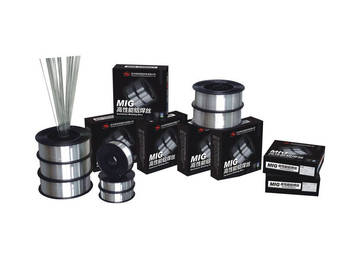
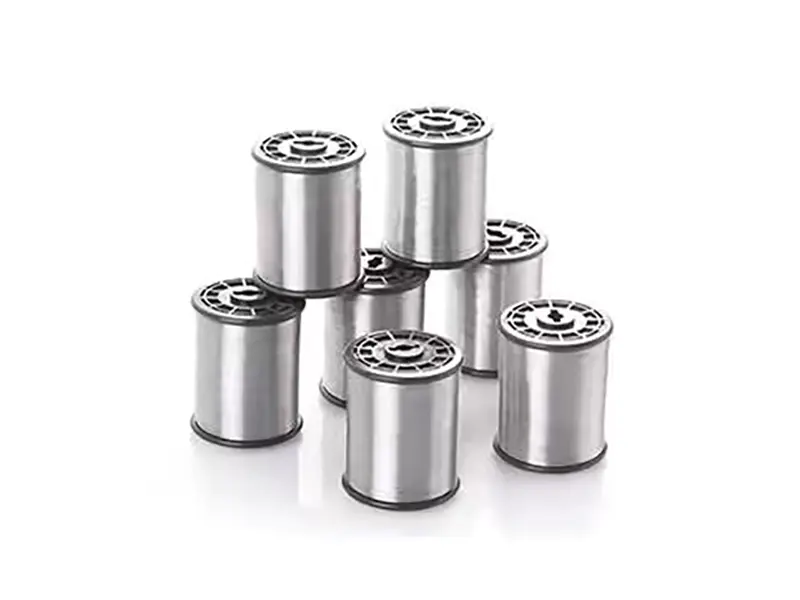
Wire form matters as much as size. Spooled wire works well for continuous MIG welding because it maintains a steady feed when the drive rolls, liner, and contact tip match the wire size. Drum packaging supports long production runs with fewer stops, which helps keep bead appearance uniform. For TIG, straight cut filler rods are the usual choice since they allow precise hand-fed control and a smoother rhythm during dipping.
Choose the diameter that suits the base metal thickness and the form that matches your process: smaller wire or rods for fine control, larger sizes or bulk spools for steady deposition on thicker work.
Practical Steps for Selection
- Conduct short test runs on representative materials to observe bead shape and arc behavior.
- Check feeder components for alignment and wear before evaluating wire feed performance.
- Match wire diameter and form with the intended welding process, joint design, and production rhythm.
- Review handling conditions, as some wire forms require more careful storage or protective packaging.
- Selecting a diameter and form that align with equipment capability, joint requirements, and operator technique helps maintain steady feeding and supports clear, consistent bead formation.
How does storage and handling affect the performance of Aluminum Alloy Welding Wire?
Wire can pick up oils, dust, and moisture that compromise weld quality long before the arc is struck. Keep spools in sealed containers in a dry area and avoid open storage near machining or painting operations that generate airborne contaminants. When unspooling, protect the wire from kinks and sharp bends that can create feeding anomalies. Some operations use on-demand desiccant systems or vacuum packs to limit exposure during extended storage. Small handling changes — dedicated gloves, clean work surfaces, and simple on-site checks of packaging integrity — reduce surprises at the weld station and help maintain consistent first-pass quality. Practical handling practices are often low cost but high impact on downstream yield.
When should fabrication teams adjust shielding gas or welding parameters for aluminum joints?
Fabrication teams usually adjust shielding gas or welding parameters for aluminum joints when changes in joint behavior, surface conditions, or process stability begin to appear during production. When Aluminum Alloy Welding Wire meets shifting shop conditions, even small variations in temperature, humidity, or joint preparation can influence arc steadiness and pool response. A slight change in how the arc sounds, how the pool moves, or how the bead solidifies can indicate that the gas composition or flow rate no longer matches the conditions around the joint. Teams may also notice subtle haze, faint discoloration, or a thin, uneven surface layer on the bead, which can signal that the shielding environment needs refinement to protect the molten metal more effectively.
Adjustments become important when workpieces absorb or lose heat at a different rate than expected. As ambient conditions shift, the pool may form slower or faster, causing the wire to melt at an inconsistent pace. Changing the travel speed, voltage, or wire feed helps bring the joint back into balance. If the operator senses small pockets of disturbance along the arc or sees the bead edges spreading differently, modifying parameters can help stabilize the metal flow. Gas flow may also need correction when drafts or movement of air near the workstation influence coverage, prompting teams to revise the flow rate or adjust nozzle distance to maintain smooth shielding.
Teams often refine parameters when switching between joint designs or varying workpiece geometries. Curved sections, heavy flanges, or narrow corners can react differently to heat and gas flow, and the same settings that worked on broad, flat surfaces may not give the same result in confined areas. Transitional zones, repaired sections, or mixed-surface textures can require adjustments to maintain consistent coverage and keep the molten pool steady. Whenever the bead form begins to drift from the intended shape, small parameter changes help restore rhythm and predictability to the process.
Equipment condition also guides when adjustments are needed. If liners, nozzles, or diffusers show wear or accumulate residue, the gas pattern may shift and influence the arc. After replacing these parts, parameters often need slightly different settings to match the refreshed equipment behavior. Teams may also revise settings after changing wire diameter, spool weight, or wire form, since each variation influences how the arc transfers energy into the joint. Over time, minor drifts in machine calibration or drive roll pressure create subtle differences in arc response, making occasional parameter updates a practical part of maintaining stable aluminum welding operations.
Adjustments are equally valuable when operators observe small signs of porosity risk, such as irregular pool movement or light surface roughness. Modifying parameters to control heat input or improving gas coverage helps the filler and base metal interact more consistently. As production schedules shift and teams alternate between manual and automated operations, parameter updates ensure that both approaches produce compatible results.
In practice, fabrication teams benefit from staying attentive to visual and acoustic cues, equipment conditions, and environmental shifts that influence joint response. By updating shielding gas characteristics and welding parameters when these subtle indicators appear, they support steadier bead formation and encourage predictable behavior across a range of aluminum joint configurations.
Why does lifecycle thinking and recyclability matter for welding decisions?
Lifecycle thinking and recyclability matter in welding decisions because they shape how responsibly materials are selected, used, and recovered throughout a project's full service span. When Aluminum Alloy Welding Wire becomes part of this evaluation, teams can consider how alloy families interact with future reuse strategies, how joint design influences disassembly, and how filler choices affect downstream recycling quality. This approach supports material flows that stay productive for longer periods while reducing unnecessary waste. It also encourages fabrication methods that balance performance needs with mindful resource use, allowing aluminum components and welded assemblies to move more smoothly into circular material systems rather than ending up as discarded scrap.
What are effective on-floor checks to confirm incoming wire quality?
Effective on-floor checks for incoming aluminum welding wire start with examining the packaging for damage, confirming labels and lot details, and inspecting the wire surface for residue, scratches, or irregular winding. A quick feed test through the shop's actual feeder helps reveal tension issues or early signs of poor handling, while a short weld on scrap material offers a fast look at arc stability and bead behavior. Verifying that storage conditions were suitable and that the spool aligns with the intended hardware setup ensures the wire can move into production without disruptions or avoidable defects.
How do repair and maintenance considerations influence filler choice for long-lived assemblies?
Repair scenarios demand filler choices that are forgiving and compatible with the original assembly to avoid galvanic concerns or mismatched mechanical behavior. Consider how ease of welding under constrained access and on varied surfaces affects filler selection. In many in-field repairs, wire form and packaging that support easy feed and handling reduce the time needed to restore components. Planning for maintainability at the design stage — selecting filler and joint forms that facilitate later intervention — reduces lifecycle disruption.
What are common myths about aluminum filler that fabricators should stop believing?
Several myths about aluminum filler still circulate in workshops, and letting go of them helps fabricators make clearer decisions and avoid avoidable defects.
One common myth is that all aluminum filler behaves the same, regardless of alloy family. In reality, chemistry differences create noticeable variations in fluidity, crack sensitivity, and color match, so assuming every wire functions similarly can easily cause mismatched welds.
Another myth claims that aluminum joints are always fragile or difficult to control. While aluminum requires attention to cleanliness, heat input, and technique, it responds predictably when handled with proper preparation and parameter tuning. The challenge usually comes from inconsistent surface prep or unfamiliar settings, not from the material itself.
Some fabricators believe aluminum filler can tolerate contaminated joint surfaces without major impact. This often leads to porosity, lack of fusion, or irregular bead shape. Aluminum is sensitive to residues, so surface preparation remains a central step.
There is also a belief that hotter welding always improves penetration. Excessive heat can actually distort parts, widen the heat-affected zone, and reduce the stability of the weld pool. Balanced settings achieve better continuity than simply increasing heat.
Another frequent assumption is that wire feeding issues are unavoidable. Many of the slips, bird-nesting events, or irregular feed patterns come from worn contact tips, incorrect liners, or wire tension problems that can be corrected with routine checks.
Some teams also think color mismatch after welding means the filler is incorrect. Surface oxidation, post-weld finishing, or lighting can shift appearance, so color alone does not always indicate an alloy compatibility issue.
By moving past these misconceptions, fabricators gain more predictable results, reduce rework, and better understand how aluminum filler behaves within different production environments.
What simple changes can immediately improve weld consistency in a production run?
Simple changes can noticeably improve the consistency of welding during the production process by focusing on stability, cleanliness, and predictable material behavior. Keeping Aluminum Alloy Welding Wire dry and stored in controlled conditions helps prevent moisture-related issues that affect arc steadiness. Regularly cleaning joint surfaces removes films that interfere with fusion and keeps the weld pool stable. Using well-maintained liners, contact tips, and drive rolls helps the wire move with fewer interruptions, reducing fluctuations that appear in the bead. Adjusting travel speed and torch angles so they remain steady instead of varying from one pass to another also supports a more uniform arc. Even small steps, such as checking cable tension, confirming grounding quality, and keeping the work area organized, can create steadier conditions that repeat reliably from one weld to the next.
The value of Aluminum Alloy Welding Wire Suppliers lies in providing stable solutions that meet the actual needs of aluminum processing. This includes supplying welding wire that matches specific base alloys and environmental requirements, and ensuring that their packaging and handling processes effectively prevent the wire from getting damp and contaminated, directly impacting the welding station. Providing processors with reliable materials that ensure smooth wire feed, clean fusion, and predictable performance under controlled conditions helps lay the foundation for compliant welds. Collaborating with suppliers who understand the interrelationships of chemical composition, process suitability, and lifecycle factors helps achieve stable aluminum welds throughout the production cycle. Actual improvements often stem from meticulous and thorough actions, such as checking the condition of the wire spool upon receipt, conducting short-distance welding tests for verification, and maintaining a clean wire feed path and appropriate tension to ensure stable wire feeding. Encouraging suppliers to communicate on packaging and wire feeder compatibility fosters consensus between purchasing and production departments, reducing disruptions. Viewing Aluminum Alloy Welding Wire Suppliers as collaborators in maintaining wire condition and feeding reliability helps the workshop improve welding stability through simple on-site operations and maintain production continuity over long periods.