English
  Deutsch


How Does Braided Aluminum Wire Construction Affect Flexibility
Article Directory
- 1 Why a Braided Structure Changes Wire Flexibility
- 2 How Wire Diameter Shapes Bending Behavior
- 3 Does Bending Direction Change How Braided Aluminum Wire Performs
- 4 Why Vibration Changes the Case for Flexible Connections
- 5 What Role Braided Construction Plays in Flexible Connections
- 6 How Braid Density Affects Everyday Handling
- 7 Balancing Flexibility With Everyday Durability
- 8 What to Consider When Choosing Braided Aluminum Wire
Flexibility matters in a lot of ordinary wiring situations. A wire might need to wrap around a bracket, follow a machine as it moves, or take on repeated bending near a motor without turning the connection into a headache to work with.
Braided Aluminum Wire deals with this through the way it is put together. Rather than depending on a single solid path, a group of fine strands is woven into an outer structure that can shift and move together with whatever it's attached to.
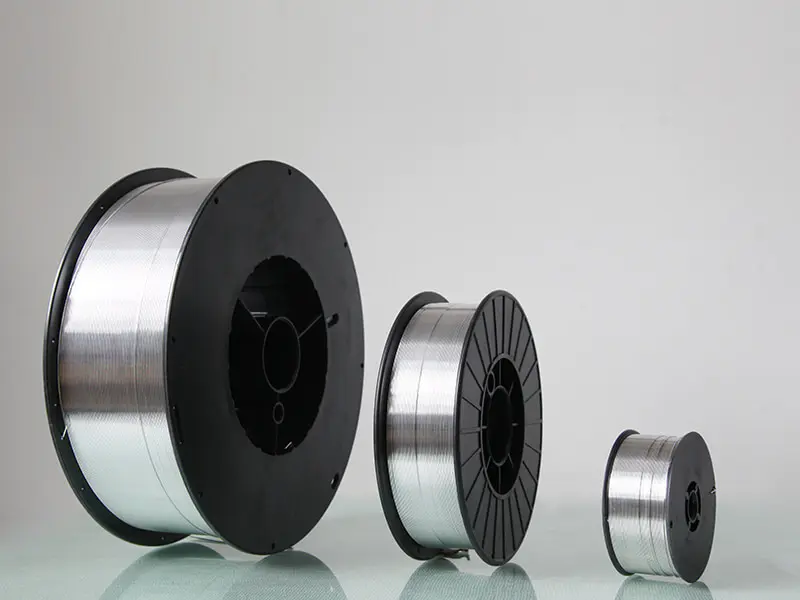
This kind of construction changes how the wire responds when it's bent. How the individual strands are arranged, how thick or thin they are, and the pattern of the braid itself all play a part in how easily the finished wire moves in your hands.
The setting the wire is used in also shapes what "enough flexibility" actually means. A connection tucked into a fixed panel doesn't need the same give as one sitting next to a vibrating pump or a hinge that opens and closes all day.
For people buying or specifying wire, keeping these differences straight makes the selection process a lot less guesswork. It also explains why Aluminium Braided Wire keeps coming up in applications where some amount of controlled movement is just part of daily operation.
Why a Braided Structure Changes Wire Flexibility
A braided wire is built from many strands woven into a connected structure, and each of those strands has a bit of room to shift as the whole wire bends. That small amount of individual movement is what lets the finished wire trace a curved path without fighting you the way a stiff cable does.
A solid wire doesn't work that way. Its cross-section acts as one continuous piece of metal, so when you bend it, the whole section has to absorb that movement instead of spreading it across many smaller strands.
That difference is worth keeping in mind when you're routing wire around a corner or a tight bracket.
| Construction Feature | Effect on Flexibility |
|---|---|
| Multiple wire strands | Lets individual strands shift as the wire bends |
| Woven arrangement | Helps the wire settle into curved paths |
| Strand spacing | Changes how the structure opens up during movement |
| Outer braid shape | Affects how the wire feels in the hand |
| Strand interaction | Changes how bending stress gets shared |
The braid isn't just an outer skin sitting on top of the wire for looks. It's part of how the wire actually handles movement, both while it's being installed and later while it's in service.
A well-arranged braid finds a workable middle ground between flexibility and holding its shape. Weave it too loosely and the wire won't hold a position; weave it too tightly and it starts to feel stiff in your hands, closer to a solid rod than a flexible connector.
That balance matters in situations where a connection needs to move smoothly while still remaining easy to position.
How Wire Diameter Shapes Bending Behavior
The diameter of the individual strands changes how a braided wire feels when you handle it. A thinner strand has less metal to move during bending, so it tends to give more easily, while a thicker strand pushes back a bit more.
Here's the part that trips people up: the diameter of one strand isn't the same thing as the overall size of the braided wire. A braid can pack in a lot of thin strands or fewer thick ones, and either way the final bundle ends up a different size and behaves differently in your hands.
This creates a few practical trade-offs worth weighing.
| Diameter Consideration | Possible Effect |
|---|---|
| Thinner individual strands | Tends to allow easier strand movement |
| Thicker individual strands | Tends to feel firmer when bent |
| Mixed strand sizes | Changes the overall balance of movement |
| Overall braided size | Affects how much space it needs for routing |
| Strand quantity | Changes how the braid behaves as a group |
When a wire has to snake through a tight route, like behind a dashboard or around a compact motor housing, the flexibility of the individual strands starts to matter more than it would in an open, roomy install.
A wire that seems flexible when you hold it straight in your hands can act differently once it's bent repeatedly around a fixed connection point. That's why it helps to test or check actual movement in context, rather than judging flexibility just by how the wire feels off the reel.
For Braided Aluminum Wire, the relationship between strand size and how the braid is built affects how readily the material follows the layout it's being routed into.
Because of that, picking a product means thinking about both the strand structure and the finished braided assembly, not just one or the other.
Does Bending Direction Change How Braided Aluminum Wire Performs
Bending isn't always a single, tidy motion in one direction. In a real installation, a wire might curve one way, shift sideways to clear a bracket, and then get nudged again while it's already connected to nearby parts.
The braid helps absorb these varied movements because its strands aren't locked rigidly to one another. They can shift relative to each other as the wire changes position.
A gentle curve lets the strands redistribute themselves gradually, so the load doesn't all land on one section of the braid at once. That tends to make positioning easier during installation, especially in tight quarters.
| Bending Situation | Structural Consideration |
|---|---|
| Gentle curve | Allows strand movement to happen gradually |
| Side movement | Needs flexibility spread across the braid |
| Repeated bending | Puts ongoing demand on the structure |
| Installation adjustment | Needs the wire to reposition without resistance |
| Restricted routing | Makes flexibility more important |
The direction a wire is bent in also shapes how the braid opens and closes as it moves.
When the wire bends one way, some strands draw closer together while others spread apart slightly. When it's straightened back out, the structure settles back into a different arrangement, not necessarily identical to where it started.
That kind of give is part of why braided construction shows up so often in flexible connections around machinery.
None of this means every braided wire suits every bending situation you might throw at it. The actual construction, along with how the wire will really be used, still needs to be checked before settling on a product.
Why Vibration Changes the Case for Flexible Connections
Machines and equipment generate movement even when nobody is deliberately bending a wire. A running motor, a vehicle rolling over uneven pavement, or a compressor cycling on and off all shake the components around them, wire included.
Vibration can come from motors, moving parts, vehicle systems, or other operating equipment nearby. A rigid connection has less room to absorb that kind of shaking, while a flexible one can move along with the surrounding parts instead of resisting them.
Aluminium Braided Wire gets used in these settings precisely because that kind of ongoing, low-level movement is part of the environment rather than a one-time event.
The braided structure gives the connection room to adjust as nearby parts shift, which tends to make routing and long-term reliability easier to manage.
| Operating Condition | Why Flexibility Matters |
|---|---|
| Equipment vibration | Lets the connection move along with nearby parts |
| Repeated machine movement | Helps the wire adapt to changing positions |
| Moving assemblies | Supports flexible routing around motion |
| Installation adjustment | Makes final positioning less of a fight |
| Compact equipment areas | Helps the wire fit limited routing space |
Vibration and bending aren't the same kind of stress, even though people sometimes lump them together.
Bending is a deliberate change in shape you make once or occasionally. Vibration is smaller, repeated movement that keeps happening around the connection while the equipment runs, and both put different kinds of demand on a braided structure.
A workable design has to account for whichever type of movement, or combination of both, actually shows up in the application.
That's also why flexible connections keep coming up in equipment where nothing around the wire stays perfectly still during normal operation.
What Role Braided Construction Plays in Flexible Connections
A flexible connection has to do more than bend once during installation and then sit there. It often needs to keep moving with the equipment around it for as long as the machine is in service.
It also has to fit into whatever space is available without pressing awkwardly against nearby parts or brackets. That's a practical constraint as much as a mechanical one.
The braid helps by spreading movement across many strands instead of asking one solid section to absorb every change in position on its own.
Because the woven structure allows small shifts throughout the braid, the connection tends to be easier to work with during actual installation, not just in theory.
For buyers, a few practical points are worth thinking through before ordering:
- Connection location — A connection near moving equipment usually needs more give than one tucked into a fixed panel.
- Movement pattern — How often and in what direction the connection is expected to move changes what construction makes sense.
- Available space — A flexible wire tends to route more easily through areas with bends or nearby obstructions.
- Handling requirements — A wire that's easy to position by hand cuts down on installation time and frustration.
These points help explain why Braided Aluminum Wire keeps showing up in flexible connection work across different kinds of equipment.
The value isn't really about flexibility as an abstract feature. It comes from how the construction and the actual movement of the application work together.
How Braid Density Affects Everyday Handling
The tightness of the weave changes how a braided wire feels once you start bending or positioning it by hand.
A more open braid tends to give the strands more room to shift relative to each other. A tightly woven braid trades some of that movement for a more compact, controlled shape.
Neither approach is automatically the right call for every job.
What works depends on what the connection actually has to do once it's installed and running.
| Braid Characteristic | Handling Consideration |
|---|---|
| Open structure | May allow more strand movement |
| Closely arranged strands | Tends toward a more compact structure |
| Consistent weave | Supports predictable handling |
| Uneven construction | Can affect how the braid bends |
| Flexible outer structure | Can make curved routing simpler |
The braid also has to stay practical while someone is actually installing it, not just in a spec sheet.
Workers often need to bend the wire into position, work it around nearby components, and adjust it before securing the connection for good. A structure that responds naturally to that handling tends to make the whole job faster and less frustrating.
That matters even more in compact equipment, where there simply isn't room for trial and error.
When space is tight, a rigid connection can demand a lot of careful, fiddly positioning. A flexible braided structure gives some extra room to work with when routing around whatever's already in the way.
The point isn't to let the wire move without any control at all. Useful flexibility means the connection can adapt to the install while still staying manageable in someone's hands.
Balancing Flexibility With Everyday Durability
Flexibility and durability are related, but they aren't the same thing, and it's worth keeping that distinction clear.
A wire built for movement still has to hold together during ordinary handling, day after day. Repeated bending puts stress on individual strands, on the points where the braid crosses itself, and on the connection ends.
Because of that, the full construction deserves attention, not just whichever single feature happens to stand out on a spec sheet.
Strand material, braid pattern, connection ends, and any protective coating all shape how the finished wire actually behaves over time.
| Design Area | Practical Question |
|---|---|
| Wire strands | Can they move the way the design intends? |
| Braid pattern | Does the structure support the bending it needs to handle? |
| Connection ends | Do they stay stable while the wire moves? |
| Outer surface | Does it suit the environment it's installed in? |
| Overall construction | Does it balance movement with staying put? |
A flexible wire that gets harder to handle after repeated use isn't really doing its job in a moving connection, no matter how good it looked when new.
At the same time, a structure that's built too stiff creates its own problems by fighting the installer during routing.
This balance becomes especially important in equipment that mixes moving parts with fixed connection points side by side.
A braided structure can land in that middle ground, accommodating movement without turning loose or unpredictable over time.
What to Consider When Choosing Braided Aluminum Wire
The application itself should drive the selection, more than the product name on a datasheet.
A reasonable starting point is figuring out where the wire will actually sit and how much movement it's likely to see over its working life. From there, available space, bending direction, vibration conditions, and how the connection will be terminated are all worth discussing with a supplier directly.
Appearance alone doesn't tell you enough.
Two braided wires can look nearly identical sitting side by side on a shelf while behaving quite differently once installed, simply because of differences in strand construction, braid arrangement, or how the ends are finished.
A practical purchasing conversation might cover:
| Buyer Question | Reason for Considering It |
|---|---|
| Where will the wire be installed? | Identifies the surrounding environment |
| Will the connection move? | Establishes how much flexibility is actually needed |
| Is bending part of installation? | Helps define the handling requirement |
| Is vibration present? | Indicates whether repeated movement matters |
| Is space restricted? | Affects how much routing flexibility is needed |
| What material is being connected? | Supports a workable product match |
Clear labeling and documentation also make life easier for warehouse and installation crews down the line.
When materials are clearly identified, workers are less likely to grab a welding product by mistake when a flexible connection product was actually called for, or mix up different aluminum wire types on a busy shop floor.
For projects involving Aluminium Braided Wire, being specific about the real operating conditions, rather than just naming a general category of wire, tends to make the whole selection process go more smoothly.
The braid is only one part of the finished product, but it has a real, practical influence on how the connection handles bending, vibration, and everyday installation movement.
NEXT:What Storage Practices Help Maintain Silicon Aluminum Filler Metal