English
  Deutsch


What Storage Practices Help Maintain Silicon Aluminum Filler Metal
Article Directory
- 1 Why Does the Storage Environment Matter for Silicon Aluminum Filler Metal?
- 2 How Can Packaging Protection Help Preserve Welding Materials?
- 3 Where Should Silicon Aluminum Filler Metal Be Placed in a Warehouse?
- 4 How Does Handling Affect the Condition of Filler Metal?
- 5 Why Is Inventory Rotation Useful for Aluminum Welding Wire?
- 6 What Should Buyers Know About Different Aluminum Mig Wire Types?
- 7 How Can Pre-Use Inspections Help Identify Storage Problems?
- 8 How Can Warehouses Organize Silicon Aluminum Filler Metal More Effectively?
Storage is easy to overlook when people discuss welding materials, mostly because attention naturally gravitates toward the welding process itself rather than what happens before a spool ever reaches the station. A product may leave a production facility in perfectly suitable condition, yet its later performance can still get affected by how it's transported, stored, handled, and prepared for use down the line.
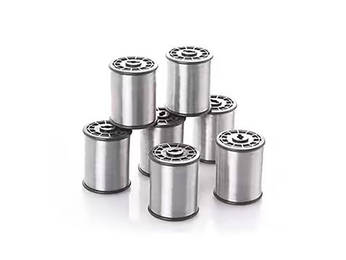
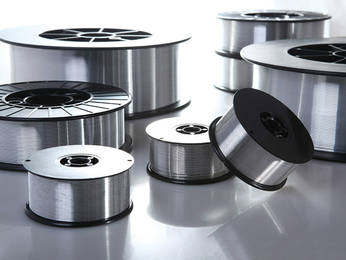
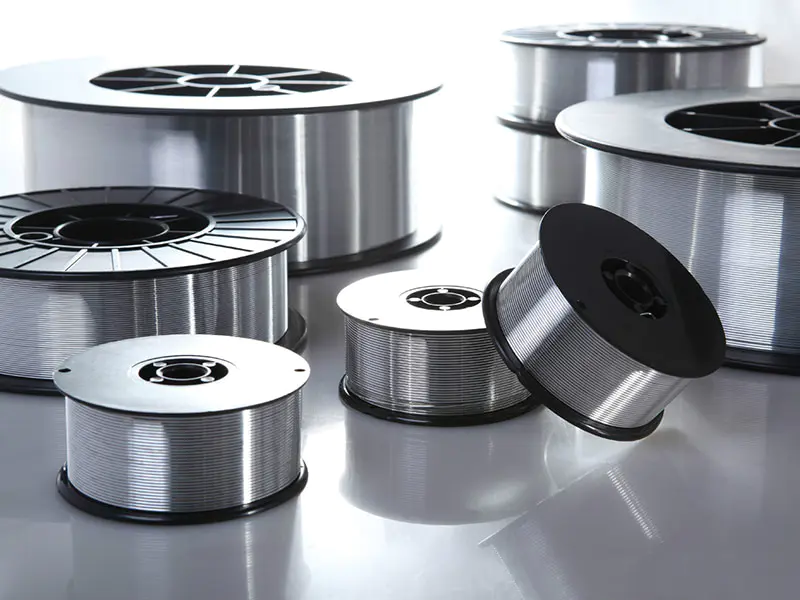
This matters especially for Silicon Aluminum Filler Metal, which may sit in a warehouse for weeks or months before ever reaching a welding station. Moisture, dust, damaged packaging, rough handling, and disorganized inventory can all create problems that were entirely avoidable with a bit more attention early on.
The same principle carries across different Aluminum Mig Wire Types stocked in the same facility. Materials may serve different applications on the shop floor, but they all benefit equally from orderly storage and careful handling regardless of what job they're eventually used for.
For buyers and warehouse teams, good storage isn't really about complicated procedures or fancy systems. It's mostly about controlling everyday conditions that are easy to fix once someone actually pays attention to them. A clean storage area, suitable packaging, clear labeling, sensible stock rotation, and a simple inspection routine can keep welding materials genuinely ready for use whenever they're needed.
Why Does the Storage Environment Matter for Silicon Aluminum Filler Metal?
The surrounding environment has a direct influence on stored welding materials, even when nobody's actively touching them. A warehouse doesn't need to be treated like a production line with controlled air and spotless floors, but it should offer a clean and reasonably stable place for products to sit until they're actually needed on the floor.
Moisture deserves careful attention here, as it can affect packaging during storage and handling. A damp environment may gradually affect packaging materials and allow unwanted residue to settle on exposed surfaces that are not designed for prolonged humidity.
Dust creates a different kind of issue entirely. If filler metal gets stored near cutting, grinding, painting, or other activities that throw particles into the air, the packaging can end up contaminated even when the product itself was well protected to start with.
| Storage Condition | Possible Concern |
|---|---|
| Excess moisture | Packaging and surface condition may be affected |
| Dusty surroundings | Particles may collect on packaging |
| Poor ventilation | Dampness may remain in the storage area |
| Direct exposure | Product and packaging may be exposed to unnecessary environmental changes |
| Disorganized storage | Materials may be mixed or handled repeatedly |
The storage area should stay clean and organized as a matter of routine, not just during an occasional cleanup day. Materials shouldn't sit where they can easily come into contact with water or other substances splashing over from nearby work.
This approach proves useful for Silicon Aluminum Filler Metal, as well as products like 4943 Aluminum Welding Wire and 5183 Aluminium Mig Wire Welding materials sitting on the same shelves. Different products carry different use requirements on the job, but careful warehouse management gives all of them the same solid foundation to start from.
How Can Packaging Protection Help Preserve Welding Materials?
Packaging amounts to more than just a method of getting product from one place to another. It also creates a genuine barrier between the material and whatever storage environment it happens to sit in for weeks at a time.
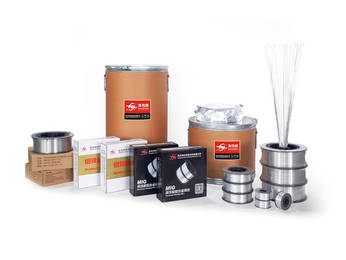
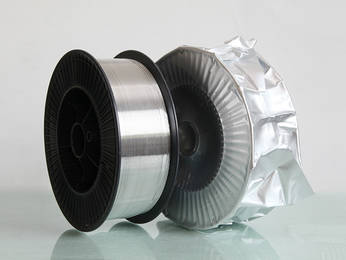
A package that stays intact helps protect its contents from dust, moisture, handling damage, and mix-ups with other materials sitting nearby on the same shelf. Warehouse staff should avoid opening packages earlier than actually necessary, since once a package gets opened, the material inside faces a lot more exposure to whatever's happening in the surrounding air.
| Packaging Practice | Practical Purpose |
|---|---|
| Keep original packaging intact | Helps protect the material during storage |
| Inspect packages before moving them | Helps identify damage early |
| Close opened packages appropriately | Reduces unnecessary exposure |
| Keep labels visible | Makes product identification easier |
| Separate different materials | Reduces the chance of mix-ups |
Packaging damage shouldn't get waved off automatically just because the product inside looks fine at a glance. A crushed container, torn wrapping, loose cover, or unclear label can create real uncertainty about the condition and identity of whatever material's inside.
For warehouse teams handling several Aluminum Mig Wire Types at once, clear identification becomes genuinely useful rather than a nice-to-have. Products can look nearly identical on a shelf while being intended for completely different welding applications on the floor.
Keeping the original packaging and product identification intact helps cut down on accidental substitution during a busy shift. For 4943 Aluminum Welding Wire specifically, clear labeling helps distinguish it from other aluminum filler materials stored in the same general area. Good packaging practices end up supporting both product care and inventory control at the same time.
Where Should Silicon Aluminum Filler Metal Be Placed in a Warehouse?
Location matters just as much as packaging does, sometimes more. A suitable storage area should keep filler metal away from unnecessary environmental exposure and away from heavy warehouse traffic that could knock things around.
Products shouldn't sit where they can easily get struck by moving equipment or buried under unrelated materials stacked on top over time. A dedicated storage section makes daily handling a lot easier for whoever's pulling material for the next job.
| Storage Area | Suitable Use |
|---|---|
| Clean shelving | Organized filler metal storage |
| Designated material zone | Separation of different products |
| Protected cabinet or area | Additional protection where appropriate |
| Receiving area | Temporary inspection before storage |
| Production staging area | Short-term preparation before use |
The storage arrangement should also support easy identification at a glance, not just tidy shelves for the sake of tidiness. If different products get stacked randomly, workers end up spending more time hunting for the correct material than actually welding anything.
Repeated moving also raises the chance of package damage the more a spool gets shuffled around. A clear layout cuts down on unnecessary handling across the board. For products such as Aluminium Braided Wire, Silicon Aluminum Filler Metal, and other welding-related materials, separation by product type makes inventory management noticeably easier to manage day to day.
The exact storage arrangement depends heavily on the facility itself, since no two warehouses are laid out quite the same. What matters is that products stay identifiable, protected, and accessible without getting exposed to damage that could've been avoided with a little planning.
How Does Handling Affect the Condition of Filler Metal?
A carefully stored product can still end up damaged during movement, which catches plenty of warehouse teams off guard. Staff may need to transfer material from receiving areas to shelves, from shelves to production staging, or straight from storage to the welding station itself, and each move creates a fresh opportunity for rough handling.
Packages should move in a way that avoids dropping, dragging, crushing, or unnecessary impact along the way. Heavy items should also sit positioned so they don't place avoidable pressure on lighter packaging stacked nearby.
| Handling Habit | Benefit |
|---|---|
| Move packages carefully | Reduces physical damage |
| Use suitable storage equipment | Supports controlled movement |
| Avoid dragging containers | Helps protect packaging |
| Check labels before moving | Reduces product mix-ups |
| Return unused material properly | Maintains organized inventory |
Handling also covers what happens after a package gets opened on the floor. A partly used spool or container shouldn't just sit exposed in a busy production area gathering dust and moisture.
If the material's going back into storage, it should get protected according to its actual product instructions, not just tossed on a shelf. This matters especially when several Aluminum Mig Wire Types are in active use across the same workshop at once. A clear separation between active materials and stored materials makes it a lot easier to know what's currently in play versus what's just sitting in reserve. Good handling ends up being part of storage management overall, rather than some separate task tacked onto the end of the day.
Why Is Inventory Rotation Useful for Aluminum Welding Wire?
Warehouse organization becomes more important as inventory grows larger and harder to track by memory alone. Materials can sit in storage for very different lengths of time, and new deliveries sometimes arrive before older stock has even been touched yet.
Without a clear rotation method in place, older packages can end up forgotten in a corner while newer ones move straight into production ahead of them. A simple stock rotation practice helps keep that from happening.
| Inventory Practice | Purpose |
|---|---|
| Record incoming materials | Maintains product traceability |
| Keep labels visible | Supports quick identification |
| Separate product categories | Reduces confusion |
| Monitor stored stock | Helps identify aging or damaged packages |
| Use suitable stock rotation | Encourages practical material flow |
Rotation doesn't mean every product should automatically get used purely based on arrival date, since product condition and storage instructions still matter more than a calendar. The real aim is preventing materials from getting forgotten in some remote corner of the warehouse nobody checks regularly.
This proves particularly useful for businesses handling several filler materials meant for different applications at once. A clear inventory system helps distinguish 4943 Aluminum Welding Wire from other products without leaning purely on visual appearance to sort things out. The same approach applies to 5183 Aluminium Mig Wire Welding materials and other related products sitting in the same racks. Good records also make purchasing a lot easier, since buyers can see what's already on hand before placing an order for more.
What Should Buyers Know About Different Aluminum Mig Wire Types?
Not all filler materials serve the same purpose on the floor, even when they look fairly similar sitting side by side. This makes product identification a genuinely important part of storage management, not just an administrative detail.
The term Aluminum Mig Wire Types covers a range of materials intended for different welding applications, so warehouse teams should avoid treating them as interchangeable products just because they share a shelf. Clear product names, labels, and internal storage locations help cut down on confusion during a hectic shift.
| Identification Point | Why It Matters |
|---|---|
| Product name | Confirms the stored material |
| Material designation | Helps distinguish similar products |
| Application information | Supports correct selection |
| Packaging label | Connects the material with its documentation |
| Supplier information | Helps with purchasing and traceability |
A product should stay in its identified packaging whenever that's practical to do. If material gets transferred into another container without clear identification, the risk of confusion climbs pretty quickly for the next person who picks it up.
This can create real problems when a welding operator grabs material for a particular job without double-checking what they've got in hand. The issue isn't limited to Silicon Aluminum Filler Metal either. Any group of similar-looking welding products can be genuinely hard to tell apart once labels go missing or turn illegible.
Warehouse communication ends up being part of product management too. Purchasing teams, warehouse staff, and welding operators should all use the same product names and identification methods across the board. This kind of simple consistency makes material selection a lot easier for everyone involved, not just the person stocking shelves.
How Can Pre-Use Inspections Help Identify Storage Problems?
Storage doesn't really end the moment a product reaches the welding station. A quick inspection right before use can reveal issues that developed somewhere during transportation or warehousing without anyone noticing at the time.
The inspection itself doesn't need to turn into a complicated process. Workers can check the packaging, product condition, labeling, and general cleanliness before opening or installing the material for a job.
A practical check may include the following steps.
- Confirm the product identity.
- Inspect the package for visible damage.
- Check whether the material appears clean and suitable for use.
- Look for signs of unwanted moisture or contamination.
- Confirm that the product matches the intended application.
- Follow the product's handling and preparation instructions.
If something looks off, the material shouldn't just get used anyway without a closer look first. The appropriate next step depends on the product instructions and whatever condition actually got observed during the check.
For 4943 Aluminum Welding Wire, 5183 Aluminium Mig Wire Welding materials, and other Aluminum Mig Wire Types, this pre-use check gives a useful chance to catch storage-related concerns before they cause trouble mid-job. It also feeds useful information back to warehouse management. If damaged packaging keeps showing up at the welding station repeatedly, the real problem may trace back to storage location or handling practices, rather than the material itself being at fault.
How Can Warehouses Organize Silicon Aluminum Filler Metal More Effectively?
Good organization does not require an elaborate system filled with color codes and barcodes. A practical approach is one that workers can understand and follow during a busy production day, rather than something that looks workable on paper but becomes difficult to maintain in practice.
Products should have clear locations that everyone on the team already knows. Labels should stay visible without needing to dig through a pile to find them. Packages should stay protected from unnecessary exposure sitting on the shelf. Different materials should get separated according to their intended use rather than lumped together by size or shape.
Warehouse teams can also keep communication fairly simple day to day. When a delivery arrives, the material gets checked before entering storage. When stock moves toward production, its identity gets confirmed again on the way out. When partially used material comes back into storage, its condition gets a quick review before it goes back on the shelf.
This creates a basic chain of control running from receiving all the way through to the welding station. For Silicon Aluminum Filler Metal, these same habits support product handling at every stage of that journey. The approach can also apply to Aluminium Braided Wire and other related materials whenever they share the same warehouse space. A clean storage location, protected packaging, careful handling, sensible inventory rotation, and pre-use inspection can all work together without piling unnecessary complexity onto daily warehouse routines.
NEXT:Custom Aluminum Welding Wire Solutions for Industrial Applications: A Buyer's Guide